
Can you drill into aluminum easily? Yes, aluminum is a soft metal, making it quite easy to drill, but you still need the right approach for clean, precise holes. This guide will walk you through everything you need to know about drilling aluminum, from choosing the right drill bits to mastering various aluminum drilling techniques.
Aluminum is a fantastic material to work with. It’s light, strong, and corrosion-resistant, which is why it’s used in so many things, from aircraft parts to kitchen pots. Drilling aluminum requires a specific set of skills and tools to ensure you get a good result without damaging the material. Whether you’re working with drilling aluminum sheet metal, drilling aluminum rod, drilling aluminum pipe, or even drilling cast aluminum, this guide has you covered. We’ll also touch on drilling different aluminum alloys and even tapping aluminum for threaded holes.
This article will provide you with the knowledge to tackle any aluminum drilling project. We’ll cover the best practices, the tools you’ll need, and common problems you might encounter.
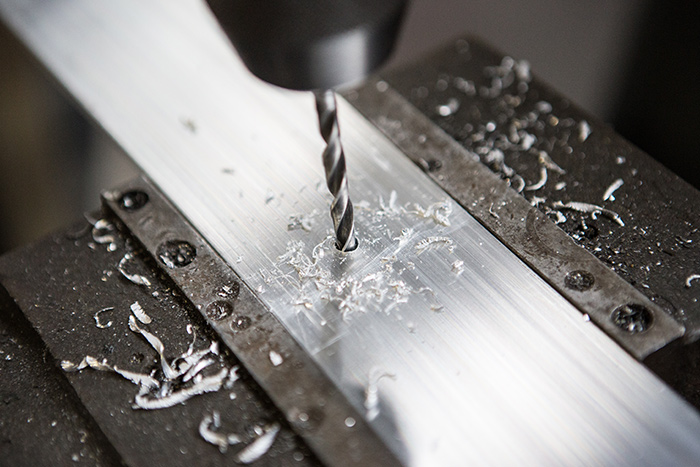
Image Source: www.ctemag.com
The Right Tools for Drilling Aluminum
Choosing the right tools is the first step to successful aluminum drilling. This includes your drill, drill bits, and any necessary lubricants or coolants.
Best Drill Bits for Aluminum
The best drill bits for aluminum are typically made from High-Speed Steel (HSS). For harder aluminum alloys or more demanding applications, cobalt or carbide-tipped bits are recommended.
Here’s a breakdown of common drill bit types and why they work well for aluminum:
- High-Speed Steel (HSS) Bits: These are the most common and affordable choice. They are excellent for general-purpose drilling in softer aluminum alloys. HSS bits are durable and can withstand the heat generated during drilling.
- Standard Twist Drills: Good for most applications.
- Split-Point HSS Bits: These have a self-centering tip that reduces the tendency of the bit to “walk” or wander when starting a hole, leading to more accurate placement. This is particularly useful when drilling aluminum sheet metal.
- Cobalt Bits: Made from HSS with added cobalt, these bits are harder and more heat-resistant than standard HSS bits. They are ideal for drilling harder aluminum alloys, such as those found in aerospace applications, and can handle higher speeds and feeds.
- Carbide-Tipped Bits: These bits have carbide tips brazed onto a steel body. They are extremely hard and heat-resistant, making them suitable for the most challenging aluminum alloys and high-volume production. They are also excellent for achieving very precise holes and maintaining their sharpness for longer periods.
- Cobalt-Moly Bits: Similar to cobalt bits, these offer enhanced hardness and heat resistance, making them a robust option for tougher jobs.
Drill Bit Geometry for Aluminum
Beyond the material, the geometry of the drill bit is crucial for efficient drilling aluminum.
- Flute Design: Aluminum tends to be “gummy” and can clog flutes easily. Bits designed for drilling soft metals often have wider, polished flutes. This allows for better chip evacuation, preventing the aluminum chips from packing up and binding the drill bit.
- Rake Angle: A sharper rake angle (the angle of the cutting edge) helps the bit cut more aggressively and efficiently. This is important for reducing heat and preventing work hardening.
- Point Angle: For softer aluminum, a point angle of around 90-118 degrees is generally effective. For harder alloys or when drilling thin sheet metal, a sharper point (closer to 90 degrees) can help break through the material cleanly.
Lubricants and Coolants
Using a lubricant or coolant is vital when drilling aluminum. Aluminum has a tendency to stick to the drill bit, causing it to overheat and the chips to weld to the flutes. This can lead to a dull bit, poor hole quality, and even a broken bit.
- Cutting Oil/Lubricant: A good quality cutting oil designed for aluminum is highly recommended. It reduces friction, cools the bit and workpiece, and helps clear chips.
- Specialized Aluminum Lubricants: There are specific lubricants formulated for aluminum machining that perform exceptionally well. These often have anti-seizing properties.
- DIY Options: In a pinch, WD-40 can offer some lubrication, but it’s not as effective as dedicated cutting oils. Some machinists use a paste wax or even a bit of kerosene.
Essential Equipment
- Drill: A variable-speed drill is ideal. This allows you to control the rotational speed precisely. Cordless drills are convenient, but ensure they have sufficient power and torque. A drill press offers more stability and precision, especially for repeated holes or when drilling thicker materials.
- Clamps: Securely clamping your workpiece is non-negotiable. Aluminum can move easily, especially thin sheet metal, leading to inaccurate holes or accidents.
- Center Punch and Hammer: To accurately mark the spot where you want to drill, use a center punch. This creates a small indentation that guides the drill bit and prevents it from “walking” on the surface.
- Deburring Tool: After drilling, there will likely be a small burr around the edge of the hole. A deburring tool will clean this up for a smooth finish.
Aluminum Drilling Techniques
Mastering various aluminum drilling techniques will help you achieve professional results for different types of aluminum workpieces.
Preparing the Workpiece
Before you start drilling, proper preparation is key.
- Mark the Hole Location: Use a sharp pencil, marker, or scribe to mark the exact center of the hole.
- Center Punching: Place the tip of the center punch on the mark and strike it firmly with a hammer. This creates a small divot. This divot acts as a guide for the drill bit, ensuring it starts precisely where you want it and preventing the bit from wandering.
- Securing the Workpiece: Clamp the aluminum firmly to a workbench or drill press table. Use soft jaw chucks or pieces of wood or rubber between the clamps and the aluminum to prevent scratching or marring the surface, especially crucial when drilling aluminum sheet metal.
Drilling Process
The actual drilling process involves careful control of speed, feed rate, and lubrication.
Speed and Feed Rate
This is one of the most critical aspects of drilling aluminum. Aluminum is soft and melts easily, so you need to drill at a relatively high speed but apply steady, consistent pressure.
- Speed: Generally, faster speeds are used for drilling aluminum compared to steel. This helps to prevent chips from building up. A good starting point for a standard 1/4-inch HSS drill bit in softer aluminum alloys is around 200-300 RPM. The exact speed depends on the drill bit diameter, the type of aluminum alloy, and the lubricant used. Harder alloys or larger bits require slower speeds.
- Feed Rate: The feed rate is how quickly you push the drill bit into the material. You want to apply steady, firm pressure. Let the drill bit do the cutting. Forcing the bit too quickly can cause it to bind, overheat, or create a poor-quality hole. For aluminum, a moderate feed rate is usually best. The bit should produce continuous, clean chips.
Lubrication and Chip Evacuation
- Apply Lubricant: Apply your chosen lubricant to the drill bit tip and the workpiece before drilling. Reapply as needed during the drilling process, especially for deeper holes.
- Peck Drilling: For deeper holes, it’s essential to use the “peck drilling” technique. This involves drilling a short distance, then retracting the drill bit to clear the flutes of chips before plunging back in. Repeat this process until the hole is complete. This prevents chip buildup and overheating, which are common issues when drilling aluminum rod or pipe.
Drilling Different Forms of Aluminum
The aluminum drilling techniques will vary slightly depending on the form of aluminum you are working with.
Drilling Aluminum Sheet Metal
- Thin Sheet Metal: When drilling aluminum sheet metal, especially thin gauges, sharp drill bits with split points are highly recommended to prevent the bit from grabbing and tearing the material.
- Support: Ensure the sheet metal is well-supported to prevent it from flexing or deforming. A backing material like wood can help.
- Clamping: Use clamps to hold the sheet metal firmly. Avoid overtightening, which can distort the metal.
Drilling Aluminum Rod and Pipe
- Securing: Aluminum rod and pipe can roll. Use V-blocks or a drill press vise with soft jaws to hold them securely.
- Centering: Ensure the drill is perfectly perpendicular to the rod or pipe to create a clean, centered hole.
- Peck Drilling: Essential for deeper holes in rod or pipe to clear chips effectively.
Drilling Cast Aluminum
- Hardness: Cast aluminum can vary in hardness and may contain abrasive inclusions, making it harder to drill than wrought aluminum alloys.
- Drill Bits: Use sharper, harder drill bits, such as cobalt or carbide-tipped bits.
- Coolant: Generous use of coolant is crucial to manage heat.
- Chip Evacuation: Be mindful of chip buildup, as cast aluminum can create a dustier chip, which can still pack the flutes.
Drilling Aluminum Alloys
Different aluminum alloys have varying hardness and machining characteristics.
- Softer Alloys (e.g., 1XXX, 3XXX, 5XXX): These are generally easier to drill and can tolerate higher speeds. Standard HSS bits are usually sufficient.
- Harder Alloys (e.g., 2XXX, 6XXX, 7XXX): These alloys, often used in aerospace and automotive applications, require harder drill bits (cobalt or carbide-tipped) and slower speeds with more assertive feed pressure. Proper lubrication is paramount to prevent work hardening.
Tapping Aluminum
Tapping aluminum to create threads involves drilling a pilot hole and then using a tap to cut the threads.
- Pilot Hole Size: The pilot hole size is critical. It should be slightly smaller than the minor diameter of the thread you want to create. Refer to tapping charts for precise dimensions.
- Tap Lubrication: Use a good quality cutting oil specifically designed for tapping. This is even more important than for drilling, as the tap is doing a lot of cutting and creating friction.
- Tapping Technique:
- Drill the pilot hole using the appropriate drill bit and technique for aluminum.
- Apply lubricant to the tap.
- Start the tap straight into the hole by hand.
- Turn the tap clockwise about a quarter to half a turn, then back it off counter-clockwise to break the chips. This is crucial for preventing the tap from binding and breaking.
- Continue this process, lubricating and breaking chips, until the desired thread depth is reached.
Common Problems and Solutions in Aluminum Machining
Even with the best intentions, you might encounter some issues when aluminum machining or drilling.
Problem: Drill Bit Binding and Overheating
- Cause: Insufficient lubrication, dull drill bit, too slow a speed, excessive feed pressure, or chip buildup in the flutes.
- Solution:
- Ensure you are using sharp, appropriate drill bits for the alloy.
- Use plenty of cutting lubricant.
- Increase the drill speed slightly.
- Use the peck drilling technique to clear chips.
- Ensure flutes are clear.
Problem: Hole Wall Roughness or “Galling”
- Cause: The aluminum is sticking to the drill bit and being smeared rather than cut cleanly. This often happens with dull bits or inadequate lubrication.
- Solution:
- Use a sharper drill bit, ideally with a polished flute.
- Increase the speed and ensure good chip evacuation.
- Use a dedicated aluminum cutting lubricant.
- Consider a drill bit with a higher rake angle.
Problem: Drill Bit “Walking” or Wandering
- Cause: The drill bit is not starting in the center of the intended location.
- Solution:
- Use a center punch to create a good starting divot.
- Use a split-point drill bit.
- For critical applications, use a pilot hole drilled with a smaller bit first.
Problem: Broken Drill Bit
- Cause: Excessive force, binding, drilling at too slow a speed, or trying to drill through a hardened spot in the material.
- Solution:
- Start with a sharp, appropriate bit.
- Use correct speeds and feeds.
- Ensure proper lubrication and chip evacuation.
- If a bit breaks off deep inside, it can be very difficult to remove. EDM (Electrical Discharge Machining) is sometimes used for this in industrial settings.
Problem: Workpiece Deformation
- Cause: Insufficient clamping, especially when drilling thin sheet metal.
- Solution:
- Use more clamps.
- Use a support material (like wood) behind the aluminum.
- Avoid excessive force during drilling.
Frequently Asked Questions (FAQ) about Drilling Aluminum
Here are answers to some common questions people have about drilling aluminum.
Q1: What is the best drill speed for aluminum?
A1: The best drill speed for aluminum varies based on the drill bit diameter and the specific aluminum alloy. Generally, you’ll use higher speeds than for steel. A good starting point for a 1/4-inch HSS bit in softer aluminum is 200-300 RPM. Always consult machining charts or experiment cautiously.
Q2: Can I drill aluminum with a regular HSS drill bit?
A2: Yes, standard High-Speed Steel (HSS) drill bits are suitable for most common aluminum alloys, especially softer ones. For harder alloys, cobalt or carbide-tipped bits are better.
Q3: Do I need to use a lubricant when drilling aluminum?
A3: Absolutely. Lubrication is crucial to prevent the aluminum from sticking to the drill bit, reducing friction, cooling the bit, and clearing chips. Use a dedicated cutting oil or lubricant designed for aluminum.
Q4: How do I prevent aluminum chips from clogging the drill bit?
A4: Use drill bits with polished, wider flutes. Employ the “peck drilling” technique (drilling a short distance and retracting to clear chips). Ensure you are using adequate lubrication and the correct speed.
Q5: What if I need to drill a very precise hole in aluminum?
A5: For precision, use a drill press for stability. Start with a center punch mark and consider a split-point drill bit. Ensure your workpiece is securely clamped. For extremely critical tolerances, CNC machining or specialized tooling might be necessary.
Q6: Can I drill hardened aluminum alloys?
A6: Yes, but it requires specialized tools and techniques. Use cobalt or carbide-tipped drill bits and slower speeds with more consistent feed pressure. Ample coolant is essential.
Q7: How do I tap threads into aluminum?
A7: Drill a pilot hole of the correct size using a suitable drill bit. Then, use a sharp tap with plenty of lubricant, turning it in and out in short increments to break chips. Always use a tapping fluid.
By following these guidelines and employing the correct aluminum drilling techniques, you can confidently tackle a wide range of projects involving aluminum. Remember that practice and attention to detail are key to achieving clean, accurate results.