
Can you clean a saw blade? Yes, you absolutely can! A clean saw blade cuts better, lasts longer, and is safer to use. This guide will show you the best ways to clean your saw blades and bring back their shine. We’ll cover everything from removing stubborn pitch to tackling rust.
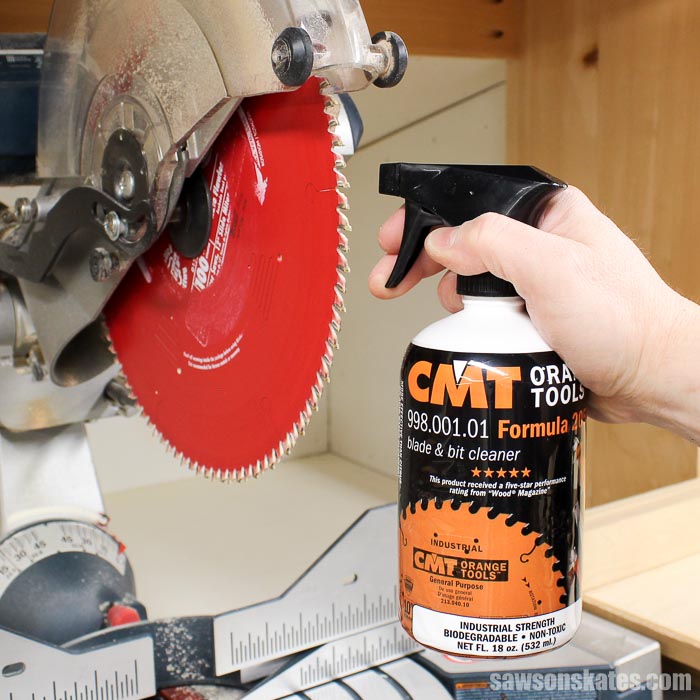
Image Source: sawsonskates.com
Why Keeping Saw Blades Clean Matters
Dirty saw blades aren’t just unsightly; they’re inefficient and potentially dangerous. When pitch, sap, and metal filings build up on your blades, they create friction. This friction leads to several problems:
- Poor Cut Quality: A blade clogged with debris won’t cut cleanly. You’ll end up with splintered wood, rough edges, and inconsistent cuts. This makes your projects look unprofessional and can lead to wasted material.
- Increased Heat: More friction means more heat. Excessive heat can warp the blade, dull the teeth faster, and even damage the wood you’re cutting. In extreme cases, overheating can be a fire hazard.
- Duller Teeth: The buildup acts like a layer of grime, dulling the sharp edges of your teeth. This forces your saw to work harder, straining the motor and reducing its lifespan.
- Safety Risks: A dull, clogged blade requires more force to push through the material. This can cause the saw to kick back, a dangerous situation that can lead to serious injury.
- Reduced Efficiency: Everything takes longer and requires more effort when your blades are dirty. You’ll spend more time fighting your tools and less time creating.
Common Saw Blade Grime and How to Tackle It
Different types of cutting generate different types of residue. Knowing what you’re dealing with helps you choose the right cleaning method.
Removing Pitch from Saw Blade
Pitch and sap from wood are the most common culprits for gumming up saw blades. This sticky residue builds up on the teeth and gullets, hindering their ability to cut effectively.
What Causes Pitch Buildup?
- Resinous Woods: Softwoods like pine, fir, and cedar are naturally resinous. When you cut them, the heat generated can melt and deposit this resin onto your blades.
- High Cutting Speeds: Faster cutting speeds create more friction and heat, which helps to melt and embed the pitch.
Rust Removal Saw Blade
Rust is a natural enemy of metal. If your blades are left exposed to moisture, they can develop unsightly and performance-robbing rust.
Why Blades Rust:
- Moisture Exposure: Storing blades in damp environments, wiping them with wet rags and not drying thoroughly, or even humid air can initiate rust.
- Improper Storage: Leaving blades unprotected in a workshop can expose them to the elements.
General Grime and Metal Filings
Beyond pitch and rust, saw blades can accumulate sawdust, metal shavings (when cutting metal), and general workshop dust. This can harden over time and become difficult to remove.
The Best Way to Clean Saw Blade: A Step-by-Step Approach
The “best way” often depends on the type of blade and the severity of the grime. However, a general approach works for most situations.
Essential Cleaning Supplies
Before you start, gather your supplies. Having everything ready makes the process smoother.
- Gloves: Protect your hands from cleaning solutions and sharp edges.
- Safety Glasses: Essential to protect your eyes from flying debris or splashes.
- Stiff Brush: An old toothbrush or a dedicated wire brush (brass is less likely to damage the blade than steel).
- Cleaning Solution: Depending on the grime, this could be a commercial saw blade cleaner, a degreaser, or a DIY solution.
- Clean Rags or Paper Towels: For wiping and drying.
- Bucket or Container: To soak blades or hold cleaning solutions.
- Water: For rinsing.
- Lubricant (Optional but Recommended): A light oil or silicone spray to prevent future rust.
DIY Saw Blade Cleaning Methods
You don’t always need fancy chemicals. Many effective cleaning solutions can be made at home.
Method 1: Hot Water and Dish Soap (For Light Grime)
This is a good starting point for blades with minimal pitch or dust.
- Fill a Bucket: Pour hot water into a bucket. Add a generous squirt of dish soap.
- Soak the Blade: Carefully place the saw blade into the soapy water. Ensure it’s fully submerged. Let it soak for at least 15-30 minutes. For tougher grime, you can soak it for a few hours or overnight.
- Scrub: Remove the blade from the water. Use your stiff brush to scrub away any loosened grime. Pay attention to the gullets between the teeth.
- Rinse: Rinse the blade thoroughly with clean water.
- Dry and Protect: Dry the blade completely with a clean rag or paper towel. Apply a thin coat of light oil or silicone spray to protect it from rust.
Method 2: Baking Soda Paste (For Stubborn Pitch)
Baking soda is a mild abrasive and a good alkaline cleaner, excellent for breaking down sticky pitch.
- Create a Paste: Mix baking soda with a small amount of water to create a thick paste.
- Apply the Paste: Spread the paste generously over the saw blade, making sure to cover all the gummed-up areas.
- Let it Sit: Allow the paste to sit on the blade for about 30 minutes.
- Scrub: Use your stiff brush to scrub away the paste and the loosened pitch. The baking soda will help lift and abrade the residue.
- Rinse: Rinse the blade thoroughly with water.
- Dry and Protect: Dry the blade completely and apply a protective lubricant.
Method 3: Vinegar or Lemon Juice (For Light Rust and Limescale)
The mild acidity in vinegar or lemon juice can help dissolve light rust and mineral deposits.
- Soak: Submerge the blade in white vinegar or lemon juice. You can use a shallow container or a plastic bag.
- Soaking Time: Let it soak for 30 minutes to an hour. For more stubborn rust, you might need to leave it for a few hours, but check it periodically to avoid over-etching.
- Scrub: Remove the blade and use a brush to scrub away the rust and grime.
- Neutralize (Important!): After using vinegar or lemon juice, it’s crucial to neutralize the acid. Rinse the blade thoroughly with water, then soak it briefly in a baking soda and water solution (about 1 tablespoon of baking soda per cup of water). This neutralizes any remaining acid.
- Rinse Again: Rinse thoroughly with clean water.
- Dry and Protect: Dry the blade completely and apply a protective oil.
Method 4: WD-40 or Similar Penetrating Oil (For Rust and Stuck-On Gunk)
WD-40 is a popular choice for its ability to penetrate and loosen grime.
- Spray Generously: Spray the blade liberally with WD-40, ensuring all affected areas are covered.
- Let it Work: Allow the WD-40 to sit for at least 15-30 minutes. For heavily rusted blades, you might need to let it soak for a few hours.
- Scrub: Use your brush to scrub away the loosened rust and pitch.
- Wipe Clean: Wipe the blade down thoroughly with rags to remove the WD-40 and the grime it has lifted.
- Degrease (Optional but Recommended): WD-40 can leave a slightly oily residue. If you plan to cut wood where glue or finish adhesion is critical, it’s a good idea to degrease the blade with a dedicated saw blade degreaser or even isopropyl alcohol.
- Dry and Protect: Ensure the blade is completely dry before applying a light coat of oil or silicone spray.
Commercial Saw Blade Cleaner & Degreaser
For the toughest jobs, commercial products are often the most effective. These are specifically formulated to break down pitch, sap, and other stubborn residues.
- Carbide Saw Blade Cleaner: These are formulated to be safe for carbide-tipped blades, which are common on circular saws and table saws. They are designed to dissolve pitch and aluminum buildup without damaging the carbide tips.
- Saw Blade Degreaser: Similar to a degreaser for your car engine, these products cut through oils, resins, and general grime.
How to Use Commercial Cleaners:
- Read Instructions: Always read and follow the manufacturer’s instructions carefully.
- Ventilation: Use in a well-ventilated area, as some cleaners can have strong fumes.
- Apply: Spray or brush the cleaner onto the blade.
- Soak/Wait: Some cleaners require soaking for a specific period.
- Scrub: Use a brush to scrub away loosened residue.
- Rinse Thoroughly: Rinse the blade with water.
- Dry and Protect: Dry completely and apply a protective lubricant.
Cleaning Specific Types of Saw Blades
Different saws and blade types might require slightly different approaches.
Cleaning Circular Saw Blades
Circular saw blades, whether for wood or metal, often experience significant pitch buildup, especially when cutting softwoods.
Process:
- Safety First: Remove the blade from the circular saw. Ensure the saw is unplugged.
- Choose Your Cleaner: A commercial carbide saw blade cleaner or a strong DIY degreaser is usually best for stubborn pitch.
- Soak and Scrub: Soak the blade in your chosen cleaner. Use a brush to work the cleaner into the gullets and around the teeth.
- Rinse and Dry: Rinse thoroughly with water. Dry completely.
- Inspect: Check for any remaining buildup. Repeat if necessary.
- Lubricate: Apply a thin layer of protective oil.
Cleaning Jig Saw Blade
Jigsaw blades are smaller and have more delicate teeth, so a gentler approach is often preferred.
Process:
- Remove Blade: Carefully remove the jigsaw blade from the saw.
- Light Cleaning: For light dust and debris, hot water and dish soap with a toothbrush work well.
- Stubborn Gunk: If there’s pitch, try a baking soda paste or a soak in a diluted cleaner. Avoid overly harsh chemicals that might damage the metal.
- Rinse and Dry: Rinse gently and dry thoroughly with a soft cloth.
- Protect: A light application of oil is recommended.
Table Saw Blade Maintenance
Table saw blades are workhorses and accumulate a lot of grime. Regular table saw blade maintenance is key to performance.
Process:
- Remove Blade: Always unplug your table saw and carefully remove the blade.
- Heavy Duty Cleaning: For significant pitch and residue, a commercial cleaner or a strong degreaser is often the best way to clean a table saw blade.
- Soaking is Effective: Soaking the blade in a bucket of cleaner for a few hours can make scrubbing much easier.
- Thorough Scrubbing: Ensure you get into all the spaces between teeth. A brass brush is ideal here.
- Rinse and Dry: Rinse with water and dry meticulously. Moisture is the enemy of clean metal.
- Lubricate: A light oil or silicone spray will protect the blade and make future cleaning easier.
Dealing with Rust: Rust Removal Saw Blade Techniques
Rust needs to be removed completely to restore the blade’s performance and prevent further corrosion.
Mechanical Removal
- Wire Brush: A stiff wire brush (brass is preferred to avoid damaging the blade) is effective for surface rust. Scrub firmly in the direction of the teeth.
- Steel Wool: Fine-grade steel wool can also be used for light rust.
Chemical Rust Removers
There are many commercial rust removers available. Follow their instructions carefully, as they are often strong chemicals.
- Rust Converter: These products chemically change the rust into a stable, paintable surface.
- Rust Dissolvers: These are typically acidic solutions that break down the rust.
Important Considerations for Rust Removal:
- Protect Yourself: Always wear gloves and safety glasses.
- Ventilation: Work in a well-ventilated area.
- Neutralize: After using acidic rust removers, it’s essential to neutralize the acid with a baking soda solution and rinse thoroughly.
- Post-Treatment: After removing rust, it’s crucial to dry the blade immediately and apply a protective lubricant to prevent rust from returning.
The Role of Saw Blade Sharpening
While cleaning keeps your blade performing optimally, saw blade sharpening is what restores its cutting edge. A clean blade makes sharpening much easier and more effective.
- Clean Before Sharpening: Always clean your blades before attempting to sharpen them. Grime and pitch can interfere with the sharpening stones or files.
- Sharpening Tools: Sharpening can be done with specialized files, sharpening stones, or by sending blades to a professional sharpening service.
- Frequency: Sharpening frequency depends on how much you use the blade and the types of materials you cut.
Protecting Your Blades After Cleaning
Cleaning is only half the battle. Proper protection ensures your blade stays in good condition between uses.
- Thorough Drying: This cannot be stressed enough. Even a drop of water can lead to rust.
- Light Lubrication: Apply a thin film of light machine oil, mineral oil, or a silicone spray. This creates a barrier against moisture.
- Proper Storage: Store your blades in a dry place. Blade cases or racks can prevent them from bumping against other metal objects and getting scratched or dirty.
Table of Saw Blade Cleaning Solutions
Here’s a quick reference for common cleaning solutions:
| Grime Type | Recommended Cleaner | Process Summary | Caution |
|---|---|---|---|
| Light Pitch/Dust | Hot Water + Dish Soap | Soak, scrub with brush, rinse, dry, lubricate. | May not be effective for heavy buildup. |
| Stubborn Pitch | Baking Soda Paste | Apply paste, let sit, scrub, rinse, dry, lubricate. | Ensure thorough rinsing. |
| Light Rust/Min. | White Vinegar or Lemon Juice | Soak, scrub, neutralize with baking soda solution, rinse, dry, lubricate. | Do not leave for too long; can etch metal. Neutralize thoroughly. |
| Heavy Pitch/Gunk | Commercial Saw Blade Cleaner/Degreaser | Apply/soak as per instructions, scrub, rinse, dry, lubricate. | Use in well-ventilated area; follow manufacturer’s safety guidelines. |
| Heavy Rust | Commercial Rust Remover | Apply as per instructions, scrub/dissolve, neutralize, rinse, dry, lubricate. | Wear heavy-duty gloves and eye protection; very strong chemicals. |
| General Cleaning | WD-40 (followed by degreaser if needed) | Spray, let sit, scrub, wipe clean, optionally degrease, dry, lubricate. | WD-40 alone can leave a residue; degreasing recommended for certain uses. |
Frequently Asked Questions (FAQ)
How often should I clean my saw blades?
You should clean your saw blades whenever you notice a decrease in cutting performance, visible buildup, or if they start to heat up excessively during use. For frequent users, cleaning every few months or even monthly might be beneficial.
Can I use oven cleaner to clean saw blades?
While oven cleaner contains strong degreasers, it’s generally not recommended for saw blades. It can be too harsh, potentially damaging the blade’s temper or coatings, and may leave residues that are difficult to remove completely, affecting your cuts.
What is the best way to clean carbide saw blade?
The best way to clean a carbide saw blade is to use a cleaner specifically designed for them, often labeled as a “carbide saw blade cleaner” or a strong but safe degreaser. These products are formulated to dissolve the pitch and aluminum buildup without harming the carbide tips or the steel blade. Soaking followed by scrubbing with a brass brush is usually very effective.
Can I put saw blades in a dishwasher?
No, you should not put saw blades in a dishwasher. The high heat and harsh detergents can warp the blade, damage the teeth, and leave a rust-promoting residue. Dishwashers are also not designed for sharp, metal objects.
Is it necessary to lubricate saw blades after cleaning?
Yes, it is highly recommended. Lubricating your saw blades after cleaning provides a protective barrier against moisture, which helps prevent rust and corrosion. It can also make future cleaning easier by preventing pitch from adhering as strongly.
How do I remove black residue from my saw blade?
Black residue could be a combination of burnt pitch, carbon buildup, or even discoloration from heat. Try a strong degreaser or a commercial saw blade cleaner. A stiff brass brush will help lift the residue. If it’s heat discoloration, it’s mostly cosmetic and doesn’t affect performance, but thorough cleaning can sometimes reduce its appearance.
My saw blade has a lot of sap build-up, what should I do?
For significant sap or pitch buildup, a commercial saw blade cleaner or a soak in a mixture of mineral spirits or denatured alcohol can be very effective. Let the blade soak for at least 30 minutes to an hour, then scrub with a stiff brush, rinse thoroughly, dry, and lubricate.
By following these cleaning and maintenance tips, you can ensure your saw blades stay sharp, efficient, and safe, restoring their shine and prolonging their lifespan.