
Yes, you can drill fiberglass safely and effectively with the right tools and techniques. Drilling fiberglass requires special attention to detail to avoid splintering, overheating, and potential health hazards from dust. This guide will walk you through everything you need to know about drilling fiberglass safely, from choosing the right bits to proper personal protection.
Fiberglass, a composite material made of glass fibers embedded in a resin matrix, is popular for its strength, lightness, and resistance to corrosion. It’s used in everything from boats and car bodies to building materials and aircraft components. However, drilling into fiberglass can be tricky. Improper techniques can lead to cracked or delaminated material, rough edges, and airborne fiberglass dust, which can be irritating to skin, eyes, and respiratory systems. This is why proper fiberglass drilling tips are crucial for successful fiberglass fabrication and working with fiberglass projects.
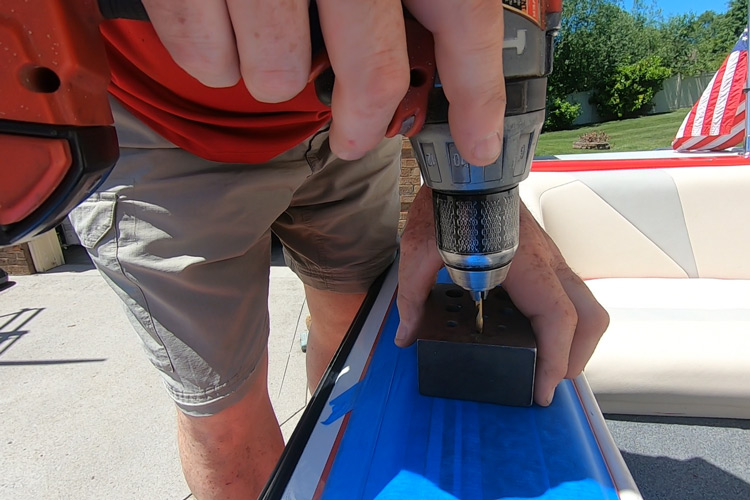
Image Source: d2v1xobx8qu3lm.cloudfront.net
Essential Tools for Drilling Fiberglass
Choosing the right tools is the first step to a clean and safe drilling experience.
Drilling Fiberglass Bits: What You Need
The type of drill bit you use makes a significant difference. Standard wood or metal bits are not ideal for fiberglass.
- HSS (High-Speed Steel) Bits: These are a good starting point. Look for bits specifically designed for plastics or composites. They often have a sharper point and a steeper helix angle than standard metal bits.
- Brad-Point Bits: These bits have a sharp central point that helps prevent “walking” or wandering of the bit as you start drilling. This is excellent for precision starts in fiberglass.
- Spiral Bits: Bits designed for plastics or composites often have a modified two-flute design. The flutes are typically wider and have a sharper cutting edge.
- Carbide-Tipped Bits: For tougher fiberglass applications or thicker materials, carbide-tipped bits offer superior durability and heat resistance.
- Step Bits: These are useful for drilling holes of varying diameters without changing bits. They are particularly helpful when you need to enlarge a hole incrementally.
- Hole Saw Fiberglass: For larger diameter holes, a hole saw fiberglass is the best choice. Ensure the hole saw is designed for cutting plastics or composites, as the teeth are typically sharper and spaced differently than those for wood or metal.
Choosing the Right Drill
- Corded Drill: Offers consistent power for drilling through thicker fiberglass.
- Cordless Drill: Provides portability. Ensure it has sufficient torque and battery life for your project.
- Drill Press: For repetitive drilling or precise, perpendicular holes, a drill press fiberglass setup is ideal. It offers stability and controlled depth.
Other Necessary Equipment
- Safety Glasses or Goggles: Absolutely essential to protect your eyes from flying debris.
- Dust Mask or Respirator: A high-quality N95 or P100 respirator is crucial to prevent inhaling fiberglass dust.
- Gloves: Protect your skin from fiberglass irritation. Nitrile or latex gloves are good options.
- Clamps: To secure the fiberglass piece firmly to your work surface.
- Cutting Fluid or Lubricant: Water-based cutting fluid or even soapy water can help cool the bit and reduce dust.
- Vacuum Cleaner with HEPA Filter: For effective cleanup of fiberglass dust.
- Workbench or Sturdy Surface: To provide a stable platform for drilling.
- Marking Tool: A pencil or marker to mark your drilling points.
Preparing for Safe Fiberglass Drilling
Preparation is key to drilling fiberglass without splintering and ensuring safety.
Setting Up Your Workspace
- Ventilation: Always drill fiberglass in a well-ventilated area. If you are indoors, open windows and doors, or use a fan to direct air away from you.
- Clean Surface: Ensure your workbench or drilling surface is clean and free of debris.
- Secure Your Material: This is paramount. Use clamps to firmly hold the fiberglass piece in place. This prevents the material from moving during drilling, which can cause the bit to grab, break, or create ragged holes. If drilling a large panel, consider supporting it to prevent flexing.
Personal Protective Equipment (PPE)
Donning the correct PPE before you even pick up the drill is non-negotiable.
- Eye Protection: Wear safety glasses with side shields or, ideally, a full pair of goggles.
- Respiratory Protection: A dust mask is a minimum, but a respirator rated for fine particulates (N95 or P100) is highly recommended. Fiberglass dust particles are very small and can cause respiratory irritation.
- Skin Protection: Wear long sleeves, long pants, and gloves. Fiberglass can cause itching and skin irritation. Consider disposable coveralls for larger projects.
Marking Your Drilling Points
- Use a sharp pencil or a fine-tip marker.
- For extra precision, you can create a small dimple with a center punch. This will help guide the drill bit and prevent it from wandering.
Step-by-Step Guide to Drilling Fiberglass
Follow these steps for a successful drilling experience.
Step 1: Select the Right Drill Bit
As discussed earlier, choose a bit designed for plastics or composites. A brad-point or a specialized spiral bit is a good choice for most applications. For larger holes, use a hole saw fiberglass with sharp teeth.
Step 2: Set Up Your Drill
- Speed: Fiberglass drilling requires slower speeds than drilling metal. High speeds generate excessive heat, which can melt the resin and clog the bit. Start with a low to medium speed setting on your drill.
- Depth Stop: If your drill has a depth stop feature, set it to prevent drilling too deep. This is especially useful when drilling through a specific thickness.
Step 3: Begin Drilling
- Starting the Hole: Place the tip of the drill bit on your marked spot. Apply gentle, steady pressure. Let the bit do the work.
- Lubrication: Periodically dip the drill bit in water or apply a water-based cutting fluid. This cools the bit and the fiberglass, preventing melting and reducing dust. Some prefer to drill dry and use compressed air to clear dust, but lubrication generally yields cleaner holes and less dust.
- Withdraw and Clear Debris: For deeper holes, or when drilling thicker materials, withdraw the bit partially (but not completely out of the hole) every few seconds. This clears the flutes of fiberglass debris and allows cooling air or fluid to enter.
Step 4: Drilling Larger Holes (Using a Hole Saw)
- When using a hole saw fiberglass, ensure it’s securely attached to your drill.
- Start at a slow speed.
- Apply steady pressure. You may need to periodically clear the debris from the saw’s teeth.
- Again, lubrication is beneficial.
Step 5: Drilling with a Drill Press
- Secure the fiberglass piece to the drill press table using clamps.
- Set the drill press speed to a low to medium setting.
- Lower the drill bit gently onto the marked spot.
- Apply steady pressure, withdrawing the bit periodically to clear dust and cool.
Step 6: Finishing the Hole
- As you near the back of the material, reduce pressure to prevent blowout or splintering on the exit side.
- If you encounter splintering upon exit, consider drilling from both sides. Start the hole on one side, drill about two-thirds of the way through, and then flip the piece over and finish drilling from the opposite side. This helps create a cleaner exit.
Step 7: Cleaning Up
- Dust Control: Use a vacuum cleaner with a HEPA filter to immediately clean up any fiberglass dust. Avoid sweeping, as this can aerosolize the dust.
- Wipe Down: Wipe down the drilled surface and surrounding areas with a damp cloth.
- Dispose of Debris: Dispose of fiberglass scraps and dust in a sealed plastic bag.
Techniques for Drilling Fiberglass Without Splintering
Drilling fiberglass without splintering is a common concern. Here are some expert tips:
- Sharp Bits: Always use sharp drill bits. Dull bits tear through the material, causing splintering.
- Slow Speed, Steady Pressure: This is the golden rule. High speed and excessive pressure cause heat buildup and rough cuts.
- Backing Material: Place a piece of scrap wood or plywood behind the fiberglass where the drill bit will exit. Drill through the fiberglass and into the backing material. This provides support on the exit side and significantly reduces splintering.
- Drill from Both Sides: As mentioned, starting the hole on one side, going two-thirds of the way through, and then finishing from the other side can result in a cleaner hole, especially in thicker materials.
- Pilot Hole: For larger holes or when using a hole saw, drill a small pilot hole first. This helps guide the larger bit.
Specifics of Drilling Composite Materials
Drilling composite materials like fiberglass requires a nuanced approach. Composites are layered, and the interaction of the drill bit with these layers can cause delamination if not done carefully.
- Understanding Layup: If you know the orientation of the glass fibers, try to drill perpendicular to the dominant fiber direction when possible. This can reduce the tendency for the bit to “catch” on the fibers.
- Reinforced Fiberglass: Some fiberglass products are reinforced with other materials. Always use the appropriate bit for the toughest component of the composite.
- Resin Drilling: The resin matrix can melt if too much heat is generated. This leads to a gummy residue on the bit and a rough hole. Keeping the bit cool with lubrication and appropriate speeds is crucial for successful resin drilling.
Using a Drill Press for Fiberglass
A drill press fiberglass setup offers several advantages for consistent and precise drilling.
Advantages of a Drill Press
- Stability: The drill press holds the drill bit steady, ensuring perpendicular holes.
- Controlled Feed Rate: You can control the speed at which the bit enters the material.
- Reduced Fatigue: It requires less physical effort for repetitive tasks.
Setting Up and Using a Drill Press
- Secure the Material: Use clamps to firmly attach the fiberglass piece to the drill press table. Position the clamps so they don’t interfere with the drill bit.
- Set the Speed: Consult your drill press manual or start with a low to medium RPM setting suitable for plastics or composites.
- Align the Bit: Carefully lower the drill bit to the marked hole location. Ensure it is perfectly perpendicular to the fiberglass surface.
- Drill with Lubrication: Begin drilling, applying steady, downward pressure. Periodically retract the bit to clear dust and apply coolant if necessary.
- Monitor for Heat: Pay attention to the sound and feel. If the bit is getting too hot or the material is smoking, stop immediately, retract the bit, and reapply coolant.
Cutting Fiberglass Safely
While this guide focuses on drilling, cutting fiberglass often goes hand-in-hand with fabrication. Similar principles of dust control and sharp tools apply.
- Cutting Tools: Jigsaws, circular saws, and reciprocating saws can be used for cutting fiberglass.
- Blade Selection: Use blades designed for plastics or composites. For jigsaws, a fine-tooth blade is best. For circular saws, a carbide-tipped blade with a higher tooth count is recommended.
- Dust Containment: When cutting, dust generation is even higher. Use a vacuum system attached to your saw whenever possible.
- Scoring: For precise cuts, scoring the fiberglass with a utility knife before cutting with a saw can help prevent chipping.
Table: Recommended Drill Bits for Fiberglass
| Hole Size | Recommended Drill Bit Type | Notes |
|---|---|---|
| Small (1/8″ – 1/4″) | Brad-point HSS bit, Spiral bit for plastics | Ensures a clean start and prevents walking. |
| Medium (1/4″ – 1/2″) | Brad-point HSS bit, Carbide-tipped bit | Carbide offers better heat resistance for slightly larger holes. |
| Large (> 1/2″) | Hole saw fiberglass, Step bit | Hole saws for clean large-diameter holes; step bits for incremental sizing. |
Troubleshooting Common Drilling Issues
| Problem | Cause | Solution |
|---|---|---|
| Splintering / Chipping | Dull bit, too much speed, too much pressure | Use sharp bits, slow speed, steady pressure. Use backing material or drill from both sides. |
| Hole Melting / Gumming | Excessive heat from high speed or friction | Slow down the drill speed, use lubrication, withdraw the bit frequently to clear debris and cool. |
| Bit Wandering at Start | No pilot hole, dull bit, rough surface | Use a center punch to create a dimple, use a brad-point bit, or drill a small pilot hole first. |
| Delamination | Drilling too fast, dull bit, improper angle | Slow down, use sharp bits, ensure perpendicular drilling, use backing material. |
| Excessive Dust | Improper dust management, dry drilling | Use a respirator, vacuum dust as you go, use lubrication, and clean up thoroughly with a HEPA vacuum. |
Frequently Asked Questions (FAQ)
Q1: Can I use a regular drill bit to drill fiberglass?
A1: While you might get away with it for very small holes, it’s not recommended. Regular drill bits are not designed for the properties of fiberglass, leading to poor results like splintering, melting, and dulled bits. Specialized bits for plastics or composites are best.
Q2: What is the best speed to drill fiberglass?
A2: Generally, slower speeds are better for drilling fiberglass. Start with low to medium RPM settings, typically between 300-800 RPM, depending on the drill and material thickness. Avoid high speeds that generate excessive heat.
Q3: How do I prevent fiberglass dust from getting everywhere?
A3: Dust control is crucial. Always wear a respirator, and use a vacuum cleaner with a HEPA filter to capture dust as you drill. Drilling with lubrication (like water or a cutting fluid) also helps suppress dust. Clean up immediately after drilling.
Q4: Should I use a lubricant when drilling fiberglass?
A4: Yes, using a lubricant like water, soapy water, or a water-based cutting fluid is highly recommended. It helps cool the drill bit and the material, preventing the resin from melting and reducing dust.
Q5: What’s the best way to drill a clean hole in fiberglass?
A5: To achieve a clean hole, use sharp, specialized drill bits, drill at slow speeds with steady pressure, use a lubricant, and consider drilling from both sides or using a piece of backing material to support the exit point.
Working with fiberglass can be rewarding, and with these detailed tips and techniques, you can confidently drill into fiberglass safely and achieve professional results. Remember to always prioritize safety by wearing the appropriate PPE and cleaning up thoroughly.