
Yes, you can drill through fiberglass safely and without cracking it if you use the right tools and techniques. This guide will show you how to do just that, ensuring clean holes and minimal mess.
Drilling through fiberglass might seem daunting, especially with its brittle nature. Many people worry about creating cracks, splinters, or dust clouds. Fathoming the right approach is key to a successful project. Whether you’re a DIY enthusiast or a seasoned professional, knowing how to handle this material is crucial. This article will delve into the best practices, fiberglass drilling techniques, and the specific tools you’ll need.
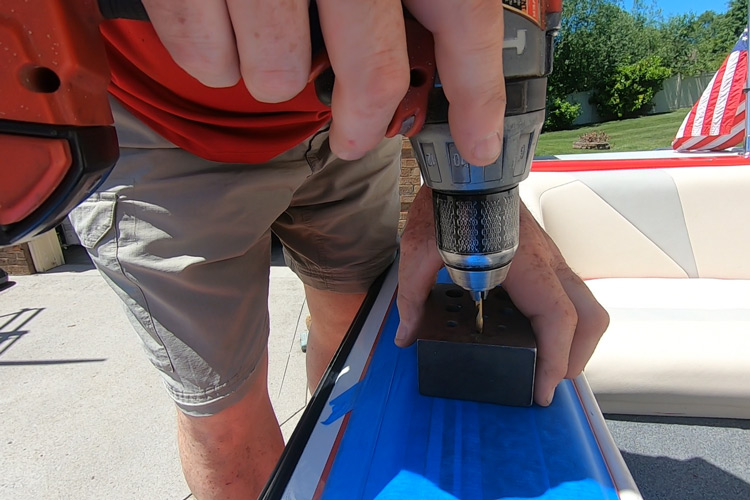
Image Source: d2v1xobx8qu3lm.cloudfront.net
Choosing the Right Drill Bits for Fiberglass
The type of drill bit you use is the most critical factor when drilling fiberglass. Standard wood or metal bits often cause issues like chipping, cracking, and excessive heat buildup.
Best Drill Bits for Fiberglass
- Brad-Point Drill Bits: These are excellent for starting holes cleanly. The sharp point centers the bit, preventing “walking” across the surface.
- Spade Bits (or Paddle Bits): While not ideal for delicate work, spade bits can be used for larger holes in thicker fiberglass. Use them at slow speeds.
- Hole Saws: For precise, large-diameter holes, a hole saw specifically designed for fiberglass or composite materials is the best choice. Look for ones with sharp, carbide-tipped teeth.
- Countersink Bits: If you need to recess screw heads, a countersink bit is essential after the initial hole is drilled.
- Up-Spiral Bits: These specialized bits pull chips up and away from the hole as they cut, which is very effective in composite materials.
- Carbide-Tipped Bits: These are generally harder and more durable, making them good for repeated fiberglass drilling.
Specialty Bits for Composite Materials
When drilling composite materials, you’re often dealing with more than just fiberglass. Carbon fiber, Kevlar, and resin binders add complexity. Bits designed for these often have sharper cutting edges and specific geometries to manage heat and material buildup.
Preparing Your Workspace and Material
Proper preparation is vital for drilling fiberglass safely and achieving a smooth finish. This includes securing your workpiece and managing the dust produced.
Securing Your Fiberglass Piece
- Firm Clamping: Always secure your fiberglass piece firmly to a workbench or stable surface. Use clamps that won’t damage the material. Wooden blocks can be placed under the clamps to distribute pressure.
- Support for Thin Materials: For thin fiberglass sheets, consider placing a piece of scrap wood or a backing board behind the drilling area. This provides support and helps prevent blowout on the exit side, thus drilling fiberglass without splintering.
Preventing Fiberglass Dust When Drilling
Fiberglass dust is a significant health hazard. It can irritate skin, eyes, and the respiratory system. Effective dust management is paramount.
- Personal Protective Equipment (PPE): Always wear safety glasses or goggles, a dust mask (preferably an N95 or higher), and gloves. Long sleeves are also recommended.
- Wet Drilling: For larger projects or when a lot of drilling is involved, consider a method that uses water to suppress dust. This can involve a spray bottle to mist the area or a specialized dust shroud with a water feed.
- Vacuum Dust Collection: Attach a shop vacuum directly to your drill’s dust port if available, or use a dust shroud that connects to a vacuum. This captures most of the dust at the source.
- Ventilation: Work in a well-ventilated area or outdoors.
The Drilling Process: Step-by-Step
Executing the drilling itself requires careful attention to speed, pressure, and technique.
Step 1: Mark Your Hole
Use a pencil or a non-permanent marker to mark the exact spot where you want to drill. For precise placement, you can use a center punch lightly (be careful not to crack the surface).
Step 2: Select Your Drill Bit and Set Up
Choose the appropriate drill bit based on the size of the hole you need. Ensure the bit is sharp and clean.
Step 3: Set Your Drill Speed
Fiberglass can melt if drilled too fast, leading to gummy residue and potential cracking.
* Use a slower speed: Aim for speeds typically used for drilling soft metals or plastics.
* Variable Speed Drill: A drill with a variable speed trigger is ideal. Start slow and gradually increase if needed, but avoid high speeds.
Step 4: Start Drilling
- Begin Slowly: Place the tip of the drill bit on your marked spot.
- Apply Gentle Pressure: Let the drill bit do the work. Forcing the drill can cause the fiberglass to crack.
- Maintain a Straight Angle: Keep the drill perpendicular to the surface to ensure a clean hole.
Step 5: Chip Clearing and Cooling
- Peck Drilling: For deeper holes, periodically pull the drill bit out of the hole. This clears away the fiberglass dust and shavings, preventing buildup and overheating. It also helps cool the bit and the material.
- Lubrication (Optional but Recommended): A small amount of cutting fluid or even soapy water can help keep the bit cool and reduce friction, further preventing melting and splintering. Apply it sparingly to the tip of the bit.
Step 6: Exiting the Material
The exit point is often where cracks and splinters are most likely to occur.
- Reduce Pressure: As you approach the other side, ease up on the pressure.
- Backing Material: If you didn’t use a backing board, you might consider drilling halfway through from one side and then flipping the piece over to finish from the other side, aligning with the pilot hole. This can significantly reduce splintering.
- Drill Slow: Maintain a slow speed as the bit breaks through.
Step 7: Finishing the Hole
Once the hole is drilled, you might have some rough edges.
- Deburring: Use a deburring tool, a countersink bit at a shallow angle, or fine-grit sandpaper to smooth the edges of the hole.
Advanced Fiberglass Drilling Techniques
For more specialized applications or when dealing with different types of fiberglass construction, some advanced methods can be beneficial.
Cutting Fiberglass with a Drill
While a drill is primarily for making holes, with the right attachments, it can perform cuts.
- Using a Hole Saw for Fiberglass: As mentioned, a hole saw is excellent for making larger, clean circular cuts. Ensure the teeth are specifically designed for fiberglass or composites. Start at a moderate speed and use steady pressure.
- Jig Saw with Fine-Tooth Blade: For more irregular shapes or cuts, a jig saw with a fine-tooth blade can be used. Again, support the material and consider dust management.
- Rotary Tool (Dremel) with Cutting Bits: For very small, precise cuts or detailed work, a rotary tool with a fiberglass-specific cutting bit or a small router bit can be effective. Be mindful of heat and dust.
Router Bits for Fiberglass
Router bits are often used for cutting, trimming, and creating decorative edges on fiberglass.
- Straight Bits: For making straight cuts or plunge cuts.
- Compression Bits: These have up-cut and down-cut spirals, ideal for cutting through materials with different thicknesses or densities without lifting or tearing.
- Straight Router Bits: When drilling larger holes with a router, you can use a straight bit to essentially “mill” out the material. This is slower but provides a very clean edge. Use a template for accuracy.
Common Problems and Solutions
Even with preparation, issues can arise. Here’s how to address them.
Cracking and Splintering
- Cause: Too much pressure, dull drill bits, high speed, lack of support.
- Solution: Use sharp, appropriate bits, reduce speed, apply gentle and consistent pressure, use a backing board, and drill halfway from each side for thin materials.
Melting and Gummy Residue
- Cause: Excessive heat from friction due to high speed or dull bits.
- Solution: Slow down your drill speed. Use sharp bits. Periodically clear chips and use a coolant like soapy water or cutting fluid.
Bit Walking
- Cause: The drill bit not starting precisely at the marked point.
- Solution: Use a brad-point drill bit or a center punch to create a small starting dimple. Apply initial pressure gently.
Excessive Dust
- Cause: Inadequate dust collection and PPE.
- Solution: Always wear proper PPE. Use a dust shroud with vacuum attachment. Consider wet drilling if appropriate.
Fiberglass Drilling Techniques Summary Table
| Technique/Tool | Best For | Key Considerations |
|---|---|---|
| Brad-Point Bits | Small to medium holes, precise starting | Sharp, slow speed, gentle pressure. |
| Hole Saw | Large diameter holes, clean circles | Carbide-tipped, slow speed, steady pressure, support material. |
| Up-Spiral Bits | Chip evacuation, cleaner holes in composites | Good for pushing chips away from the cutting edge. |
| Countersink Bits | Recessing screw heads | Use after initial hole, shallow depth to avoid weakening material. |
| Wet Drilling | Dust suppression, cooling | Use a spray bottle or water-fed shroud, good for larger jobs. |
| Peck Drilling | Deeper holes, preventing heat and chip buildup | Pull the bit out periodically to clear shavings. |
| Backing Material | Preventing exit splintering and blow-out | Plywood or scrap wood secured behind the drilling area. |
| Router Bits | Cutting shapes, trimming edges, precise hole milling | Use templates, dust collection, slow to moderate speeds. |
Frequently Asked Questions (FAQ)
Can I use a regular drill bit for fiberglass?
While you can, it’s not recommended. Standard wood or metal bits are more likely to chip, crack, or melt the fiberglass. Specialized bits designed for fiberglass or composites will yield much better results and reduce the risk of damage.
What is the best speed to drill fiberglass?
You should generally use a slow to moderate speed, similar to what you would use for drilling soft metals or plastics. High speeds generate excessive heat, which is the primary cause of melting and cracking.
How do I prevent fiberglass dust when drilling?
The best ways to prevent fiberglass dust are by wearing appropriate personal protective equipment (PPE) like a dust mask and safety goggles, using a dust collection system (like a shop vac attached to a shroud), and working in a well-ventilated area. Wet drilling can also significantly reduce airborne dust.
How do I drill a large hole in fiberglass?
For large holes, a hole saw designed for fiberglass or composite materials is the most effective tool. Ensure the material is well-supported and use slow speeds with steady pressure.
What if the fiberglass starts to melt?
If you notice melting or gummy residue, your drill speed is too high, or your bit is dull. Immediately stop drilling, slow down your drill, and ensure your bit is sharp. Clearing chips and applying a coolant can also help.
Can I cut fiberglass with a drill?
Yes, you can cut fiberglass using a drill with specific attachments like a hole saw for circular cuts or by using a router with appropriate bits for more controlled cutting.
Conclusion
Drilling fiberglass is a manageable task with the right knowledge and tools. By selecting appropriate drill bits for fiberglass, prioritizing safety with proper PPE and dust control, and employing careful techniques like slow speeds and gentle pressure, you can achieve clean, crack-free holes. Remember that preparation and patience are your greatest allies when working with this material. Whether you’re working with simple fiberglass sheets or more complex drilling composite materials, following these guidelines will lead to successful results and a safer working environment.