
Imagine capturing a breathtaking landscape with every tiny detail, or a portrait where the background melts away into a soft blur. That’s the magic of a full-frame camera, and to unlock its full potential, you need the right lenses. But with so many Sony full-frame lenses out there, where do you even begin? It can feel overwhelming trying to figure out which one is best for your style of photography, and which one won’t break the bank.
Choosing the perfect Sony full-frame lens can be a puzzle. You want sharp images, beautiful colors, and lenses that fit your budget. This guide is here to help you sort through all the choices. We’ll break down what makes each lens special, so you can feel confident about your next purchase.
By the end of this post, you’ll have a much clearer idea of the different types of Sony full-frame lenses available and which ones might be the ideal fit for your creative vision. Let’s dive in and discover the lenses that will help you capture your world like never before.
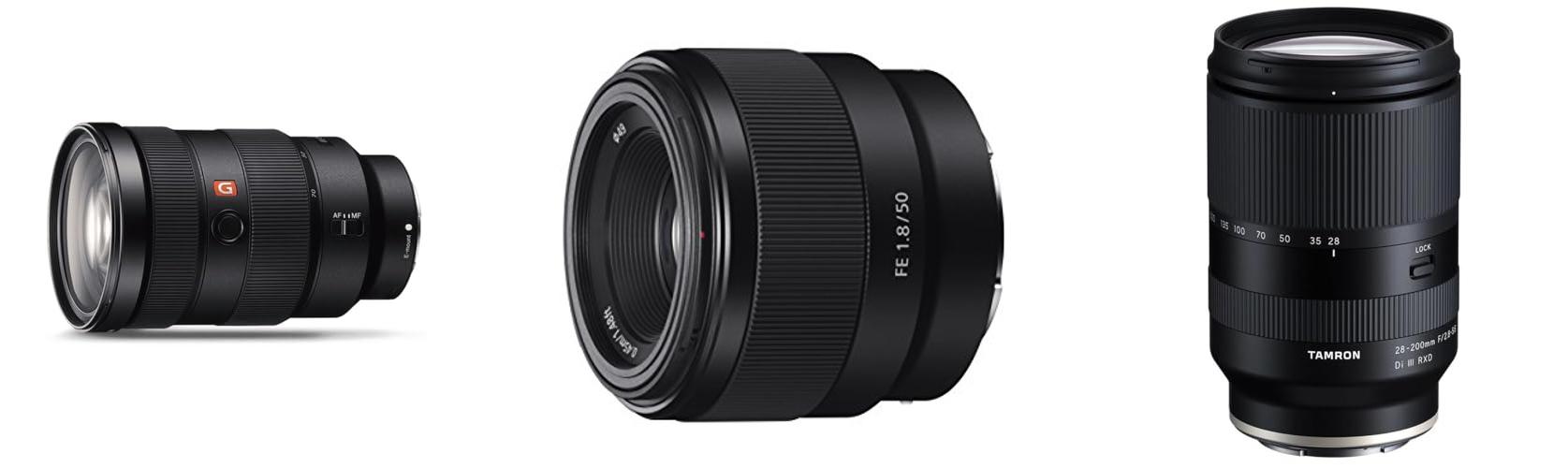
Our Top 5 Sony Full Frame Lenses Recommendations at a Glance
Top 5 Sony Full Frame Lenses Detailed Reviews
1. Sony SEL2470GM E-Mount Camera Lens: FE 24-70 mm F2.8 G Master Full Frame Standard Zoom Lens Black

Rating: 9.2/10
The Sony SEL2470GM E-Mount Camera Lens is a top-notch lens for photographers who want amazing pictures. It’s a standard zoom lens, meaning it can zoom from 24mm to 70mm. This makes it super versatile for many kinds of shots, from wide landscapes to close-up portraits. Its F2.8 aperture lets in lots of light, so you can take great photos even when it’s not very bright. This lens is part of Sony’s G Master series, which means it’s built with the best quality for stunning image results.
What We Like:
- It delivers incredibly sharp images with amazing detail and color.
- The lens has special glass elements that reduce blurry edges and unwanted colors.
- You can easily switch between auto and manual focus.
- The bokeh, or background blur, is really smooth and pleasing.
- The Nano AR Coating helps make your photos clearer and more vibrant.
- It’s built for Sony E-mount cameras, giving you great compatibility.
What Could Be Improved:
- It does not have built-in image stabilization, so you’ll need a camera with stabilization.
- It is a professional-grade lens, which can mean a higher price point.
This Sony lens is an excellent tool for serious photographers. It helps you capture beautiful, lifelike images with ease.
2. Sony – FE 50mm F1.8 Standard Lens (SEL50F18F/2)

Rating: 9.4/10
The Sony FE 50mm F1.8 Standard Lens, also known as the SEL50F18F/2, is a fantastic lens for anyone with a full-frame E-mount camera. It’s like a prime eye that sees the world with amazing clarity and artistic flair. This lens is designed to help you take your photography to the next level, especially when you want to make your subjects stand out from their backgrounds.
What We Like:
- It has a big F1.8 aperture. This lets in a lot of light and creates beautiful blurry backgrounds. Your main subject will really pop!
- The 7-blade circular aperture makes your blurry spots look super smooth and pleasing. This is called bokeh, and this lens does it really well.
- It’s small and light. You can carry it around easily all day without feeling weighed down.
- The lens has a special aspherical element. This helps fix weird shapes in your photos, so everything looks sharp and clear.
- Its design prevents the edges of your photo from looking bent or stretched. Your straight lines will stay straight.
What Could Be Improved:
- Autofocus can sometimes be a little slow in low light.
- The lens barrel is mostly made of plastic, which might not feel as premium as some other lenses.
This lens is a wonderful tool for capturing stunning images with ease. It’s a great choice for both beginners and experienced photographers looking for a versatile and affordable prime lens.
3. Tamron 28-200 F/2.8-5.6 Di III RXD for Sony Mirrorless Full Frame/APS-C E-Mount

Rating: 8.6/10
Get ready for adventure with the Tamron 28-200 F/2.8-5.6 Di III RXD, the first all-in-one zoom lens of its kind for Sony full-frame mirrorless cameras. This lens packs a punch, offering a wide aperture of F2.8 at its widest setting, which is fantastic for low light and creating blurry backgrounds. It’s designed for both full-frame and APS-C E-mount Sony cameras, making it super versatile. Plus, its sleek black finish looks great on any camera.
What We Like:
- It’s the world’s first F2.8 all-in-one zoom lens for full-frame mirrorless cameras, which is pretty amazing.
- The lens is super light at only 20.3 oz. and compact at 4.6 inches, making it easy to carry around all day.
- You can get really close to your subject, both at the wide end (7.5 inches) and the telephoto end (31.5 inches), for awesome close-up shots.
- The RXD stepping motor is really quiet, so it won’t disturb your shooting, especially when you’re recording video.
What Could Be Improved:
- While it’s a great all-around lens, the aperture changes from F2.8 to F5.6 as you zoom, which might not be ideal for every single situation where you need a constant bright aperture.
- For extreme close-ups, the maximum magnification isn’t as high as dedicated macro lenses.
This Tamron lens truly simplifies your gear. It’s an excellent choice for photographers who want to travel light and capture a wide range of scenes without changing lenses.
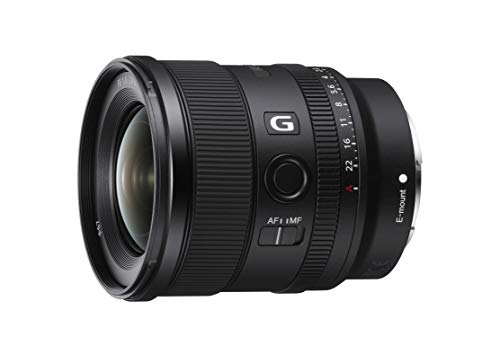
4. Sony FE 20mm F1.8 G Full-Frame Large-Aperture Ultra-Wide Prime Angle G Lens
Rating: 8.5/10
The Sony FE 20mm F1.8 G lens is a fantastic choice for photographers who love wide-angle shots. It’s a “G Lens,” which means it’s a high-quality lens from Sony. This lens is great for capturing big scenes. It’s also very light and small, making it easy to carry around. You can use it on both full-frame and APS-C cameras.
What We Like:
- It takes super sharp pictures, even when you’re shooting with the widest aperture (F1.8).
- The F1.8 aperture lets in a lot of light, which is great for dark places. It also makes backgrounds look nicely blurred.
- It’s very compact and lightweight. This makes it easy to hold and travel with.
- It works well on both full-frame and APS-C cameras.
- It has special lens elements that make your photos look natural and clear.
- The autofocus is fast and accurate thanks to two special motors.
What Could Be Improved:
- While the lens is great for wide-angle, some photographers might want an even wider option for extreme landscapes.
- For some, the price might be a bit high, but the quality justifies it.
This lens lets you capture stunning wide-angle views with amazing detail and clarity. It’s a powerful tool for any photographer looking to expand their creative possibilities.
5. Sony – FE 24-105mm F4 G OSS Standard Zoom Lens (SEL24105G/2)

Rating: 9.2/10
The Sony FE 24-105mm F4 G OSS Standard Zoom Lens (SEL24105G/2) in black is a versatile lens for your Sony camera. It covers a wide range of shots, from wide landscapes to close-up portraits. This lens is designed for 35mm full-frame cameras, making it a great choice for professional and serious hobbyist photographers.
What We Like:
- The G-lens design uses special glass elements to make your pictures sharp and clear, even at the edges.
- It has a constant F4 aperture, which means your photos will have the same brightness and background blur no matter how much you zoom.
- The 9-blade aperture creates beautiful, soft backgrounds that make your subject stand out.
- You can get really close to your subject, with a minimum focusing distance of just 1.25 feet, which opens up many creative possibilities.
- Sony’s fast and quiet focusing system helps you capture sharp images quickly, even when your subject is moving.
What Could Be Improved:
- While it’s a great all-around lens, some photographers might want an even wider aperture for extremely low light situations or super creamy bokeh.
- The zoom range, while versatile, might not be enough for extreme telephoto needs.
This lens is a fantastic all-around performer that can handle many different shooting situations. It’s a solid investment for anyone looking to expand their photographic capabilities.
Sony Full-Frame Lenses: Your Guide to Amazing Photos
So, you’ve got a Sony full-frame camera and you’re ready to take your pictures to the next level. That means you need the right lenses! Sony full-frame lenses are like the eyes of your camera. They capture all the light and detail, making your photos look incredible. This guide will help you pick the perfect ones.
Why Choose Sony Full-Frame Lenses?
Full-frame lenses are designed for full-frame cameras. These cameras have a larger sensor, which means they capture more light and produce sharper, more detailed images. Full-frame lenses work perfectly with these cameras, giving you the best possible results.
Key Features to Look For
1. Focal Length
Focal length tells you how much of a scene the lens can capture and how zoomed in it is. It’s measured in millimeters (mm).
- Wide-angle lenses (e.g., 24mm, 35mm): These lenses capture a lot of the scene. They are great for landscapes, architecture, and group photos.
- Standard lenses (e.g., 50mm): These lenses have a field of view similar to the human eye. They are very versatile and good for portraits and everyday shots.
- Telephoto lenses (e.g., 85mm, 200mm): These lenses zoom in a lot. They are perfect for wildlife, sports, and getting close-up shots of distant subjects.
2. Aperture (f-stop)
Aperture controls how much light enters the lens and how much of the image is in focus (depth of field). A smaller f-number (like f/1.8 or f/2.8) means a wider aperture.
- Wide apertures (small f-numbers): Let in more light, which is great for low-light situations. They also create a blurry background (bokeh), making your subject stand out.
- Narrow apertures (large f-numbers): Let in less light but keep more of the scene in focus. They are useful for landscapes where you want everything sharp.
3. Image Stabilization (OSS – Optical SteadyShot)
Image stabilization helps reduce blur from camera shake. This is especially helpful when shooting in low light or with telephoto lenses.
4. Autofocus Motor (e.g., SSM – Super Sonicwave Motor, SAM – Smooth Autofocus Motor)
A good autofocus motor makes the lens focus quickly and quietly. This is important for capturing fast-moving subjects or for shooting video.
Important Materials and Build Quality
Sony lenses are built to last. Many use high-quality plastics and metal for the lens barrel. Look for lenses with weather sealing if you plan to shoot in rain or dusty conditions. The lens elements themselves are made of special glass that helps reduce distortions and improve image clarity.
Factors That Improve or Reduce Quality
Improving Quality:
- Lens Coatings: Special coatings on the glass elements reduce reflections and glare, leading to sharper images with better contrast.
- Aspherical and ED (Extra-low Dispersion) Elements: These special glass elements help correct optical errors, resulting in sharper images with less color fringing.
- Prime Lenses: These lenses have a fixed focal length (no zoom). They are often sharper and have wider apertures than zoom lenses.
Reducing Quality:
- Lens Flare: Bright lights can cause unwanted streaks or haziness in your photos if the lens doesn’t handle them well.
- Aberrations: These are optical errors like chromatic aberration (color fringing) that can make images look less sharp.
- Poor Build Quality: A lens that feels flimsy or has slow autofocus might not perform as well.
User Experience and Use Cases
Sony full-frame lenses are designed to be user-friendly. They attach easily to your camera and offer intuitive controls. The experience you have depends on the lens you choose:
- For Portraits: An 85mm f/1.8 lens is a popular choice. It creates beautiful blurry backgrounds and makes your subject pop.
- For Landscapes: A wide-angle lens like a 24mm or 35mm f/2.8 is fantastic. It captures sweeping vistas with incredible detail.
- For Travel: A versatile zoom lens, like a 24-70mm f/4, can handle many situations without needing to change lenses often.
- For Sports/Wildlife: A telephoto zoom lens, such as a 70-200mm f/2.8, gets you close to the action.
FAQs About Sony Full-Frame Lenses
Q: What is the difference between a prime lens and a zoom lens?
A: A prime lens has one fixed focal length, like 50mm. A zoom lens lets you change focal lengths, like 24-70mm.
Q: Do I need a lens with image stabilization?
A: It’s very helpful, especially if you shoot in low light or use long lenses. It helps prevent blurry photos.
Q: What does “f/1.8” mean on a lens?
A: It refers to the aperture. A smaller number like f/1.8 means the lens can open wider, letting in more light and creating a blurry background.
Q: Are Sony full-frame lenses expensive?
A: They can be, but there are options at different price points. You can find great lenses for various budgets.
Q: Can I use a full-frame lens on a crop-sensor Sony camera?
A: Yes, you can. However, the field of view will be narrower, like using a longer lens.
Q: What is the best all-around Sony full-frame lens?
A: Many photographers love the Sony FE 50mm f/1.8 for its affordability and versatility, or a zoom like the Sony FE 24-70mm f/2.8 GM for its professional quality.
Q: How do I clean my Sony full-frame lens?
A: Use a lens brush to remove dust, then a microfiber cloth with a lens cleaning solution. Be gentle!
Q: What is “bokeh”?
A: Bokeh is the aesthetic quality of the blur in the out-of-focus parts of an image. Lenses with wide apertures create more noticeable bokeh.
Q: Should I buy a kit lens or a separate lens?
A: Kit lenses are good for starting out, but separate lenses often offer better image quality and more features.
Q: How do I choose between a G Master, G, or standard Sony lens?
A: G Master lenses are Sony’s top-tier, offering the best image quality and features. G lenses are also high-performance, and standard lenses are excellent for everyday use.
In conclusion, every product has unique features and benefits. We hope this review helps you decide if it meets your needs. An informed choice ensures the best experience.
If you have any questions or feedback, please share them in the comments. Your input helps everyone. Thank you for reading.