
Can you cut tile with a tile saw? Yes, you can cut tile with a tile saw, and it’s the best tool for achieving clean, precise cuts on various tile materials. This guide will walk you through everything you need to know to get started with tile cutting using your new saw.
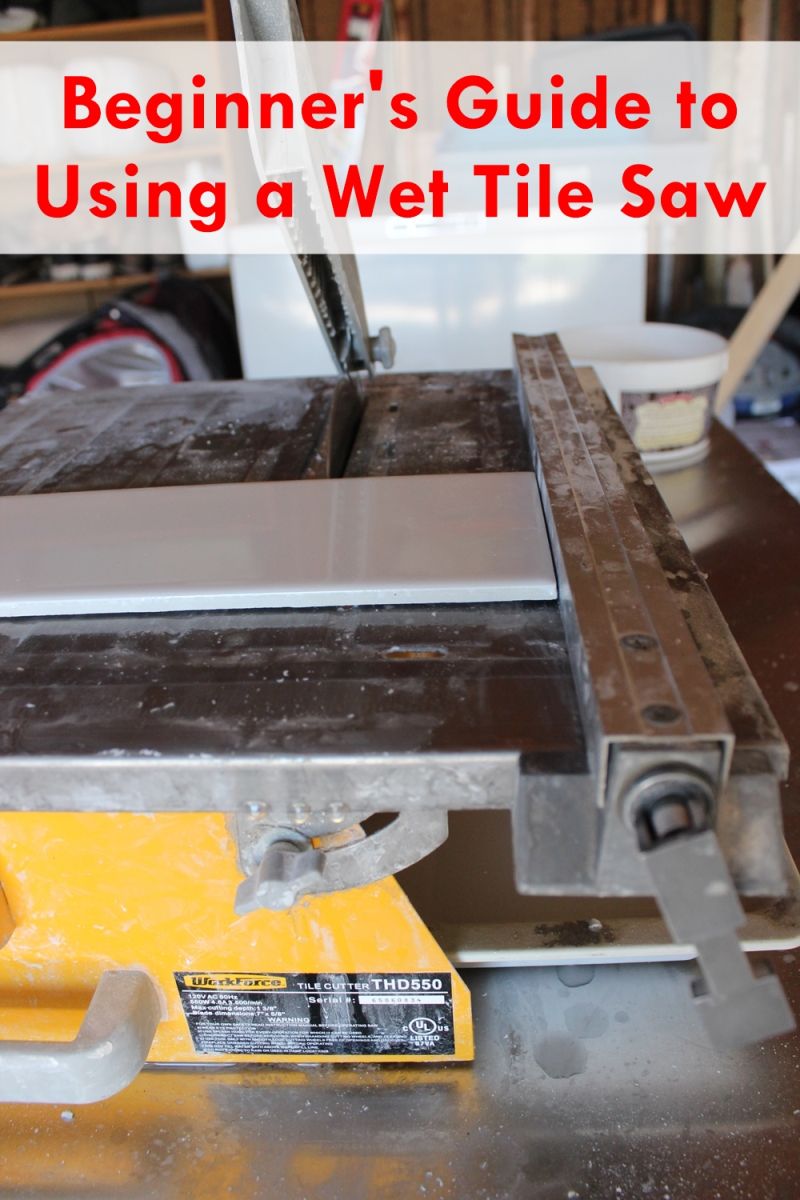
Image Source: cdn.homedit.com
Preparing Your Workspace and Tile Saw Setup
Getting your tile saw setup correctly is the first step to safe and effective tile cutting. A well-prepared workspace and a properly assembled saw will make your project smoother and safer.
Choosing the Right Location
- Ventilation: Tile saws, especially wet saws, create dust and water spray. Choose a location with good airflow, preferably outdoors or in a well-ventilated garage.
- Power Source: Ensure a grounded electrical outlet is nearby.
- Stability: Place the saw on a sturdy, level surface. A workbench or dedicated stand is ideal. Avoid wobbly tables.
- Water Source: If you’re using a wet saw, you’ll need access to a water source to fill the reservoir.
- Drainage: Have a plan for water disposal. You’ll be emptying the reservoir after use.
Assembling Your Tile Saw
Most tile saws come partially assembled, but there are a few key steps to ensure it’s ready to go. Always refer to your saw’s specific instruction manual.
Installing the Blade
The diamond blade is the heart of your tile saw. It’s designed to cut through hard materials like ceramic, porcelain, and stone.
- Safety First: Always unplug the saw before touching the blade.
- Blade Type: Ensure you have the correct diamond blade for the type of tile you are cutting. Different blades are designed for specific materials. For general-purpose cutting, a continuous rim blade is excellent for smooth finishes, while a turbo blade can handle tougher materials.
- Blade Direction: Most blades have an arrow indicating the direction of rotation. Ensure this arrow points in the direction of the saw’s motor rotation (usually towards the front of the saw where the blade exits the housing).
- Mounting the Blade:
- Loosen the blade arbor nut (the large nut holding the blade in place) using the provided wrench or a socket wrench.
- Remove the old blade (if applicable) and any washers.
- Place the new diamond blade onto the arbor, ensuring it sits flush against the flange.
- Replace the washers and tighten the arbor nut securely. Don’t overtighten, but ensure it’s snug.
Filling the Water Reservoir
For wet saws, the water reservoir is crucial for cooling the blade and reducing dust.
- Locate Reservoir: Find the water reservoir, usually located at the base of the saw.
- Add Water: Fill the reservoir with clean water. Some users add a small amount of dish soap to help reduce water tension and improve cooling, but check your manual.
- Check Pump: Ensure the water pump is submerged and working correctly.
Checking Blade Depth Adjustment
Proper blade depth adjustment is vital for clean cuts and preventing damage to your tile or the saw.
- Locate Adjustment Mechanism: Most saws have a knob or lever to raise and lower the motor and blade assembly.
- Initial Setting: With the saw unplugged, lower the blade until it just touches the surface where you would place your tile.
- Setting for Cuts: For most cuts, you want the blade to be set so that only about 1/8 inch to 1/4 inch of the blade is exposed below the cutting surface. This allows the blade to cut through the tile without digging too deep into the table or damaging the underside of the tile.
- Test: Before cutting your actual tile, consider making a test cut on a scrap piece of material to verify the blade depth is correct.
Mastering Tile Cutting Techniques
Once your saw is set up, it’s time to learn the different tile cutting techniques. Each technique is suited for different types of cuts and tile shapes.
Making a Straight Cut
A straight cut is the most common type of cut and is used to trim tiles to size or create straight edges.
- Position the Tile: Place the tile on the saw’s cutting table, ensuring it’s flat and stable.
- Align with Blade: Line up the desired cut line with the diamond blade. Many saws have a laser guide or a fence to help with accurate alignment.
- Begin the Cut:
- Turn on the saw and allow the blade to reach full speed.
- Slowly and steadily guide the tile into the spinning blade. Use a consistent, moderate pressure. Don’t force the tile.
- Let the blade do the work.
- Complete the Cut: Continue guiding the tile until it passes completely through the blade.
- Turn Off Saw: Turn off the saw and wait for the blade to stop spinning completely before removing the cut tile.
Executing a Miter Cut
A miter cut is an angled cut, typically used for creating beveled edges or for corner joints in tiling projects.
- Adjust the Table/Fence: Many tile saws have a tilting table or an adjustable fence that allows you to set the angle of the cut. Consult your manual for specific instructions on how to adjust this feature.
- Set the Angle: Set the table or fence to your desired angle (e.g., 45 degrees).
- Secure the Tile: Place the tile on the table and against the fence at the designated angle. Ensure it’s stable.
- Make the Cut: Follow the same procedure as a straight cut, guiding the tile into the blade at the set angle.
Performing a Plunging Cut
A plunging cut is used to create openings or cutouts within a tile, such as for electrical outlets or plumbing fixtures.
- Mark the Cut: Clearly mark the area on the tile where you want to make the plunging cut.
- Position the Tile: Place the tile on the saw’s cutting table, aligning the starting point of your plunge with the blade.
- Lower the Blade:
- With the saw running and the blade at full speed, slowly lower the blade assembly using the depth adjustment until it penetrates the tile at your marked starting point.
- Hold the blade steady for a moment to ensure a clean entry.
- Move the Tile: Once the blade is engaged, move the tile slowly and steadily through the saw’s cutting path to complete the cutout.
- Lift the Blade: After the cut is complete, lift the blade assembly back up before turning off the saw.
Cutting Curves and Shapes
While tile saws are primarily for straight and angled cuts, some techniques can achieve basic curves.
- Jigsawing with a Tile Saw: For more intricate curves, you might need a different tool. However, for simple curves, you can carefully guide the tile with slow, controlled movements, following your marked line. This requires practice and a steady hand.
- Notch Cuts: These are small, straight cuts made at an angle to remove a corner or create a notch. You can achieve these by positioning the tile at an angle to the blade and making a short, straight cut.
Tile Saw Safety Precautions
Tile saw safety is paramount. These machines are powerful, and proper precautions will prevent injuries.
Personal Protective Equipment (PPE)
- Safety Glasses: Always wear a pair of ANSI-approved safety glasses or goggles to protect your eyes from water spray, debris, and tile shards.
- Hearing Protection: Tile saws can be noisy. Use earplugs or earmuffs to protect your hearing.
- Gloves: Wear waterproof gloves to protect your hands from water and improve your grip on the tile.
- Closed-Toe Shoes: Protect your feet from falling objects or water.
Operational Safety
- Read the Manual: Before operating your saw, thoroughly read and comprehend the manufacturer’s manual.
- Unplug When Not in Use: Always unplug the saw when making adjustments, changing blades, or when it’s not actively in use.
- Keep Guards in Place: Never remove or bypass safety guards. They are there to protect you.
- Never Force the Cut: Let the diamond blade do the work. Forcing the tile can cause kickback, blade damage, or uneven cuts.
- Stay Focused: Avoid distractions while operating the saw. Maintain full attention on the cutting process.
- Clear the Area: Keep your workspace clean and free of clutter. Ensure no one walks behind you while you’re cutting.
- Water Management: Regularly check the water level in the reservoir and ensure the pump is working to keep the blade cool and minimize dust.
Blade Depth Adjustment: Precision in Every Cut
The blade depth adjustment is a critical feature for achieving clean and efficient tile cutting. Setting the correct depth ensures the blade cuts through the material without excessive wear on the blade or damage to the saw’s components.
How to Adjust Blade Depth
- Power Off and Unplug: Always ensure the saw is turned off and unplugged before making any adjustments to the blade depth.
- Locate Adjustment Mechanism: Familiarize yourself with the adjustment lever or knob on your specific saw model. This is usually connected to the motor housing that moves the blade up and down.
- Lower Blade to Surface: Gently lower the blade assembly until the diamond blade just touches the cutting surface of the saw table.
- Set the Exposure: Raise the blade so that approximately 1/8 to 1/4 inch of the blade is visible below the cutting surface. This slight exposure allows the blade to cut effectively through the tile’s thickness without deep contact with the saw table or creating unnecessary drag.
- Lock in Place: Ensure the adjustment mechanism is locked or secured in its position to prevent it from moving during operation.
Why Correct Blade Depth Matters
- Clean Cuts: Proper depth prevents chipping on the underside of the tile, resulting in a cleaner finish.
- Blade Longevity: Over-exposing the blade can lead to premature wear and tear. Too little exposure means it won’t cut through the tile.
- Saw Performance: Correct depth ensures the blade spins efficiently, reducing strain on the motor.
- Safety: A blade that’s too low can catch on the table, causing kickback.
Tile Saw Maintenance: Keeping Your Tool in Top Shape
Regular tile saw maintenance is essential for extending the life of your saw and ensuring consistent performance.
After Each Use
- Clean the Reservoir: Drain and clean the water reservoir. Remove any sludge or debris that has accumulated. Rinse it thoroughly.
- Clean the Saw: Wipe down the saw, including the table, motor housing, and any other surfaces that may have water or debris on them.
- Check the Blade: Inspect the diamond blade for any signs of damage, wear, or clogging. Clean it if necessary.
- Inspect Water Pump: Ensure the water pump is free of debris and functioning correctly.
Regular Maintenance
- Lubrication: Check your manual for any lubrication points on the saw’s moving parts (e.g., the blade depth adjustment mechanism). Apply lubricant as recommended.
- Blade Arbor: Periodically check the blade arbor for tightness and cleanliness.
- Electrical Connections: Inspect the power cord and plug for any damage.
- Bearing Check: Listen for any unusual noises from the motor or bearings during operation. If you hear grinding or squealing, it might indicate a bearing issue.
Blade Care
- Keep it Clean: A clean diamond blade cuts more efficiently. Rinse it with water after use.
- Avoid Grinding Metal: Never use your tile saw for cutting metal. This will damage the diamond blade.
- Proper Storage: Store blades flat in a dry place to prevent rust or damage.
Frequently Asked Questions (FAQ)
What is the best type of blade for cutting ceramic tile?
For ceramic tile, a continuous rim diamond blade is generally recommended. It provides smooth, clean cuts with minimal chipping.
Can I cut porcelain tile with a standard tile saw?
Yes, but it’s important to use a diamond blade specifically designed for porcelain. Porcelain is much harder than ceramic, and a regular blade may wear out quickly or struggle to make the cut.
How often should I change the water in my tile saw?
It’s a good practice to change the water at least every few hours of continuous use, or more often if you notice the water becoming very murky or the blade overheating.
My tile saw is making a lot of noise. What could be the problem?
Excessive noise can be due to a few things:
- Worn Blade: An old or damaged diamond blade can be noisy.
- Loose Parts: Check if any bolts or nuts on the saw are loose.
- Motor Bearings: Worn bearings in the motor can cause grinding or squealing sounds. This might require professional service.
- Blade Not Seated Properly: Ensure the blade is correctly mounted and tightened on the arbor.
How deep should the blade cut into the tile?
For most cuts, you want about 1/8 to 1/4 inch of the diamond blade exposed below the cutting surface. This allows for efficient cutting without excessive blade contact with the saw table.
By following this comprehensive guide, beginners can confidently approach tile cutting with a tile saw, ensuring safe operation and beautiful results for their projects. Remember to always prioritize safety and refer to your saw’s manual for specific instructions.