
Can you cut intricate designs with a scroll saw? Yes, you can cut intricate designs with a scroll saw, making it a fantastic tool for detailed woodworking. This guide will teach you everything a beginner needs to know to get started with this versatile machine. From choosing the right scroll saw blades to mastering basic scroll saw techniques, we’ll cover it all.
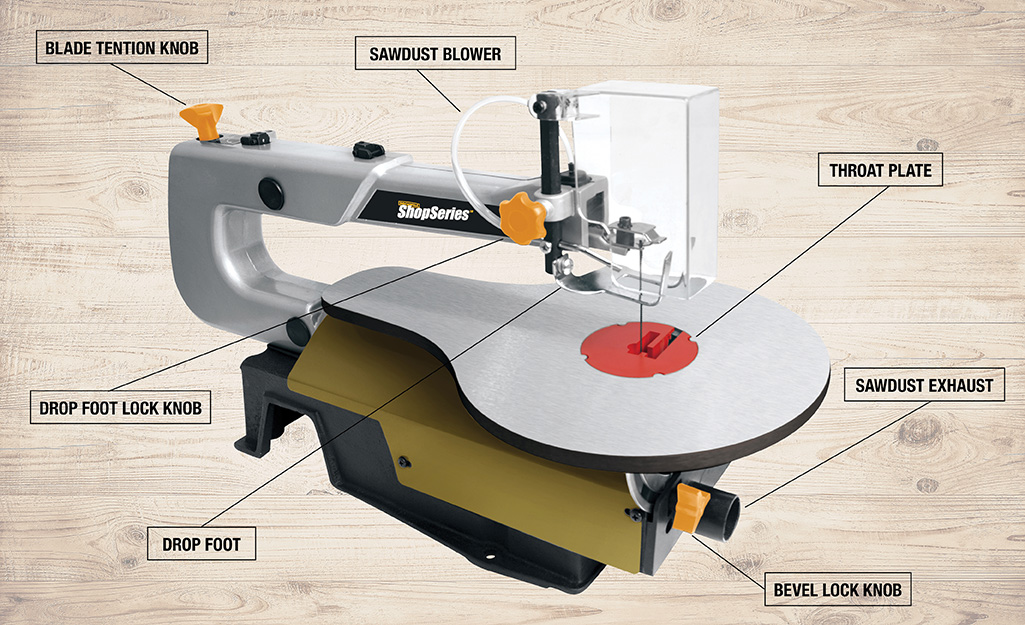
Image Source: contentgrid.homedepot-static.com
What is a Scroll Saw?
A scroll saw is a powered saw that uses a thin, reciprocating blade to cut intricate shapes and curves in various materials, most commonly wood. Unlike jigsaw blades, scroll saw blades move up and down only, allowing for precise control and very fine cuts. This makes it ideal for detailed artwork, intricate joinery, and delicate projects.
Getting Started: Your First Scroll Saw
When you’re starting out, you don’t need the most expensive model. Many affordable options are perfect for beginners. Look for a saw with a stable base, variable speed control, and a good dust collection port.
Key Features to Look For:
- Table Size: A larger table provides more support for your workpiece.
- Throat Depth: This is the distance from the blade to the back of the saw’s arm. A deeper throat allows you to cut larger pieces.
- Variable Speed Control: This is crucial for cutting different materials and achieving precise results.
- Dust Blower/Collection: Keeping your cutting line clear is essential.
Safety First: Scroll Saw Safety Essentials
Scroll saw safety is paramount. Always wear safety glasses to protect your eyes from flying debris. Keep your fingers away from the blade at all times. Never force the material through the blade; let the saw do the work.
Essential Safety Practices:
- Eye Protection: Always wear safety glasses or a face shield.
- No Loose Clothing or Jewelry: These can get caught in the moving parts of the saw.
- Keep Hands Clear: Maintain a safe distance between your fingers and the blade.
- Stable Workpiece: Ensure your material is held firmly against the table.
- Proper Ventilation: Use a dust collection system or wear a dust mask.
- Read the Manual: Familiarize yourself with your specific scroll saw’s operation and safety features.
Mastering the Basics: Scroll Saw Blades
Choosing the correct scroll saw blades is vital for clean cuts and blade longevity. Blades come in various sizes, tooth counts, and types, each suited for different materials and cutting tasks.
Blade Types and Uses:
| Blade Type | Description | Best For |
|---|---|---|
| Plain-End Blades | These blades do not have pins and require special holders. They are less common for general scroll saw use. | Some specialized scroll saws; offer a wider variety of blade choices. |
| Pin-End Blades | These blades have small pins at each end that fit into the saw’s chucks. Easy to install. | General scrolling, tight curves, and detail work in thin wood. |
| Reverse-Tooth Blades | These blades have teeth that point upwards on one side and downwards on the other. | Reduces tear-out on the bottom of the workpiece, especially for veneers. |
| Skip-Tooth Blades | These blades have wider gaps between teeth, with a tooth missing in between. | Faster cutting in thicker woods; less prone to clogging. |
| Coping Saw Blades | Narrower blades with finer teeth, designed for very intricate cuts. | Extremely detailed work, tight scroll patterns. |
| Metal-Cutting Blades | Made from hardened steel with fine teeth. | Cutting thin metal sheets, brass, aluminum. |
Blade Selection Tips:
- Tooth Count (TPI – Teeth Per Inch):
- High TPI (14-25): For thin materials and fine finishes.
- Low TPI (7-12): For thicker materials and faster cuts.
- Blade Width:
- Narrow blades: For tight curves and intricate details.
- Wider blades: For straighter cuts and less intricate shapes.
- Material: Always use blades designed for the material you are cutting (wood, plastic, metal).
Attaching and Tensioning Scroll Saw Blades
Properly attaching and tensioning your scroll saw blades is essential for clean cuts and to prevent blade breakage.
Attaching a Blade:
- Turn Off the Saw: Ensure the power is off and the blade is stationary.
- Loosen Blade Clamps: Use the provided tool or your hands to loosen the upper and lower blade clamps.
- Insert Blade: Place the pin of the blade into the upper and lower chucks, ensuring the teeth are pointing downwards.
- Tighten Blade Clamps: Securely tighten the clamps onto the blade pins.
- Tension the Blade: Raise the saw’s arm to tension the blade. A properly tensioned blade will make a “ping” sound when plucked, similar to a guitar string. It should be taut but not so tight that it will easily break. Over-tensioning is a common cause of blade breakage.
Basic Scroll Saw Techniques
Mastering a few fundamental scroll saw techniques will dramatically improve your results and enjoyment.
Holding the Workpiece:
- Always keep your hands on the workpiece, guiding it smoothly through the blade.
- Maintain contact with the saw table for stability.
- Keep fingers away from the blade’s path.
Guiding the Material:
- Let the blade do the cutting. Don’t push or force the wood.
- Turn the workpiece to follow the cut line. The blade should do all the cutting work.
- For curves, gently pivot the workpiece. For tight circles, you might need to make small relief cuts to help guide the blade.
Making Straight Cuts:
While scroll saws excel at curves, they can make straight cuts too.
- Use a Miter Gauge or Rip Fence: If your saw has these scroll saw accessories, they are invaluable for straight cuts.
- Steady Hand: If you don’t have guides, practice keeping the workpiece steady and moving it smoothly along the desired line.
Cutting Intricate Patterns:
This is where the scroll saw truly shines.
- Follow the Line: Carefully guide the workpiece, letting the blade follow your drawn scroll saw patterns.
- Relief Cuts: For very tight inside corners, you might need to drill a small hole and thread the blade through it to start the cut. For complex interiors, you can cut partway, then back out slightly to reposition.
- Backing Out: If you need to back out of a cut, do so slowly and carefully to avoid bending or breaking the blade.
Scroll Saw Patterns and Projects
The possibilities are endless when it comes to scroll saw projects. From decorative wall hangings and intricate puzzles to wooden toys and unique gifts, your imagination is the only limit.
Popular Scroll Saw Projects:
- Intricate Puzzles: Create custom jigsaw puzzles from wood.
- Wooden Silhouettes: Cut out detailed figures and animals.
- Ornate Inlays: Add decorative wood elements to furniture or boxes.
- Lacy Trivets and Coasters: Functional yet beautiful decorative items.
- Christmas Ornaments: Perfect for seasonal crafting.
- Name Signs: Personalized gifts or home decor.
Finding Scroll Saw Patterns:
- Online Retailers: Many websites sell downloadable scroll saw patterns.
- Woodworking Magazines: Often feature patterns for various skill levels.
- Books: Numerous books are dedicated to scroll saw projects and patterns.
- Create Your Own: With practice, you can design your own unique patterns.
Essential Scroll Saw Accessories
Enhance your scroll saw experience and capabilities with useful scroll saw accessories.
Top Scroll Saw Accessories:
- Dust Collection System: Connect a shop vacuum to your saw’s dust port for a cleaner workspace and better visibility. Effective scroll saw dust collection is crucial.
- Foot Switch: Allows you to turn the saw on and off with your foot, keeping your hands free to guide the workpiece.
- Magnifying Lamp: Helps with detailed work by illuminating the cutting line.
- Miter Gauge/Rip Fence: Aids in making accurate straight cuts.
- Hold-Down Feet: These apply downward pressure to the workpiece, preventing it from lifting with the blade.
- Blade Storage Case: Keeps your various scroll saw blades organized and protected.
Scroll Saw Speed Control
Scroll saw speed control is a fundamental aspect of achieving clean cuts and preventing damage to both your workpiece and the blade. Most modern scroll saws offer variable speed settings.
How to Use Speed Control:
- Softwoods (Pine, Poplar): Generally require higher speeds.
- Hardwoods (Oak, Maple): Benefit from slightly slower speeds to prevent burning and blade wear.
- Thin Materials: Lower speeds offer better control and reduce the risk of tear-out.
- Thick Materials: Higher speeds can improve cutting efficiency, but always monitor for burning.
- Plastics and Metals: Require much slower speeds to prevent melting or excessive heat buildup.
- Delicate Cuts: Slower speeds give you more control for intricate patterns.
Adjusting Speed:
Most saws have a dial or button to adjust the speed. Experiment with different settings to find what works best for your material and desired cut. The goal is a smooth cutting action without excessive vibration or burning.
Scroll Saw Maintenance
Proper scroll saw maintenance ensures your saw operates efficiently and safely for years to come.
Regular Maintenance Tasks:
- Blade Tension: Check and adjust blade tension before each use.
- Clean the Saw: Keep the table and surrounding areas free of sawdust. Use compressed air or a brush.
- Lubrication: Lubricate moving parts as recommended by the manufacturer (refer to your manual).
- Blade Guard: Ensure the blade guard is in place and functioning correctly.
- Blade Clamps: Check for wear and ensure they grip the blades securely.
- Dust Collection Port: Keep the dust port clear to maximize the effectiveness of your scroll saw dust collection.
Scroll Saw Troubleshooting
Even with good maintenance, you might encounter issues. Here are some common scroll saw troubleshooting tips.
Common Problems and Solutions:
| Problem | Cause | Solution |
|---|---|---|
| Blade Breaks Frequently | Over-tensioning, forcing material, wrong blade. | Reduce blade tension, use lighter pressure, check blade type for material, ensure blade is properly aligned. |
| Burning Wood | Too slow a speed, dull blade, forcing material. | Increase speed, use a sharper blade, use less pressure, use a faster-cutting blade if appropriate. |
| Rough Cuts/Tear-out | Dull blade, wrong blade type, too fast a speed. | Use a sharper blade, try a reverse-tooth blade for the bottom surface, slow down the speed, use a finer-tooth blade. |
| Blade Drifts Off Cut Line | Blade not tensioned correctly, dull blade, wrong blade. | Re-tension the blade, sharpen or replace the blade, ensure you are using the correct blade for the material. |
| Excessive Vibration | Saw not on a stable surface, loose parts. | Ensure saw is on a sturdy workbench, check for loose mounting bolts or internal components. |
| Dust Accumulation | Ineffective dust collection. | Ensure dust collection port is clear, check vacuum hose for blockages, consider upgrading dust collection system. |
Beyond the Basics: Advanced Techniques
Once you’re comfortable with the fundamentals, you can explore more advanced scroll saw techniques.
Piercing:
Piercing involves cutting internal shapes or designs within a workpiece.
- Drill a Starting Hole: Drill a small hole within the area you want to cut out. The hole should be large enough for your scroll saw blades to pass through.
- Thread the Blade: Loosen the upper blade clamp, thread the blade through the drilled hole, and then re-secure the clamp.
- Cut: Make your cut.
- Remove Blade: Loosen the clamp and remove the blade.
Bevel Cutting:
Some scroll saws allow you to tilt the table for bevel cuts.
- Adjust Table Angle: Use the saw’s mechanism to tilt the table to your desired angle.
- Guide Carefully: Be extra mindful of your grip and hand position when bevel cutting, as the angle change can affect how you hold the workpiece.
Glue and Clamp Techniques:
For larger scroll saw projects or when working with thin veneers, you might need to glue and clamp pieces together before cutting.
- Apply Glue: Apply a thin, even layer of wood glue to the surfaces to be joined.
- Clamp Firmly: Use clamps to hold the pieces tightly together until the glue dries completely.
- Cut: Once dry, cut through the glued assembly.
Choosing the Right Scroll Saw for You
When looking for your first saw, consider your budget and the types of scroll saw projects you plan to undertake.
Entry-Level vs. Professional Models:
- Entry-Level: Typically have smaller motors, less robust construction, and fewer features. Great for hobbyists and occasional use.
- Mid-Range: Offer more power, better build quality, and features like dust collection and often beveling tables. Suitable for serious hobbyists.
- Professional: High-powered motors, heavy-duty construction, advanced features, and precision. For frequent and demanding use.
Frequently Asked Questions (FAQ)
Q1: What is the best scroll saw for a beginner?
A1: For beginners, a good starting point is a saw with variable speed control, a stable base, and a dust port. Brands like DeWalt, Delta, and Skil offer excellent entry-level and mid-range options.
Q2: Can I cut metal with a scroll saw?
A2: Yes, you can cut thin metal sheets with a scroll saw, but you must use specialized metal-cutting scroll saw blades and a much slower speed setting.
Q3: How do I keep my scroll saw clean?
A3: Regularly use a brush or compressed air to remove sawdust from the table, blade area, and dust collection port. Refer to your manual for specific cleaning instructions.
Q4: How often should I change my scroll saw blades?
A4: Blades should be changed when they become dull, bent, or broken. A dull blade will result in rough cuts, burning, and increased effort.
Q5: What is the throat depth on a scroll saw?
A5: The throat depth is the distance from the blade to the back of the saw’s arm. It determines the maximum width of material you can cut. A common throat depth is 16 inches, but larger saws can have 20 inches or more.
Q6: How important is scroll saw speed control?
A6: It’s very important. Scroll saw speed control allows you to adapt the saw’s cutting action to different materials and desired precision levels, preventing burning, blade breakage, and improving cut quality.
Q7: What are the most common scroll saw projects for beginners?
A7: Simple patterns like basic silhouettes, small decorative items, and beginner-friendly puzzles are great starting points for new users.
Conclusion
The scroll saw is a rewarding tool for anyone interested in detailed woodworking. By prioritizing scroll saw safety, selecting the right scroll saw blades, practicing basic scroll saw techniques, and maintaining your equipment, you’ll be well on your way to creating beautiful and intricate scroll saw projects. Don’t be afraid to experiment, learn from each cut, and most importantly, have fun with your scroll saw!