
Can you use a DeWalt hand saw for precise cuts? Yes, a DeWalt hand saw, when used correctly, can deliver clean and accurate cuts for various woodworking tasks. This guide will show you how to get the most out of your DeWalt hand saw.
While many envision power tools when they hear the DeWalt name, their heritage and expertise extend to the realm of quality hand tools as well. A DeWalt hand saw is a testament to this, offering reliability and performance for those who appreciate the tactile feel and control of manual sawing. This article delves deep into how to use a DeWalt hand saw effectively, covering everything from basic operation to advanced techniques and essential maintenance. We’ll explore how it complements other DeWalt tools like the DeWalt circular saw, DeWalt power saw, and even the more specialized DeWalt miter saw or DeWalt table saw, highlighting when a hand saw is the superior choice.
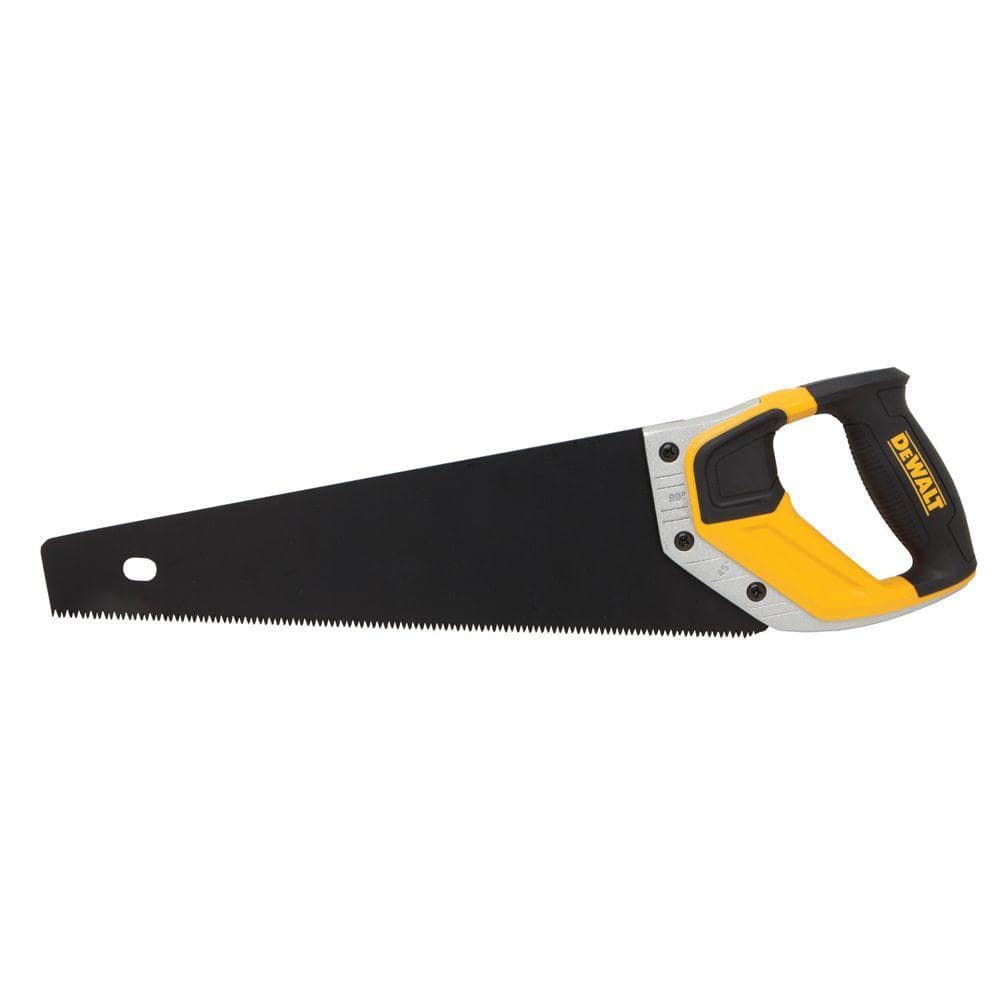
Image Source: images.thdstatic.com
Choosing the Right DeWalt Hand Saw
DeWalt offers a range of hand saws, each designed for specific purposes. The type of project you’re undertaking will dictate the best saw for the job.
Types of DeWalt Hand Saws
- General Purpose Saws: These are your workhorses, suitable for a variety of tasks like cross-cutting and rip-cutting. They typically feature a medium tooth count.
- Tenon Saws/Dovetail Saws: These are smaller, finer-toothed saws ideal for precise joinery, such as cutting tenons for mortise and tenon joints or creating dovetails. They offer excellent control.
- Pruning Saws: Designed for outdoor use, these saws have aggressive teeth for cutting branches and wood in the garden.
- Keyhole Saws: With a narrow, tapering blade, these are perfect for cutting curved lines and internal shapes in panels.
Blade Tooth Count and Type
The DeWalt saw blade is crucial to its performance. The number of teeth per inch (TPI) and the tooth shape determine how the saw cuts.
- High TPI (e.g., 10-12 TPI): These blades cut smoother and are better for fine work and cross-cutting hardwoods. They produce less dust and a cleaner edge.
- Low TPI (e.g., 6-8 TPI): These blades cut faster and are ideal for rougher work and rip-cutting softer woods. They remove material more aggressively.
- Tooth Pattern: Different tooth patterns are optimized for different types of cuts (e.g., aggressive teeth for ripping, chisel-like teeth for cross-cutting).
Preparing for the Cut
Before you even pick up your DeWalt hand saw, proper preparation ensures safety and accuracy.
Setting Up Your Workspace
A clean, well-lit workspace is essential for safe and efficient sawing.
- Stability: Ensure your workpiece is securely clamped to a workbench or sawhorses. The material should not move during the cut.
- Clearance: Make sure you have ample space to maneuver the saw and for the offcut to fall away safely.
- Lighting: Good lighting helps you see your cut line clearly.
Marking Your Cut Line
Precision starts with a clear, accurate cut line.
- Pencil or Marking Knife: Use a sharp pencil or, for maximum accuracy, a marking knife.
- Ruler or Straightedge: Use a reliable measuring tool to draw your line. For critical cuts, scoring the line with a marking knife provides a small groove that guides the saw blade.
- Square: Employ a combination square or try square to ensure your cut line is perpendicular to the edge of the material.
Clamping Your Workpiece
Securely holding your material prevents movement and ensures a clean cut.
- C-Clamps or Bar Clamps: Use clamps to firmly attach your workpiece to a stable surface.
- Positioning: Clamp the wood close to the cut line, but ensure the clamp does not obstruct the path of your DeWalt hand saw.
The Art of Sawing with Your DeWalt Hand Saw
Now, let’s get to the actual sawing. This section breaks down the technique for making effective cuts.
Starting the Cut
Getting the saw started correctly is key to a smooth, straight cut.
- Positioning: Place the saw blade on your marked line, with the teeth just to the waste side of the line. This ensures the cut doesn’t remove material you need.
- Initial Stroke: Use your thumb knuckle as a guide for the blade. Gently pull the saw back a few times to create a small kerf (groove) for the blade to sit in. This prevents the saw from wandering.
- Applying Pressure: Once the kerf is established, begin sawing with light, controlled strokes, applying pressure on the forward stroke.
Maintaining a Straight Cut
Consistency is what makes a hand saw cut straight.
- Rhythm and Pressure: Develop a steady rhythm. Apply consistent, moderate pressure on the forward (cutting) stroke. Avoid forcing the saw.
- Blade Angle: Maintain a consistent angle between the saw blade and the workpiece. For most general-purpose sawing, an angle of around 45-60 degrees is effective.
- Body Position: Stand comfortably, with your weight balanced. Your arm and shoulder should move smoothly, rather than just your wrist. This helps maintain control.
- Following the Line: Keep your eye on the line ahead of the saw. Make small adjustments as needed.
Types of Cuts and Techniques
Different cuts require slightly different approaches.
Cross-Cutting
This involves cutting across the grain of the wood.
- Blade Engagement: Start as described above.
- Stroke: Use smooth, even strokes. The teeth are designed to cut across the wood fibers efficiently.
- Support: As you near the end of the cut, support the offcut to prevent it from tearing the wood fibers on the way through.
Rip-Cutting
This involves cutting along the grain of the wood.
- Blade Engagement: Rip cuts often benefit from a saw with more aggressive, chisel-shaped teeth.
- Stroke: Rip cuts generally require more forceful strokes than cross-cuts. You’ll want to engage more of the blade’s length in each stroke.
- Control: Maintaining control is crucial. If the saw starts to drift, correct it gently by adjusting your angle and pressure.
Curves and Contours
For more intricate shapes, a different approach is needed.
- Keyhole Saw: As mentioned, a DeWalt keyhole saw is ideal for this.
- Gentle Strokes: Use short, controlled strokes.
- Blade Direction: You can pivot the saw slightly to follow the curve, but avoid forcing it against the blade.
- Relief Cuts: For tighter curves or internal cuts, you might need to make multiple relief cuts leading into the curve to ease the removal of waste material.
Enhancing Precision with DeWalt Accessories
While the hand saw itself is capable, certain accessories can elevate your precision.
Using a DeWalt Saw Guide
A DeWalt saw guide can be invaluable for ensuring perfectly straight cuts, especially for longer cuts or when you need absolute accuracy. This accessory acts as a fence or guide that the saw blade follows.
- Setup: Clamp the saw guide firmly to your workpiece, ensuring it’s parallel to your cut line at the correct distance.
- Sawing: Rest the side of your DeWalt hand saw blade against the DeWalt saw guide and proceed with your cut, maintaining contact with the guide throughout.
DeWalt Saw Safety: Essential Precautions
Working with any cutting tool requires a commitment to safety.
Personal Protective Equipment (PPE)
- Safety Glasses: Always wear safety glasses to protect your eyes from flying sawdust and splinters.
- Gloves: Work gloves can improve grip and protect your hands from splinters and minor abrasions.
- Dust Mask: While hand saws produce less dust than power saws, wearing a dust mask is still advisable, especially for prolonged use or when working with certain types of wood.
Safe Sawing Practices
- Secure Workpiece: Never attempt to saw freehand without properly clamping your material.
- Keep Hands Clear: Be mindful of where your hands are in relation to the blade at all times, especially during the start and end of a cut.
- Blade Condition: Ensure your DeWalt saw blade is sharp and free from damage. A dull blade requires more force and increases the risk of slipping.
- Know Your Limits: Don’t try to force the saw. If a cut is proving difficult, reassess your technique, the saw blade, or consider if a power tool like a DeWalt circular saw or DeWalt jigsaw might be more appropriate.
- Awareness of Surroundings: Ensure no one is in the immediate vicinity of your sawing operation.
DeWalt Saw Maintenance: Keeping Your Tool in Top Shape
Proper care ensures your DeWalt hand saw performs optimally and lasts for years.
Cleaning Your Saw
After each use, it’s important to clean your saw.
- Remove Sawdust: Brush off any sawdust or wood debris from the blade and the handle.
- Blade Cleaning: For stubborn resin or sap, you can use a mild solvent like mineral spirits, but ensure you dry the blade thoroughly afterward to prevent rust.
Sharpening Your Blade
A sharp blade is crucial for efficient and safe sawing.
- Sharpening Files: Use a fine-cut sharpening file specifically designed for saw blades.
- Tooth Alignment: Ensure you are filing each tooth at the correct angle and depth. This is a skill that improves with practice. For very precise results or when unsure, consider professional sharpening.
- Frequency: Sharpen when you notice a decrease in cutting performance.
Rust Prevention
Hand saws, especially the blades, can rust if not properly cared for.
- Drying: Always ensure the blade is completely dry after cleaning.
- Light Oil Coating: Apply a very thin coat of light oil (like 3-in-One oil or a specialized saw oil) to the blade. This creates a barrier against moisture.
- Storage: Store your saw in a dry environment. Avoid damp basements or garages if possible.
When to Choose a DeWalt Hand Saw Over Power Tools
While DeWalt is renowned for its power tools, there are distinct advantages to using a hand saw.
Situations Favoring a Hand Saw
- Precision Joinery: For delicate tasks like creating dovetails or tenons, the tactile feedback and control of a hand saw are often superior to even the most advanced DeWalt miter saw or DeWalt table saw.
- Quiet Operation: In noise-sensitive environments or at times when you don’t want to disturb others, a hand saw is the obvious choice.
- No Power Needed: When working off-site or where power is unavailable, your DeWalt hand saw is ready to go.
- Learning Woodworking: For beginners, starting with a hand saw helps develop a feel for the wood and fundamental sawing techniques, which benefits the use of any DeWalt power saw later on.
- Specific Material Types: Some very hard or delicate woods might be better cut with a hand saw to avoid tear-out or damage from the higher speeds of power tools.
- Small, Quick Cuts: For cutting small dowels or making minor adjustments, grabbing a hand saw can be faster than setting up a DeWalt circular saw or other power equipment.
Complementing Your DeWalt Power Tool Arsenal
Your DeWalt hand saw isn’t a replacement for your DeWalt circular saw, DeWalt jigsaw, or DeWalt reciprocating saw; it’s a complement.
- Trimming and Fine-Tuning: After making a rough cut with a power tool, a hand saw can be used for precise trimming.
- Accessing Tight Spots: A hand saw can often reach areas where larger power saws cannot.
Common Issues and Solutions
Even with a quality tool like a DeWalt hand saw, you might encounter problems.
| Issue | Possible Cause | Solution |
|---|---|---|
| Saw wandering | Incorrect starting technique, blade not sharp | Ensure a proper kerf is created, sharpen the blade, maintain consistent pressure and angle. |
| Rough cut | Dull blade, too much force, wrong TPI for material | Sharpen or replace the blade, use a lighter touch, select a DeWalt saw blade with appropriate TPI. |
| Blade binding | Kerf closing, workpiece not supported | Ensure the kerf is wide enough (often by using a slightly angled saw), support the offcut. |
| Tear-out | Dull teeth, cutting against the grain improperly | Sharpen the blade, use a finer-toothed blade for cross-cuts, score the cut line. |
| Slow cutting | Dull blade, wrong blade type for the cut | Sharpen the blade, ensure you are using a rip cut blade for ripping and a cross-cut blade for cross-cutting. |
Frequently Asked Questions (FAQ)
Q1: How do I keep my DeWalt hand saw sharp?
A: You can sharpen your DeWalt hand saw blade using a fine-cut saw file. Ensure you maintain the correct angle for each tooth. Regular sharpening is key to efficient cutting.
Q2: What’s the difference between a cross-cut and a rip cut blade?
A: A cross-cut blade has more teeth that are angled like small knives to slice across wood fibers. A rip cut blade has fewer, more chisel-like teeth designed to efficiently remove wood along the grain.
Q3: Can I use my DeWalt hand saw on metal?
A: No, a standard DeWalt hand saw is designed for wood. Attempting to cut metal will damage the blade and is unsafe. You would need a specialized metal-cutting saw or blade.
Q4: My saw blade feels loose in the handle. What should I do?
A: Check if the handle is properly tightened. If it’s a fixed blade saw, ensure the blade is securely attached. If the issue persists and you can’t fix it, contact DeWalt customer support or a tool repair specialist.
Q5: What is the best way to store my DeWalt hand saw?
A: Store your saw in a dry place. Consider a blade cover or sheath to protect the teeth and prevent accidental cuts. Avoid exposing it to moisture.
Conclusion
Mastering the use of a DeWalt hand saw is a rewarding skill that offers precision, control, and a connection to the craft of woodworking. Whether you are performing intricate joinery or making a quick adjustment, your DeWalt hand saw is a reliable tool. By understanding the different types of saws, practicing proper techniques, prioritizing DeWalt saw safety, and committing to regular DeWalt saw maintenance, you can ensure your hand saw remains an indispensable part of your toolkit, complementing the power of your DeWalt circular saw, DeWalt power saw, and all your other DeWalt tools. So grab your saw, mark your line, and make those master cuts!