
To tell if a drill bit is for masonry, look for a carbide tip that’s flattened or chisel-shaped, designed to chip away at hard materials like brick and concrete. You can also tell by the brand’s labeling, which will usually specify “masonry,” “concrete,” or “masonry bit.” Can you use a regular drill bit on masonry? No, a standard drill bit will likely dull or break quickly when trying to drill into hard masonry materials.
Choosing the right tool is crucial for any DIY or professional project involving construction materials. When you’re faced with a pile of drill bits, knowing which one is designed for masonry can save you a lot of frustration and prevent damage to your tools and the material you’re working with. This guide will help you master masonry drill bit identification, allowing you to confidently select the correct bit for your needs. We’ll delve into the masonry bit types, their unique masonry drill bit characteristics, and the best practices for masonry bit usage.
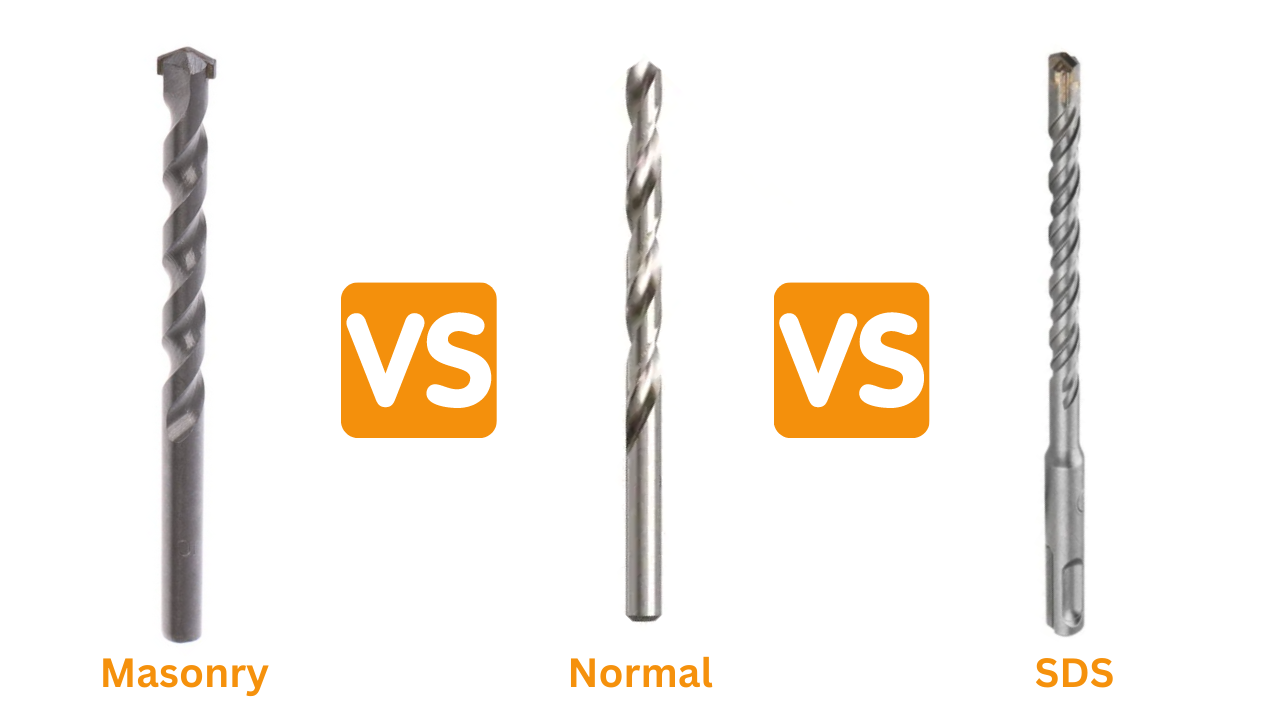
Image Source: kakilai.sg
The Fundamentals of Masonry Drilling
Masonry refers to any construction material made from stone, brick, concrete, or similar hard, durable substances. Drilling into these materials requires a different approach than drilling into wood or metal. The hardness and abrasive nature of masonry demand specialized drill bits.
Why Standard Bits Fail
- Dulling: Regular drill bits, often made of High-Speed Steel (HSS), are designed for softer materials. Their cutting edges will dull rapidly when encountering the grit and aggregate in concrete or the hardness of brick.
- Breakage: The impact and resistance from masonry can easily snap a standard drill bit, especially if it’s thin or brittle.
- Inefficiency: Even if a standard bit doesn’t break, it will struggle to make progress, generating excessive heat and creating ragged holes.
Identifying Masonry Drill Bits: Key Features to Look For
Distinguishing masonry drill bits from other types is primarily about their tip design and the materials they are made from. These features are engineered to withstand the rigors of drilling into hard surfaces.
The Carbide Tip: The Hallmark of a Masonry Bit
The most obvious indicator of a masonry drill bit is its tip.
Carbide-Tipped Bits
- Material: These bits feature a tip made of tungsten carbide, one of the hardest man-made materials.
- Shape: The carbide is brazed onto the steel shank and flutes. The cutting edges are typically wider and flatter than those of standard bits. They often have a “chisel” or “winged” profile. This shape is designed to fracture the masonry material as the bit rotates, rather than just cutting it.
- Color: While not a definitive identifier, carbide tips are often darker, sometimes appearing gray or even black due to the material and the brazing process.
Hammer Drill Bits vs. Rotary Masonry Bits
It’s important to note that not all carbide-tipped bits are the same. They are often further categorized based on the type of drill they are used with:
- Hammer Drill Bits (SDS, Spline Drive): These bits are designed for use with hammer drills, which provide a percussive hammering action in addition to rotation. Their shanks have special grooves (SDS or spline) that engage with the drill’s chuck for optimal power transfer and impact resistance.
- Rotary Masonry Bits: These are for use with standard rotary drills. While they have a carbide tip, their shanks are typically round and fit into conventional drill chucks. They rely solely on the drill’s rotation.
Shank Design: Matching Your Drill
The shank is the part of the drill bit that inserts into the drill chuck.
- Round Shanks: Common on bits for standard drills.
- SDS (Slotted Drive System) Shanks: Recognized by their distinctive grooves and notches, designed for SDS hammer drills. These allow for quick bit changes and transmit the hammer action effectively.
- Spline Shanks: Similar to SDS but with a more continuous, splined pattern. Found on higher-end hammer drills and rotary hammers.
Flute Design: Clearing Debris
The flutes are the spiral grooves that run up the bit.
- Wider Flutes: Masonry bits often have wider flutes than wood or metal bits. This helps to efficiently remove dust and debris created during drilling, preventing the bit from binding and overheating.
- Deep Helical Grooves: The deep, aggressive spiral design aids in expelling the fine dust generated when drilling into brick, concrete, or stone.
Color Coding and Labeling
Manufacturers often use color coding and clear labeling to help users identify the intended application of their drill bits.
- “Masonry,” “Concrete,” “Brick,” “Stone”: Look for these words printed or etched on the shank or the packaging.
- Color Bands: Some brands use specific color bands on the shank or the tip itself to indicate the material it’s designed for. For example, red or blue tips might signify masonry use.
Different Masonry Bit Types and Their Applications
Understanding the variations in masonry bit types helps in selecting the right masonry bit for specific tasks.
Twist Masonry Bits
These are the most common type for general-purpose masonry drilling.
- Characteristics: Feature a carbide tip and standard spiral flutes. They are designed for rotary drills.
- Usage: Ideal for drilling smaller holes in softer masonry like brick, mortar, and concrete blocks. They can also be used with the hammer function on a hammer drill for increased efficiency.
SDS Masonry Bits
Engineered for SDS hammer drills, these bits are built for tougher jobs.
- Characteristics: Have an SDS shank for secure attachment and efficient power transfer from the hammer drill’s mechanism. The carbide tip is robust, often with multiple cutting edges.
- Usage: Excellent for drilling into harder concrete, stone, and reinforced concrete. The hammering action of the drill, combined with the bit’s design, makes for faster and more efficient drilling.
Spline Drive Masonry Bits
Similar to SDS, these are for heavy-duty rotary hammers with spline chucks.
- Characteristics: Feature a spline shank that provides a very strong connection and excellent power transmission for demanding applications.
- Usage: Used for the most arduous tasks, such as drilling large diameter holes in dense concrete or breaking out small sections of concrete.
Masonry Chisel Bits
While not strictly drill bits, they are often used in conjunction with rotary hammers for demolition or enlargement of holes.
- Characteristics: Have a flat or pointed chisel end, without the spiral flutes of a drill bit.
- Usage: Used for chipping away material, breaking concrete, or enlarging existing holes rather than drilling new ones.
Materials Matter: What Masonry Bits Are Made Of
The choice of masonry bit materials is critical to their performance.
Tungsten Carbide
- Why it’s used: Its extreme hardness and resistance to wear make it the ideal material for the cutting tip of masonry bits. It can withstand the abrasive nature of concrete and stone.
- How it’s applied: The carbide is typically formed into a tip and then brazed (a form of welding) onto the steel body of the drill bit. The quality of the brazing is important for the bit’s durability.
High-Strength Steel Alloy
- Why it’s used: The main body of the drill bit, including the shank and flutes, is usually made from a heat-treated steel alloy. This provides strength and resilience to prevent breakage.
- How it’s applied: The steel is formed into the bit’s shape, and the carbide tip is attached. The steel needs to be tough enough to handle the rotational forces and the occasional impact without fracturing.
How to Tell a Masonry Drill Bit: A Step-by-Step Approach
Let’s break down the process of identifying masonry bits into actionable steps.
Step 1: Examine the Tip
This is the most crucial step in masonry drill bit identification.
- Look for a distinct tip: It will likely be a different material and color from the rest of the bit.
- Check the shape: Is it flat, chisel-like, or winged? Does it appear to be an insert rather than part of the original steel cutting edge? Standard bits will have a sharp, tapered point with cutting edges formed from the steel itself.
Step 2: Inspect the Shank
The shank tells you what type of drill the bit is designed for.
- Round Shank: If it’s smooth and round, it’s likely for a standard drill.
- Grooved/Notched Shank: If you see distinct slots or grooves, it’s an SDS or spline shank for a hammer drill or rotary hammer.
Step 3: Read the Labeling
Manufacturers make it easy if you know where to look.
- Etchings or Prints: Look on the shank or near the tip for text. Words like “Masonry,” “Concrete,” “Masonry Bit,” or symbols indicating concrete or brick are clear indicators.
- Color Coding: Be aware of brand-specific color schemes. If unsure, consult the manufacturer’s website or packaging.
Step 4: Consider the Flute Design
While less definitive than the tip, flute design can offer clues.
- Aggressive Spirals: Masonry bits often have deeper, more aggressive spiral flutes to efficiently eject dust.
Step 5: Compare with Known Bits
If you have known wood or metal bits, compare them side-by-side with the bit in question. The differences in the tip and overall construction should be apparent.
Choosing Masonry Drill Bits: Practical Tips
When choosing masonry drill bits, consider the task, the material, and your drill.
Match the Bit to Your Drill
- Standard Drill: Use twist masonry bits with round shanks.
- Hammer Drill: Use SDS or spline shank masonry bits. You can use twist masonry bits in a standard drill with the hammer function engaged.
Consider the Material Density
- Softer Materials (Brick, Mortar): Twist masonry bits are generally sufficient.
- Harder Materials (Concrete, Stone): SDS or spline bits are recommended for efficiency and durability. For very hard concrete or granite, you might need specialized bits with multiple carbide tips or even diamond-tipped bits for extreme applications.
Hole Size and Depth
- Small Holes: Standard twist masonry bits are fine.
- Large Diameter Holes: Rotary hammer bits (SDS/spline) are more effective. For very large holes, you might need a core bit, which is a specialized type of masonry bit.
Longevity and Quality
- Brand Reputation: Reputable brands often use higher-quality carbide and better brazing techniques, leading to longer bit life.
- Price: While not always indicative, very cheap bits might use lower-grade carbide or have weaker brazing, leading to premature failure.
Masonry Bit Usage: Best Practices
Proper masonry bit usage ensures efficiency, safety, and prolongs the life of your bits and drill.
Preparing for Drilling
- Mark Your Spot: Use a pencil or marker to indicate where you need to drill.
- Center Punch (Optional but Recommended): For precision, especially on hard, smooth surfaces, a center punch can create a small indentation to guide the drill bit and prevent “walking.”
- Select the Correct Bit: Based on the material and your drill, choose the appropriate masonry drill bit.
- Insert the Bit Securely: Ensure the bit is firmly seated in the chuck. For SDS bits, ensure the locking collar engages properly.
The Drilling Process
- Start Slowly: Begin drilling at a slow speed to create a starting point and prevent the bit from wandering.
- Engage Hammer Function (if applicable): For hammer drills, switch to the hammer drill mode.
- Apply Steady Pressure: Apply consistent, firm pressure. Let the drill and bit do the work; forcing the bit too hard can cause it to overheat or break.
- Periodically Withdraw the Bit: Pull the bit out of the hole every 10-20 seconds, especially for deeper holes. This clears dust and debris from the flutes and allows air to cool the bit.
- Listen to Your Drill: If the drill strains excessively or the bit stops making progress, stop. You might be drilling into something unexpected (like rebar) or need a more aggressive bit.
Cooling and Lubrication
- Water Cooling: For prolonged drilling in very hard materials, a stream of water can help cool the bit and flush out debris. Be cautious as this creates slurry.
- Drill Oil: While not common for masonry, a small amount of cutting oil applied to the bit can sometimes help with very hard materials, but it’s generally not necessary for standard brick or concrete. The primary cooling comes from air and debris removal.
Post-Drilling
- Clean the Hole: Use a vacuum or compressed air to remove any remaining dust from the hole.
- Inspect the Bit: Check the bit for wear or damage after use.
Distinguishing Masonry Drill Bits: Common Pitfalls
Here are some mistakes to avoid when trying to identify or use masonry bits:
- Mistaking Wood Bits for Masonry Bits: Wood bits have sharper points and shallower flutes, designed for efficient chip removal from soft materials. They will be destroyed by masonry.
- Using Metal Bits on Masonry: Metal bits have fine teeth and are made for cutting metal. They lack the hardness and chip-breaking design needed for masonry and will dull instantly.
- Not Considering the Drill Type: Using an SDS bit in a standard drill chuck (which isn’t possible due to the shank difference) or using a round-shank bit in an SDS chuck will prevent proper operation and potentially damage your drill.
- Overheating: Not periodically withdrawing the bit to clear dust and cool it will lead to rapid wear and potential failure.
Masonry Bit Materials: A Deeper Dive
The masonry bit materials used have direct implications for performance.
Tungsten Carbide: The Hard Truth
Tungsten carbide is a compound of tungsten and carbon. It’s renowned for its:
- Hardness: Second only to diamond among common materials.
- Strength: High compressive strength.
- Abrasion Resistance: Crucial for cutting through gritty materials.
The quality of the carbide used, and how it’s applied, significantly impacts how long a masonry bit will last. Look for bits with a thicker, well-bonded carbide tip.
Steel Alloys: The Foundation
The steel used for the bit’s body needs to be:
- Tough: To absorb shock and prevent snapping.
- Ductile: To bend slightly rather than break.
- Heat-Resistant: To withstand the friction generated during drilling.
Common steel alloys include chromoly or vanadium steel, often heat-treated to achieve the desired properties.
Frequently Asked Questions (FAQ)
Here are some common questions about identifying masonry bits and their usage:
Q1: Can I use a masonry drill bit to drill into wood?
A1: Yes, you can typically use a masonry drill bit to drill into wood. However, it’s not ideal. The carbide tip might not cut as cleanly as a wood bit, and you might leave a slightly rougher hole. It’s best to use the bit designed for the material at hand.
Q2: What is the difference between a masonry bit and a concrete bit?
A2: For practical purposes, there’s usually no significant difference. The terms “masonry bit” and “concrete bit” are often used interchangeably. Both refer to bits with carbide tips designed to drill into hard, non-metallic construction materials like brick, concrete, stone, and mortar.
Q3: How do I know if my drill is a hammer drill?
A3: Most hammer drills have a selector switch that allows you to choose between standard drilling mode and hammer drilling mode (often indicated by a hammer symbol). They also typically have a chuck designed for SDS or spline bits, or a robust three-jaw chuck on higher-end models.
Q4: My masonry bit is getting very hot. What should I do?
A4: This is a sign that you need to improve debris removal and cooling. Periodically withdraw the bit from the hole while it’s still spinning to clear dust from the flutes. For continuous drilling, consider using a spray bottle with water to cool the bit, but be mindful of the slurry created. Slowing down your drilling speed can also help.
Q5: How long should a masonry drill bit last?
A5: The lifespan of a masonry drill bit depends heavily on the material being drilled, the frequency of use, the quality of the bit, and proper usage techniques. For DIY projects, a good quality bit can last for many holes. For professional use, bits are considered consumables and are replaced as they wear out.
By paying attention to the tip, shank, and labeling, you can confidently distinguish masonry drill bits from other types. Choosing masonry drill bits that match your drill and the material, coupled with correct masonry bit usage, will ensure your projects are completed efficiently and safely. Mastering masonry drill bit identification is a fundamental skill for anyone working with construction materials.