
Can you start a Stihl concrete saw easily? Yes, with the right steps and safety precautions, starting a Stihl concrete saw is straightforward. This guide will walk you through everything you need to know, from initial setup to safe operation and essential maintenance. Whether you’re a seasoned professional or a DIY enthusiast, mastering the operation of your Stihl power cutter is key to getting the job done efficiently and safely.
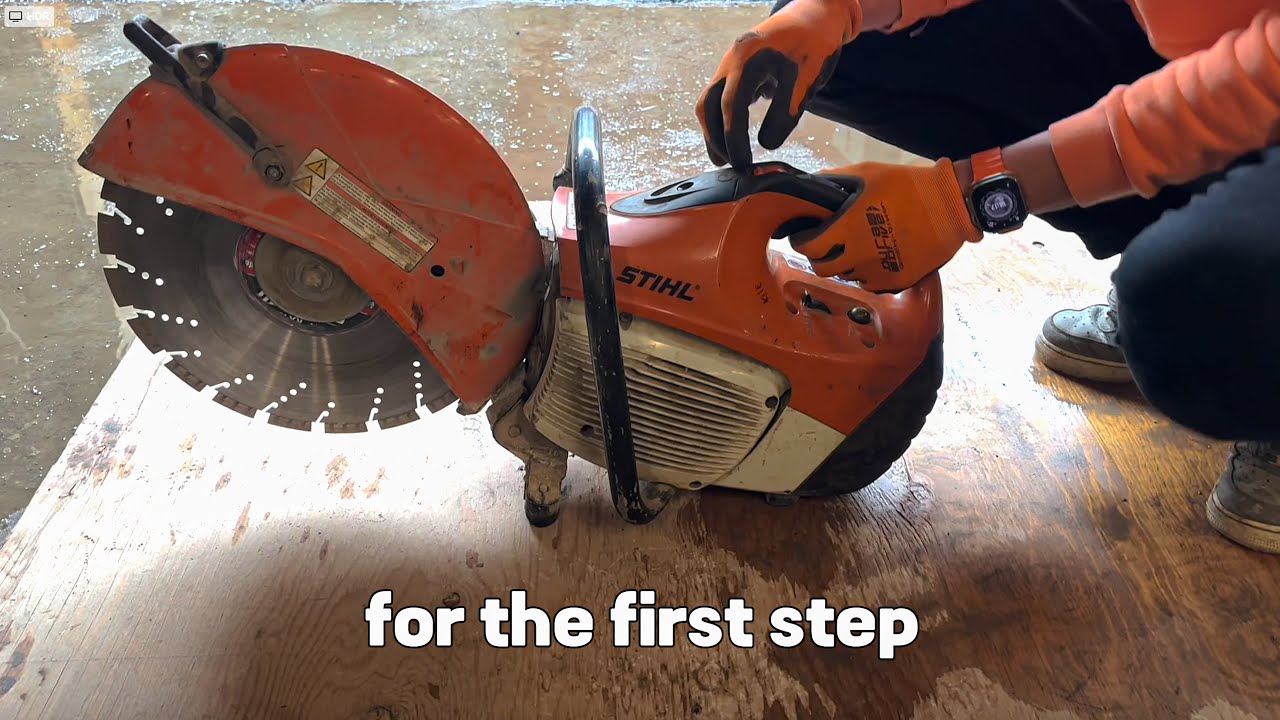
Image Source: i.ytimg.com
Getting Your Stihl Concrete Saw Ready: The Setup
Before you can even think about cutting, your Stihl concrete saw needs to be properly prepared. This Stihl concrete saw setup is crucial for performance and safety.
Unpacking and Initial Inspection
When your Stihl concrete saw arrives, or if you’re pulling it out of storage, take a moment to unpack it carefully.
- Check the Contents: Ensure all parts are present according to the manual. This typically includes the saw itself, a cutting wheel, a tool kit, and the owner’s manual.
- Visual Inspection: Look for any signs of damage from shipping or storage. Check the housing, handles, and cutting guard for cracks or loose parts.
Attaching the Cutting Wheel
The cutting wheel is the heart of your concrete saw. Proper installation is vital.
Types of Cutting Wheels
Stihl offers various cutting wheels suited for different materials and tasks.
- Diamond Wheels: Best for concrete, stone, asphalt, and masonry. They offer long life and consistent performance.
- Abrasive Wheels: More budget-friendly but wear down faster. Suitable for general concrete cutting.
Wheel Mounting Procedure
Always follow the Stihl concrete saw instructions for mounting.
- Safety First: Ensure the saw is off and the spark plug is disconnected to prevent accidental starts.
- Locate the Arbor Nut: This is usually a large nut on the spindle where the wheel mounts.
- Position the Wheel: Place the cutting wheel onto the spindle. Ensure it’s oriented correctly, with the directional arrow (if present) pointing in the direction of rotation.
- Attach the Flanges: Stihl saws typically use two flanges – an inner and an outer one. The inner flange sits against the spindle, and the wheel rests on it. The outer flange then goes on top of the wheel.
- Tighten the Arbor Nut: Use the provided tool kit to securely tighten the arbor nut. It should be snug but not overtightened, which could damage the wheel or spindle. Never use excessive force.
Fueling Your Stihl Power Cutter
Stihl concrete saws are typically gas-powered and require a specific fuel mix.
Fuel Mix Ratio
Stihl recommends a 50:1 fuel mix. This means 50 parts gasoline to 1 part high-quality 2-stroke engine oil.
- Gasoline: Use fresh, unleaded gasoline with an octane rating of 89 or higher. Avoid ethanol-blended fuels if possible, as they can degrade fuel system components over time.
- 2-Stroke Oil: Use only genuine Stihl 2-stroke engine oil or an equivalent high-quality oil specifically designed for air-cooled 2-stroke engines.
Mixing Fuel Safely
- Use a Clean Container: Always use a clean, approved fuel container.
- Add Oil First: Pour the recommended amount of 2-stroke oil into the container.
- Add Gasoline: Add the correct amount of gasoline.
- Mix Thoroughly: Secure the lid and shake the container vigorously for at least 30 seconds to ensure a thorough mix.
- Label the Container: Clearly label the container with the fuel mix and the date.
Installing the Cutting Wheel Guard
The cutting wheel guard is a critical safety feature.
- Purpose: It protects the operator from flying debris and accidental contact with the spinning blade.
- Attachment: Most Stihl concrete saws have a guard that attaches with bolts or a quick-release mechanism. Ensure it’s securely fastened and properly positioned over the cutting wheel.
Mastering Stihl Concrete Saw Operation
Once your saw is set up, it’s time to learn Stihl concrete saw operation. This involves understanding the controls and the starting sequence.
Identifying Key Components
Familiarize yourself with the parts of your saw:
- Engine: The power source.
- Carburetor: Mixes fuel and air for combustion.
- Spark Plug: Ignites the fuel-air mixture.
- Air Filter: Keeps debris out of the engine.
- Starter Cord/Rope: Used to crank the engine.
- Choke Lever: Controls airflow for starting.
- Master Control Lever (or similar): Often combines on/off and throttle functions.
- Water Supply Connection: For dust suppression (if applicable).
- Cutting Wheel Guard: Protects the operator.
The Starting Sequence: Step-by-Step
This sequence is vital for Stihl power cutter instructions. Always refer to your specific model’s manual for exact details.
Pre-Start Checks
- Fuel Level: Ensure you have enough mixed fuel.
- Cutting Wheel: Verify it’s securely attached and the guard is in place.
- Environment: Check for flammable materials and ensure good ventilation.
Starting a Cold Engine
- Set the Choke: Move the choke lever to the “cold start” or fully closed position. This enriches the fuel-air mixture.
- Prime the Engine (if applicable): Some models have a primer bulb. Press it several times until you see fuel in the bulb.
- Engage the Master Control Lever: If your saw has a master control lever that combines on/off and throttle, move it to the “start” or partially open throttle position.
- Pull the Starter Rope: Firmly and smoothly pull the starter rope until you feel resistance, then give it a strong, steady pull. The engine should sputter or attempt to start.
- Move Choke to Run: Once the engine sputters, immediately move the choke lever to the “run” or partially open position.
- Pull Starter Rope Again: Pull the starter rope again. The engine should now start and run at idle.
- Disengage Master Control: If the master control lever was in a high-throttle position for starting, bring it back to the idle position.
Starting a Warm Engine
If the engine is warm from recent use, the procedure is slightly different.
- Set the Choke: Move the choke lever to the “warm start” or partially open position.
- Engage the Master Control Lever: Move it to the “start” or partially open throttle position.
- Pull the Starter Rope: Pull the starter rope firmly. The engine should start.
- Disengage Master Control: Bring the master control lever back to the idle position.
Using Water Suppression (Crucial for Concrete Cutting)
When cutting concrete, dust suppression is paramount. Most Stihl concrete saws have a water inlet.
- Connect a Water Hose: Attach a standard garden hose to the water inlet.
- Turn on Water: Turn on the water supply before starting the saw.
- Adjust Flow: Ensure a steady flow of water is directed onto the cutting area and through the cutting wheel. This significantly reduces airborne silica dust, which is harmful to your lungs.
Cutting Techniques for Concrete
- Depth of Cut: Start with shallow passes and gradually increase depth.
- Let the Saw Work: Don’t force the saw. Allow the engine and the cutting wheel to do the work.
- Smooth Movement: Move the saw in a steady, controlled motion. Avoid jerky movements.
- Water Management: Ensure the water flow is consistent to keep the wheel cool and suppress dust effectively.
Safety First: Stihl Concrete Saw Safety
Operating a concrete saw involves inherent risks. Adhering to Stihl concrete saw safety protocols is non-negotiable.
Personal Protective Equipment (PPE)
Always wear appropriate PPE:
- Safety Glasses or Goggles: Protect your eyes from debris.
- Hearing Protection: Concrete saws are very loud. Use earplugs or earmuffs.
- Dust Mask or Respirator: Essential for protecting your lungs from silica dust. An N95 or P100 respirator is recommended.
- Heavy-Duty Gloves: Provide grip and protect your hands.
- Steel-Toed Boots: Protect your feet from falling objects or the saw.
- Long Pants and Long-Sleeved Shirt: Made from durable material to protect your skin.
Safe Operating Practices
- Read the Manual: Thoroughly read your Stihl power cutter instructions before operating.
- Clear the Work Area: Remove any obstructions, debris, or flammable materials.
- Proper Stance: Maintain a balanced stance with your feet apart.
- Two-Handed Grip: Always hold the saw firmly with both hands.
- Never Overreach: Keep your balance at all times.
- Avoid Kickback: Kickback occurs when the rotating cutting wheel snags or binds in the material. Be aware of this possibility and react accordingly.
- Water Suppression: Always use water for dust suppression when cutting concrete or masonry.
- Never Cut Overhead: Avoid cutting materials above shoulder height.
- Check for Hidden Obstructions: Before cutting, be aware of any rebar, pipes, or electrical conduits within the material.
Stihl Concrete Saw Accessories for Safety
Certain Stihl concrete saw accessories can enhance safety:
- Cutting Guides: Help maintain straight cuts and reduce the risk of binding.
- Water Tank Systems: Provide a portable water supply for dust suppression.
Maintaining Your Stihl Concrete Saw for Longevity
Regular Stihl concrete saw maintenance will ensure your saw runs efficiently and lasts for years.
Air Filter Cleaning
A clogged air filter restricts airflow, reducing power and potentially damaging the engine.
- Frequency: Clean after every few uses, or more often in dusty conditions.
- Procedure:
- Remove the air filter cover.
- Gently tap the filter to remove loose debris.
- For paper filters, replace if very dirty.
- For washable filters, wash in warm, soapy water, rinse thoroughly, and allow to air dry completely before reinstalling. Never use compressed air on paper filters.
Spark Plug Inspection and Replacement
The spark plug ignites the fuel.
- Frequency: Inspect periodically and replace as needed.
- Procedure:
- Remove the spark plug wire.
- Use a spark plug wrench to remove the plug.
- Check for fouling, damage, or wear. Clean with a wire brush if slightly fouled, or replace if damaged.
- Ensure the gap is set correctly according to your manual.
Cutting Wheel Inspection
- Before Each Use: Check the cutting wheel for cracks, chips, or excessive wear.
- Replacement: Replace the cutting wheel if any damage is found. Do not use a damaged wheel, as it can shatter during operation.
Fuel System Maintenance
- Fuel Filter: Replace the fuel filter annually or if you suspect a blockage.
- Fuel Lines: Inspect fuel lines for cracks or damage.
General Cleaning
- After Use: Clean the exterior of the saw with a damp cloth. Remove any dust, dirt, or debris.
- Cooling Fins: Ensure the engine’s cooling fins are clear of debris to prevent overheating.
Troubleshooting Common Stihl Concrete Saw Issues
Even with proper maintenance, you might encounter minor problems. Here’s some Stihl concrete saw troubleshooting advice.
| Problem | Possible Cause | Solution |
|---|---|---|
| Won’t Start | No fuel, incorrect fuel mix, spark plug issue, clogged air filter, choke not set correctly. | Check fuel level and mix. Inspect/replace spark plug. Clean/replace air filter. Ensure choke is set for starting. Check spark plug wire connection. |
| Starts but Stalls | Incorrect fuel mix, clogged air filter, fuel filter issue, engine overheating. | Verify fuel mix. Clean/replace air filter. Replace fuel filter. Ensure adequate cooling (water flow, clean fins). |
| Runs Rough or Lacks Power | Clogged air filter, dirty spark plug, carburetor needs adjustment, fuel quality issue. | Clean/replace air filter. Clean/replace spark plug. Consult manual for carburetor adjustment or seek professional service. Use fresh, correct fuel mix. |
| Excessive Vibration | Cutting wheel is loose, damaged, or unbalanced; internal engine issue. | Ensure cutting wheel is securely mounted and undamaged. If vibration persists, seek professional service. |
| Water System Not Working | Blockage in the water line, valve not open, low water pressure. | Check for kinks or blockages in the hose or saw’s water port. Ensure the water valve is open. Verify sufficient water pressure. |
When to Seek Professional Help
If you’ve tried basic troubleshooting and the saw still isn’t functioning correctly, or if you’re uncomfortable performing any maintenance task, it’s best to consult an authorized Stihl service center. They have the specialized tools and expertise to diagnose and repair more complex issues.
Frequently Asked Questions (FAQ)
Q1: How often should I change the spark plug in my Stihl concrete saw?
A1: It’s good practice to inspect your spark plug at the beginning of each cutting season and after approximately every 25-30 hours of use. Replace it if it shows signs of wear, fouling, or damage.
Q2: Can I use regular gasoline in my Stihl concrete saw?
A2: Stihl recommends using fresh, unleaded gasoline with an octane rating of 89 or higher. Avoid ethanol-blended fuels if possible, as they can degrade fuel system components over time. Always mix with the correct ratio of Stihl 2-stroke oil.
Q3: What is the correct fuel mix for a Stihl concrete saw?
A3: The standard fuel mix for most Stihl 2-stroke engines, including those in concrete saws, is 50:1. This means 50 parts gasoline to 1 part high-quality 2-stroke engine oil.
Q4: Why is water suppression so important when cutting concrete?
A4: Water suppression is critical for health and safety. Cutting concrete generates very fine silica dust, which is a serious respiratory hazard when inhaled. Water binds with the dust, preventing it from becoming airborne. It also helps cool the cutting wheel, extending its life and improving cutting efficiency.
Q5: What are Stihl concrete saw accessories that are useful?
A5: Useful Stihl concrete saw accessories include diamond cutting wheels for specific materials, water supply kits for extended water suppression, cutting guides for precision, and durable carrying cases for transport and storage.
This comprehensive Stihl concrete cutting guide should equip you with the knowledge to start, operate, and maintain your Stihl concrete saw safely and effectively. Remember, always prioritize safety and refer to your specific model’s owner’s manual for the most accurate and detailed instructions.