
Can you get a broken drill bit out of a drill? Yes, you absolutely can get a broken drill bit out of a drill. This guide will show you how with simple steps and common tools. A drill bit stuck in metal or wood, or a broken drill bit in the chuck, can be frustrating, but with the right approach, you can fix it.
Having a drill bit snap off inside your workpiece or the drill chuck is a common problem for DIYers and professionals alike. It can halt your project dead in its tracks, leaving you wondering what to do next. But don’t worry! This guide is packed with practical, easy-to-follow methods for extracting those stubborn, stuck bits. We’ll cover everything from dealing with a drill bit stuck in wood to tackling the trickier situation of a drill bit stuck in metal.
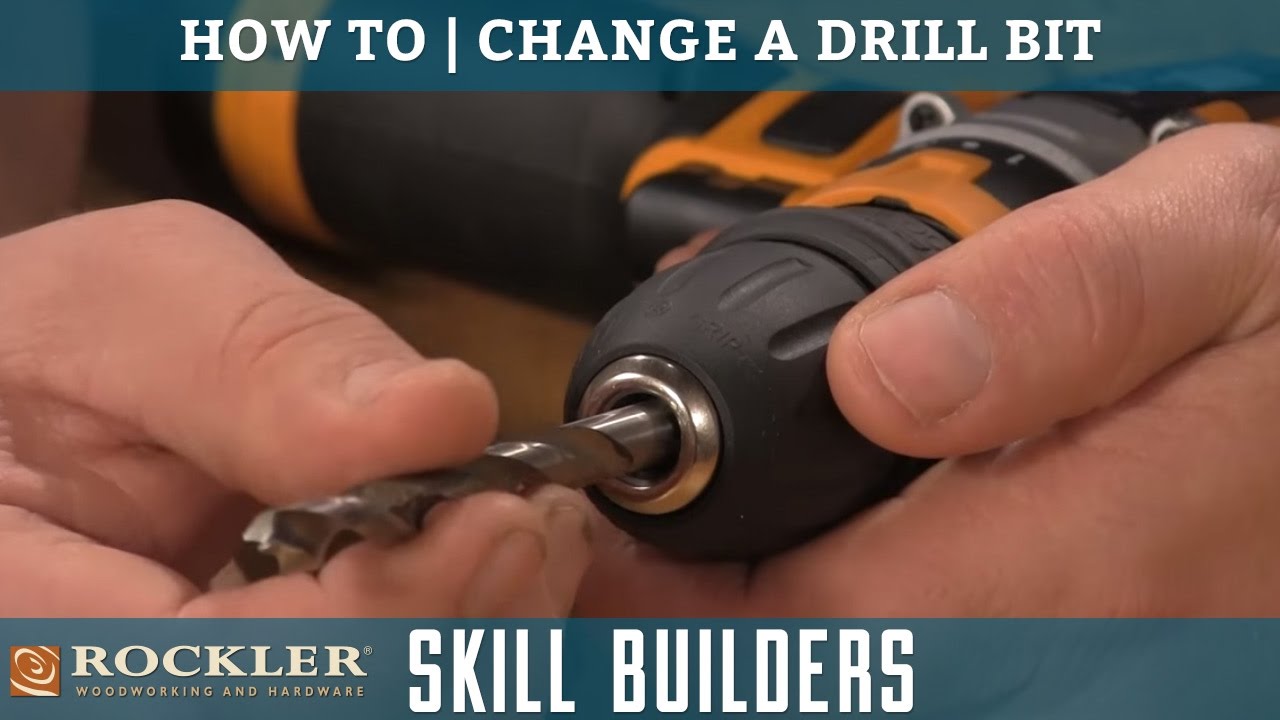
Image Source: i.ytimg.com
When Drill Bits Break: Common Causes
Before we dive into the fixes, it’s helpful to know why drill bits break in the first place. This can help you avoid future problems.
- Using the Wrong Bit: Using a bit designed for wood on metal, or vice-versa, can cause excessive stress.
- Excessive Speed: Drilling too fast creates heat and friction, weakening the bit.
- Wrong Speed for Material: Hard materials require slower speeds.
- Not Enough Lubrication: Especially when drilling metal, coolant or oil helps reduce friction and heat.
- Drill Bit is Dull: A dull bit requires more force, increasing the chance of breakage.
- Angled Entry: Starting a hole at an angle puts sideways pressure on the bit.
- Binding: If the bit gets caught in the material, it can twist and snap.
- Poor Quality Bits: Cheaper bits are more prone to breaking.
Tackling a Broken Drill Bit in the Chuck
A broken drill bit in the chuck is often the easiest to deal with. The chuck is the part that holds the drill bit.
Method 1: Pliers and Patience
This is your first line of defense for a broken drill bit in the chuck.
- Unplug Your Drill: Safety first! Always disconnect the power before working on your drill.
- Open the Chuck: Twist the chuck sleeves counter-clockwise to loosen it.
- Grip the Remaining Bit: If any part of the bit is sticking out, use a good pair of pliers, preferably needle-nose or vise-grips, to grab it.
- Twist and Pull: Gently twist the bit while pulling it straight out. Sometimes, a slight wiggling motion can help.
- Stubborn Bits: If the bit is really stuck, try tapping the chuck gently with a small hammer while applying pressure with the pliers. This vibration can loosen things up.
- Clean the Chuck: Once the bit is out, check the chuck for any metal shavings or debris. A quick blast of compressed air can help.
Method 2: The Flathead Screwdriver Trick
If pliers can’t get a good grip, a flathead screwdriver can sometimes work.
- Ensure Power is Off.
- Position the Screwdriver: Find a small gap or edge on the broken bit where you can wedge the tip of a flathead screwdriver.
- Leverage: Use the screwdriver to gently pry the bit out of the chuck. Work around the bit, trying different angles.
- Combine with Pliers: You might need to use pliers to turn the bit while prying with the screwdriver.
Method 3: Using an Extractor Bit (for Chucks)
Some drill bits are designed specifically for extracting other bits from chucks. These are often reverse-threaded.
- Select the Right Extractor: Choose an extractor designed for the size of the broken bit.
- Insert and Twist: Insert the extractor into the chuck and twist it in the reverse direction (counter-clockwise). The extractor’s threads should bite into the broken bit, and as you twist, it should pull the bit out.
Extracting Broken Drill Bits from Your Workpiece
This is where things can get more challenging, especially with a drill bit stuck in metal.
Dealing with a Drill Bit Stuck in Wood
Wood is generally more forgiving than metal.
Method 1: Pliers or Vise-Grips
If a good portion of the bit is still sticking out of the wood:
- Firm Grip: Grab the exposed part of the bit firmly with pliers or vise-grips.
- Twist Gently: Try to twist the bit counter-clockwise while pulling upwards.
- Wiggle and Pull: Sometimes, wiggling the bit side-to-side as you pull can help loosen it.
- Protect the Wood: If you’re worried about damaging the wood surface around the hole, place a thin piece of cardboard or a rag under the jaws of your pliers.
Method 2: Screw Extractor (for Wood)
A screw extractor can be a lifesaver for a broken drill bit in wood.
- What is a Screw Extractor? A screw extractor (also known as a screw extractor bit) is a tool with reverse threads. You drill a small pilot hole into the broken piece, then insert the extractor and twist it counter-clockwise. Its threads bite into the material, and as you continue to turn, it pulls the broken piece out.
- Choose the Right Size: Select an extractor that is smaller than the broken drill bit.
- Drill a Pilot Hole: Use a small drill bit (often included with extractor kits) to drill a shallow hole directly into the center of the broken drill bit. This gives the extractor something to grip.
- Insert the Extractor: Place the tip of the screw extractor into the pilot hole.
- Use a Tap Wrench or Drill (Low Speed): Attach a tap wrench to the extractor or insert it into your drill chuck. Set your drill to its lowest speed and reverse setting.
- Slow and Steady: Slowly and steadily turn the extractor counter-clockwise. Apply gentle downward pressure. The extractor’s threads should bite into the broken bit.
- Extraction: As you continue to turn, the broken drill bit should start to back out of the wood.
Method 3: The Hammer and Chisel Approach
For bits that are broken flush or slightly below the surface of the wood:
- Center Punch: Use a center punch to make a small indentation on the end of the broken bit. This helps guide the chisel.
- Chisel Placement: Position a sharp, narrow chisel at a slight angle against the side of the broken bit, pointing in the direction you want it to move (counter-clockwise).
- Gentle Tapping: Lightly tap the end of the chisel with a hammer. The goal is to create a rotational force, not to drive the chisel into the wood.
- Work Around: Repeat this process, tapping the chisel from different sides of the broken bit to gradually work it loose.
Method 4: Magnets (for Magnetic Bits)
If the broken bit is magnetic, a strong rare-earth magnet might help.
- Strong Magnet: Use a powerful magnet, like those found in some magnetic pickup tools.
- Attempt to Grasp: Try to position the magnet directly over the broken bit. If enough of the bit is exposed, the magnet might be able to pull it out. This is less effective if the bit is firmly embedded.
Dealing with a Drill Bit Stuck in Metal
This is often more challenging due to the hardness of metal and the tight fit.
Method 1: Pliers and Vise-Grips (If Exposed)
Similar to wood, if a portion of the bit is sticking out of the metal, use strong pliers or vise-grips.
- Secure Grip: Get the best grip possible on the exposed metal.
- Twist Counter-Clockwise: Apply steady, firm pressure while twisting counter-clockwise.
- Penetrating Oil: For drill bit stuck in metal, applying a penetrating oil (like WD-40 or a dedicated metal lubricant) around the broken bit can help loosen rust or friction. Let it soak for a while before attempting extraction.
Method 2: Screw Extractor (for Metal)
This is often the go-to method for a broken drill bit in metal.
- Select the Right Extractor: Ensure you have a screw extractor kit suitable for metal. The size of the extractor should be smaller than the broken bit.
- Center Punch: Accurately center punch the broken drill bit. This is crucial for drilling a straight pilot hole.
- Drill a Pilot Hole: This is the most critical step when using a screw extractor in metal.
- Use a High-Quality Drill Bit: Use a sharp, good-quality drill bit made for metal. Cobalt or titanium-coated bits are ideal.
- Slow Speed: Set your drill to a slow speed.
- Lubrication: Use a cutting fluid or oil specifically designed for metal drilling. This cools the bit and the workpiece, reduces friction, and helps the bit cut cleanly.
- Steady Pressure: Apply steady, consistent pressure.
- Depth: Drill the pilot hole deep enough for the extractor to grip, but not so deep that it goes through the other side of your workpiece (unless that’s acceptable). The hole should be centered.
- Insert the Extractor: Place the screw extractor bit into the pilot hole.
- Use a Tap Wrench or Drill: Attach the extractor to a tap wrench or a drill (on reverse, lowest speed).
- Slow Extraction: Slowly and carefully turn the extractor counter-clockwise. You should feel it bite into the metal. Apply light, steady pressure.
- Success: If all goes well, the extractor will thread into the broken bit and unscrew it from the metal.
Table: Screw Extractor Usage in Metal
| Step | Action | Key Considerations |
|---|---|---|
| Preparation | Select appropriate size extractor and cutting fluid. | Extractor size should be smaller than the broken bit. |
| Center Punch | Mark the exact center of the broken drill bit. | Ensures accurate pilot hole drilling, preventing further damage. |
| Drill Pilot Hole | Use a sharp metal drill bit at slow speed with cutting fluid. | Crucial for extractor grip. Too small a hole, the extractor won’t bite. Too large, it won’t grip. |
| Insert Extractor | Place the extractor tip firmly into the pilot hole. | Ensure it’s seated properly. |
| Extract | Use a tap wrench or drill (reverse, low speed) to turn the extractor counter-clockwise. | Apply steady, gentle pressure. Avoid jerky movements. |
| Troubleshooting | If it slips, try a slightly larger pilot hole or a different extractor. | Patience is key. Forcing it can break the extractor, creating a bigger problem. |
Method 3: The Left-Handed Drill Bit
Left-handed drill bits are designed to drill in reverse. Sometimes, as a left-handed bit drills, it can catch the broken bit and back it out.
- Select a Left-Handed Bit: Choose a left-handed drill bit that is slightly smaller than the broken bit.
- Set Drill to Reverse: Ensure your drill is set to run in reverse.
- Drill Slowly: Start drilling into the center of the broken bit at a slow speed.
- Potential Extraction: As the left-handed bit cuts, it might grab the broken bit and unscrew it from the material.
Method 4: Grinding and Drilling (Last Resort)
If all else fails, you might need to carefully grind away the broken bit or drill it out completely.
- Grinding: If the bit is slightly raised, you might be able to use a Dremel with a grinding bit to carefully grind it down until it’s flush or below the surface. Be extremely cautious not to damage the surrounding metal.
- Drilling Out: This is a difficult and risky process. You’ll need a very precise hand and the right tools.
- Center Punch Accurately.
- Use a Small, Very Hard Drill Bit (e.g., carbide): Start with a tiny bit and drill precisely through the center of the broken bit.
- Gradually Increase Size: Slowly increase the drill bit size, drilling out more of the broken bit.
- Risk of Damage: This method can easily enlarge the original hole or damage the threads if you’re working with a tapped hole.
Remove Snapped Drill Bit: Key Principles
Regardless of the material, a few principles apply when you need to remove snapped drill bit:
- Patience: Rushing will likely make the problem worse.
- Safety First: Always unplug your drill and wear safety glasses.
- The Right Tools: Using the correct extractor or pliers makes a huge difference.
- Lubrication: Especially for metal, lubricants are essential.
- Center: Keeping your drilling and extraction efforts centered is vital.
What to Do If an Extractor Bit Breaks
This is a DIYer’s nightmare! If your screw extractor bit breaks inside the material, you have a much tougher problem. Extractors are made of hardened steel, making them very difficult to drill out.
Strategies for Broken Extractors
- Diamond Burrs and Dremel: A Dremel with a diamond-tipped grinding burr might be able to carefully grind away the broken extractor. This is slow, tedious work, and requires a steady hand.
- EDM (Electrical Discharge Machining): For very stubborn broken extractors in metal, especially in critical components, EDM is a professional service that can remove the hardened steel without damaging the surrounding part. This is not a DIY solution.
- Try to Catch an Edge: Sometimes, if you can find a small edge of the broken extractor, you might be able to use a very fine chisel or a sharp pick to try and dislodge it.
Preventing Future Breakages
- Use Sharp Bits: Regularly check and replace dull drill bits.
- Use the Right Bit for the Job: Match the bit material and type to the material you’re drilling.
- Control Speed: Use slower speeds for harder materials and larger bits.
- Lubricate: Use cutting fluid or oil when drilling metal.
- Support Your Work: Ensure the workpiece is securely clamped.
- Straight Entry: Always start drilling perpendicular to the surface.
- Don’t Force It: If the drill is struggling, stop. Check your bit, speed, or material.
Frequently Asked Questions (FAQ)
Q: What is the best way to remove a broken drill bit from a metal object?
A: For a drill bit stuck in metal, using a screw extractor is generally the most effective method. You’ll need to center punch the broken bit, drill a pilot hole carefully with lubrication, and then use the extractor to twist it out counter-clockwise.
Q: Can I use super glue to remove a broken drill bit?
A: Super glue is generally not strong enough to hold a broken drill bit, especially if it’s stuck in metal or deeply embedded in wood. It might work in very rare cases where only a tiny, loose fragment is involved, but it’s not a reliable method.
Q: My drill bit snapped off, and I can’t see any of it. What should I do?
A: If the broken drill bit is flush or below the surface, you’ll likely need to use a screw extractor or a left-handed drill bit. Accurate centering for the pilot hole is crucial.
Q: How do I stop my drill bits from breaking so often?
A: Ensure you’re using sharp bits, the correct bit for the material, appropriate speeds, and lubrication when drilling metal. Avoid drilling at an angle or forcing the drill.
Q: What happens if I break a screw extractor bit?
A: Breaking a screw extractor bit is a significant problem because extractors are made of very hard steel and are difficult to drill or remove. You might need specialized tools like diamond burrs or professional services like EDM.
Q: Is it safe to use a broken drill bit?
A: No, it is not safe or effective to use a broken drill bit. Attempting to use a piece of a broken bit can lead to further damage to your drill, the workpiece, and potential injury. Always remove broken bits completely.
Q: How do I remove a drill bit stuck in wood if it’s broken off deep inside?
A: If the broken bit is too deep for pliers, a screw extractor is your best bet. You’ll need to drill a pilot hole into the center of the broken bit and then use the extractor to turn it out.
By following these methods, you can confidently tackle the frustrating problem of a broken drill bit, whether it’s a drill bit stuck in metal, wood, or just a broken drill bit in the chuck. Remember to be patient, use the right tools, and prioritize safety.