
Can I drill through concrete with a regular drill? While a standard drill can sometimes manage very light concrete or mortar, it’s not designed for the tough job of drilling through solid concrete. For that, you need a hammer drill concrete or an impact drill, paired with the right concrete drill bit. This guide will walk you through everything you need to know to tackle concrete drilling with confidence and safety.
Drilling through concrete might seem daunting, but with the right knowledge and tools, it’s a manageable DIY task. Whether you’re mounting a shelf, installing a railing, or running new wiring, knowing how to drill into concrete safely and effectively is a valuable skill. This guide provides a comprehensive, step-by-step approach, covering essential safety measures, tool selection, and the actual drilling process. We’ll also touch on specific techniques like rebar cutting concrete and concrete core drilling for more advanced needs.
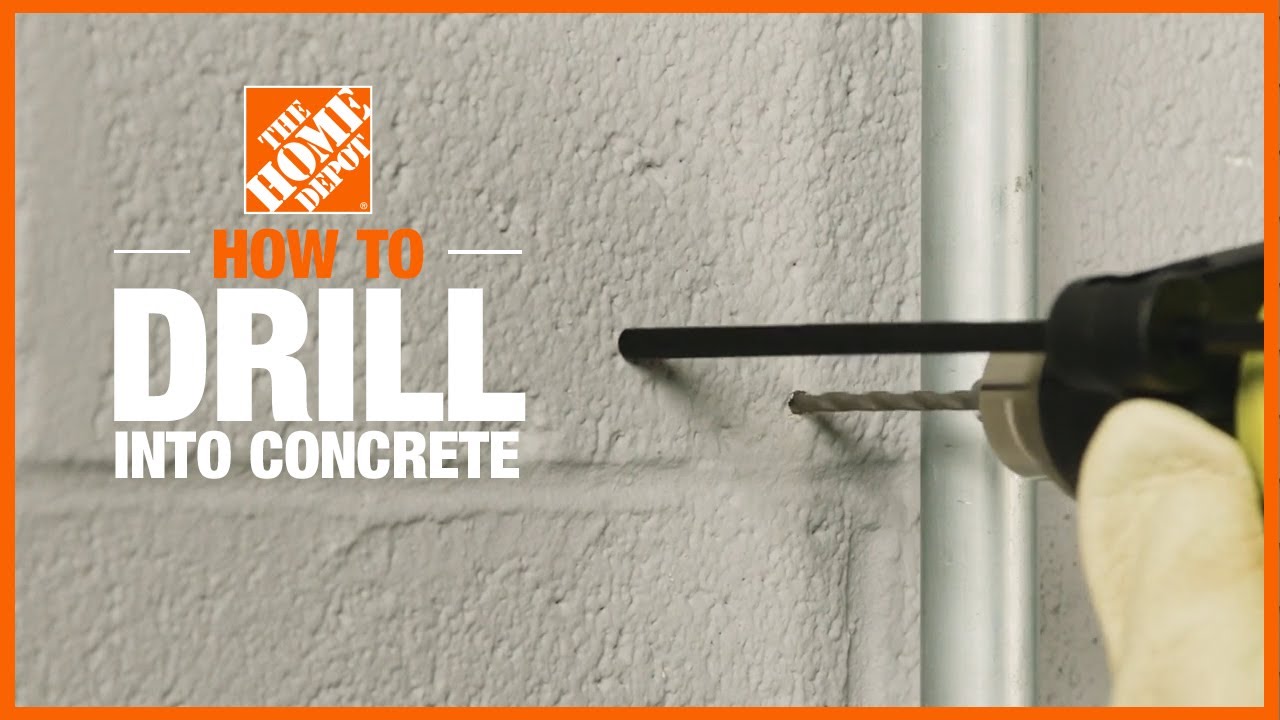
Image Source: i.ytimg.com
Choosing the Right Drilling Tools for Concrete
Selecting the proper drilling tools for concrete is the first and most crucial step. Using the wrong equipment can lead to frustration, damaged tools, and even injury.
The Best Drill for Concrete: Hammer Drills vs. Rotary Hammers
The debate for the best drill for concrete often comes down to two main types of drills:
- Hammer Drills: These drills have a hammering action that, when combined with rotation, helps break up the concrete as you drill. They are suitable for lighter concrete tasks and occasional use. The hammering action is powered by a cam mechanism.
- Rotary Hammers (SDS Drills): These are more powerful and designed for heavy-duty concrete drilling. They use a piston mechanism to deliver a much stronger hammering blow, making them ideal for frequent use and harder concrete. The chuck system for rotary hammers is typically an SDS (Slotted Drive System) chuck, which provides a more secure grip and better power transfer. Using SDS drill bits is essential for rotary hammers.
Table 1: Hammer Drill vs. Rotary Hammer Comparison
| Feature | Hammer Drill | Rotary Hammer (SDS Drill) |
|---|---|---|
| Power Source | Electric (corded or cordless) | Electric (corded or cordless) |
| Hammering Action | Cam mechanism | Piston mechanism |
| Impact Force | Moderate | High |
| Best For | Lighter tasks, occasional use, masonry drilling | Heavy-duty tasks, frequent use, hard concrete, rebar |
| Drill Bits | Standard chuck or SDS chuck with SDS bits | SDS chuck with SDS drill bits |
| Cost | Generally less expensive | Generally more expensive |
| Versatility | Can often drill wood/metal in hammer-off mode | Primarily for concrete and masonry, some models have chisel functions |
For most DIY projects involving concrete, a good quality hammer drill will suffice. However, if you anticipate frequent or demanding concrete work, investing in a rotary hammer is highly recommended.
Essential Concrete Drill Bits
The drill bit is just as important as the drill itself. You need a concrete drill bit designed specifically for masonry drilling.
- Carbide-Tipped Masonry Bits: These are the standard for drilling concrete. They have a hardened steel shank and a tip made of tungsten carbide, which is extremely hard and can withstand the friction and impact of drilling concrete.
- SDS Plus and SDS Max Bits: If you’re using a rotary hammer, you’ll need compatible SDS bits. These have fluted shanks that lock into the SDS chuck, allowing for more efficient power transfer and easier bit changes. SDS bits are typically more robust for heavy-duty drilling.
- Masonry Drill Bits for Hammer Drills: These are designed to work with the percussive action of a hammer drill. They have a spiraled flute to help clear dust and debris.
When selecting a bit, consider the diameter and depth of the hole you need to create. Ensure the bit you choose is compatible with your drill’s chuck type.
Prioritizing Drilling Concrete Safety
Drilling concrete safety is paramount. Concrete dust can be harmful if inhaled, and flying debris can cause eye injuries. Always take precautions.
Essential Safety Gear
- Safety Glasses or Goggles: Protect your eyes from dust and flying concrete fragments.
- Dust Mask or Respirator: A N95-rated dust mask or a respirator is crucial to prevent inhaling silica dust, which can cause serious respiratory problems over time.
- Hearing Protection: Hammer drills and rotary hammers can be loud. Earplugs or earmuffs will protect your hearing.
- Gloves: Protect your hands from friction and vibration.
- Sturdy Footwear: Protect your feet from dropped tools or materials.
Preparing Your Workspace
- Clear the Area: Remove any obstacles or items that could be damaged by dust or vibration.
- Ventilation: Ensure good airflow, especially if working indoors. Consider using a vacuum attachment on your drill to collect dust as you work.
- Check for Utilities: Before drilling, especially into walls or floors, always check for hidden electrical wires, plumbing pipes, or gas lines. Use a stud finder with electrical/metal detection capabilities. If unsure, consult a professional.
Step-by-Step Guide to Drilling Through Concrete
Now that you have your tools and safety gear, let’s get drilling.
Step 1: Mark Your Hole Location
Use a pencil or marker to clearly mark the exact spot where you need to drill. If you’re drilling multiple holes, use a tape measure and level to ensure they are precisely positioned.
Step 2: Choose the Right Drill Bit and Set Your Drill
- Select a concrete drill bit that matches the required diameter and depth.
- If using a hammer drill, ensure the hammer function is engaged. For rotary hammers, the hammer function is typically always engaged for drilling concrete.
- Check your drill’s manual to confirm the correct settings.
Step 3: Start the Hole (Pilot Hole)
- Set the Drill: Begin drilling at a slow speed without the hammer function engaged initially. This helps create a small indentation, preventing the bit from wandering.
- Create an Indentation: Position the tip of the drill bit on your mark. Hold the drill perpendicular to the surface. Apply steady, firm pressure and start the drill at a low speed. Once a small divot is formed, you can increase the speed.
Step 4: Engage Hammer Mode and Drill
- Increase Speed: Once the pilot hole is established, engage the hammer function on your drill (if applicable) and increase the speed.
- Apply Pressure: Apply consistent, firm pressure. Let the drill do the work. Don’t force it.
- Withdraw and Clear Debris: Periodically pull the drill bit out of the hole while it’s still spinning. This helps clear out dust and concrete chips, which can hinder progress and overheat the bit. Continue drilling until you reach the desired depth.
Step 5: Handling Reinforcement (Rebar)
Occasionally, you’ll encounter steel reinforcing bars (rebar) embedded in the concrete. This is where the ability to handle rebar cutting concrete becomes essential.
- Detecting Rebar: If your drill suddenly binds and makes a scraping or grinding noise, you’ve likely hit rebar.
- What to Do:
- Stop Immediately: Do not force the drill.
- Try a Different Location: If possible, shift the hole slightly to avoid the rebar.
- Use a Specialized Bit: For persistent rebar, you may need a specialized rebar cutting bit or a more powerful rotary hammer with a diamond-tipped core bit. These bits are designed to cut through metal.
- Diamond-Tipped Bits: These are often used for concrete core drilling and can cut through concrete and rebar. However, they require a specialized drill, often a core drill rig, and water for cooling.
Step 6: Finishing the Hole
- Clean the Hole: Once you’ve reached the desired depth, carefully withdraw the drill bit. Use a brush or compressed air to clean out any remaining dust from the hole. This is important for ensuring anchors or fasteners are securely seated.
Advanced Concrete Drilling Techniques
Beyond basic holes, there are specialized methods for specific needs.
Concrete Core Drilling
Concrete core drilling is used to create clean, cylindrical holes in concrete, often for plumbing, electrical conduits, or when large diameter holes are required without creating excessive dust and vibration.
- Tools: This requires a specialized core drill and diamond-tipped core bits. Water is typically used as a coolant and dust suppressant.
- Process: A core drill rig is anchored to the surface, and the core bit slowly grinds its way through the concrete, extracting a solid cylinder (core) of material.
- Considerations: This is a more advanced technique often best left to professionals due to the specialized equipment and water management involved.
Masonry Drilling vs. Concrete Drilling
While often used interchangeably, masonry drilling typically refers to drilling into softer materials like brick, stone, or mortar. Concrete, being a much harder composite material, requires more robust tools and techniques. A standard masonry bit is adequate for brick, but for concrete, a carbide-tipped bit is essential, and a hammer drill or rotary hammer is highly recommended.
Concrete Drilling Tips for Better Results
Here are some concrete drilling tips to make your experience smoother and more successful:
- Keep Bits Cool: Overheating can dull and damage your drill bits. If drilling for extended periods, allow the bit to cool periodically. For very hard concrete or deep holes, consider using a specialized coolant or water spray.
- Maintain Steady Pressure: Don’t lean too heavily on the drill, but maintain consistent pressure. Too little pressure slows progress; too much can overheat the motor or damage the bit.
- Vary Angle Slightly: If the bit seems stuck, try slightly changing the angle of the drill to help break the concrete.
- Use the Right SDS Drill Bits: If you have a rotary hammer, ensure you are using the correct SDS drill bits for optimal performance.
- Clean as You Go: Regularly clearing dust from the hole prevents build-up and makes drilling easier. A vacuum attachment or compressed air can be helpful.
- Don’t Rush: Patience is key when drilling concrete. Rushing the process can lead to mistakes, broken bits, or damaged tools.
- Consider Anchors: Once your hole is drilled, select the appropriate anchor or fastener for your specific application. Wall anchors for concrete are readily available at hardware stores.
Troubleshooting Common Drilling Problems
Even with preparation, you might encounter issues.
Bit Gets Stuck
- Cause: Hitting rebar, extremely hard aggregate, or excessive dust build-up.
- Solution: Stop drilling immediately. Try to clear debris. If rebar is suspected, attempt to relocate the hole or use a rebar-cutting bit.
Drill Overheats
- Cause: Excessive pressure, dull bits, or drilling for too long without breaks.
- Solution: Release pressure. Withdraw the bit to let it cool. Ensure you are using the correct drill bit for concrete and that it’s sharp. Take breaks to allow the drill to cool down.
Hole Not Deep Enough
- Cause: Insufficient drilling time, dull bit, or not enough pressure.
- Solution: Re-engage the drill and apply steady pressure. Ensure the hammer function is active. If the bit is visibly worn, it may be time for a new one.
Frequently Asked Questions (FAQ)
Q1: What is the difference between a hammer drill and a rotary hammer?
A hammer drill uses a cam mechanism to create a hammering action, suitable for lighter concrete and masonry. A rotary hammer, often using SDS bits, employs a piston mechanism for a much more powerful hammering action, ideal for heavy-duty concrete work.
Q2: Can I use a regular drill bit for concrete?
No, a regular drill bit is not designed for concrete. You need a carbide-tipped masonry bit specifically made for drilling concrete.
Q3: How do I avoid hitting rebar when drilling concrete?
Before drilling, use a stud finder with metal detection to scan the area. If you hit something hard that stops your drill, you’ve likely encountered rebar. Stop drilling, try to relocate the hole, or use a specialized rebar-cutting bit.
Q4: How deep can I drill into concrete?
The depth you can drill depends on the length of your drill bit and the power of your drill. Always ensure your drill bit is long enough for the desired hole depth, and that you are using a bit designed for concrete.
Q5: Is concrete dust dangerous?
Yes, concrete dust contains silica, which can be harmful if inhaled. Always wear a dust mask or respirator, safety glasses, and ensure good ventilation when drilling concrete.
By following this comprehensive guide, you’ll be well-equipped to tackle concrete drilling tasks safely and efficiently. Remember to prioritize safety, choose the right tools, and be patient throughout the process.