
Can you drill open a safe? Yes, a safe can be drilled open, but it requires specialized knowledge, tools, and techniques to do so safely and effectively. This blog post will guide you through the process of drilling a safe, covering everything from the essential tools to the actual drilling methods.
What is safe cracking? Safe cracking is the skill of opening a locked safe without the key or combination. This can involve various methods, including manipulation, drilling, and even more destructive techniques.
What are safe drilling techniques? Safe drilling techniques are precise methods used to bypass a safe’s locking mechanism by creating access points through its metal casing.
Can I drill a safe myself? While it’s technically possible, drilling a safe yourself without proper training and tools is highly discouraged. You risk damaging the safe, the locking mechanism, and potentially injuring yourself. Professional locksmiths are trained in safe opening methods and possess the right locksmith tools for safes.
Image Source: media.hswstatic.com
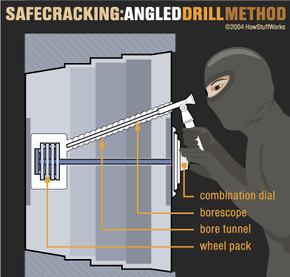
Why Would Someone Need to Drill Open a Safe?
There are several legitimate reasons why someone might need to drill open a safe:
- Lost Keys or Combinations: This is the most common reason. If you’ve lost the key to your keyed safe or forgotten the combination to your combination lock safe, drilling becomes a necessary option.
- Malfunctioning Lock: Safes, like any mechanical device, can malfunction. A seized lock or a damaged dial can prevent access to the contents.
- Emergency Access: In situations where immediate access to critical documents or valuables is required (e.g., medical information, legal documents), drilling might be the quickest solution.
- Real Estate Purchases: When purchasing a property that includes a safe with no known access method, drilling is often the only way to gain entry.
- Safe Repair: Sometimes, drilling a small hole is part of the safe repair process, allowing a locksmith to access and repair the internal mechanism without completely destroying the safe.
The Importance of Professionalism and Safety
Before we delve into the methods, it’s crucial to emphasize safety and professionalism. Drilling a safe lock is not a DIY project for the inexperienced. Improper techniques can lead to:
- Damage to the Safe: Unskilled drilling can render the safe unusable and unrepairable.
- Damage to Contents: If not done carefully, you could damage the items stored inside the safe.
- Injury to Yourself: Metal shavings, flying debris, and powerful drilling equipment can cause serious injuries.
- Ineffectiveness: You might end up with a damaged safe and still no access to its contents.
Therefore, this guide is for informational purposes to help you comprehend the process. For actual safe opening, always consult a qualified and licensed professional safe technician or locksmith. They have the expertise and specialized locksmith tools for safes to perform the job safely and efficiently, often minimizing damage to the safe itself.
Fathoming the Anatomy of a Safe
To effectively drill a safe, one must first understand its construction. Drilling metal safes requires knowing where the critical components are located. Safes are designed to protect their contents from forced entry, and their construction reflects this.
Key Components of a Safe:
- Outer Shell: The exterior layer, typically made of thick steel or composite materials.
- Inner Shell: Often a secondary layer of metal, providing additional resistance.
- Reinforcing Materials: Many safes incorporate fire-resistant materials, concrete, or proprietary composite fills between the inner and outer shells to deter drilling and withstand heat.
- Locking Mechanism: This is the primary target for drilling. It includes:
- Boltwork: Stout metal bolts that extend from the door into the safe’s frame, securing it.
- Locking Plate/Guard: A hardened steel plate that protects the lock mechanism from direct drilling.
- Relocker: A crucial security device. If the lock is attacked (e.g., by drilling or prying), a relocker is triggered, jamming the boltwork and making the safe impossible to open, even with the correct combination.
- Door: The most accessible part of the safe, often constructed with multiple layers of metal and protective materials.
Tools of the Trade: Locksmith Tools for Safes
Professional safe opening relies on specialized equipment. Attempting to drill open a safe with standard household drills is highly unlikely to succeed and will likely cause more harm than good.
Essential Tools for Safe Drilling:
- High-Powered Drill: A variable-speed, reversible drill is essential. Corded drills often provide more consistent power than cordless ones.
- Drill Bits:
- High-Speed Steel (HSS) Bits: Suitable for general metal drilling but may struggle with hardened steel.
- Cobalt Bits: More heat-resistant and durable than HSS, better for drilling harder metals.
- Carbide-Tipped Bits: The preferred choice for drilling metal safes, especially those with hardened steel components. They are extremely hard and can cut through tough materials.
- Annular Cutters: These are specialized hole-saw-like bits that cut a ring of metal, leaving a plug and creating a clean, efficient hole. They are often used for safe drilling techniques.
- Cutting Lubricant/Coolant: Essential for reducing friction, preventing overheating of drill bits, and extending their lifespan.
- Center Punch and Hammer: Used to create a starting dimple for the drill bit, preventing it from wandering.
- Calipers and Measuring Tape: For precise measurements to pinpoint drilling locations.
- Magnifying Glass or Inspection Scope: To view the internal workings of the lock through the drilled hole.
- Screwdrivers and Pliers: For removing any exterior panels or components.
- Grinding Tools (Optional): To smooth edges or remove burrs after drilling.
- Safety Gear: This is non-negotiable. Safety glasses, hearing protection, gloves, and dust masks are critical.
Deciphering Safe Drilling Approaches
There are several primary methods used by professionals to drill open a safe, each targeting specific parts of the locking mechanism. The chosen method depends on the type of safe, the lock mechanism, and the desired outcome (e.g., preserving the lock).
Method 1: Drilling the Lock Mechanism Directly
This is the most common approach for drilling a safe lock. The goal is to create a hole precisely positioned to access and disable the lock’s internal components.
Steps Involved:
- Locate the Lock: Identify the exact position of the lock on the safe door. This often involves consulting safe schematics or using experience.
- Target Points: Professional locksmiths have precise target points for drilling. These points are chosen to bypass hardened steel guards and reach critical parts of the lock mechanism, such as:
- The Gate: The opening in the fence that allows the bolt to retract.
- The Tumblers/Wheels: In combination locks, drilling to align or manipulate the tumblers.
- The Bolt Disconnection: Drilling to sever the connection between the lock and the boltwork.
- Marking the Drilling Point: Using a center punch, a precise mark is made at the target location.
- Pilot Hole: A small pilot hole is drilled first. This ensures the larger bit follows the intended path and prevents the bit from skating across the metal.
- Gradual Increase in Bit Size: The hole is enlarged incrementally using progressively larger drill bits. This reduces stress on the drill bit and allows for better control.
- Cooling and Lubrication: Throughout the drilling process, coolant is applied to prevent the drill bit from overheating, which can dull it and make drilling more difficult.
- Observation and Manipulation: As the hole is deepened, a locksmith might use an inspection scope to observe the lock’s internal components. They may then use specialized probes or tools inserted through the hole to manipulate the lock.
- Bypassing the Relocker: Many drilling techniques are designed to avoid triggering the relocker. If a relocker is triggered, the safe becomes extremely difficult to open. Skilled technicians know how to drill around or disable the relocker.
- Opening the Safe: Once the lock is successfully bypassed, the bolts can be retracted, and the safe door can be opened.
Considerations for This Method:
- Precision: This method requires extreme precision. A millimeter off can mean hitting hardened steel, rendering the drill bit useless, or missing the critical internal components.
- Lock Preservation: If the goal is to preserve the lock for future use, drilling is often done in a way that minimizes damage, creating a small access hole.
Method 2: Drilling Through the Boltwork
In some cases, particularly with older or less sophisticated safes, it might be possible to drill through the boltwork itself. This bypasses the lock mechanism entirely.
Steps Involved:
- Identify Bolt Location: Determine the path of the locking bolts.
- Drill into the Bolt: A hole is drilled directly into the bolt, ideally at a point where it can be weakened or broken.
- Break or Manipulate Bolt: Once a sufficient hole is drilled, tools may be used to break the bolt or manipulate it to retract.
Considerations for This Method:
- Bolt Hardness: Many modern safes have hardened steel bolts that are very difficult to drill.
- Less Common: This is generally a less preferred method for safe opening methods as it can be more destructive to the boltwork.
Method 3: Drilling to Access the Relocker
If a relocker has been triggered or if the primary lock is exceptionally well-protected, a skilled technician might drill to directly access and disable the relocker.
Steps Involved:
- Locate the Relocker: This requires detailed knowledge of the safe’s internal design.
- Drill to the Relocker: A precise drilling path is calculated to reach the relocker mechanism.
- Disable the Relocker: Once accessed, the relocker is disabled, allowing the boltwork to move.
Considerations for This Method:
- Extreme Difficulty: Relockers are designed to be extremely hard and difficult to bypass. This method is reserved for highly experienced professionals.
- Often Destructive: Disabling a relocker often involves damaging it.
Method 4: Drilling Through the Body (Less Common for Lock Access)
While not a primary method for accessing the lock, drilling through the safe’s body might be employed in specific scenarios, such as gaining access to a fire-resistant fill or to bypass a complex door assembly. This is generally a more destructive method and less about precise safe manipulation.
Factors Influencing Drilling Success
Several factors can make drilling metal safes more challenging:
- Safe Manufacturer and Model: Different manufacturers use varying levels of security and materials. High-security safes are designed to resist drilling.
- Lock Type: Mechanical combination locks, electronic locks, and key locks all present different drilling challenges.
- Hardened Steel Plates: Most safes have hardened steel plates protecting the lock mechanism. These are exceptionally difficult to drill.
- Relocker Mechanisms: As mentioned, these devices are designed to activate upon drilling and prevent opening.
- Internal Fireproofing: Some safes have fire-resistant materials that can melt, gum up drill bits, or obscure the target.
- Safe Age and Condition: Older safes may have less sophisticated security features, but corrosion or wear can also present challenges.
The Art of Safe Manipulation vs. Drilling
It’s important to distinguish drilling from safe manipulation.
- Safe Manipulation: This is a non-destructive technique where a locksmith uses highly sensitive listening devices and touch to “feel” the internal workings of a combination lock. By listening to the tumblers fall into place and feeling the movement of the fence, the locksmith can “read” the combination without drilling. This requires immense skill and practice and is the preferred method when possible as it leaves the safe undamaged.
- Drilling: This is a destructive entry method, creating a physical breach to bypass the lock. It is used when manipulation is not feasible or has failed.
While this article focuses on drilling, understanding that manipulation is often the first approach for safe cracking professionals is important.
Safety First: Precautions When Drilling a Safe
Even when performed by professionals, drilling a safe carries inherent risks. For those considering any hands-on approach (again, strongly discouraged for amateurs), here are critical safety measures:
Personal Protective Equipment (PPE):
- Eye Protection: Heavy-duty safety glasses or a full face shield are essential to protect against metal shards and debris.
- Hearing Protection: Drills, especially when cutting metal, are loud. Earplugs or earmuffs are necessary.
- Gloves: Heavy-duty work gloves protect against sharp edges and heat.
- Dust Mask/Respirator: Metal dust can be harmful if inhaled. A good quality respirator is recommended.
Operational Safety:
- Secure the Safe: Ensure the safe is stable and won’t move or tip over during drilling.
- Proper Ventilation: Work in a well-ventilated area to prevent the buildup of metal dust and fumes from lubricants.
- Fire Hazard: Metal shavings can be hot. Have a fire extinguisher readily available. Be aware of flammable materials nearby.
- Electrical Safety: Ensure power cords are in good condition and avoid working in wet conditions.
- Know Your Limits: If at any point you feel uncomfortable or unsure, stop immediately and call a professional.
What Happens After Drilling?
Once a safe has been successfully drilled open, there are a few possibilities:
- Lock Damaged, Safe Intact: If the drilling was precise and targeted, the lock mechanism may be damaged, but the rest of the safe remains functional. A locksmith can often replace the lock, allowing the safe to be used again. This is the ideal outcome for safe repair.
- Safe Rendered Unusable: More aggressive drilling or hitting hardened components can damage the door or boltwork to the point where the safe can no longer be secured.
- Contents Damaged: While professionals aim to avoid this, accidental damage to the contents can occur if the drilling penetrates too deeply or hits an item within the safe.
Frequently Asked Questions (FAQ)
Q: How long does it take to drill open a safe?
A: The time can vary significantly, from 15 minutes for a very simple safe with a basic lock and minimal protection, to several hours or even days for high-security safes with complex relocking systems and hardened steel.
Q: Can I use my regular home drill?
A: It’s highly unlikely. Regular drills typically lack the power, torque, and durability required for drilling metal safes. You also won’t have the specialized drill bits (like carbide-tipped) or the precision needed.
Q: Will drilling destroy my safe?
A: It depends on the safe’s construction, the skill of the person drilling, and the method used. Professional locksmiths often aim to minimize damage, allowing for lock replacement and continued use of the safe. However, it is inherently a destructive process.
Q: Is safe drilling legal?
A: Opening a safe that you own or have legal permission to access is legal. However, attempting to drill open a safe that you do not own or have permission to access is illegal and considered burglary or theft.
Q: What if the relocker triggers?
A: If a relocker is triggered, it jams the boltwork, making it impossible to open the safe even with the correct combination or key. Professionals have specialized techniques to deal with relockers, but it significantly increases the difficulty and time required.
Q: Can I drill a safe without damaging the contents?
A: Professionals strive to avoid damaging contents by carefully mapping out drilling points and using precise techniques. However, there is always a risk, especially with smaller safes or if the items are stored very close to the locking mechanism.
Q: What’s the difference between safe drilling and safe picking?
A: Safe picking (more accurately, safe manipulation) is a non-destructive method of opening a safe by manipulating the lock’s internal components to the correct combination. Drilling is a destructive method that involves physically breaching the safe’s casing to access and bypass the lock.
Conclusion
Drilling open a safe is a complex and potentially dangerous task that should only be undertaken by trained professionals. While this guide offers insight into the safe drilling techniques and the tools involved, it is not an endorsement for attempting this yourself. The intricacies of safe cracking, from precise drilling a safe lock to understanding safe manipulation and bypassing a safe, require years of experience and specialized locksmith tools for safes. Always prioritize safety and the integrity of your valuables by calling a qualified safe technician for any safe opening needs, including safe repair or entry into drilling metal safes.