
Image Source: i.ytimg.com
How Do You Drill A Hole In A Rock Safely & Easily: The Ultimate Guide
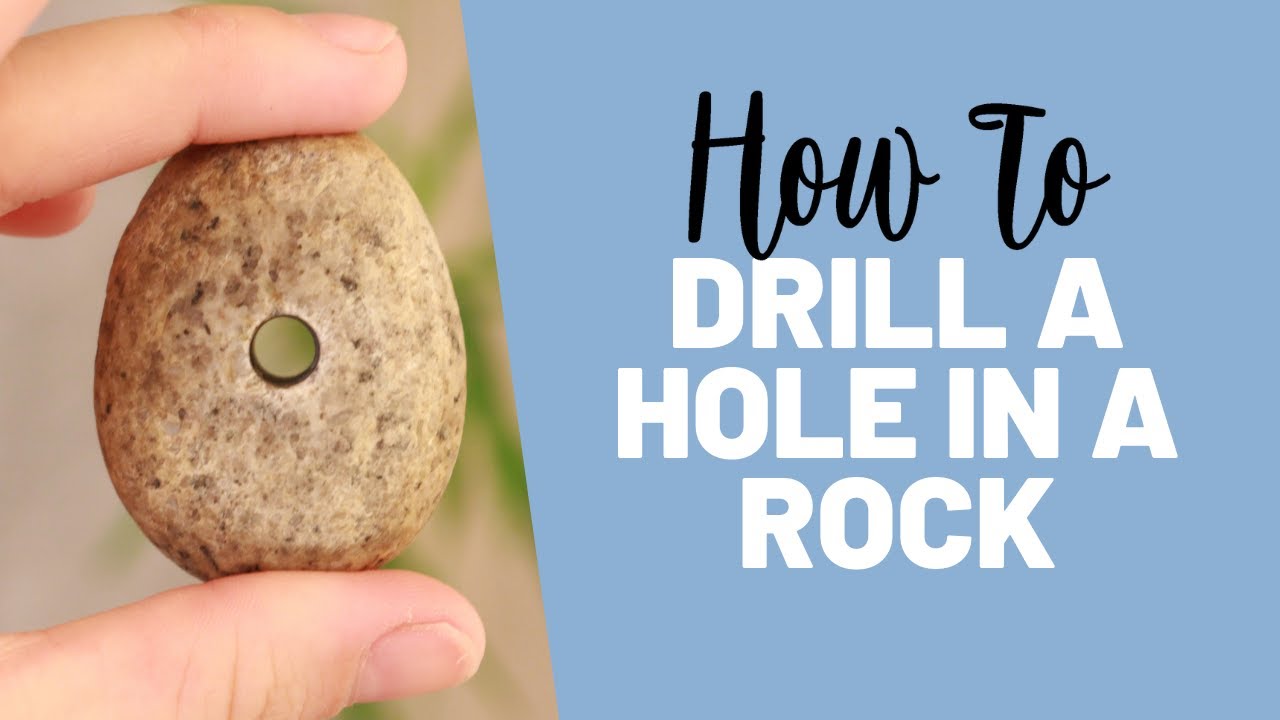
Can you drill a hole in a rock? Yes, you absolutely can drill a hole in a rock! This guide will show you how to do it safely and easily, covering everything from choosing the right tools to making sure you stay protected. We’ll explore various rock drilling techniques, the best rock drilling tools, and how to approach drilling rock for different purposes, whether it’s for a simple garden feature or more complex anchor drilling rock applications.
Drilling into rock might seem like a job for experts with heavy machinery, but with the right approach and tools, it’s a task that many DIY enthusiasts can tackle. Whether you’re looking to create a decorative feature, install a fence post, or prepare for some landscaping, knowing how to effectively drill into stone is a valuable skill. This comprehensive guide will walk you through the process, ensuring you can make a hole in rock with confidence and safety.
Choosing the Right Tools for Rock Drilling
The success of your stone drilling project hinges on selecting the appropriate tools. Not all drills and bits are created equal when it comes to tackling tough materials like stone and concrete.
Power Drills and Hammers
For most DIY rock drilling tasks, a powerful hammer drill or a rotary hammer is your best bet. These tools combine rotation with a hammering action, which is essential for breaking up the hard material of the rock.
- Hammer Drills: These are suitable for smaller to medium-sized rocks and less dense stone. They offer a percussive action that helps the drill bit chip away at the rock.
- Rotary Hammers (SDS Drills): For harder rocks and larger drilling jobs, a rotary hammer is significantly more effective. They use a piston mechanism to deliver much more powerful impacts. Look for drills with SDS (Slotted Drive System) chucks, which are designed for heavy-duty drilling.
Drill Bits for Stone Drilling
The drill bit is arguably the most critical component. You cannot use standard wood or metal drill bits for drilling rock.
- Carbide-Tipped Masonry Bits: These are the standard for stone drilling and are suitable for softer stones like sandstone or limestone, and also for drilling concrete. They have a very hard carbide tip brazed onto a steel shank.
- Masonry Bits (Tungsten Carbide): Similar to carbide-tipped bits, but often with a more robust carbide tip for slightly harder applications.
- Diamond Core Bits: For clean, precise holes, especially in harder materials or when you need to create a larger diameter hole without excessive chipping, diamond core bits are the professional’s choice. They use diamond grit embedded in a metal matrix to grind through the rock. These are typically used with a water supply to keep the bit cool and reduce dust.
- Specialized Rock Drill Bits: For extremely hard rocks or very deep holes, specialized bits like percussion bits or blast hole bits are used, often by professionals with powerful drilling rigs.
When selecting a bit, consider the diameter of the hole you need and the type of rock you are drilling into. Always choose a bit specifically designed for masonry or stone.
Safety First: Essential Precautions for Rock Drilling
Rock drilling can be a dusty and noisy process, and safety should always be your top priority. Mishandling tools or ignoring safety precautions can lead to serious injury.
Personal Protective Equipment (PPE)
Wearing the right PPE is non-negotiable.
- Safety Glasses or Goggles: Essential to protect your eyes from flying rock chips and dust.
- Ear Protection: Hammer drills and rotary hammers are loud. Use earplugs or earmuffs to prevent hearing damage.
- Dust Mask or Respirator: Drilling rock creates fine silica dust, which can be harmful if inhaled. A good quality dust mask (N95 or better) is crucial.
- Gloves: Heavy-duty work gloves will protect your hands from abrasion and provide a better grip on tools.
- Sturdy Footwear: Closed-toe, sturdy shoes are necessary to protect your feet from falling debris or dropped tools.
Safe Drilling Practices
Beyond PPE, adopt safe working habits.
- Secure the Workpiece: If drilling a smaller rock or a piece of stone, ensure it is stable and won’t move during drilling. Use clamps or secure it with heavy objects.
- Proper Tool Handling: Always maintain a firm grip on your drill. Stand with a balanced stance.
- Avoid Overreaching: Keep your balance while drilling. Don’t stretch too far, which can lead to loss of control.
- Cooling the Drill Bit: For extended stone drilling, especially with carbide bits, water can be used to cool the bit and reduce dust. A spray bottle or a continuous water feed (for core bits) is effective.
- Clear the Area: Ensure the area around your drilling site is clear of debris, other people, and pets.
Step-by-Step Guide to Drilling a Hole in Rock
Here’s a breakdown of how to make a hole in rock, suitable for various applications from light landscaping to anchor drilling rock.
Preparation is Key
Before you even pick up a drill, proper preparation makes the job much smoother and safer.
- Assess the Rock: Identify the type of rock. Is it soft sandstone, hard granite, or concrete? This will influence your tool and bit choice.
- Mark the Spot: Use a pencil, chalk, or a marker to clearly indicate where you want to drill the hole. For precise work, you might use a center punch to create a small indentation for the drill bit to start in.
- Gather Your Tools and PPE: Have everything ready before you begin.
The Drilling Process
This covers the actual drilling rock steps.
Step 1: Select and Attach the Right Drill Bit
- Choose a drill bit suitable for your rock type and the desired hole size.
- Ensure the drill bit is securely fastened in the chuck of your drill. If using an SDS drill, twist and lock the bit into place.
Step 2: Set Up Your Drill
- For hammer drills, select the “hammer” or “percussion” setting. If drilling a softer material or starting the hole, you might temporarily switch to a standard drilling mode to prevent excessive chipping.
- For rotary hammers, select the appropriate mode (hammer only, rotation only, or hammer with rotation).
Step 3: Start the Hole
- Hold the drill firmly perpendicular to the rock surface.
- Begin drilling at a slow speed, applying steady pressure. The initial penetration is often the hardest part.
- If using a center punch mark, align the tip of the drill bit with it.
Step 4: Drill the Hole
- Once the bit has started to bite, increase the drill speed.
- Apply consistent, firm pressure. Let the drill do the work; don’t force it.
- Periodically withdraw the drill bit slightly while it’s still spinning. This helps clear out dust and debris from the hole, preventing the bit from overheating or getting jammed. This is a crucial part of effective rock drilling techniques.
- If using water for cooling, spray intermittently or ensure your water feed is functioning.
Step 5: Continue Until Desired Depth
- Keep drilling, periodically clearing the hole, until you reach your target depth.
- For deeper holes, take breaks to allow the drill motor to cool down.
Step 6: Clean Up the Hole
- Once the hole is drilled, use a brush, compressed air, or a vacuum to remove all dust and debris from inside. This is especially important for anchor drilling rock, as debris can prevent anchors from seating properly.
Advanced Rock Drilling Techniques
For more demanding projects, like creating multiple holes, larger diameter holes, or working with extremely hard materials, different drilling methods rock are employed.
Core Drilling
Core drilling uses a hollow, cylindrical drill bit (a core bit) that cuts a circular kerf around the perimeter of the hole. The material removed remains in the center as a “core.”
- Purpose: Ideal for creating precise, clean holes without excessive fragmentation, often used for core samples, plumbing, or electrical conduits.
- Equipment: Requires a core drill rig, often with a water supply for cooling and dust suppression, and diamond core bits.
- Process: The rig provides stable, precise drilling. Water is essential to cool the diamond bit and flush away cuttings.
Percussion Drilling
This method relies on repeated hammering blows to break up the rock.
- Purpose: Efficient for creating holes in hard rock, often used in mining and construction for blasting.
- Equipment: Heavy-duty rotary hammer drills or pneumatic jackhammers with specialized drill bits.
- Process: The rapid impact breaks down the rock, and the rotation helps to advance the hole.
Percussive Rotary Drilling
This is what most DIYers will be using, combining rotation with percussive blows.
- Purpose: A versatile method for a wide range of stone drilling applications.
- Equipment: Hammer drills and rotary hammers.
- Process: The simultaneous rotation and hammering action is highly effective for breaking down rock.
Drilling Different Types of Rocks and Materials
The hardness and composition of the rock significantly impact the drilling rock process.
Drilling Concrete
Concrete is a composite material, and drilling concrete is very similar to drilling hard stone.
- Tools: A powerful hammer drill or rotary hammer is essential.
- Bits: Carbide-tipped masonry bits or SDS bits are suitable. For reinforced concrete, you might encounter rebar, which requires a bit capable of cutting metal (like a specialized rebar-cutting bit) or you may need to drill through it.
- Technique: Use the hammer function, clear debris frequently, and consider using water to keep the bit cool, especially in reinforced concrete.
Drilling Sandstone and Limestone
These are generally softer sedimentary rocks.
- Tools: A standard hammer drill is often sufficient.
- Bits: Carbide-tipped masonry bits will work well.
- Technique: You may not need the hammer function as much, or you can use it sparingly to avoid excessive chipping on the surface.
Drilling Granite and Hard Igneous Rocks
Granite is a very hard igneous rock, presenting a significant challenge.
- Tools: A powerful rotary hammer is highly recommended. A standard hammer drill may struggle or overheat.
- Bits: High-quality, carbide-tipped masonry bits are a minimum. For serious granite work, diamond core bits are often preferred for cleaner results and durability.
- Technique: Use the hammer function consistently. Take breaks often to let the drill and bit cool. Water cooling is almost essential for prolonged drilling to prevent bit damage.
Drilling Slate and Other Metamorphic Rocks
Slate can be brittle and prone to splitting.
- Tools: A hammer drill can work, but use caution.
- Bits: Carbide-tipped masonry bits.
- Technique: Start at a lower speed and with less hammering action to avoid splitting the slate. Gradually increase pressure and hammering as needed. Drilling from both sides to meet in the middle can sometimes reduce chipping.
Troubleshooting Common Rock Drilling Issues
Even with the best preparation, you might encounter problems.
- Bit Getting Stuck: If your drill bit gets jammed, turn off the drill immediately. Try to carefully back the bit out while rotating it slowly. If it’s firmly stuck, you may need to carefully chip away surrounding rock with a hammer and chisel, or try a larger bit to loosen the area.
- Overheating: This is a common problem with hard rock. Ensure you are using the correct bits and the right drill settings. Take frequent breaks, use water cooling, and don’t force the drill.
- Excessive Chipping/Cracking: This can happen with softer rocks or if you’re using too much force. Try a slower speed, less hammering action, or a different type of drill bit (like a diamond core bit for cleaner cuts).
- Dust Buildup: As mentioned, regularly withdrawing the bit while it’s spinning is key. A shop vacuum or compressed air can also help clear the hole.
Specific Applications: Anchor Drilling Rock
When you need to secure something to a rock surface, such as a railing, a bracket, or a signpost, anchor drilling rock is the task.
- Purpose: To create a precisely sized and clean hole for expansion anchors, chemical anchors, or other fastening systems.
- Tools: A rotary hammer is generally preferred for its power and efficiency.
- Bits: A masonry bit of the exact diameter specified for your chosen anchor is crucial.
- Process:
- Marking and Alignment: Accurately mark the spot for the anchor. Ensure your drilling is perfectly perpendicular to the surface for the anchor to function correctly.
- Drilling: Use the rotary hammer with the correct bit and hammer action. Drill to the depth specified by the anchor manufacturer.
- Cleaning: Thoroughly clean the hole. This is vital for the anchor’s holding power. Use a brush and compressed air or a vacuum. For chemical anchors, this step is critical for a strong bond.
- Anchor Installation: Insert the anchor into the clean hole as per the manufacturer’s instructions.
Maintaining Your Rock Drilling Tools
To ensure your rock drilling tools last and perform effectively, proper maintenance is key.
- Drill Bits:
- Keep them clean.
- If they become dull, they can be sharpened by a professional, but carbide tips eventually need replacement.
- Store them properly to avoid damage.
- Drills:
- Keep the drill and its vents clean.
- Avoid dropping or rough handling.
- Follow the manufacturer’s maintenance recommendations.
Frequently Asked Questions (FAQ)
Q: Can I use a regular drill for drilling rock?
A: No, a standard drill without a hammer function is generally not powerful enough or designed for stone drilling. You’ll need a hammer drill or a rotary hammer for effective rock drilling.
Q: How do I prevent my drill bit from breaking when drilling rock?
A: Use the correct drill bit for the material, ensure the bit is sharp, don’t force the drill, take breaks to cool the bit, and periodically withdraw the bit to clear debris.
Q: What is the best way to drill a large hole in rock?
A: For large holes, a diamond core bit used with a core drill rig is the most effective method. If using a handheld drill, you might need to drill multiple smaller holes around the perimeter and then carefully chip away the material between them, or use a larger masonry bit if your drill is powerful enough.
Q: How deep can I drill a hole in rock?
A: The depth depends on the power of your drill, the type of rock, and the length of your drill bits. For very deep holes, specialized drilling equipment is required.
Q: Is drilling rock dangerous?
A: It can be if proper safety precautions are not taken. Always use appropriate PPE, secure your work, and operate tools correctly. The risk of flying debris, noise exposure, and tool malfunction are all factors to consider.
By following these guidelines, you can confidently and safely drill holes in rock for your DIY projects. Remember to always prioritize safety, choose the right tools, and be patient, especially when working with harder materials. Happy drilling!