
Yes, you can drill into stucco. Drilling into stucco is a common DIY task for hanging decorations, installing fixtures, or attaching other items to your home’s exterior or interior walls. It’s a straightforward process if you have the right tools and follow the correct steps. This guide will walk you through everything you need to know about drilling into stucco, from choosing the right drill bit to securing your items.
Stucco is a beautiful and durable building material, but it can also be brittle. This means that with the wrong approach, you might chip, crack, or otherwise damage the surface. Whether you’re drilling into a thick, textured exterior wall or a smoother interior plaster finish, knowing the proper technique is key to a clean, successful outcome.
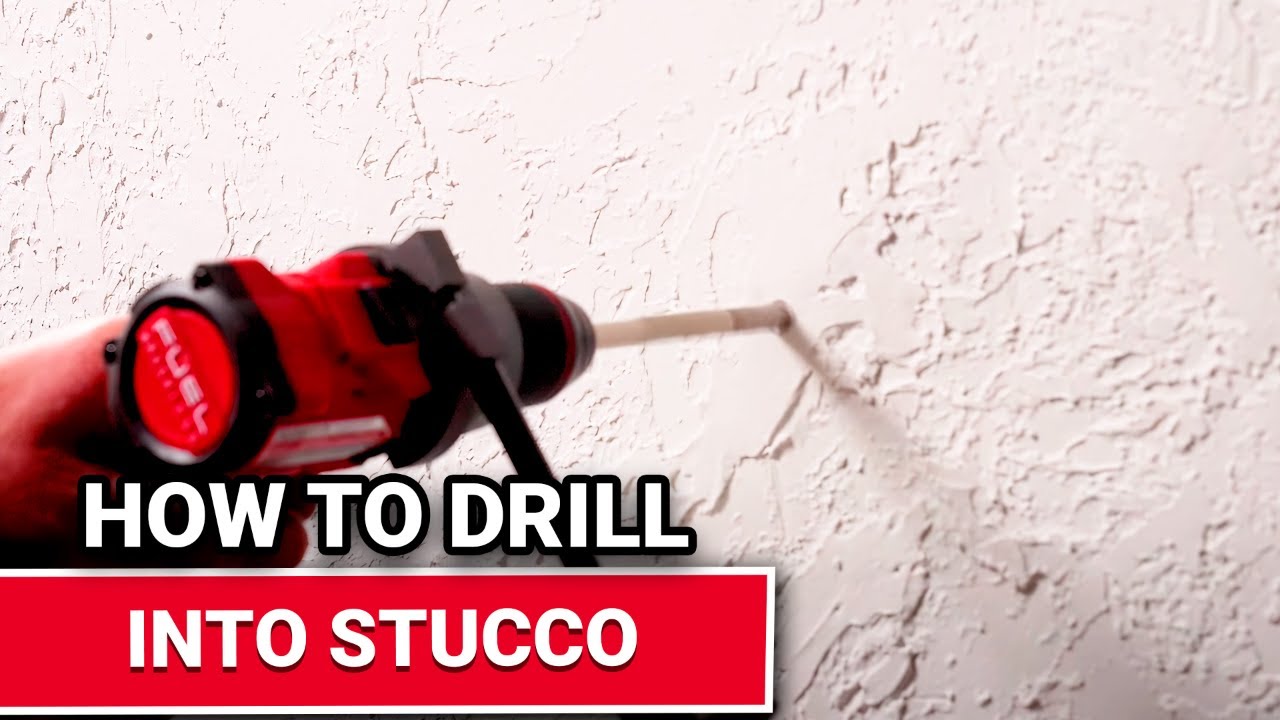
Image Source: i.ytimg.com
Essential Tools for Drilling Stucco
Before you start drilling stucco, gather the necessary tools. Having everything ready will make the job smoother and prevent interruptions.
Here’s a list of what you’ll need:
- Cordless Drill or Hammer Drill: A cordless drill is usually sufficient for most stucco applications. However, if your stucco is particularly dense or you’re drilling into concrete behind the stucco, a hammer drill can provide extra power.
- Stucco Drill Bit: This is arguably the most critical tool. You need a drill bit designed for masonry. Carbide-tipped masonry bits are the standard. For harder stucco or concrete, consider a specialized masonry bit with a stronger carbide tip or a SDS (slotted drive system) bit if you’re using a rotary hammer.
- Safety Glasses: Always protect your eyes from flying debris.
- Dust Mask: Stucco dust can be harmful to inhale, so wear a mask.
- Measuring Tape and Pencil: For marking your drilling locations accurately.
- Level: To ensure items are hung straight.
- Vacuum Cleaner or Dust Collector: To clean up dust as you drill.
- Masking Tape or Painter’s Tape: To help prevent surface chipping and mark your drilling depth.
- Wall Anchors: The type of anchor will depend on what you are hanging and the weight it will support. Common options include plastic expansion anchors, toggle bolts, or self-drilling stucco anchors.
- Screwdriver or Socket Wrench: To drive your screws or bolts into the anchors.
- Optional: Drill Guide or Jig: For perfectly straight holes, especially if you’re hanging something that requires precise alignment.
What is the Best Drill Bit for Stucco?
The best drill bit for stucco is a carbide-tipped masonry drill bit. These bits are specifically designed to cut through hard materials like concrete, brick, and stucco. They have a hardened steel shank and a tip made of tungsten carbide, which is extremely hard. For drilling into stucco exterior walls, which may have a thicker, more robust finish, or if you encounter particularly dense material or need to reach concrete substrate, a masonry bit is essential.
Preparing the Stucco Surface
Proper preparation is crucial for successful drilling. This step helps prevent cracking and ensures a cleaner hole.
1. Identify the Stucco Type and Substrate
Stucco is typically applied over a lath (wire mesh) and then a base coat of cement plaster. Sometimes, it’s applied directly to masonry or wood framing. The substrate beneath the stucco can affect your drilling.
- Stucco over Lath: This is common. You’ll drill through the stucco layers and potentially the lath.
- Stucco over Concrete Block or Brick: You’ll likely encounter solid masonry.
- Stucco over Wood Framing: You might hit wood after passing through the stucco.
2. Mark Your Drilling Location
Use a measuring tape and pencil to mark exactly where you want to drill. If you are hanging multiple items, use a level to ensure your marks are aligned. For precise hanging, consider using masking tape on the wall to mark your spot; this can also help minimize chipping.
3. Protect the Surrounding Area
Lay down a drop cloth or use newspaper to catch any falling dust and debris.
The Drilling Process: Step-by-Step
Drilling stucco requires a gentle but firm approach. Here’s how to do it right:
Step 1: Select the Right Drill Bit Size
The size of your drill bit should match the size of the anchor you plan to use. Anchors typically have a recommended drill bit size printed on their packaging. For example, if you’re using a 1/4-inch anchor, you’ll need a 1/4-inch masonry drill bit.
Step 2: Set Up Your Drill
- For Cordless Drills: Ensure the battery is fully charged. Set the drill to its highest speed setting. If your drill has a hammer function, you can use it for denser stucco or if you’re drilling into a concrete substrate. For lighter stucco, the standard drill function might be sufficient and gentler.
- For Hammer Drills: Set the hammer drill to the hammer setting if you anticipate needing extra force. If drilling into wood or a softer stucco layer, you might disengage the hammer function.
Step 3: Start Drilling
- Create a Starting Point: Place the tip of the stucco drill bit on your marked spot. You can lightly tap the tip of the bit with a hammer to create a small indentation. This helps prevent the bit from wandering.
- Apply Gentle Pressure: Begin drilling at a slow speed. As the bit starts to bite into the stucco, gradually increase your speed.
- Maintain a Straight Angle: Keep the drill perfectly perpendicular (90 degrees) to the wall. If the drill bit starts to wobble, it can create an oversized or uneven hole, making anchor installation difficult. A drill guide can be helpful here.
- Drill in Short Bursts: Drill for a few seconds, then pull the bit out to clear dust and debris from the hole. This also helps prevent the bit and the stucco from overheating. If you’re drilling into stucco exterior walls, you’ll likely need to clear dust more frequently.
- Use the Hammer Function (If Needed): If you encounter significant resistance or are drilling into a very hard material, engage the hammer function on your drill. Be mindful that excessive force can crack the stucco.
Step 4: Measure Drilling Depth
To ensure your anchor fits properly, you need to drill to the correct depth.
- Using Tape: Wrap a piece of masking tape around the drill bit at the desired depth. This acts as a visual indicator.
- Anchor Packaging: Refer to the anchor’s packaging for the recommended drilling depth. Most anchors will specify this.
Step 5: Clean the Hole
Once you’ve drilled to the required depth, slowly pull the drill bit out while it’s still spinning at a low speed. This helps clear any loose debris from the hole. Use a vacuum cleaner extension or a can of compressed air to blow out the remaining dust. A clean hole is crucial for the anchor to grip effectively.
Installing Anchors into Stucco
After drilling the hole, it’s time to insert the anchor. The method varies slightly depending on the type of anchor.
Common Anchor Types for Stucco
Here’s a look at popular anchors and how to install them:
1. Plastic Expansion Anchors
- Description: These are common, inexpensive anchors that expand as a screw is driven into them.
- Installation:
- Gently tap the plastic anchor into the drilled hole with a hammer until it’s flush with the stucco surface.
- Insert the appropriate screw into the anchor.
- Drive the screw into the anchor with a screwdriver or drill until it’s snug.
2. Toggle Bolts
- Description: These are heavy-duty anchors with spring-loaded wings that open behind the wall. They are excellent for hanging heavier items.
- Installation:
- Fold the spring-loaded wings flat against the bolt.
- Push the bolt through the anchor’s housing, allowing the wings to spring open behind the stucco.
- Pull the bolt back slightly to seat the wings firmly against the inner surface.
- Tighten the bolt.
3. Self-Drilling Stucco Anchors
- Description: These are a convenient option specifically designed for materials like stucco and drywall. They have a pointed tip and threading that allows them to cut their own pilot hole and then screw directly into the stucco.
- Installation:
- Position the self-drilling stucco anchor at your marked spot.
- Use a drill or screwdriver to drive the anchor directly into the stucco.
- Once the anchor is fully seated, you can screw your item directly into it.
4. Molly Bolts (Sleeve Type Anchors)
- Description: These metal anchors expand as you tighten a bolt. They offer good holding power.
- Installation:
- Insert the molly bolt into the drilled hole.
- Use a screwdriver or wrench to tighten the bolt. As you tighten, the sleeve expands behind the stucco.
- Once expanded, you can often remove the bolt and use it to attach your item.
Securing Your Item
After the anchor is in place, attach your item using the appropriate screw, bolt, or hook. Ensure it’s secure and level.
Drilling into Plaster Surfaces
Drilling into plaster, often found on interior walls, has some similarities to drilling into stucco but can also present unique challenges. Plaster is typically a mix of gypsum, lime, and sand.
Similarities to Stucco
- Material Fragility: Both plaster and stucco can chip or crack if not drilled carefully.
- Substrate: Plaster is usually applied over wood lath or metal mesh, similar to stucco.
- Tooling: Carbide-tipped masonry bits are generally suitable.
Differences and Considerations
- Texture: Interior plaster may be smoother than exterior stucco, making bit slippage a higher risk.
- Dust: Plaster dust can be very fine and pervasive.
- Depth: Interior plaster layers might be thinner than exterior stucco.
Techniques for Drilling into Plaster
- Use Painter’s Tape: Apply a few layers of painter’s tape over the drilling spot to help prevent the plaster from chipping.
- Start Slow: Begin drilling at a very slow speed to create a clean entry point.
- Gentle Pressure: Use minimal pressure. Let the drill bit do the work.
- Clear Debris: Regularly pull the bit out to clear dust and debris.
- Anchor Choice: For lighter items, plastic anchors or self-tapping screws might suffice. For heavier items, you’ll need more robust anchors, like toggle bolts, inserted into drilled holes.
The process of drilling anchor holes in stucco or plaster is all about precision and using the right tools. When you’re hanging on stucco, a well-installed anchor is critical for safety and longevity.
Troubleshooting Common Drilling Issues
Even with the best preparation, you might encounter problems. Here are some common issues and how to fix them.
Problem: The Drill Bit is Slipping
- Cause: The stucco surface is too smooth, or you’re not starting with enough downward pressure.
- Solution: Apply masking tape to the drilling area. Ensure the drill bit tip is sharp and centered on your mark. Start the drill at a very low speed before increasing it.
Problem: The Stucco is Cracking Around the Hole
- Cause: Too much pressure, a dull drill bit, or using the hammer function unnecessarily.
- Solution:
- Reduce the pressure on the drill.
- Ensure your stucco drill bit is sharp.
- If using a hammer drill, try disengaging the hammer function.
- If the crack is minor, you can often fill it with a suitable exterior caulk after installing the anchor.
Problem: The Hole is Too Large for the Anchor
- Cause: The drill bit was larger than specified, or the drill wandered during the process.
- Solution:
- For a slightly oversized hole, try a slightly larger anchor if available.
- You can also try using a bit of construction adhesive or epoxy to help secure the anchor in place.
- For significantly oversized holes, you might need to patch the area and start over in a new location.
Problem: The Anchor Won’t Go In All the Way
- Cause: The hole is not deep enough, or there’s debris blocking the anchor.
- Solution:
- Ensure you’ve drilled to the recommended depth.
- Clean out the hole thoroughly with a vacuum or compressed air.
- If using a plastic anchor, a few gentle taps with a hammer might be needed to seat it fully.
Maintaining Your Drill and Bits
To ensure longevity and performance when drilling stucco, take care of your tools.
- Keep Bits Sharp: Dull bits require more force, leading to potential damage and poor results. Sharpen masonry bits periodically or replace them when they become worn.
- Clean Your Drill: After each use, especially when drilling into dusty materials, wipe down your drill to remove any accumulated dust.
- Proper Storage: Store your drill and bits in a dry place to prevent rust and damage.
Hanging on Stucco: Weight Considerations
When hanging on stucco, the weight of the item is a critical factor in choosing the right anchor and drilling method.
Light Items (Picture Frames, Small Shelves)
- Weight: Up to 5-10 pounds.
- Anchors: Plastic expansion anchors or self-tapping stucco anchors are usually sufficient.
- Drill Bit: A standard carbide-tipped masonry bit of the correct size for the anchor.
Medium Items (Mirrors, Sconces, Larger Shelves)
- Weight: 10-30 pounds.
- Anchors: Heavier-duty plastic anchors, molly bolts, or screw anchors.
- Drill Bit: Carbide-tipped masonry bit. If the stucco is dense, consider using the hammer function on your drill sparingly.
Heavy Items (TV Mounts, Large Shelving Units, Exterior Lights)
- Weight: 30+ pounds.
- Anchors: Toggle bolts, sleeve-type anchors, or specialized heavy-duty stucco anchors are recommended. It’s crucial to locate a stud or a solid substrate behind the stucco if possible for maximum support.
- Drill Bit: Carbide-tipped masonry bit. For substantial weight or very dense material, a SDS bit with a rotary hammer might be necessary. Always check the load-bearing capacity of the anchor against the weight of your item.
Table: Anchor Selection Guide for Stucco
| Item Weight | Recommended Anchor Type | Drill Bit Type | Drill Setting (if applicable) |
|---|---|---|---|
| Light (0-10 lbs) | Plastic expansion anchor, Self-drilling anchor | Carbide-tipped masonry bit | Standard drill mode |
| Medium (10-30 lbs) | Heavier-duty plastic anchor, Molly bolt | Carbide-tipped masonry bit | Standard or light hammer mode |
| Heavy (30+ lbs) | Toggle bolt, Sleeve anchor, Stud mounting | Carbide-tipped or SDS masonry bit | Hammer mode (as needed) |
Important Note: Always refer to the manufacturer’s specifications for both your drill bit and your chosen anchors regarding weight limits and recommended hole sizes.
Drilling Stucco Exterior
When drilling into stucco exterior walls, you might encounter more challenges due to weathering, thicker finishes, and potentially harder substrates like concrete.
Factors for Exterior Drilling
- Weather Resistance: The stucco exterior may have been exposed to the elements for years, potentially leading to minor surface wear or increased density.
- Substrate Variety: Exterior walls are more likely to have concrete block or brick behind the stucco.
- Water Intrusion: Ensure that the item you’re mounting and the installation method do not create pathways for water to enter the wall cavity. Use appropriate sealant around fixtures if necessary.
Tips for Drilling Stucco Exterior
- Use a Hammer Drill: A hammer drill is often beneficial for drilling stucco exterior. Start with the standard drill function and switch to hammer mode if you encounter resistance.
- Cooling: For prolonged drilling, periodically pull the bit out to allow it to cool. Water can be used sparingly as a coolant, but be cautious about water seeping into the wall.
- Seal Holes: After installing anchors for exterior items, use a high-quality exterior caulk or sealant around the fixture to prevent water ingress.
Frequently Asked Questions (FAQ)
Can I use a regular drill bit for stucco?
No, it is not recommended. Regular drill bits are designed for wood or metal and will quickly become dull or break when trying to drill into hard materials like stucco or concrete. You must use a carbide-tipped masonry bit.
How do I avoid chipping the stucco when drilling?
To avoid chipping, use masking tape over the drilling spot, start with a slow speed, use gentle pressure, and keep the drill bit perfectly straight. Regularly clearing dust also helps.
What if I don’t have a hammer drill?
If you don’t have a hammer drill, you can still drill into most stucco with a powerful cordless drill and a sharp masonry bit. You may just need to apply slightly more consistent pressure and drill in shorter bursts to manage denser areas. For very hard stucco or concrete, a hammer drill is highly recommended.
Can I drill through stucco into the wood framing?
Yes, you can drill through stucco to reach wood framing. You’ll need to know the approximate thickness of the stucco layer. Once you’ve passed through the stucco, switch your drill from hammer mode (if used) to standard mode and continue drilling into the wood. Use wood screws for mounting to studs.
What are self-drilling stucco anchors?
Self-drilling stucco anchors are fasteners designed to cut their own hole as they are screwed into stucco or similar materials. They often have a pointed tip and aggressive threading, eliminating the need for a pilot hole in many cases, though a small pilot hole can sometimes make installation easier.
How deep should I drill when installing anchors into stucco?
The depth depends on the specific anchor you are using. Always refer to the anchor manufacturer’s instructions for the recommended drilling depth. Typically, you need to drill deep enough to accommodate the full length of the anchor.
Can I drill into plaster like I drill into stucco?
Yes, the techniques are very similar. Both materials are relatively brittle, so gentle pressure, the correct drill bit (carbide-tipped masonry bit), and tape can prevent chipping. For interior plaster, the key is a clean, controlled approach.
By following these guidelines, you can confidently drill into stucco and plaster for a variety of home improvement projects, ensuring your fixtures are securely mounted and your walls remain in excellent condition.