
Yes, you can drill into a stucco wall to hang items, and by following the right steps and using the correct tools, you can avoid cracks and ensure a secure installation. This guide will walk you through the entire process of drilling into stucco for a successful stucco anchor installation.
Stucco is a beautiful and durable building material, but drilling into it without the right technique can lead to unsightly cracks and a weak hold for whatever you’re trying to hang. Whether you’re putting up a shelf, mounting a television, or installing a mailbox, knowing how to drill into stucco correctly is essential for a clean and secure result. This comprehensive guide will cover everything you need to know, from identifying your stucco type to selecting the best drill bits and proper stucco anchor installation.
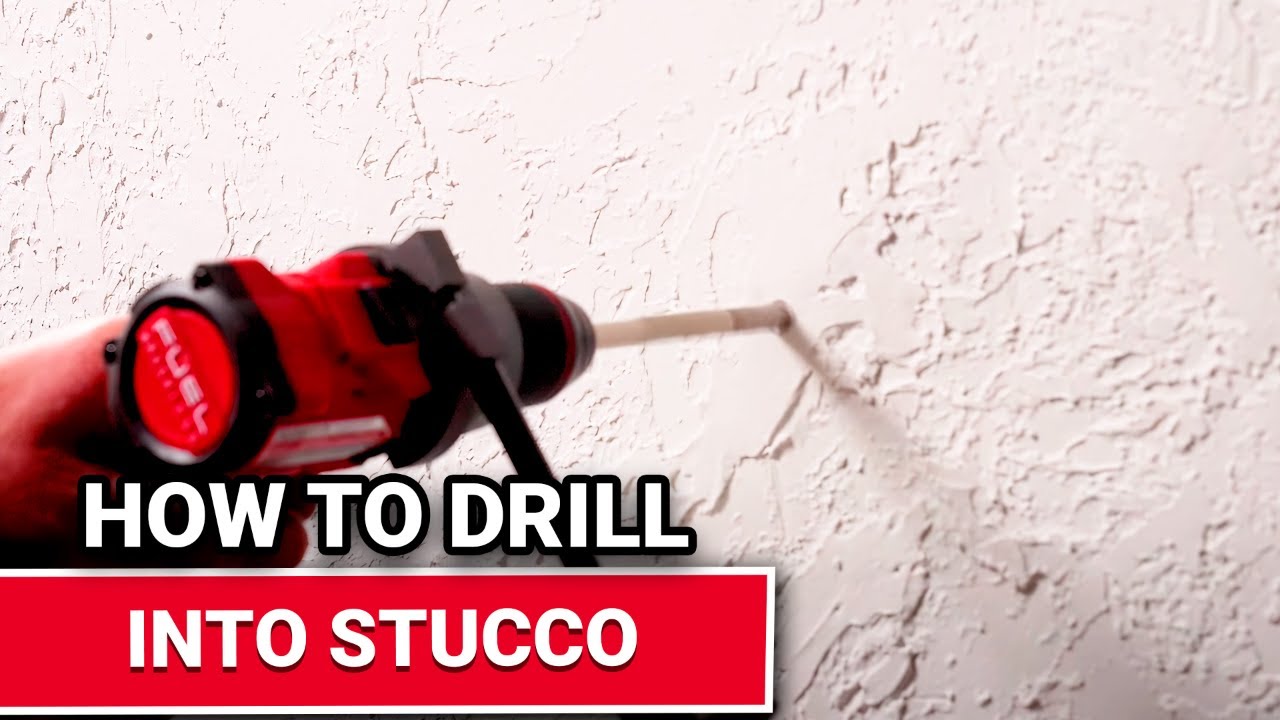
Image Source: i.ytimg.com
Figuring Out Your Stucco Type
Before you even pick up a drill, it’s crucial to know what kind of stucco you’re dealing with. The composition of stucco significantly impacts how you should approach drilling into it.
Traditional Stucco (Cementitious Stucco)
This is the most common type of stucco found on older homes. It’s a mixture of Portland cement, sand, and lime, applied in three coats over a lath base (usually wire mesh).
- Characteristics: Hard, dense, and brittle.
- Drilling Challenge: Prone to chipping and cracking if too much force is applied or if the wrong drill bit is used.
Acrylic Stucco (Synthetic Stucco or EIFS)
EIFS (Exterior Insulation and Finish System) is a multi-layered exterior wall system that includes an insulation board, a base coat with reinforcing mesh, and a finish coat. The finish coat often contains acrylic polymers, making it more flexible than traditional stucco.
- Characteristics: Lighter, more flexible, and can have a variety of textures.
- Drilling Challenge: While more forgiving than traditional stucco, drilling too aggressively can still cause the acrylic finish to chip or crumble. The underlying insulation can also make it softer.
How to Tell the Difference:
- Age of Home: Older homes (pre-1970s) are more likely to have traditional stucco. Newer homes may have EIFS.
- Sound: Tap on the wall. Traditional stucco often sounds harder and more solid. EIFS might sound a bit hollower due to the insulation layer.
- Flexibility: If you can gently press a fingernail into a less visible area, it might be a softer acrylic finish. Traditional stucco is much harder.
- Repair History: If previous repairs have been done, they might be more obvious with EIFS.
Gathering Your Tools and Supplies
Having the right tools makes all the difference when drilling through stucco. Here’s what you’ll need:
Essential Tools
- Drill: A corded drill is often preferred for stucco due to its consistent power. A good quality cordless drill with sufficient torque will also work. A hammer drill setting can be beneficial for harder stucco, but use it judiciously.
- Masonry Drill Bits for Stucco: This is arguably the most important item.
- Carbide-tipped masonry bits: These are standard for drilling into concrete, brick, and stucco. Look for bits specifically designed for masonry.
- Specialty Stucco Bits: Some manufacturers offer bits specifically engineered for stucco, often with a pointed tip designed to reduce chipping.
- Diamond-tipped bits: For very hard stucco or if you’re encountering stubborn areas, diamond bits are the most effective but also the most expensive.
- Measuring Tape: For accurate placement of your holes.
- Pencil or Marker: To mark your drilling spots.
- Safety Glasses: Essential for protecting your eyes from dust and debris.
- Dust Mask: Stucco dust can be harmful to inhale.
- Drop Cloth or Tarp: To catch any falling debris.
- Vacuum Cleaner: To clean up dust and debris.
- Level: To ensure your item is hung straight.
Fasteners and Anchors
The type of fastener you choose depends on what you’re hanging and the stucco’s condition.
- Stucco Screw Installation: For lighter items directly into the stucco, especially if you’re drilling into a solid base layer.
- Stucco Wall Anchors (General Term): This is the most common need for securing items to stucco.
- Plastic Expansion Anchors: Suitable for lighter loads. They expand as the screw is driven in.
- Toggle Bolts: Excellent for hollow wall sections or when you need a very strong hold.
- Wedge Anchors: For heavier loads, these metal anchors expand forcefully against the stucco.
- Sleeve Anchors: Similar to wedge anchors, these expand to grip the material.
- Drywall Anchors for Stucco: While designed for drywall, some plastic anchors with good gripping teeth can be used in stucco for lighter items if the stucco is in good condition and the anchor is properly sized.
- Screws: Stainless steel or coated screws are recommended to prevent rust.
The Step-by-Step Guide to Drilling into Stucco
Now that you have your tools and know your stucco type, let’s get drilling. This process is key for successful stucco anchor installation.
Step 1: Plan Your Placement
- Mark the Spot: Use a pencil or marker to indicate exactly where you want to drill.
- Check for Obstructions: If you’re drilling into an exterior wall, be aware of potential wiring or plumbing inside. While less common with stucco’s typical composition, it’s always good practice. For interior walls, always assume there might be something behind the stucco.
- Use a Level: Position your item against the wall and use a level to ensure your marks are straight.
Step 2: Select the Right Drill Bit and Drill Speed
This is critical for drilling through stucco without cracks.
- For Traditional Stucco: Start with a sharp carbide-tipped masonry bit. If you’re using a hammer drill, start on a standard drilling setting and switch to hammer mode only if you encounter significant resistance, and then use it gently.
- For Acrylic Stucco (EIFS): A good quality standard masonry bit or even a sharp twist drill bit can work well, especially if you’re drilling into a softer layer. Avoid the hammer drill function altogether unless you hit a very hard layer underneath.
- Best Drill Bits for Stucco: Generally, carbide-tipped masonry bits are the go-to. Look for bits with a rounded, pointed tip rather than a flat chisel end, as these tend to penetrate smoother and cause less chipping.
Step 3: Prepare the Drilling Area
- Clean the Surface: Brush away any loose debris or dirt from the spot you’ll be drilling.
- Apply Tape: For a cleaner hole and to help prevent chipping, apply painter’s tape or masking tape over the marked spot. You can even create a small “X” on the tape where the drill bit will go. This provides a surface for the drill bit to grip initially.
Step 4: Begin Drilling
This is where careful execution is paramount for securing items to stucco.
- Start Slowly: Begin drilling at a slow speed. This allows the drill bit to create a small starting divot without jumping or skating across the surface.
- Apply Steady Pressure: Once the bit has started, apply firm, steady pressure. Avoid slamming the drill or forcing it. Let the drill bit do the work.
- Drill Straight: Keep the drill perfectly perpendicular to the wall. Angled drilling will increase the risk of cracking.
- Clear Debris: Periodically pull the drill bit out of the hole while it’s still spinning slowly. This clears out stucco dust and debris, preventing the bit from overheating and making the drilling process smoother. This is essential for drilling through stucco effectively.
- Use the Hammer Drill Setting (Sparingly): If you’re drilling through very hard traditional stucco and encountering resistance even with steady pressure, you can switch to the hammer drill setting. Crucially, use this setting with light to moderate pressure. Excessive hammering can shatter the stucco. If you are using EIFS, avoid the hammer setting if possible.
Step 5: Drill to the Required Depth
- Measure Your Anchor/Screw: Determine how deep your anchor or screw needs to go. Many anchors have a recommended drill depth printed on their packaging.
- Mark the Depth: You can place a piece of tape on your drill bit to indicate the desired depth.
- Drill until the Tape: Continue drilling until the tape mark reaches the stucco surface.
Step 6: Clean the Hole
- Remove Dust: Once you’ve reached the desired depth, slowly withdraw the drill bit. Use a vacuum cleaner or a blast of compressed air (wear safety glasses!) to clear out all the dust from the hole. A clean hole is vital for the anchor to grip properly.
Installing Stucco Anchors and Fasteners
With your pilot holes ready, it’s time for stucco anchor installation.
Installing Plastic Expansion Anchors
- Insert the Anchor: Gently tap the plastic anchor into the drilled hole with a hammer until it’s flush with the stucco surface.
- Drive the Screw: Insert the screw into the anchor and use your drill (on a low torque setting) or a screwdriver to drive it in. The screw will expand the anchor, gripping the stucco.
Installing Toggle Bolts
- Collapse the Toggle: Push the toggle bolt (with the spring-loaded wings folded) through the drilled hole.
- Open the Toggle: Once the wings are through the hole, they will spring open behind the stucco.
- Tighten the Bolt: Pull the bolt head outwards gently while tightening the nut or screw, drawing the toggle wings tightly against the inner surface of the stucco.
Installing Wedge or Sleeve Anchors (For Heavier Loads)
- Insert the Anchor: Insert the anchor into the pre-drilled hole.
- Thread the Bolt: Thread the bolt into the anchor.
- Tighten: As you tighten the bolt, the anchor will expand or wedge into the stucco, creating a very strong hold.
Stucco Screw Installation (Directly)
For lighter items and if you’re confident in the stucco’s integrity, you can drive screws directly into pre-drilled pilot holes.
- Pilot Hole Size: The pilot hole should be slightly smaller than the screw’s shank diameter but larger than the threads.
- Drive the Screw: Use your drill to drive the screw into the pilot hole.
Securing Items to Stucco: Best Practices for Hanging Things on Stucco
Following these tips will ensure your items are hung securely and your stucco remains intact.
- Consider the Load: Always match the anchor and fastener strength to the weight of the item you’re hanging. Don’t try to hang a heavy mirror with a small plastic anchor.
- Use the Right Anchor for the Job:
- Light to medium duty: Plastic anchors, specialized stucco anchors.
- Heavy duty: Toggle bolts, wedge anchors, sleeve anchors.
- Don’t Overtighten: Overtightening screws, especially into plastic anchors, can strip the anchor or crack the stucco.
- Test the Hold: Before hanging the final item, give the anchor a gentle tug to ensure it’s secure.
- Consider the Stucco’s Condition: If the stucco is old, crumbly, or has existing cracks, you might need to use larger anchors, more anchors, or consider a different mounting method entirely.
Stucco Repair After Drilling
Even with the best techniques, minor chipping or dust can occur. Here’s how to handle minor stucco repair after drilling.
Minor Chipping Repair
- Clean the Area: Brush away any loose stucco particles around the hole.
- Use Stucco Patch: Apply a small amount of exterior-grade stucco patch or caulk into any minor chips or cracks. A putty knife can help smooth it out.
- Color Match (Optional): If the patch is visible, you may need to paint it to match the stucco color.
Dealing with Larger Cracks
If you accidentally create a larger crack during drilling, it’s best to address it properly.
- Enlarge the Crack: For proper patching, slightly widen the crack with a chisel and hammer to create a “V” shape. This gives the patch material better adhesion.
- Clean Thoroughly: Remove all dust and debris from the enlarged crack.
- Apply Stucco Patch: Use a good quality exterior stucco patch. For deeper cracks, you might need to apply it in layers, allowing each layer to dry.
- Smooth and Blend: Use a trowel or putty knife to smooth the patch and feather the edges to blend it with the surrounding stucco.
- Allow to Cure: Let the patch cure completely according to the manufacturer’s instructions before painting.
- Paint: Once cured, paint the patched area to match the original stucco color.
Table: Choosing the Right Anchor for Your Stucco Project
| Item to Hang (Weight) | Stucco Type | Recommended Anchor/Fastener | Drill Bit Type | Notes |
|---|---|---|---|---|
| Small Picture Frame | Both | Plastic expansion anchor with screw | Carbide-tipped masonry bit | Use light pressure, avoid hammer drill. |
| Shelf with Books | Traditional Stucco | Toggle bolt or heavy-duty plastic anchor | Carbide-tipped masonry bit | Ensure solid embedment of the anchor. |
| EIFS Wall Decorations | Acrylic Stucco | Plastic anchors, specialized stucco anchors, or strong adhesive | Standard masonry or twist bit | Avoid hammer drill; use gentle drilling. |
| Heavy Mirror | Both | Toggle bolt, wedge anchor, or sleeve anchor | Carbide-tipped masonry bit | Multiple anchor points recommended. Drill carefully. |
| Bird Feeder/Lantern | Traditional Stucco | Wedge anchor or sleeve anchor | Carbide-tipped masonry bit | Requires strong hold; use hammer drill sparingly if needed. |
| Mounting a TV Bracket | Both | Heavy-duty toggle bolts or specialized stucco mounting systems | Carbide-tipped masonry bit | Assess wall structure; professional advice may be needed for very heavy items. |
Frequently Asked Questions About Drilling Stucco
Q1: Can I use a regular drill bit for stucco?
A1: While you might get lucky with a very sharp, high-quality regular twist bit on soft acrylic stucco, it’s highly recommended to use masonry drill bits. These bits are designed to cut through hard materials like concrete and stucco and will make the job much easier and cleaner, reducing the risk of cracks.
Q2: What is the best drill bit for stucco?
A2: The best drill bits for stucco are carbide-tipped masonry drill bits. They are durable and designed to cut through the hard, brittle nature of stucco without excessive wear. For extremely hard stucco, diamond-tipped bits are the most effective, though they are more expensive.
Q3: How do I avoid cracks when drilling stucco?
A3: To avoid cracks:
* Use the correct masonry drill bit.
* Start drilling slowly to create a pilot hole.
* Apply steady, consistent pressure; don’t force the drill.
* Keep the drill perfectly straight and perpendicular to the wall.
* Use a hammer drill setting very sparingly and with light pressure if at all.
* Apply painter’s tape over the drilling area to reinforce the surface.
* Periodically withdraw the spinning bit to clear dust.
Q4: What are stucco wall anchors?
A4: Stucco wall anchors are devices inserted into holes drilled in stucco walls to provide a secure point for attaching screws, bolts, or other fasteners. They work by expanding, toggling, or wedging within the wall to create a strong hold capable of supporting the weight of the item being hung.
Q5: Are drywall anchors for stucco?
A5: While not specifically designed for stucco, some plastic drywall anchors can be used for hanging very light items on stucco walls, especially if the stucco is in good condition. However, they are generally not as secure or durable as anchors specifically designed for masonry or stucco. For reliable stucco anchor installation, it’s best to use anchors made for masonry.
Q6: What is stucco screw installation?
A6: Stucco screw installation refers to the process of driving screws directly into a stucco wall, usually after drilling a pilot hole. This method is best suited for lighter items and requires the stucco to be in good condition and solid enough to hold the screw threads. It’s a simpler method than using anchors but offers less holding power.
Q7: What are the best ways for hanging things on stucco?
A7: The best ways for hanging things on stucco involve using appropriate stucco anchor installation techniques. This typically means drilling a pilot hole with a masonry bit and then inserting a suitable anchor (like plastic expansion anchors for light items, or toggle/wedge anchors for heavier items) before driving the screw. Always consider the weight of the item and the condition of the stucco.
Q8: What is stucco repair after drilling?
A8: Stucco repair after drilling refers to fixing any minor damage, such as small chips or surface cracks, that may occur around the drilled hole. This usually involves cleaning the area, applying a stucco patch or filler, smoothing it out, and allowing it to cure before painting.
By carefully following these steps and choosing the right tools and fasteners, you can confidently drill into your stucco walls and securely hang whatever you need, all while preserving the integrity and appearance of your stucco finish.