
Can you drill holes in shells for jewelry? Yes, you absolutely can drill holes in shells for jewelry! It’s a wonderful way to create unique and beautiful pieces. This guide will walk you through everything you need to know to drill holes in shells safely and effectively.
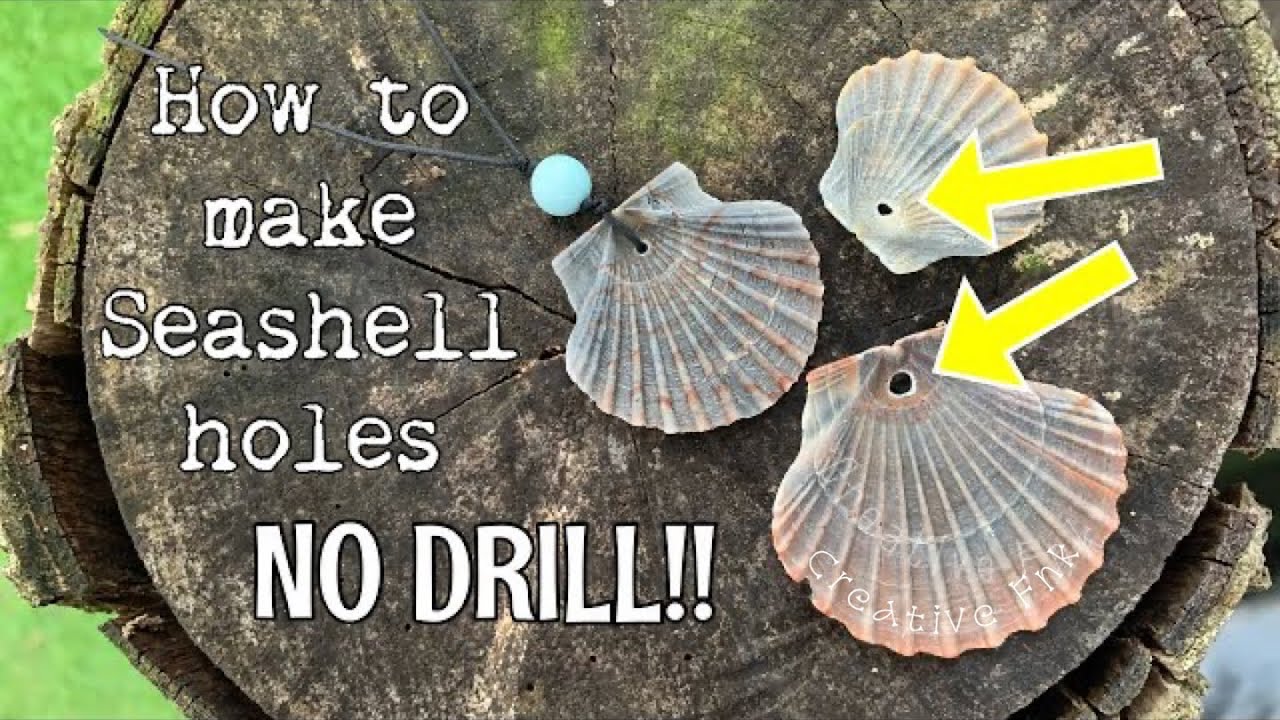
Image Source: i.ytimg.com
Preparing Your Shells for Drilling
Before you start drilling, the most important step is to prepare your shells properly. This ensures a smooth process and protects both your shells and your tools.
Selecting the Right Shells
Not all shells are created equal when it comes to drilling. Some are more delicate than others.
- Stronger Shells: Cowrie shells, conch shells, and larger, thicker clam shells are generally good choices. Their sturdy nature can withstand the drilling process.
- More Fragile Shells: Thin, brittle shells like scallop shells or very small, delicate shells might break easily. If you choose these, proceed with extreme caution and consider using gentler methods.
- Shell Condition: Always select shells that are clean and free from cracks or significant imperfections. A pre-existing crack is likely to worsen with drilling.
Cleaning Your Shells
Cleanliness is crucial. Dirt and debris can clog your drill bits and make the process more difficult.
- Rinse: Gently rinse shells under cool running water to remove loose sand and dirt.
- Soak (Optional): For stubborn grime, soak shells in warm, soapy water for a few hours. Use a mild dish soap.
- Scrub: Use a soft brush (like an old toothbrush) to gently scrub away any remaining residue.
- Dry: Pat the shells dry thoroughly with a soft cloth. Ensure they are completely dry before you start drilling.
Choosing Your Drilling Method
There are two main ways to drill holes in shells: hand drilling and power drilling. Each has its pros and cons.
Hand Drilling Shells
Hand drilling is a great option for those who prefer a more controlled, traditional approach or for very delicate shells.
Tools for Hand Drilling
- Pin Vise: This is a small, handheld drill that grips tiny drill bits. It’s excellent for precision work.
- Small Hand Drill (Awl or Gimlet): These are manual tools with a pointed tip that you twist to create a hole. They require more effort but offer a lot of control.
- Diamond-Tipped Needle Files: While not strictly for drilling, a very fine diamond file can be used to gradually create a small hole or enlarge an existing one with patience.
The Hand Drilling Process
- Secure the Shell: Place the shell on a stable, non-slip surface. You can also secure it with a small clamp or by holding it firmly between your fingers (with gloves on for protection).
- Mark the Spot: Use a pencil or marker to mark the exact spot where you want the hole.
- Start Slowly: Place the tip of your pin vise or hand drill on the marked spot. Apply gentle, steady pressure and begin to twist.
- Add Lubrication: As you drill, periodically add a drop of water to the drilling site. This helps to cool the shell and the drill bit, reducing friction and the risk of cracking.
- Work in Stages: Don’t try to force the drill through. Drill a little, then back out, clear any debris, re-lubricate, and continue. Patience is key!
- Gradually Enlarge: If you need a larger hole, switch to a slightly larger drill bit or file, repeating the process.
Power Drilling Shells
Power drilling is faster and can be more efficient, especially for larger quantities or slightly thicker shells. However, it requires more care to avoid damaging the shell.
Best Tools for Shells (Power Tools)
- Rotary Tool (e.g., Dremel): This is a versatile tool with a variety of attachments, including small drill bits and grinding stones. It’s a popular choice for making shell jewelry.
- Small Electric Drill: A lightweight electric drill with a slow speed setting and small drill bits can also be used.
- Drill Press (for precision): If you have access to one, a drill press offers the most stability and precision for drilling multiple holes or for consistent placement.
Best Drill Bits for Shells
The type of drill bit you use is critical for success.
- Diamond-Tipped Drill Bits: These are the best drill bits for shells. The diamond particles are hard enough to cut through the shell material without excessive force. They come in various sizes, perfect for making small holes for jewelry findings.
- Carbide-Tipped Drill Bits: These are also a good option, offering durability and sharpness.
- Hole Saw Bits (for larger holes): For bigger shells where you need a larger opening, small hole saw bits made of diamond or carbide can be effective.
The Power Drilling Process
- Secure the Shell: This is paramount for safe shell drilling with power tools.
- Non-Slip Mat: Place the shell on a rubber or silicone non-slip mat.
- Workable Putty/Clay: Use a strong, sticky putty or modeling clay to hold the shell firmly in place.
- Small Clamp/Vise: A small, padded vise or clamp can be used, but be very careful not to overtighten, which can crack the shell.
- Mark the Spot: Use a waterproof marker or a small dab of nail polish to mark your drilling point.
- Choose the Right Speed: Start with the lowest speed setting on your rotary tool or drill. High speeds generate more heat and vibration, increasing the risk of breakage.
- Use Lubrication: A steady stream of water is your best friend. You can create a small dam around the drilling area with putty, or simply have a bowl of water nearby to dip the shell or bit into. Some crafters use a spray bottle of water.
- Apply Gentle Pressure: Let the drill bit do the work. Don’t force it. Apply only enough pressure to keep the bit engaged with the shell.
- Drill in Stages: Start by drilling just the tip of the bit into the shell to create a small indentation. Then, gradually increase the depth, backing out the bit frequently to clear debris and re-lubricate.
- Listen and Feel: Pay attention to the sound and feel of the drilling. A high-pitched whine or excessive vibration can indicate you’re pushing too hard or the bit is getting too hot.
Safety First: Essential Precautions for Safe Shell Drilling
Safe shell drilling involves protecting yourself, your workspace, and your materials.
Personal Protective Equipment (PPE)
- Safety Glasses: Always wear safety glasses or goggles. Shell fragments can fly off unexpectedly and cause serious eye injury. This is non-negotiable.
- Dust Mask: Drilling shells, especially dried ones, can create fine dust. Wearing a dust mask will protect your lungs from inhaling these particles.
- Gloves: Wear sturdy gloves to protect your hands from sharp shell edges and to improve your grip.
Workspace Safety
- Stable Surface: Work on a sturdy, flat surface that won’t wobble.
- Good Ventilation: Ensure the area is well-ventilated, especially if using power tools or if dust is a concern.
- Water Management: Have towels or absorbent cloths ready for any water spills, especially when using the lubrication method.
- Tool Familiarity: Before drilling shells, familiarize yourself with your chosen tool. Practice on a scrap piece of material (like a stone or even a piece of wood) to get a feel for the speed and pressure.
Protecting Your Shells
- Patience is Key: Rushing the process is the quickest way to crack a shell.
- Test First: If you have a collection of similar shells, practice on a less precious one first.
- Avoid Overheating: Excessive heat is a primary cause of shell breakage. Lubrication and short drilling bursts are crucial.
- Consider the Shell’s Natural Grooves: Sometimes, drilling along a natural groove or curve can be easier and less likely to cause a break.
Advanced Techniques and Tips for Decorating Shells
Once you’ve mastered basic drilling, you can explore more advanced techniques for creating stunning shell crafts.
Creating Different Hole Sizes
- Start Small: Always begin with the smallest drill bit you need.
- Step Up Gradually: If you require a larger hole, incrementally increase the drill bit size. Go from a 1mm bit to a 1.5mm, then to a 2mm, for example. This reduces stress on the shell.
Drilling Through Different Shell Types
- Pearls and Mother of Pearl: These are naturally hard and dense. Diamond-tipped bits and ample lubrication are essential.
- Sea Glass: While not a shell, the techniques are similar. Sea glass is often more brittle, so extreme caution is needed.
- Slightly Porous Shells: Some shells might be a bit more porous. Be aware that these might also be more prone to chipping.
Finishing Touches for Your Drilled Shells
After drilling, your shell might have rough edges around the hole.
- Sanding: Use fine-grit sandpaper or a small sanding bit on your rotary tool to smooth out any rough edges. Be gentle.
- Polishing: A small polishing wheel or even a bit of jeweler’s rouge can give the hole a professional, smooth finish.
- Cleaning Again: After finishing, rinse the shell again to remove any dust or polishing residue and dry it thoroughly.
Frequently Asked Questions About Drilling Shells
Here are some common questions people have when learning how to drill holes in shells.
Q: What is the best way to drill a hole in a fragile shell?
A: For fragile shells, hand drilling with a pin vise is often the safest method. It allows for maximum control and minimizes vibration. If using a power tool, use the absolute lowest speed, a diamond-tipped bit, and constant lubrication, drilling only for very short bursts.
Q: How do I prevent shells from cracking while drilling?
A: The key is a combination of gentle pressure, slow speed (for power tools), consistent lubrication (water), and working in stages rather than trying to drill through all at once. Securing the shell properly is also vital to prevent it from moving.
Q: Can I use a regular drill bit for shells?
A: It is highly recommended to use diamond-tipped or carbide-tipped drill bits specifically designed for hard materials like glass, tile, or stone. Regular metal drill bits will likely dull quickly, generate too much heat, and can easily crack shells.
Q: What size hole is best for shell jewelry?
A: The best size depends on what you plan to do with the shell. For hanging earrings or necklaces, a 1mm to 2mm hole is usually sufficient for most jewelry findings like jump rings or earring hooks.
Q: How do I drill holes in multiple shells consistently?
A: For consistent results, a drill press is ideal as it ensures the bit enters the shell at the same angle every time. If you don’t have a drill press, try to keep the angle of your hand drill or rotary tool as consistent as possible for each shell. Using a jig or a simple guide can also help.
Q: Can I drill holes in wet shells?
A: While water is used for lubrication during drilling, starting with a fully dried shell is best. Drilling with a very wet, porous shell might introduce more instability. The water should be applied as a lubricant during the drilling process itself.
Q: What if I accidentally drill a hole in the wrong spot or make it too big?
A: If the hole is slightly in the wrong spot, you might be able to strategically incorporate it into your jewelry design (e.g., using a decorative wire wrap). If it’s too big, you can try using larger jewelry findings or embellishments to cover it. For very minor mistakes, a tiny amount of jewelry-grade epoxy or even clear nail polish carefully applied can sometimes help stabilize a slightly imperfect edge, though this is often a last resort.
Conclusion: Creating Beautiful Shell Jewelry
Drilling holes in shells for jewelry is a rewarding craft. By choosing the right tools, taking the necessary safety precautions, and practicing patience, you can transform ordinary shells into extraordinary pieces of art. Whether you’re creating delicate earrings, statement necklaces, or unique embellishments for other crafts, mastering the art of drilling shells opens up a world of creative possibilities for making shell jewelry and decorating shells. Enjoy the process of making your own beautiful shell crafts!