
Can you drill into stucco? Yes, you absolutely can drill into stucco, but it requires the right tools and techniques to avoid cracking or damaging the surface. This guide will walk you through drilling stucco for screws, explaining how to do it safely and effectively for various projects, from hanging shelves to exterior repairs.
Stucco, with its textured and often brittle nature, can be a tricky material to work with. Whether you’re a seasoned DIYer or tackling your first home improvement project, knowing how to drill into stucco properly is crucial for securing items to stucco and ensuring your work lasts. This comprehensive guide covers everything you need to know, from selecting the best drill bit for stucco to the nuances of stucco anchor installation and stucco exterior repair drilling.
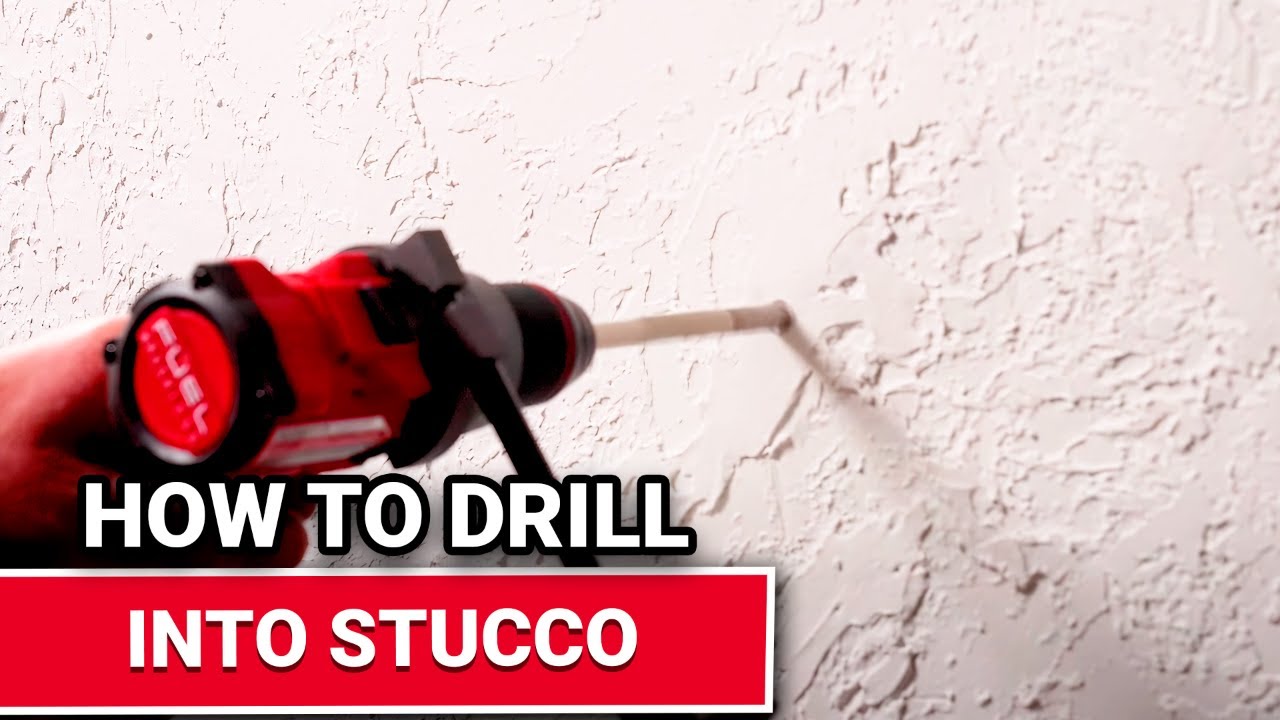
Image Source: i.ytimg.com
Deciphering Stucco’s Composition for Drilling
Before we grab our tools, let’s take a moment to appreciate what stucco is. Stucco is a building material made from cement, lime, and sand. It’s applied wet over a lath backing, typically wire mesh, which provides reinforcement. Over time, stucco can become very hard, sometimes almost like concrete, especially older formulations. More modern stuccos might be more flexible. This variability is key to DIY stucco drilling techniques.
The key takeaway is that stucco isn’t a single, uniform material. It can have a hard, cementitious outer layer with a softer, potentially more porous layer underneath. Sometimes, there might be insulation or sheathing behind that. Knowing this helps us choose the right approach and the best drill bit for stucco.
Essential Tools for Drilling Stucco
To ensure a clean and safe drilling experience, you’ll need a few specific tools. Using the wrong tool can lead to chipping, cracking, or uneven holes.
Drill Selection
- Corded Drill: For stucco, a corded drill is often preferable due to its consistent power. You’ll be drilling into a hard material, and a cordless drill might lose power mid-hole, leading to frustration and potential damage.
- Hammer Drill: This is your best friend for drilling into stucco. A hammer drill has a mechanism that pounds the drill bit forward and backward as it rotates. This action pulverizes the material, making it much easier to drill through hard surfaces like stucco and concrete.
Drill Bits
Choosing the correct drill bit is paramount for drilling stucco for screws.
The Best Drill Bit for Stucco
- Masonry Drill Bits: These are specifically designed for drilling into hard, brittle materials like brick, concrete, and of course, stucco. They typically have a carbide tip that is shaped for cutting through these materials.
- Carbide-Tipped Masonry Bits: This is the go-to for most stucco drilling. Look for bits with a sharp, pointed carbide tip.
- Masonry Concrete Drill Bits: When stucco is particularly hard, you might need bits that are engineered for concrete. These are essentially heavy-duty masonry bits.
Drill Bit Sizes
The size of your drill bit will depend on the type of fastener you plan to use. Always match the drill bit size to the recommended size for your chosen anchor or screw. Manufacturers usually provide this information on the packaging.
Other Important Tools
- Safety Glasses: Non-negotiable. Flying debris is a real hazard.
- Dust Mask: Stucco dust can be harmful to inhale.
- Measuring Tape: For accurate placement of your holes.
- Pencil or Marker: To mark drilling locations.
- Level: To ensure your items are hung straight.
- Vacuum Cleaner: For cleaning up dust and debris.
- Painter’s Tape: Can be used to mark depth and help prevent surface chipping.
- Hammer: To gently tap in anchors after drilling.
- Anchors and Fasteners: The items you plan to secure.
Preparing for Drilling: Key Steps
Proper preparation significantly reduces the risk of stucco damage and ensures your drilling is accurate and safe.
Step 1: Assess the Stucco Surface
Before you drill, take a close look at the stucco.
- Cracks: Are there existing cracks? Drilling too close to a crack or with too much force can cause it to spread. Consider avoiding areas with significant existing damage.
- Surface Condition: Is the stucco crumbling or solid? A crumbling surface will be much harder to drill into without causing significant damage.
- Wall Structure: If possible, try to determine what’s behind the stucco. Is it concrete block, wood studs, or insulation? This can influence your fastener choice and drilling depth.
Step 2: Mark Your Drilling Locations
- Use a measuring tape and pencil to mark exactly where you want to drill.
- Use a level to ensure your marks are straight, especially if you’re hanging something like a shelf or a series of items.
- For delicate surfaces or to help prevent chipping, you can apply a small piece of painter’s tape over the marked spot. Mark your drilling point on the tape.
Step 3: Select the Right Fastener and Drill Bit
This is where you match your needs to the right hardware.
Stucco Wall Anchor Types
Choosing the correct stucco wall anchor types is critical for securing items to stucco. The best anchor for your project depends on what you’re hanging and the stucco’s condition.
| Anchor Type | Description | Best For | Considerations |
|---|---|---|---|
| Plastic Expansion Anchors | Standard plastic anchors that expand when a screw is driven in. | Light to medium-duty items like wall hangings, pictures, light shelves. | May not be strong enough for heavier items. Ensure the stucco is solid enough to hold the expansion. |
| Toggle Bolts | Feature a spring-loaded “wing” that opens up behind the wall for a wider distribution of weight. | Medium to heavy-duty items, hollow walls, or when you’re unsure of the backing material. | Require a larger hole. The wing needs space to open. |
| Lag Shields | Metal sleeves that are hammered into a pre-drilled hole. A lag screw is then driven into the shield. | Medium to heavy-duty items, outdoor applications where extra strength is needed. | Requires a specific drill bit size for the shield. Can provide a very secure hold in solid stucco. |
| Wedge Anchors | Metal anchors that expand as you tighten the bolt, embedding into the material. | Heavy-duty applications, securing brackets, structural elements. Best for solid concrete or very dense stucco. | Requires precise drilling and can be overkill for lighter items. |
| Self-Drilling Anchors | Anchors with a sharp point that drill their own pilot hole. | Light-duty items, quick fixes. | Often made of plastic or softer metal, may not be suitable for heavier loads or very hard stucco. |
| Concrete Screws (Tapcon) | Specialized screws that cut their own threads into masonry. | Medium-duty items, securing items directly to solid stucco or concrete. | Require a specific size pilot hole to be drilled first. Comes in various lengths and strengths. |
- For Light Items: Plastic expansion anchors or self-drilling anchors might suffice.
- For Medium Loads: Toggle bolts or concrete screws (like Tapcons) are good choices.
- For Heavy Loads: Lag shields or wedge anchors are recommended, especially if you suspect the stucco is dense and well-supported.
Once you’ve chosen your fastener, check the packaging for the recommended drill bit size. This is crucial for a snug fit.
Step 4: Set Up Your Drill
- Insert the Drill Bit: Securely insert the correct masonry drill bit stucco into your drill’s chuck. Tighten it firmly.
- Set the Hammer Drill Function: If using a hammer drill, engage the hammer drill setting. For less aggressive drilling or if you’re worried about chipping, you might try it without the hammer function first, but it will likely be slower and more difficult.
- Adjust the Depth Stop (Optional but Recommended): Many drills have a depth stop. Use it to prevent drilling too deep, which can weaken the wall or cause damage behind the stucco. Set it to the desired depth of your anchor or screw. If your drill doesn’t have one, you can wrap a piece of tape around the drill bit to mark your depth.
The Drilling Process: Step-by-Step
Now that you’re prepared, let’s get drilling.
Step 1: Position the Drill
- Place the tip of the drill bit precisely on the marked spot.
- Hold the drill perpendicular to the stucco surface. Avoid angling the drill, as this can cause the bit to wander and create an oval-shaped hole.
Step 2: Start Drilling Slowly
- Begin drilling at a slow speed. This is important to get the bit started without slipping.
- As the bit bites into the stucco, you can gradually increase the speed.
Step 3: Engage the Hammer Drill (If Applicable)
- If you are using a hammer drill, engage the hammer action once you have a small pilot hole started.
- Apply steady, firm pressure. Let the drill do the work. Don’t force it. The hammer action will help break up the stucco.
Step 4: Manage Heat and Dust
- Drilling into hard materials generates heat. Periodically withdraw the drill bit from the hole to clear out debris and allow the bit to cool. You can also use a blast of compressed air or a vacuum cleaner to clear the hole.
- Continue drilling until you reach your desired depth (indicated by your depth stop or tape).
Step 5: Clear the Hole
- Once the hole is drilled to the correct depth, withdraw the drill bit.
- Use a vacuum cleaner or a compressed air can to thoroughly clear the hole of all dust and debris. This is critical for proper anchor installation.
Inserting Anchors and Fasteners
With your holes drilled, it’s time to insert your chosen stucco anchor installation hardware.
For Plastic Expansion Anchors
- Gently tap the plastic anchor into the hole with a hammer until it’s flush with the stucco surface.
- Drive your screw into the anchor.
For Toggle Bolts
- Fold the toggle wings and insert them through the drilled hole.
- Once the wings are behind the stucco, tighten the bolt to draw the toggle against the back of the wall.
For Lag Shields
- Insert the lag shield into the drilled hole. You may need to tap it gently with a hammer until it’s seated.
- Drive the lag screw into the shield.
For Concrete Screws (Tapcons)
- Simply drive the concrete screw directly into the pre-drilled hole. It will cut its own threads.
For Heavy-Duty Anchors (Wedge Anchors, Sleeve Anchors)
- Follow the manufacturer’s instructions for these, as they often involve specific tightening procedures to ensure proper expansion.
Troubleshooting Common Stucco Drilling Issues
Even with the best preparation, you might encounter a few snags.
Cracking
- Cause: Drilling too fast, using a dull bit, too much pressure, or drilling too close to existing cracks.
- Solution:
- Use a sharp masonry bit.
- Start slow and gradually increase speed.
- Use the hammer drill function judiciously.
- If minor cracking occurs, consider using a slightly larger anchor or filling the area with a masonry repair compound after the anchor is in place.
- For more significant cracking, you may need to patch the stucco and try drilling in a different spot.
Hole Too Large or Too Small
- Cause: Using the wrong size drill bit.
- Solution:
- Always check the manufacturer’s recommended drill bit size for your anchor or screw.
- If the hole is too small, you might be able to widen it slightly with the same drill bit or a slightly larger one.
- If the hole is too large, you’ll need to use a larger anchor or fill the hole and redrill.
Drilling Through Insulation
- Cause: Your stucco has an insulation layer behind it.
- Solution:
- If you’re drilling into insulation, a standard masonry bit might just pass through. You might need to switch to a wood or general-purpose bit for the insulation layer, or ensure your masonry bit is long enough to engage the stucco and any backing.
- For securing items to stucco that has insulation, you’ll need anchors that can reach the structural backing (like studs or concrete block) or anchors designed for hollow walls.
Stucco Exterior Repair Drilling
When undertaking stucco exterior repair drilling, the stakes can be higher. You might be drilling to attach new flashing, secure a support bracket, or perform other structural fixes.
- Anchor Selection is Critical: For exterior repairs, durability and weather resistance are key. Use galvanized or stainless steel anchors. Lag shields and heavy-duty concrete screws are often good choices.
- Sealing the Hole: After stucco exterior repair drilling and installing fasteners, it’s essential to seal around the fastener and any openings to prevent water intrusion. Use a good quality exterior caulk or sealant.
- Matching Existing Texture: When drilling for aesthetic repairs, consider how the new fastener will look and whether it can be discreetly covered or integrated.
Advanced DIY Stucco Drilling Techniques
For those looking to go the extra mile in their DIY stucco drilling techniques:
- Pilot Holes for Large Fasteners: Even with self-drilling screws, for harder stucco, pre-drilling a small pilot hole can make the process smoother and reduce stress on the stucco.
- Rotary Hammer vs. Hammer Drill: A rotary hammer is a more powerful tool than a standard hammer drill and is ideal for drilling into very dense or thick stucco, especially when dealing with concrete block behind it. However, for most DIY tasks, a good hammer drill is sufficient.
- Using a Guide: For perfectly straight holes, consider using a drill guide attachment.
Frequently Asked Questions (FAQ)
Q1: What is the best drill bit for stucco?
A1: The best drill bit for stucco is a carbide-tipped masonry drill bit. These bits are specifically designed to cut through hard, brittle materials like stucco and concrete.
Q2: Can I use a regular drill bit for stucco?
A2: While you can try to use a standard drill bit, it will be very difficult and will likely dull the bit quickly. It’s also much more likely to cause chipping and cracking in the stucco. A masonry bit is strongly recommended.
Q3: What kind of anchors should I use for stucco?
A3: The type of anchors depends on what you’re hanging. For light items, plastic expansion anchors or self-drilling anchors work. For medium loads, consider toggle bolts or concrete screws (like Tapcons). For heavy items, lag shields or wedge anchors are better choices. Always check the load rating and manufacturer recommendations.
Q4: How deep should I drill into stucco?
A4: The depth depends on the length of your anchor or screw. Ensure the anchor is fully embedded and can grip the material behind the stucco. Most anchors will specify the required hole depth on their packaging. Using a depth stop on your drill is the safest way to ensure you don’t drill too deep.
Q5: My stucco is cracking when I drill. What can I do?
A5: If your stucco is cracking, try drilling more slowly, using less pressure, or ensuring your masonry drill bit stucco is sharp. Applying painter’s tape to the surface before drilling can also help minimize chipping. If significant cracking occurs, you might need to repair the stucco and choose a different drilling location or a different fastener type that distributes weight more broadly.
Q6: Can I drill into painted stucco?
A6: Yes, you can drill into painted stucco. The paint layer is thin and won’t significantly impact the drilling process. Ensure your drill bit is suitable for stucco itself.
Q7: What is the difference between a hammer drill and a rotary hammer?
A7: A hammer drill uses a cam mechanism to create a pounding action, which is effective for drilling into masonry. A rotary hammer uses a piston mechanism to deliver more powerful blows, making it better suited for heavier-duty drilling into concrete and stone. For most stucco jobs, a hammer drill is sufficient.
By following these steps and using the right tools, you can confidently tackle drilling into stucco for any project, ensuring your stucco wall fasteners hold strong and your surfaces remain intact. Happy drilling!