
Can you drill cabinet handle holes without a jig? Yes, you can, but using a jig significantly increases accuracy and makes the process much easier, especially for multiple cabinets. This comprehensive hardware installation guide will walk you through every step of drilling cabinet handle holes perfectly, ensuring a professional and polished finish for your cabinetry. We’ll cover everything from choosing the right tools to the final tightening of screws.
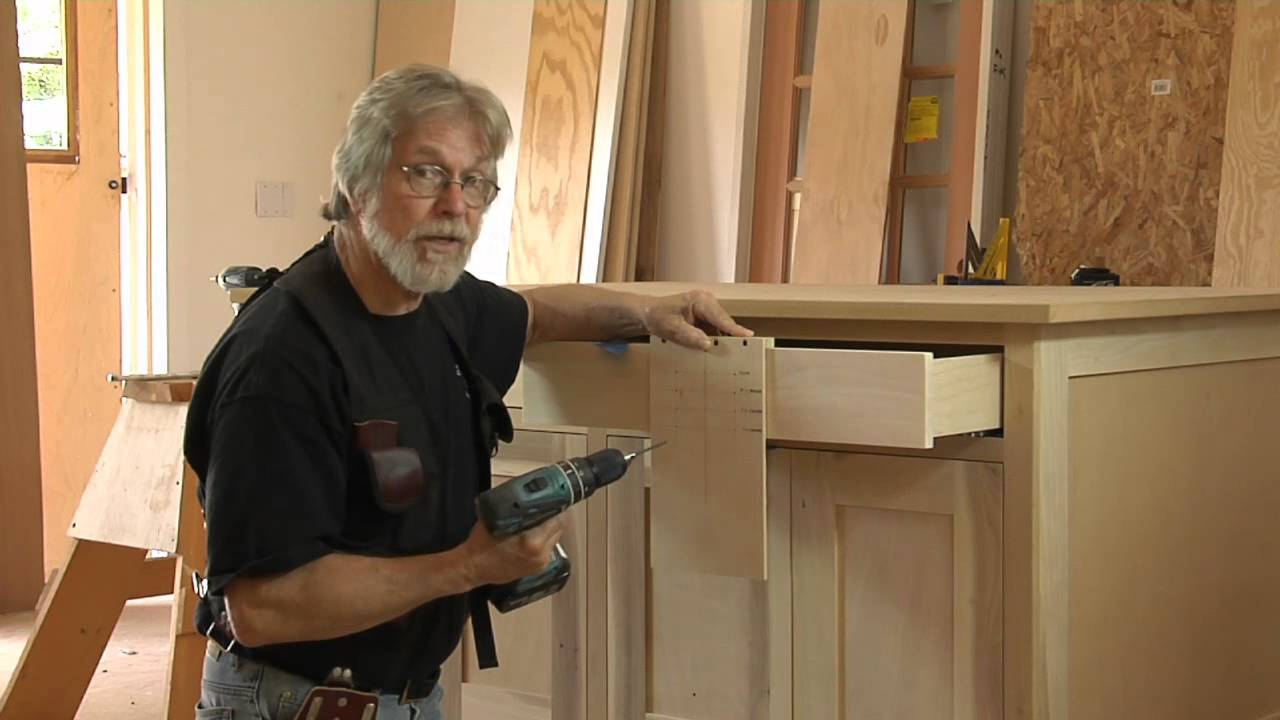
Image Source: i.ytimg.com
The Importance of Precise Cabinet Handle Drilling
When it comes to cabinet hardware installation, precision is key. Misaligned handles can make even the most beautiful cabinets look amateurish. Drilling holes for cabinet handles might seem straightforward, but a few common mistakes can lead to frustrating outcomes. This guide is designed to prevent those pitfalls and empower you to achieve flawless results.
Gathering Your Essential Tools and Materials
Before you even think about drilling, ensure you have all the necessary supplies. Having everything ready will streamline the process and prevent interruptions.
Key Tools for Drilling Cabinet Hardware
- Cabinet Hardware Jig/Template: This is your secret weapon for accuracy. Many are adjustable for different handle spacings and types.
- Pencil: For marking your drilling locations.
- Measuring Tape: Essential for precise measurements.
- Drill/Driver: Cordless drills are convenient.
- Drill Bits: The correct drill bit size for cabinet handles is crucial. We’ll discuss this further.
- Masking Tape or Painter’s Tape: To prevent wood from splintering and to help secure your jig.
- Level: To ensure handles are vertically aligned.
- Screwdriver: To install the handles.
- Safety Glasses: Always protect your eyes when drilling.
- Optional: Countersink Bit: For a cleaner finish, especially on painted cabinets.
Choosing the Right Drill Bit Size for Cabinet Handles
The drill bit size for cabinet handles is critical. You want a bit that is just slightly larger than the screw threads of your hardware. This ensures the screw can pass through easily but is still snug enough to hold the handle securely.
- Standard Screw Sizes: Most cabinet handles use screws with a diameter of around 3/16″ to 1/4″.
- Drill Bit Recommendations:
- For screws with a 3/16″ diameter, use a 7/32″ drill bit.
- For screws with a 1/4″ diameter, use a 9/32″ drill bit.
- Test First: Always test your chosen drill bit on a scrap piece of wood before drilling into your cabinet.
Understanding Cabinet Handle Placement
Proper cabinet handle placement is as important as drilling the holes themselves. Good placement enhances both aesthetics and usability.
Drawer Pull Drilling Considerations
For drawers, the typical cabinet handle placement is centered horizontally. Vertically, it’s usually placed about 1.5 to 2 inches down from the top edge of the drawer front. However, this can vary depending on the drawer size and the style of the pull. Always measure and mark carefully.
Cabinet Door Handle Placement
On cabinet doors, the placement depends on the door size and style.
- Small Doors: Handles can be centered horizontally and vertically, or placed closer to the top edge.
- Large Doors: Handles are often placed about 2 to 3 inches down from the top edge and centered horizontally.
- Cabinet Knobs: Installing cabinet knobs often involves a single hole. Centering the knob on the drawer front or door is a common approach.
Table 1: Typical Cabinet Handle Placement Guidelines
| Cabinet Type | Horizontal Placement | Vertical Placement |
|---|---|---|
| Drawer | Centered | 1.5 – 2 inches from top edge |
| Small Door | Centered or near top | Centered or 1.5 – 2 inches from top edge |
| Large Door | Centered | 2 – 3 inches from top edge |
| Cabinet Knobs | Centered (on drawer/door) | Centered (on drawer/door) |
Step-by-Step Guide to Drilling Cabinet Handle Holes
Now that you have your tools and a plan for cabinet handle placement, let’s get to the drilling.
Step 1: Measure and Mark Your Holes Accurately
This is the most critical step. Take your time and double-check your measurements.
Marking Cabinet Handle Holes on Doors and Drawers
- Choose Your Spot: Decide on the exact location for your handle based on the guidelines above or your personal preference.
- Use a Pencil: Lightly mark the center point where you want the hole(s) to be.
- Use a Template for Cabinet Hardware: If your handle has two mounting holes, this is where a template or jig becomes invaluable.
- Jig for Cabinet Hardware: Many jigs have adjustable arms that you can set to the exact spacing of your handle’s screw holes. Align the jig’s center mark or indicator with your pencil mark.
- Template for Cabinet Hardware: Some templates are fixed for specific handle spacings. Align the template with your initial pencil mark.
- Mark the Hole Locations: Once your jig or template is positioned correctly, use your pencil to mark the exact spot for each hole through the template’s guides.
- Verify Alignment: If you’re doing multiple cabinets, use a level to ensure your marked holes are vertically aligned. Measure from the top edge of each cabinet or drawer to confirm consistent placement.
Step 2: Prepare the Cabinet Surface
This step prevents damage to your cabinet’s finish.
- Apply Masking Tape: Place a strip of masking tape or painter’s tape over the area where you will be drilling. Ensure the tape is smooth and adheres well.
- Re-Mark: Lightly re-mark your hole locations over the tape. The tape helps prevent the drill bit from “walking” and splintering the wood or laminate.
Step 3: Drilling the Pilot Holes
Pilot holes are essential for a clean and accurate finish. They guide the drill bit and prevent the wood from splitting.
Creating Pilot Holes for Cabinet Hardware
- Secure the Jig/Template: If using a jig or template, ensure it’s firmly in place. Some jigs have clamps, or you can use masking tape to secure it further.
- Select the Correct Drill Bit: Use a drill bit that is slightly smaller than the diameter of your handle’s screws. A good rule of thumb is to use a bit that is about half the diameter of the screw shaft.
- Drill Vertically: Hold your drill perpendicular to the cabinet surface. Drilling at an angle will result in misaligned handles.
- Drill to the Correct Depth: For a single-hole knob, drill all the way through. For handles with two screws, you only need to drill through the cabinet face. Be careful not to drill too deeply. A helpful tip is to place a piece of tape on your drill bit shank to mark the desired depth.
- Use Consistent Pressure: Apply steady, even pressure. Let the drill bit do the work.
- Back the Bit Out Cleanly: Once you reach the desired depth, slowly back the drill bit out while it’s still spinning. This helps create a cleaner hole.
Step 4: Drilling the Final Holes
Now you’ll use the drill bit size recommended for your specific hardware.
- Switch Drill Bits: Insert the drill bit that is just slightly larger than your handle’s screws.
- Align with Pilot Holes: Position the drill bit directly into the pilot hole you just created.
- Drill Through: Drill through the cabinet face with the larger bit.
- For Doors: When drilling through cabinet doors, especially those with a thin veneer or laminate, be extra careful. The wood on the backside can splinter as the drill bit exits.
- Countersink Bit (Optional): If you want a flush finish and your handles sit flat against the cabinet, you can use a countersink bit to create a slight recess for the screw head on the inside of the cabinet.
- Drilling from Both Sides (Advanced): For very thick doors or to ensure a clean exit, you can drill halfway through from the front, then drill from the back to meet the first hole. This requires extremely precise alignment.
Step 5: Cleaning and Installing Hardware
With the holes drilled, it’s time for the final touches.
- Clean the Holes: Use a damp cloth or a soft brush to remove any sawdust or debris from the drilled holes. You can also use a vacuum cleaner attachment.
- Remove Tape: Carefully peel off the masking tape.
- Install Cabinet Knobs or Handles:
- Insert Screws: Feed the handle screws through the holes from the inside of the cabinet or drawer.
- Attach Hardware: Align the handle or knob with the screws and begin to thread the screws into the hardware.
- Tighten Gradually: Tighten the screws evenly, alternating between the two if applicable, to ensure the hardware sits flush and straight. Do not overtighten, as this can strip the threads or damage the cabinet.
Tips for Centering Cabinet Handles and Knobs
Centering cabinet handles and knobs is often desired for a symmetrical look.
Techniques for Centering
- The Diagonal Method: For drawers, measure the width and height of the drawer front. Find the center point by drawing diagonal lines from corner to corner. Where they intersect is the exact center.
- Measure and Mark: Measure the width of the drawer front. Divide by two to find the horizontal center. Measure the distance from the top edge you want the handle to be, and mark your spot.
- Using a Ruler and Pencil: Use your measuring tape to find the halfway point horizontally. Then, measure down from the top edge to your desired vertical placement and make your mark.
- Jig Advantage: Most cabinet hardware jigs have a centering mechanism that makes this process automatic and foolproof.
Troubleshooting Common Issues
Even with the best intentions, problems can arise. Here are solutions to common headaches.
Hole Drilled Off-Center
- The Fix: If the hole is only slightly off and you have a little wiggle room with the handle, you might be able to adjust it slightly during installation. For more significant errors, you may need to use wood filler to patch the hole, let it dry completely, sand it smooth, and re-drill. A larger handle or knob might also cover a slightly misplaced hole.
Splintering or Tear-Out
- Prevention: Using a sharp drill bit, drilling slowly, and applying painter’s tape before drilling are the best preventative measures. A backing board made of scrap wood clamped to the back of the cabinet door can also help.
- The Fix: Small splintering can sometimes be gently smoothed with fine-grit sandpaper. For significant tear-out, wood filler and re-drilling might be necessary.
Screws Too Long or Too Short
- The Fix:
- Too Long: You might see the screw tip protruding on the inside of the cabinet. You can try to grind down the screw tip with a metal file or a grinder, or replace it with a shorter screw.
- Too Short: You won’t be able to get a secure hold. You’ll need to find replacement screws of the appropriate length. Always check the length of the screws that come with your hardware or purchase them separately with your handles.
Advanced Techniques and Considerations
For those looking for that extra edge in precision and finish.
Using a Countersink Bit
A countersink bit creates a conical recess in the wood, allowing the head of the screw to sit flush or slightly below the surface of the cabinet. This is especially useful for handles that have flat-backed screws.
- After drilling the main hole: Use the countersink bit in your drill.
- Gently drill: Apply light pressure and drill just enough to create a slight depression for the screw head.
Drilling Through Veneered or Laminate Cabinets
These materials can be prone to chipping.
- Use a Sharp Bit: A sharp bit is paramount.
- Low Speed, High Pressure: Drill at a slower speed and apply firm, steady pressure.
- Painter’s Tape: Essential for holding down the veneer and preventing tear-out.
- Backing Board: Clamping a piece of scrap wood to the back of the door where the drill bit will exit can provide support and prevent splintering.
Consistent Hardware Installation Across Multiple Cabinets
This is where a good jig or template truly shines.
- Jig for Cabinet Hardware: Invest in a high-quality, adjustable jig. Set it once for your desired handle spacing and use it for every cabinet.
- Marking Template: If using a template, ensure it’s made of sturdy material and that your markings are clear.
- Measure Twice, Drill Once: Even with a jig, verify your settings and measurements before drilling into your cabinets.
Frequently Asked Questions (FAQ)
Q1: What is the best drill bit size for cabinet handles?
A1: The best drill bit size for cabinet handles is typically slightly larger than the screw threads. For screws around 3/16″ diameter, use a 7/32″ bit. For 1/4″ screws, use a 9/32″ bit. Always test on scrap wood first.
Q2: Can I drill cabinet handle holes without a template or jig?
A2: Yes, you can, but it requires very careful measuring and marking. Using a template or jig significantly increases accuracy and makes it easier to achieve consistent results, especially for handles with two mounting holes.
Q3: How do I ensure my cabinet handles are centered?
A3: To center handles, find the exact middle point of the cabinet door or drawer face. You can do this by measuring the width and height, dividing by two, and marking the intersection. A diagonal line method or using a jig with a centering guide also works well.
Q4: What if I drill the hole in the wrong spot?
A4: If the hole is only slightly off, you might be able to adjust the handle during installation. For larger mistakes, you’ll need to fill the hole with wood filler, let it dry, sand it smooth, and re-drill. Sometimes, a larger handle or knob can cover a misdrilled hole.
Q5: How do I prevent splintering when drilling?
A5: To prevent splintering, use a sharp drill bit, apply painter’s tape over the drilling area, drill at a slower speed with steady pressure, and consider using a backing board on the exit side of the hole.
Q6: What kind of screws do cabinet handles use?
A6: Cabinet handles typically come with screws that are about 1 inch or 1.25 inches long. However, the exact length can vary. Always check the specifications of your hardware, as you may need longer screws for thicker cabinet doors or drawers.
This thorough hardware installation guide should equip you with the knowledge to drill cabinet handle holes with confidence and achieve a professional, polished look for your kitchen, bathroom, or any cabinetry project. Happy drilling!