
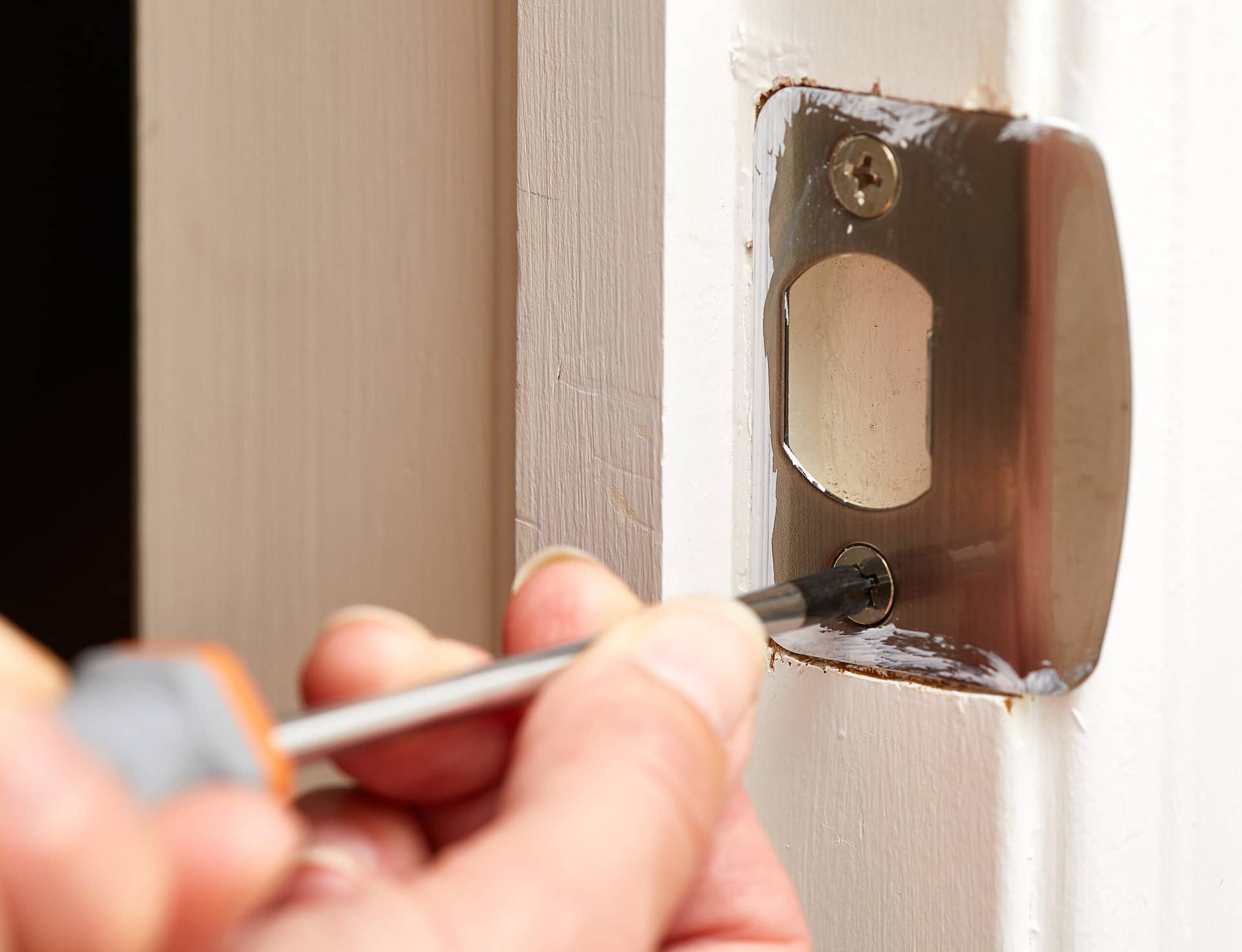
Image Source: mla5dc5gjk9g.i.optimole.com
How To Drill A Door Latch Hole: DIY Made Easy
Can you drill a door latch hole with common tools? Yes, you can drill a door latch hole with basic tools like a drill, spade bits, and a tape measure. This guide will walk you through the entire process, making door prep for hardware straightforward. We’ll cover everything from selecting the right tools to the final touches, ensuring a professional result for your door lock installation.
Why Drill a Door Latch Hole?
You might need to drill a door latch hole for several reasons:
- New Door Installation: When you buy a new door slab, it usually comes prepped for a doorknob but might need adjustments or a new latch hole.
- Replacing Hardware: If you’re upgrading your existing doorknobs or locks, you might need to re-drill or enlarge an existing hole.
- Installing a New Lock Type: Some locks, like certain mortise locks or smart locks, may require specific hole configurations.
- Repair or Modification: Occasionally, an existing latch hole might be damaged and need re-drilling.
This article focuses on creating the standard holes required for most passage and privacy doorknobs and deadbolts. We’ll also touch upon variations like drilling a deadbolt hole and the specific needs for a pocket door latch hole.
Gathering Your Tools and Materials
Before you start, ensure you have everything you need. Having the right tools makes the job much easier and safer.
Essential Tools:
- Drill: A corded or cordless drill with variable speed is ideal.
- Spade Bits (or Auger Bits):
- For the doorknob hole (cross bore): Typically 1 ½ inches or 2 1/8 inches, depending on your hardware. Check your doorknob bore size specifications.
- For the latch hole (edge bore): Usually 1 inch.
- Hole Saw Kit: A more precise alternative to spade bits for larger holes. Ensure it includes the correct sizes.
- Chisel: A sharp wood chisel for cleaning out the latch mortise and for installing a strike plate.
- Hammer: For tapping the chisel.
- Tape Measure: For accurate marking.
- Pencil: For marking.
- Carpenter’s Square or Speed Square: To ensure your marks are straight.
- Screwdriver: To install the hardware.
- Safety Glasses: Always protect your eyes!
- Clamps: To hold the door securely while drilling.
- Wood Block or Scrap Wood: To prevent tear-out on the exit side of the hole.
Optional (but Recommended) Tools:
- Door Latch Jig or Template: These jigs help guide your drill perfectly straight and ensure accurate placement, especially for the latch mortise. They are invaluable for precise door hardware drilling.
- Router: A plunge router with a straight bit can be used for creating clean mortises for latches and strike plates, offering a more professional finish than chiseling alone. Using a router for door latch mortises is often preferred for accuracy.
- Compass or Calipers: For precise measurements if needed.
Materials:
- Door Knob/Lockset: Ensure you have the new hardware ready.
- Latch Mechanism: The bolt that extends from the door edge.
- Strike Plate: The metal plate installed on the door frame.
Step-by-Step Guide to Drilling the Latch Hole
This section details how to drill the main holes required for a standard door latch and doorknob.
Preparing the Door
- Remove the Door (Recommended): For easier and safer drilling, it’s best to remove the door from its hinges and lay it flat on a stable work surface (like sawhorses or a workbench). This prevents the door from moving while you drill.
- Identify the Centerline: Decide which side of the door will be the “knob side” and which will be the “latch side.” Measure the distance from the top of the door to the desired center of the doorknob. Standard heights are often around 36-38 inches from the floor, but this can vary. Mark this height on both the top and bottom edges of the door so you can transfer the measurement accurately.
-
Determine the Backset: The backset is the distance from the edge of the door to the center of the doorknob hole. Common backsets are 2 ⅜ inches and 2 ¾ inches. Check the specifications of your lockset. This measurement dictates where you’ll drill the main hole.
- Tip for Backset Drilling: The accuracy of your backset measurement is crucial for the proper function of the lock.
Marking the Door for Drilling
-
Mark the Cross Bore (Doorknob Hole):
- Measure from the door’s edge to the determined backset distance (e.g., 2 ¾ inches).
- Using your carpenter’s square, draw a line perpendicular to the door edge at this backset measurement. This line is your backset drilling guide.
- Now, transfer your marked centerline height (from step 2 of preparing the door) onto this backset line. This intersection point is the center of your cross bore.
- It’s good practice to mark the center of the hole on both faces of the door. This helps ensure your drill bit enters and exits precisely.
-
Mark the Edge Bore (Latch Hole):
- Locate the center of the door’s edge where the latch mechanism will sit. This center should align perfectly with the center of the cross bore you just marked.
- Measure the diameter of your latch mechanism (usually 1 inch).
- Use your pencil to mark the center point for the edge bore on the door’s edge. It should be halfway up the thickness of the door and align with the cross bore mark.
Drilling the Holes
-
Drilling the Cross Bore (Doorknob Hole):
- Select the appropriate spade bit or hole saw for your doorknob bore size (e.g., 1 ½” or 2 1/8″).
- Important: Place a piece of scrap wood on the exit side of the hole before you begin drilling. Clamp it in place. This helps prevent wood splintering (tear-out) as the drill bit emerges.
- Start drilling from the marked center point on one side of the door.
- Hold the drill as straight and perpendicular to the door face as possible. A drill guide or jig can be very helpful here.
- Drill slowly and steadily. Apply consistent pressure.
- Once the pilot bit of your spade bit or the center point of your hole saw emerges from the other side, stop drilling.
- Go to the other side of the door. Align your drill with the pilot hole and continue drilling until the entire hole is cut. This method ensures a cleaner hole from both sides.
- Remove the scrap wood.
-
Drilling the Edge Bore (Latch Hole):
- Select the 1-inch spade bit for the latch hole.
- Align the tip of the spade bit with the center mark on the door’s edge. Ensure the bit is perfectly perpendicular to the edge and aligned with the cross bore you just drilled.
- Crucial: Drill into the door edge until the bit just starts to break into the cross bore hole. You should see the tip of the spade bit entering the larger hole.
- Stop Drilling. Now, go to the cross bore hole. From the cross bore, carefully drill towards the edge bore mark. The bit should meet the hole you started from the edge. This technique prevents the spade bit from tearing out the wood on the edge of the cross bore.
- If you used a hole saw for the cross bore, you might be able to drill directly from the edge into the hole. However, using the stop-and-meet method is generally safer and yields cleaner results.
- Clean out any sawdust from the holes.
Mortising the Latch
The latch mechanism typically has a faceplate that sits flush with the door’s edge. You need to create a shallow recess, or mortise, for this faceplate.
-
Mark the Mortise:
- Place the latch mechanism against the door edge, aligning its center with the edge bore you drilled.
- Trace the outline of the latch faceplate onto the door edge with your pencil.
- The depth of the mortise should be equal to the thickness of the latch faceplate. Measure this thickness carefully.
-
Creating the Mortise:
- Using a Chisel:
- Carefully score the outline of the faceplate with your chisel.
- Work in shallow, controlled cuts to remove wood from within the traced area.
- Use your hammer to gently tap the chisel.
- Periodically check the depth of the mortise by placing the faceplate into it. You want the faceplate to sit flush with the door edge, not proud or recessed too deeply.
- Using a Router:
- A plunge router with a straight bit is the most efficient and accurate way to create a mortise.
- Set the router’s depth to match the thickness of the latch faceplate.
- For precise routing, you can use a door latch jig or create a simple template.
- Guide the router carefully along the traced outline. Remove the wood in shallow passes.
- Clean up any rough edges with a chisel if necessary.
- Using a Chisel:
-
Insert the Latch:
- Slide the latch mechanism into the edge bore and the newly created mortise.
- If it fits snugly and the faceplate is flush with the door edge, you’re ready for the next step. If not, make minor adjustments with your chisel.
- Once satisfied, drive the screws to secure the latch.
Drilling a Deadbolt Hole
Drilling a deadbolt hole follows a similar principle but involves two separate holes: a larger cross bore on the door face for the deadbolt cylinder and a smaller edge bore on the door edge for the bolt mechanism.
- Typical Deadbolt Hole Sizes:
- Cross Bore: Often 1 ½ inches.
- Edge Bore: Often 1 inch.
- Backset for Deadbolts: Deadbolts commonly have longer backsets, such as 2 ⅜ inches or 2 ¾ inches, but can also be 5 inches or more. Always check your deadbolt’s specifications.
- Process:
- Mark the center of the deadbolt on the door face, usually higher up than the doorknob.
- Mark the center of the deadbolt bolt on the door edge.
- Drill the larger cross bore first, ensuring it’s perpendicular to the door face. Use the stop-and-meet method if drilling into an existing latch bore or if you need to connect holes precisely.
- Drill the edge bore for the bolt mechanism, ensuring it aligns with the cross bore.
- Mortise the door edge for the deadbolt faceplate, just as you did for the latch.
Pocket Door Latch Hole Considerations
A pocket door latch hole requires specific considerations because pocket doors slide into a wall cavity.
- Key Differences:
- No Edge Bore for Latch: Typically, pocket door latches don’t have an edge bore because the latching mechanism is often integrated into the door’s edge or face.
- Recessed Hardware: Pocket door hardware is designed to be flush or recessed to avoid snagging on the door jamb or wall.
- Specialized Latches: You’ll often need specialized pocket door latches that have a slim profile and may require routing a recess for the entire mechanism.
- Drilling/Routing:
- You will likely need to router for door latch mechanisms designed for pocket doors. This involves creating a channel or recess along the door’s edge or face for the latch assembly.
- The “hole” might be a mortise for the handle and a slot for a bolt or hook, rather than a traditional bored hole.
- Always refer to the manufacturer’s instructions for the specific pocket door hardware you are installing, as methods can vary.
Installing the Strike Plate
Once the holes are drilled and the hardware is installed on the door, you need to prepare the door frame for the latch to engage properly.
-
Locate the Strike Plate Position:
- With the latch installed on the door, close the door gently.
- Mark the position of the latch bolt on the door frame.
- Align the strike plate with this mark, ensuring the latch bolt can enter the strike plate opening.
- Use your tape measure and square to ensure the strike plate is level and centered on the jamb.
-
Mortising for the Strike Plate:
- Just like the latch faceplate, the strike plate usually needs a mortise so it sits flush with the door frame.
- Trace the outline of the strike plate onto the door frame.
- Determine the depth needed, which is the thickness of the strike plate.
- Using a Chisel: Score the outline and carefully chisel out the wood to create the recess.
- Using a Router: A router with a straight bit and a guide or template provides the cleanest result for installing a strike plate. Set the depth correctly.
-
Secure the Strike Plate:
- Place the strike plate into the mortise.
- Drive the screws provided with the strike plate to secure it to the door frame.
- Test the door by closing it. The latch bolt should slide smoothly into the strike plate and hold the door shut. If it sticks or doesn’t align, you may need to slightly adjust the mortise or the position of the strike plate.
Common Issues and Troubleshooting
- Drill Bit Wandering: If your drill bit starts to wander on the initial mark, try creating a small divot with a sharp nail or awl at the center point before drilling.
- Tear-Out: This is common when the drill bit exits the wood. Using a scrap wood backing board and drilling from both sides helps significantly. If tear-out does occur, you can sometimes repair it with wood glue and sawdust, or by using wood filler after the hardware is installed.
- Hole Not Straight: Using a drill guide or a jig is the best way to prevent this. If the hole is slightly crooked, it can make installing the lockset difficult or cause it to bind. You might need to carefully enlarge the hole with a chisel or rasp.
- Latch Doesn’t Align: Double-check your backset and height measurements. Ensure the edge bore is perfectly aligned with the cross bore and that the mortise for the latch and strike plate are the correct depth. Small adjustments with a chisel can often fix alignment issues.
- Stripped Screw Holes: If the screw holes for the hardware become stripped, you can repair them by inserting a wooden dowel or a few wooden toothpicks glued into the hole before re-drilling a pilot hole and driving the screw.
Door Prep for Hardware: A Recap
Proper door prep for hardware is the foundation of a successful door lock installation. It involves accurate measurements, precise marking, and careful drilling.
- Measurement is Key: Always measure twice, drill once.
- Tools Matter: The right tools make the job easier and produce better results. A jig or template is highly recommended.
- Patience: Rushing can lead to mistakes. Take your time with each step.
- Safety First: Always wear safety glasses when drilling or chiseling.
By following these steps, you can confidently drill the necessary holes for your door hardware, ensuring a secure and functional lock. Whether you are installing a simple passage doorknob, a deadbolt, or even considering hinge mortising for new hinges, meticulous preparation is essential.
Frequently Asked Questions (FAQ)
Q1: What is the standard doorknob bore size?
A1: The most common doorknob bore size for the cross bore (the large hole on the door face) is 2 1/8 inches. However, some older or smaller locksets might use 1 ½ inches. Always check the specifications of your new hardware.
Q2: What is the standard backset for a door latch?
A2: The most common backsets are 2 ⅜ inches and 2 ¾ inches. Deadbolts often have longer backsets, such as 5 inches, but 2 ⅜” and 2 ¾” are also common. Your hardware’s packaging will specify the required backset.
Q3: Can I drill a door latch hole with a hand drill?
A3: Yes, you can drill a door latch hole with a hand drill, but it requires more effort and precision. A corded drill usually provides more consistent power than a battery-powered one for continuous drilling. Maintaining a straight, perpendicular angle is critical.
Q4: How deep should the edge bore be for the latch?
A4: The edge bore should be deep enough for the latch mechanism to fully insert into the door edge. Typically, this is around 3 to 3 ½ inches for standard latches, but check your latch’s dimensions. The critical part is that the end of the latch mechanism should sit flush inside the door.
Q5: What’s the difference between drilling for a doorknob and drilling for a deadbolt?
A5: Drilling for a doorknob usually involves one large cross bore on the face of the door and one smaller edge bore on the door’s edge for the latch mechanism. Drilling for a deadbolt typically involves two larger holes on the face of the door – one for the cylinder and one for the thumb turn mechanism, plus an edge bore for the bolt. The backset measurement might also be different.
Q6: Do I need special tools to install a pocket door latch?
A6: Yes, installing a pocket door latch hole often requires a router for door latch mechanisms because these latches are usually recessed into the door edge or face. Standard spade bits are generally not used for pocket door latches.
Q7: How do I ensure the holes are perfectly aligned?
A7: Accurate marking is crucial. Use a tape measure and a carpenter’s square to mark your centerlines and backset. When drilling the cross bore, drill from both sides to meet in the middle. For the edge bore, drill from the edge until you just meet the cross bore, then finish drilling from the cross bore into the edge bore. Using a door latch jig or template can greatly improve alignment accuracy.
Q8: What if the strike plate doesn’t align with the latch?
A8: If the strike plate doesn’t align, the latch bolt won’t enter the hole smoothly. This usually means the strike plate needs to be repositioned. Close the door with the latch installed and mark the exact location where the bolt hits the frame. Then, adjust the strike plate’s position and mortise accordingly. Sometimes, you might need to slightly enlarge the opening in the strike plate itself with a metal file.