
What is drilling and tapping? Drilling and tapping is a two-step metalworking process used to create internal screw threads within a hole. First, a hole is drilled. Then, a tap is used to cut threads into the drilled hole, allowing a bolt or screw to be inserted.
Creating precise internal threads in metal is a fundamental skill for any maker, mechanic, or DIY enthusiast. Whether you’re assembling a project, repairing equipment, or building something from scratch, the ability to drill and tap accurately ensures strong, reliable connections. This guide will walk you through the entire process, from selecting the right tools to achieving perfectly formed threads.
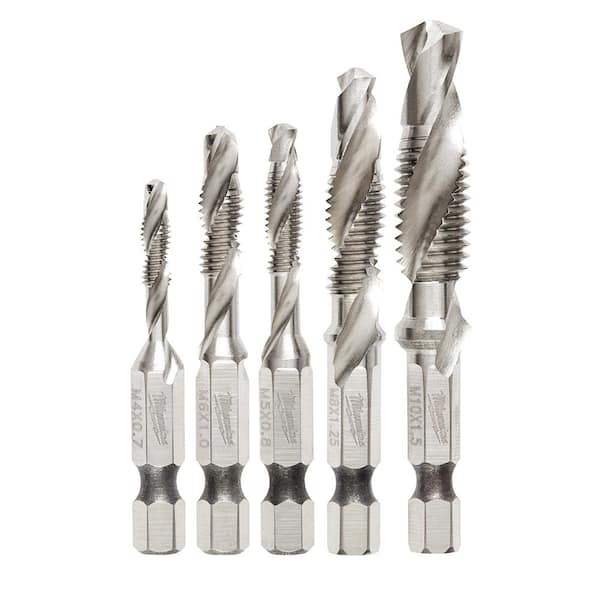
Image Source: images.thdstatic.com
Getting Started: Essential Tools and Materials
Before you can start drilling and tapping, you’ll need a few key items. Having the right equipment makes the job easier, safer, and leads to much better results.
The Foundation: Drill Bits and Drill Press
The first step in creating internal threads is to drill a hole of the correct size. This is where your drill bits come into play.
-
Choosing the Right Drill Bit: The size of the drill bit is crucial. It must be smaller than the final thread diameter to allow space for the tap to cut the threads. This is often referred to as a “tap drill size.” You can find charts online or in hardware stores that list the correct tap drill size for various screw threads and their thread pitch (the distance between adjacent threads). Using the wrong size bit can lead to threads that are too shallow or too deep, compromising the strength of the connection.
-
The Power of a Drill Press: While a hand drill can work for small, simple tasks, a drill press offers unparalleled accuracy and control. A drill press holds the workpiece firmly and guides the drill bit perfectly straight. This is essential for tapping, as an angled hole will result in crooked threads that a bolt won’t thread into properly. The stable platform of a drill press also makes it easier to apply consistent pressure.
The Thread Creator: Taps and Tap Wrenches
Once the hole is drilled, the tap comes into play.
-
Types of Taps: Taps are cutting tools with helical grooves that form the threads. They come in various forms, but the most common for DIY and general use are:
- Hand Taps: These are designed to be used with a handle. They usually come in sets of three:
- Taper Tap: This tap has a long, gradual taper at the tip. It’s used first to start the threading process and help align the tap into the hole.
- Plug Tap: This tap has a shorter taper than the taper tap, typically only the first few threads. It’s used after the taper tap to cut most of the thread.
- Bottoming Tap: This tap has a very short taper, almost parallel threads right to the tip. It’s used to create threads all the way to the bottom of a blind hole.
- Machine Taps: These are designed to be used in a drill press or milling machine. They often have a straight shank and are designed for faster material removal.
- Forming Taps (or Roll Taps): Instead of cutting, these taps displace the metal to form threads. They don’t create chips, making them ideal for softer materials and creating stronger threads.
- Hand Taps: These are designed to be used with a handle. They usually come in sets of three:
-
The Tap Wrench: To use hand taps, you need a tap wrench. This tool has adjustable jaws that grip the square shank of the tap, allowing you to rotate it smoothly. They come in different sizes for different tap shank diameters. The longer the handle of the tap wrench, the more leverage you’ll have, but also the more critical it is to keep the tap straight.
Essential Auxiliaries: Fluids and Lubricants
Working with metal generates heat and friction, which can damage your tools and the workpiece. Using the right fluids is critical for success.
-
Cutting Fluid: For drilling, a cutting fluid (also known as a lubricant or coolant) is vital. It cools the drill bit, reduces friction, and helps to clear away metal chips, preventing the bit from clogging and overheating. This extends the life of your drill bits and makes drilling much smoother.
-
Tapping Fluid: For tapping, a specialized tapping fluid is highly recommended. This fluid is designed to lubricate the cutting edges of the tap and the workpiece, reducing friction and preventing galling (where metal fragments stick to the tap). Proper lubrication is key to achieving clean threads and preventing the tap from breaking.
Preparing the Hole: Chamfering and Counterboring
Sometimes, you need to do a little extra preparation before drilling.
-
Chamfering: Before drilling, it’s often good practice to lightly chamfer the entry point of the hole. This removes any sharp edges, making it easier for the drill bit to start cleanly and preventing burrs from forming. A small countersink bit can be used for this.
-
Counterboring: If you need a screw head to sit flush with the surface of the material, you’ll need to counterbore the hole after tapping. A counterbore tool creates a flat-bottomed recess for the screw head.
The Drilling Phase: Precision First
The success of your tapping operation hinges on the quality of the drilled hole.
Step 1: Marking and Center Punching
- Accurate Placement: Before drilling, precisely mark the center of your intended hole using a scribe or a marker.
- Creating a Pilot Point: Use a center punch to create a small indentation at the marked spot. This indentation guides the tip of the drill bit, preventing it from wandering and ensuring the hole is drilled exactly where you want it. A light tap with a hammer is usually sufficient.
Step 2: Securing the Workpiece
- The Importance of Stability: Never try to drill or tap a free-hand workpiece. It must be securely clamped to your workbench or the drill press table.
- Clamping Methods:
- Vise: A good quality machinist’s vise is ideal for holding metal parts securely. Ensure the workpiece is snug in the vise jaws.
- Clamps: C-clamps or F-clamps can be used to attach the workpiece to the drill press table, especially for larger or irregularly shaped items.
- Hold-Downs: For sheet metal or smaller pieces on a drill press, hold-down clamps that attach to the table are very effective.
Step 3: Drilling the Hole
- Setting Up the Drill Press:
- Select the Correct Drill Bit: As discussed, choose the tap drill size appropriate for your desired thread.
- Install the Drill Bit: Securely fasten the drill bit into the drill press chuck. Ensure it’s centered.
- Adjusting the Speed: The ideal drill speed depends on the drill bit size and the material you’re drilling. Generally, smaller bits and harder materials require slower speeds. Consult a drill speed chart if unsure. Most modern drill presses have variable speed controls.
- Positioning the Workpiece: Place the workpiece on the drill press table so the center punch mark aligns with the drill bit. Adjust the table height so there’s enough clearance for the drill bit to enter the workpiece and for a container to catch the cutting fluid.
- The Drilling Process:
- Apply Cutting Fluid: Apply a generous amount of cutting fluid to the tip of the drill bit and the workpiece where the hole will be made.
- Start Slow: Bring the spinning drill bit down to the workpiece. Let it create a small dimple without excessive force.
- Drill with Control: Slowly lower the drill bit into the material, applying steady pressure.
- Peck Drilling: For deeper holes, it’s essential to use the “pecking” method. Drill for a few seconds, then retract the drill bit slightly to clear the chips and allow cutting fluid to reach the cutting edge. Repeat this process until the hole is the desired depth. This prevents the hole from clogging and overheating.
- Cooling: Periodically withdraw the drill bit and reapply cutting fluid to keep the bit and workpiece cool.
- Ensuring Straightness: The drill press should naturally keep the drill bit straight. However, always visually check that the bit is perpendicular to the surface as you drill.
Step 4: Cleaning and Inspection
- Remove Chips: Once the hole is drilled, carefully remove the workpiece from the drill press. Use a brush or compressed air to clear away any metal chips.
- Inspect the Hole: Check the hole for cleanliness and ensure it’s free of burrs. A small burr around the entry point can be removed with a chamfering tool or a larger drill bit spun by hand.
The Tapping Phase: Creating Precise Threads
Now that you have a perfectly drilled hole, it’s time to cut the threads.
Step 1: Preparing for Tapping
- Selecting the Correct Tap: Choose the appropriate tap for the thread size and pitch you need. If you are tapping a blind hole, ensure you have a bottoming tap.
- Lubrication is Key: Apply a generous amount of tapping fluid to the tap’s cutting edges and the drilled hole. This is critical for smooth cutting and to prevent the tap from breaking.
- Setting Up the Tap Wrench:
- Hand Taps: Securely grip the square shank of the tap in the jaws of the tap wrench.
- Machine Taps: If using a machine tap in a drill press, you’ll typically use a tapping chuck or a tapping head that allows for controlled rotation and a “tapping cycle” that retracts the tap automatically. For simplicity, this guide will focus on hand tapping.
Step 2: The Tapping Process (Hand Tapping)
-
Starting the Tap:
- Alignment: Place the tip of the tap into the drilled hole. If using a set of hand taps, start with the taper tap.
- Initial Rotation: With the tap held perfectly vertical (use a small square or angle gauge if needed), turn the tap wrench clockwise. Apply steady downward pressure initially.
- Engaging the Threads: As the tap begins to cut, you’ll feel it bite into the metal. Once the first few threads are engaged, you can ease up on the downward pressure and focus on smooth rotation.
-
Cutting the Threads:
- The 90-Degree Rule: For every full 360-degree turn clockwise (forward), you must turn the tap wrench 180 degrees (a half turn) counter-clockwise (backward). This backward turn clears the metal chips from the tap and the hole, preventing the tap from binding and breaking.
- Listen and Feel: Pay attention to the feel of the tap. If it starts to bind or feel tight, back it off more frequently to clear chips. If you hear a squealing sound, you likely need more tapping fluid or are trying to force the tap too quickly.
- Visual Checks: Periodically, remove the tap wrench and inspect the threads being cut. Ensure the tap remains perpendicular to the surface.
-
Tapping Blind Holes:
- Use the Right Taps: As mentioned, use a taper tap, then a plug tap, and finally a bottoming tap to create threads to the full depth of a blind hole.
- Careful Advancement: When using the bottoming tap, be extra cautious. Ensure you are only advancing the tap as much as needed to create full threads, without forcing it too deep.
-
Tapping Through Holes:
- Simpler Process: For through holes, you can often use just one tap (either a plug tap or a taper tap if the entry is chamfered).
- Clearing the Exit: The primary concern is to ensure the tap exits the hole cleanly. If a burr forms on the exit side, it can damage the tap. You can often lightly chamfer the exit hole before tapping, or be prepared to back the tap out slowly and carefully.
Step 3: Final Inspection and Cleaning
- Removing the Tap: Once you’ve achieved the desired thread depth, back the tap out of the hole by turning the tap wrench counter-clockwise.
- Cleaning the Threads: Thoroughly clean the threads in the hole. A brush and some solvent can help remove any remaining metal chips or tapping fluid.
- Testing the Fit: The ultimate test is to screw in the correct bolt or screw. It should thread in smoothly and without excessive force. If it binds, you may need to re-tap the hole, carefully backing the tap out and re-entering it to clear any obstructions or slight misalignments.
Advanced Techniques and Considerations
While the basic process is straightforward, certain situations call for more specialized approaches.
Using a Die Stock for External Threads
If you need to create threads on the outside of a rod or bolt, you’ll use a die. A die stock is the tool used to hold and rotate the die.
- Die Selection: Dies are round cutting tools with internal threads. They come in adjustable and non-adjustable forms. For creating or chasing threads on a bolt, an adjustable die allows for slight size adjustments.
- The Process: Similar to tapping, you’ll use cutting fluid and the die stock. The die is mounted in the die stock, and then rotated around the rod or bolt, applying lubricant and clearing chips with each turn (typically a half-turn forward, quarter-turn back). The die wrench is the handle used with the die stock.
Reaming for Hole Preparation
Sometimes, the drilled hole needs to be precisely sized and smooth for a perfect fit, especially for components that require tight tolerances. This is where a reamer comes in.
- What is a Reamer? A reamer is a multi-fluted cutting tool that removes a small amount of material to enlarge and smooth a hole to a very precise diameter.
- When to Use a Reamer: If you are drilling a hole that will accept a pin or a close-fitting bolt, drilling slightly undersized and then reaming to the final size will provide a much cleaner and more accurate hole than simply drilling to the final size.
- The Process: Reaming is done at a slower speed than drilling, with light pressure and plenty of cutting fluid. It’s crucial to keep the reamer perfectly aligned with the hole. A drill press is highly recommended for reaming.
Material Considerations
The type of metal you are working with significantly impacts the drilling and tapping process.
- Soft Metals (Aluminum, Brass): These metals are softer and easier to machine. They require less pressure when drilling and tapping. However, they are also more prone to galling, so good lubrication with a quality tapping fluid is essential. You might even get away with less frequent back-taps, but it’s still a good practice.
- Medium Metals (Mild Steel): This is the most common material. It requires a moderate amount of pressure and consistent use of cutting fluid. The 90-degree rule (forward turn, back turn) is very important here.
- Hard Metals (Stainless Steel, Tool Steel): These materials require slower speeds, more pressure, and excellent lubrication. Special cutting fluid formulations designed for hard metals are beneficial. The risk of breaking a tap is much higher with these materials, so patience and precision are paramount. You might also consider using a reamer to ensure the drilled hole is perfectly sized before tapping.
Common Problems and Solutions
Even with the best intentions, you might encounter issues. Here are a few common ones and how to address them.
-
Broken Tap: This is the most common and frustrating problem. It usually occurs due to:
- Binding: Not backing the tap out often enough to clear chips.
- Misalignment: The tap is not started or held perfectly straight.
- Too Much Pressure: Forcing the tap instead of letting it cut.
- Using the Wrong Drill Bit: The hole is too small, putting excessive strain on the tap.
- Solution: If a tap breaks off flush with the workpiece, it’s incredibly difficult to remove. Specialized tap extractors exist, but often, drilling out the broken tap and re-drilling (if possible) is the only recourse. Prevention is key: use plenty of lubricant, back out frequently, and ensure perfect alignment.
-
Cross-Threading: This happens when the bolt or screw is not started straight, and the threads are damaged.
- Solution: Back out the bolt or screw immediately. Inspect the threads on both the bolt and in the tapped hole. You might be able to chase the threads with the tap (without cutting deeply) to clean them up.
-
Shallow Threads: The threads are not deep enough for a secure connection.
- Cause: The drilled hole was too large, or the tap was not advanced far enough.
- Solution: You may need to drill a slightly larger hole and re-tap, or if it’s a blind hole, try using a bottoming tap to extend the thread depth.
-
Worn Threads: The threads in the hole are damaged from repeated use or overtightening.
- Solution: You can often chase the threads with the correct tap to clean them up. For severely worn threads, you might need to drill out the hole and tap it for a larger bolt, or use a thread repair insert (like a Helicoil).
Frequently Asked Questions (FAQ)
Q1: What is the difference between a tap and a die?
A tap is used to cut internal threads inside a hole, while a die is used to cut external threads onto a rod or bolt.
Q2: Can I use a regular drill for tapping?
While you can use a regular hand drill for small taps and soft materials, a drill press is highly recommended for accuracy, especially for larger taps or harder metals, as it ensures the tap stays perfectly straight.
Q3: How much lubricant should I use?
Always use plenty of cutting fluid when drilling and tapping fluid when tapping. It’s better to use too much than too little, as it significantly reduces friction and heat, preventing tool damage and improving thread quality.
Q4: What happens if I drill the hole too big?
If the drilled hole is too big, the tap will not have enough material to cut proper threads. The resulting threads will be shallow and weak, or the tap may spin in the hole without cutting anything. You will likely need to drill out the hole to the next standard tap size and re-tap.
Q5: How do I know the correct tap drill size?
Tap drill size charts are readily available online or in hardware stores. They list the correct drill bit size for each standard screw thread size and thread pitch.
Q6: Is it necessary to chamfer a hole before tapping?
Chamfering the edge of the drilled hole slightly helps the tap start more easily and prevents burrs from forming, which can interfere with the tapping process. It’s a good practice, especially for the starting tap.
Q7: What is the purpose of a “tapping fluid”?
Tapping fluid is a specialized lubricant designed to reduce friction and heat generated during the tapping process. It helps the tap cut smoothly, prevents galling, and extends the life of the tap.
Q8: How often should I back out the tap when threading?
A good rule of thumb is to turn the tap forward about one full rotation and then back it out a half rotation. This helps clear the metal chips and lubricate the cutting surfaces.
By following these steps and using the right tools and techniques, you can master the art of drilling and tapping, creating precise and reliable threads for all your projects. Remember, patience and attention to detail are your best allies in achieving perfect results.