
So, you’re wondering, what do hand saws cost? The price of a hand saw can range from as little as $10 for a basic utility saw to over $150 for a specialized, high-end woodworking saw. The hand saw price you’ll encounter depends heavily on the type of saw, the materials used, the brand, and its intended use. Whether you’re a DIY enthusiast looking for a reliable tool or a professional carpenter needing precision, there’s a hand saw out there to fit your needs and budget.
Let’s dive deep into the world of hand saws and explore the factors that influence their cost of a hand saw, helping you make an informed decision for your next hand saw purchase price. We’ll cover everything from the humble tenon saw to the sophisticated dovetail saw, demystifying the hand saw value and helping you navigate the market.
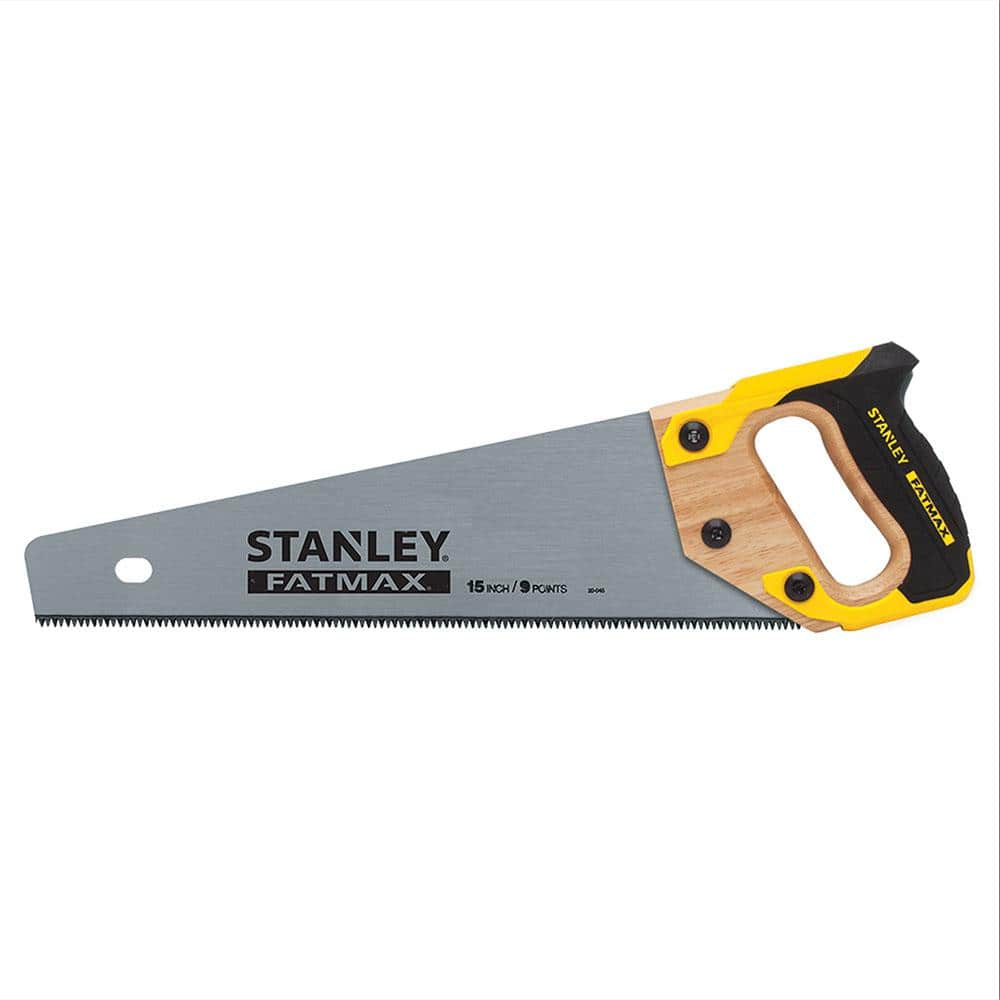
Image Source: images.thdstatic.com
Fathoming the Factors Affecting Hand Saw Prices
Several key elements contribute to the overall hand saw retail price. Understanding these can help you discern why one saw might cost significantly more than another.
Type of Hand Saw
The design and purpose of a hand saw are primary drivers of its cost. Different saws are engineered for specific tasks, requiring unique blade configurations, tooth patterns, and handle designs.
- General Purpose Saws (Crosscut Saws): These are the workhorses you might picture when thinking of a hand saw. They are designed to cut across wood grain. Their teeth are typically angled to make a quick, rough cut.
- Typical Hand Saw Price: $15 – $40 for decent quality, less for very basic models.
- Rip Saws: Engineered to cut along the wood grain. Their teeth are more chisel-like, designed to remove material efficiently in the direction of the grain.
- Typical Hand Saw Price: $15 – $40.
- Backsaws: These saws have a stiffening rib along the top of the blade, making them more rigid and allowing for thinner blades and more precise cuts. They are often used for joinery.
- Dovetail Saws: Very fine-toothed backsaws for delicate joinery.
- Hand Saw Price: $30 – $80 for good quality, up to $150+ for premium Japanese or vintage saws.
- Tenon Saws: Slightly larger than dovetail saws, used for cutting tenons for mortise and tenon joints.
- Hand Saw Price: $25 – $70.
- Coping Saws: These have a very thin blade held under tension in a U-shaped frame. They are ideal for intricate curved cuts.
- Hand Saw Price: $10 – $30 for the saw, replacement blades are cheap.
- Dovetail Saws: Very fine-toothed backsaws for delicate joinery.
- Keyhole Saws / Compass Saws: Long, narrow blades designed for making curved cuts or starting cuts in the middle of a piece of material, often used for electrical boxes or plumbing access.
- Typical Hand Saw Price: $10 – $25.
- Pruning Saws: Designed for cutting branches and live wood. They often have larger, more aggressive teeth and are built to be more durable outdoors.
- Hand Saw Price: $15 – $50.
- Japanese Saws (Pull Saws): These saws cut on the pull stroke, which allows for thinner blades and less effort. They are known for their precision and sharpness.
- Ryoba Saws: Double-edged, with rip teeth on one side and crosscut teeth on the other.
- Hand Saw Price: $25 – $75.
- Dozuki Saws: Fine-toothed backsaws for precise joinery.
- Hand Saw Price: $30 – $90.
- Kataba Saws: Single-edged saws, similar to Western panel saws but with pull-stroke action.
- Hand Saw Price: $25 – $60.
- Ryoba Saws: Double-edged, with rip teeth on one side and crosscut teeth on the other.
Material Quality
The materials used in a hand saw significantly impact its performance, durability, and, consequently, its price.
- Blade Steel: High-carbon steel is common, offering good hardness and edge retention. More premium saws might use specialized alloys for even better performance, corrosion resistance, or flexibility. The hardening and tempering process also plays a vital role. A well-hardened blade will hold a sharp edge longer.
- Cost of a Hand Saw Impact: Better steel and heat treatment increase the hand saw cost.
- Tooth Hardening: Some saws feature “induction hardened” or “super hardened” teeth. This means only the very tips of the teeth are hardened, allowing the rest of the blade to remain flexible. This prevents chipping and breakage while ensuring the cutting edge stays sharp for much longer.
- Hand Saw Retail Price Impact: This feature adds to the hand saw price.
- Handle Material: Handles can be made from wood (hardwoods like beech or walnut are common), plastic, or composite materials. Ergonomic designs and premium wood finishes can increase the hand saw value. Wooden handles, especially those made from dense hardwoods, offer good grip and balance.
- Buying a Hand Saw Price: Fancy or ergonomic handles can slightly increase the cost of a hand saw.
Brand and Manufacturing
Established brands often command higher prices due to their reputation for quality, durability, and consistency. Some brands specialize in traditional woodworking tools, while others focus on general hardware.
- Premium Brands: Brands like Lie-Nielsen, Veritas, and Japanese manufacturers like Gyokucho or Z-Saw are known for their exceptional craftsmanship and materials. Their tools are often favored by professional woodworkers and serious hobbyists.
- Hand Saw Value: These brands represent a higher hand saw value and therefore a higher hand saw purchase price.
- Mid-Range Brands: Companies like Stanley, Irwin, Bahco, and Fiskars offer a good balance of quality and affordability. They are suitable for most DIY projects and general use.
- Typical Hand Saw Price: These brands fall into the $15-$50 range for most of their models.
- Budget Brands: Many less well-known brands offer very inexpensive hand saws. While they can be functional for light tasks, they may lack durability, sharpness, or ergonomic comfort.
- Hand Saw Price: Often found for under $15.
Features and Design
Beyond the basic type, specific features can influence the hand saw price.
- Blade Thinness: Thinner blades require more precise manufacturing and better steel to maintain rigidity. They reduce material waste and can make cuts easier, especially in fine woodworking.
- Cost of a Hand Saw: Thinner, high-quality blades increase the hand saw cost.
- Tooth Count and Grind: The number of teeth per inch (TPI) and the way the teeth are ground (e.g., universal grind, fleam grind) affect cutting speed and finish. Higher TPI generally means a smoother cut but slower progress.
- Hand Saw Retail Price: Specialized grinds or very high TPI can contribute to a higher hand saw price.
- Ergonomics and Comfort: A well-designed handle that fits comfortably in the hand can make a significant difference during prolonged use. Some saws feature rubber grips or contoured shapes.
- Hand Saw Value: Ergonomic features can add to the perceived hand saw value.
- Replaceable Blades: Some saws, particularly coping saws and Japanese saws, feature easily replaceable blades, which is a practical feature that can extend the tool’s life without needing to replace the entire saw.
Price Breakdown: What to Expect When Buying a Hand Saw
To give you a clearer picture, let’s break down the cost of a hand saw by its general category and quality.
Entry-Level Hand Saws ($10 – $25)
- What you get: Typically, these are general-purpose saws from lesser-known brands or basic models from more established ones. They might have carbon steel blades with simpler tooth designs. Handles are usually basic wood or plastic.
- Best for: Occasional DIY tasks, cutting softwoods, or for occasional home repairs. They are suitable if you don’t need precision or heavy-duty performance.
- Considerations: Edges may dull quickly, and they might not be as comfortable to hold. The hand saw purchase price is low, but the longevity might also be limited.
Mid-Range Hand Saws ($25 – $60)
- What you get: This category offers good value for money. You’ll find reputable brands offering well-made saws with induction-hardened teeth, comfortable handles (often hardwood or ergonomically designed), and a good balance of sharpness and durability. Blade steel is usually of good quality.
- Best for: Regular DIYers, hobbyists, and even some light professional use. These saws perform well for a variety of tasks, from framing to finer woodworking. The hand saw price here is generally well-justified by the performance.
- Considerations: You’ll likely get a saw that holds an edge reasonably well and feels good in your hand.
High-End / Professional Hand Saws ($60 – $150+)
- What you get: These are tools for serious woodworkers and professionals. They feature premium blade steel, precision tooth grinding, superior hardening, often very thin blades, and beautifully crafted handles made from fine hardwoods. Japanese pull saws also fall into this range for their specialized designs and craftsmanship.
- Best for: Precision joinery, fine woodworking, cabinet making, and anyone who values top performance and longevity. The hand saw value is very high for these tools, reflecting their engineering and materials.
- Considerations: These saws are an investment. They cut with exceptional ease and precision. The hand saw cost reflects the craftsmanship and specialized features.
Table: Typical Hand Saw Price Ranges by Type
| Saw Type | Entry-Level ($) | Mid-Range ($) | High-End ($) |
|---|---|---|---|
| General Purpose | 10 – 20 | 20 – 40 | 40 – 60 |
| Rip Saw | 15 – 25 | 25 – 45 | 45 – 70 |
| Tenon Saw | 20 – 35 | 35 – 55 | 55 – 80 |
| Dovetail Saw | 25 – 45 | 45 – 70 | 70 – 120+ |
| Coping Saw | 10 – 20 | 20 – 35 | 35 – 50 |
| Keyhole Saw | 10 – 20 | 20 – 30 | 30 – 40 |
| Japanese Ryoba | 25 – 40 | 40 – 65 | 65 – 100+ |
| Japanese Dozuki | 30 – 50 | 50 – 80 | 80 – 130+ |
Note: These are approximate ranges and can vary based on brand, specific features, and sales.
Tips for Buying a Hand Saw Price Smartly
When you’re buying a hand saw price needs to be considered alongside quality and suitability for your needs.
Determine Your Primary Use
- What will you be cutting most often? If it’s general lumber for DIY projects, a good quality crosscut saw is essential. For furniture making or fine joinery, a backsaw or Japanese saw will be more appropriate.
- Consider the materials: Cutting hardwoods requires a sharper, more aggressive tooth pattern than cutting softwoods.
Inspect Before You Buy
If possible, physically examine the saw.
- Blade: Look for any signs of rust, pitting, or damage. Check the straightness of the blade.
- Teeth: Are they uniform? Do they look sharp? If it’s an induction-hardened saw, the teeth should be clearly defined.
- Handle: Is it comfortable to hold? Does it feel secure and well-attached to the blade? For wooden handles, check for cracks or splinters.
Read Reviews and Seek Recommendations
- Online reviews can provide valuable insights into the performance and durability of specific models.
- Ask experienced woodworkers or carpenters for their recommendations. They often have tried-and-true favorites.
Consider Vintage and Used Saws
- Well-maintained vintage hand saws can be excellent tools. Many older saws were made with superior steel and craftsmanship compared to some modern budget options.
- Hand Saw Value: A well-preserved vintage saw can offer incredible hand saw value at a much lower hand saw price than a comparable new premium saw.
- Where to find them: Flea markets, antique shops, estate sales, and online marketplaces like eBay.
- What to look for: Look for saws with minimal rust, straight blades, and intact handles. Restoring a vintage saw (cleaning, sharpening, and re-finishing the handle) can be a rewarding project.
Think About Maintenance
A sharp saw is a happy saw. Consider how easy it is to sharpen the saw you choose. While some modern saws have hardened teeth that are difficult to sharpen at home, traditional saws can be honed and sharpened with files.
The Hand Saw Purchase Price: Making the Investment
Ultimately, the hand saw purchase price is an investment in your ability to create, build, or repair. While a budget saw might seem appealing, investing a little more in a quality tool will often pay off in terms of ease of use, precision, and longevity.
- For the beginner: A mid-range general-purpose saw from a reputable brand will serve you well for a long time.
- For the enthusiast: Expanding your collection with specialized saws like a good tenon or dovetail saw will significantly enhance your woodworking capabilities.
- For the professional: Investing in high-end, professional-grade saws is essential for efficiency, accuracy, and a polished finish. The hand saw value here is in its consistent, reliable performance.
The cost of a hand saw is highly variable, but by considering the type of saw, the quality of materials, the brand, and your specific needs, you can find the right tool for the job without overspending. Remember, a good hand saw is more than just a tool; it’s an extension of your skill and a testament to good craftsmanship.
Frequently Asked Questions (FAQ)
Q1: What is the cheapest type of hand saw?
The cheapest types of hand saws are generally basic utility saws or keyhole saws. You can often find these for under $10-$15. However, their quality and cutting performance might be limited.
Q2: Can I get a good quality hand saw for under $50?
Yes, absolutely! For around $25-$50, you can purchase a very capable mid-range hand saw from reputable brands like Stanley, Irwin, or Bahco. These saws offer a good balance of sharpness, durability, and comfort for most DIY and hobbyist tasks.
Q3: Is it worth buying expensive hand saws?
If you are serious about woodworking, joinery, or cabinet making, then yes, it can be worth investing in more expensive, high-end hand saws. These saws are made with superior steel, precise tooth geometry, and often feature ergonomic designs and fine craftsmanship, leading to easier, more accurate cuts and a longer lifespan.
Q4: How often do I need to sharpen a hand saw?
This depends heavily on the quality of the saw, the type of wood you’re cutting, and how much you use it. A good quality saw with induction-hardened teeth might retain its sharpness for a very long time. However, even the best saws will eventually need sharpening. For regular use, sharpening every few months or when you notice a decrease in cutting performance is a good rule of thumb.
Q5: What is the difference between a rip saw and a crosscut saw?
The main difference lies in their tooth design and intended use. A rip saw has teeth that are shaped like small chisels, designed to cut along the grain of the wood efficiently. A crosscut saw has teeth that are angled like small knives, designed to cut across the grain of the wood. Using the wrong type of saw can make cutting much more difficult and less precise.