
The cost to drill a water well can range significantly, typically from $5,000 to $15,000, but can extend higher based on depth, geology, and location. This expense covers the drilling itself, materials, labor, pump installation, and necessary permits.
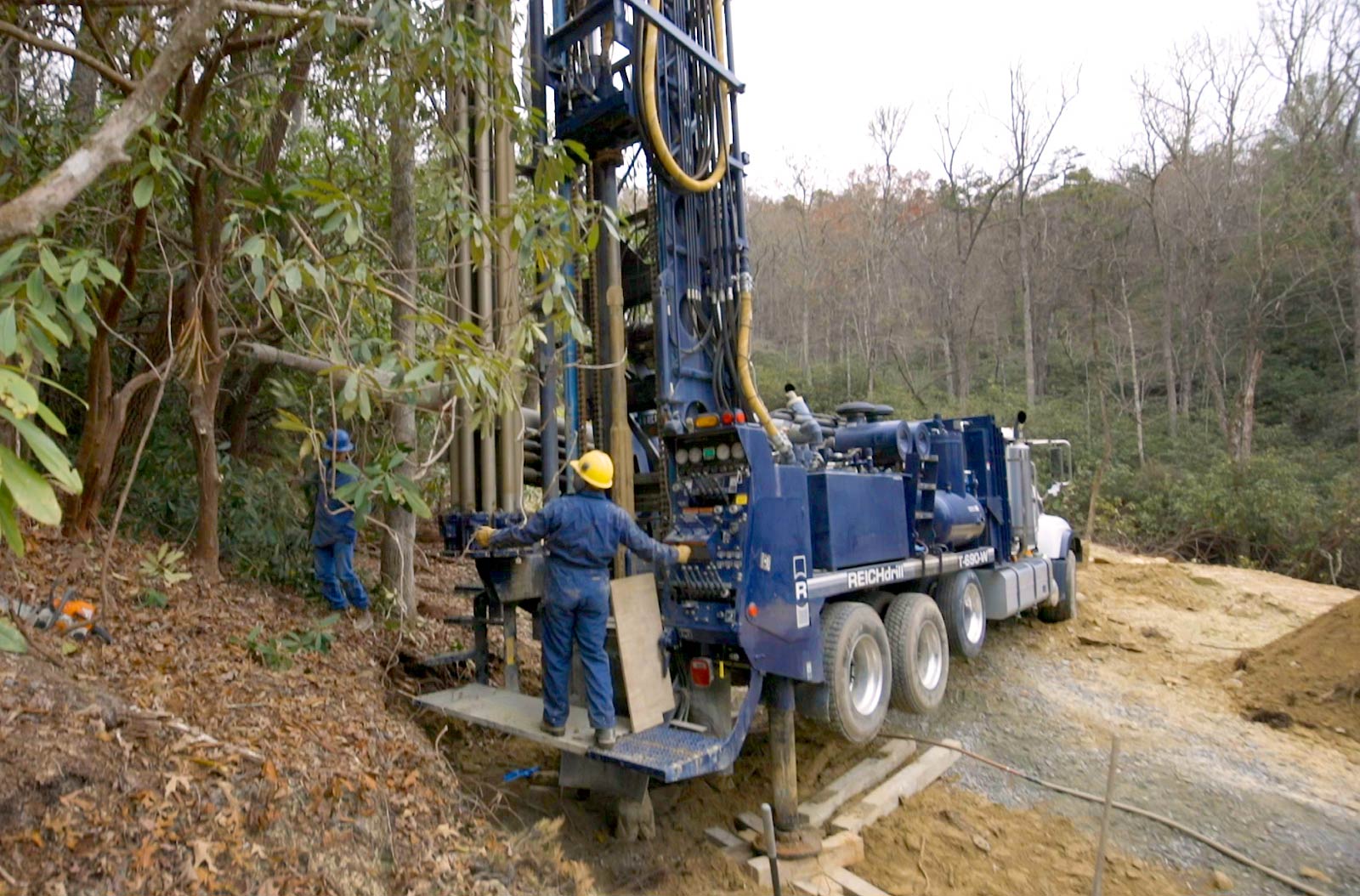
Image Source: merrillresources.com
Deciphering Water Well Drilling Expenses
Bringing a reliable water source to your property is a significant investment, and understanding the water well drilling cost is crucial for budgeting and planning. Many homeowners wonder, “How much does it cost to drill a water well?” The answer isn’t a simple figure, as numerous variables influence the final price. This comprehensive guide will break down the factors contributing to the cost to drill for water, from initial surveying to the final well water system cost.
Factors Affecting the Total Water Well Drilling Cost
The average well drilling cost is influenced by a complex interplay of elements. Think of it like building a house; the size, materials, and location all play a role. Here’s a deep dive into what makes one well project more expensive than another:
1. Depth of the Well
This is arguably the most significant factor. The deeper the well, the more time, labor, and materials are required.
- Shallow Well Drilling Cost: Shallow wells typically reach depths of 25 to 100 feet. These are generally less expensive.
- Deep Water Well Price: As you need to access deeper aquifers, the costs escalate dramatically. Wells exceeding 200 feet, and especially those over 500 feet, become considerably pricier. The effort to bore through various rock and soil layers, coupled with the increased pipe and casing needed, drives up the deep water well price.
Why Depth Matters
- Drilling Time: Each foot drilled takes time and consumes energy. Deeper wells simply take longer to complete.
- Equipment Needs: Extremely deep wells might require specialized drilling rigs that are more powerful and, therefore, more costly to operate.
- Casing and Piping: More casing (the protective lining of the well) is needed for deeper wells to prevent cave-ins and protect water quality. This adds to material costs.
2. Geological Conditions
The type of soil and rock you encounter underground has a huge impact on drilling speed and difficulty.
- Soft Soils and Sand: These are generally easier and faster to drill through, leading to lower costs.
- Hard Rock and Boulders: Drilling through dense rock formations, granite, or large boulders is slow, labor-intensive, and requires specialized drill bits. This significantly increases water well digging expenses.
- Water Table Depth: While not directly part of drilling, if the water table is very low, it necessitates a deeper well, inherently increasing costs.
3. Location and Accessibility
Where your property is located and how easy it is to reach with heavy drilling equipment matters.
- Remote Locations: Properties far from established roads or with difficult terrain can incur higher costs due to transportation of equipment and personnel.
- Site Preparation: If your chosen well site requires extensive clearing of trees, grading, or excavation to make way for the drilling rig, these additional water well digging expenses will be added to your bill.
- Proximity to Other Utilities: The cost can also be influenced by the distance from your property line to the actual drilling site, requiring trenching for electrical lines and water pipes.
4. Well Casing and Materials
The materials used to construct the well are essential for its longevity and safety.
- Casing Material: Steel or PVC are common materials. PVC is generally less expensive. The diameter and thickness of the casing also influence the price.
- Screen: A well screen is installed at the bottom of the well to prevent sediment from entering the water supply. The type and length of the screen can add to the cost.
- Grouting: Once the casing is in place, a grout seal is often applied around the outside of the casing to prevent surface water contamination.
5. Pump and Pressure Tank Installation
The drilling of the well is only part of the equation; you need a system to bring that water to your home.
- Well Pump: The type and horsepower of the pump depend on the well’s depth, the required water flow rate, and the distance the water needs to be pumped. Submersible pumps are common for deeper wells. The well pump installation cost is a significant component of the overall well water system cost.
- Pressure Tank: This tank stores water and maintains pressure in your plumbing system. Its size will depend on your household’s water usage.
- Piping and Wiring: The cost of piping from the well to your house and the electrical wiring to power the pump are also factored in.
6. Permits and Regulations
Most areas require permits for drilling a water well.
- Permit Fees: These vary by municipality or county.
- Testing: Water quality testing is often mandatory after the well is drilled.
- Professional Fees: Sometimes, a hydrogeologist’s report or other professional assessments might be required, adding to the water well digging expenses.
7. Drilling Rig and Method
The type of drilling rig used can also impact the price.
- Rotary Drilling: The most common method, using a rotating drill bit.
- Cable Tool Drilling: An older method, often used in specific geological conditions, can be slower but effective.
Obtaining Accurate Well Drilling Estimates
To get a clear picture of your potential water well drilling cost, it’s essential to obtain multiple well drilling estimates from reputable local drillers.
How to Get Good Estimates:
- Ask for Detailed Quotes: Ensure each quote breaks down all anticipated costs, including drilling per foot, casing, pump, labor, and permits.
- Check References: Ask for names of previous customers in your area.
- Verify Licenses and Insurance: Ensure the drilling company is properly licensed and insured. This protects you from liability.
- Discuss Potential Issues: Ask the driller about any geological challenges they anticipate in your area that might affect the average well drilling cost.
Residential Well Cost Breakdown
For a typical residential well cost, you can expect the majority of the expense to be in the drilling and pump installation.
Table 1: Typical Cost Components for a Residential Well
| Component | Estimated Percentage of Total Cost | Notes |
|---|---|---|
| Drilling (per foot) | 40-60% | Varies greatly with depth and geology |
| Pump & Pressure Tank | 25-35% | Includes pump, tank, controls, and installation |
| Casing & Materials | 10-15% | Pipe, screen, grout, fittings |
| Permits & Testing | 3-5% | Local government fees and water quality analysis |
| Labor & Mobilization | 5-10% | Moving equipment, on-site work |
| Ancillary Costs | 2-5% | Trenching, electrical hookup, gravel pack, etc. |
Shallow Well vs. Deep Water Well Price Comparison
To illustrate the difference, let’s look at potential costs for wells of varying depths, assuming similar geological conditions and locations:
Table 2: Estimated Cost Ranges Based on Depth
| Well Depth (Feet) | Estimated Cost Range | Key Cost Drivers |
|---|---|---|
| 25-100 (Shallow) | $3,000 – $7,000 | Shorter drilling time, less casing, smaller pump |
| 100-250 | $5,000 – $10,000 | Increased drilling, more casing, mid-range pump |
| 250-500 | $8,000 – $15,000 | Significant drilling, substantial casing, powerful pump |
| 500+ (Deep) | $12,000 – $25,000+ | Extended drilling, specialized casing, robust pump |
Note: These are estimates. Actual costs can be higher or lower based on all the factors discussed.
The Well Water System Cost in Full
The well water system cost encompasses more than just drilling. It’s the complete setup that delivers potable water to your home.
Components of a Complete Well Water System:
- The Well Itself: The drilled hole, casing, and screen.
- Wellhead Assembly: This includes the cap and seal at the top of the well.
- Submersible Pump: Located down in the well, it pushes water up.
- Drop Pipe: Connects the pump to the surface.
- Power Cable: Runs from your electrical panel to the pump.
- Pitless Adapter or Well Seal: Connects the water line from the well to your house underground, preventing freezing.
- Pressure Tank: Stores water and maintains system pressure.
- Pressure Switch: Turns the pump on and off based on water pressure.
- Check Valve: Prevents water from flowing back down the well.
- Service Line: The pipe carrying water from the well to your home.
- Water Treatment (Optional but Recommended): Filters, softeners, or UV sterilizers if needed.
The well pump installation cost alone can range from $1,000 to $3,000 or more, depending on the pump’s size, type, and the complexity of the installation.
Can I Save Money on Water Well Drilling?
While the water well drilling cost can seem high, there are ways to potentially reduce expenses:
- Group Drilling Projects: If several neighbors are also considering wells, a drilling company might offer a slightly better rate for a larger, consolidated project.
- Proper Site Selection: Working with a driller who understands local geology can help avoid costly complications. Sometimes, a slightly different location on your property might be significantly easier to drill.
- Consider a Shared Well: If feasible and permitted, sharing a well with a neighbor can divide the residential well cost. However, this requires a legal agreement.
- Research Rebates or Incentives: In some rural areas, there might be government programs or grants available to help offset the cost of essential services like water wells.
Who is Responsible for Water Well Maintenance?
Once your well is drilled and operational, the responsibility for its maintenance falls entirely on the homeowner. Regular checks of the pump, pressure tank, and water quality are essential for ensuring a long lifespan and preventing costly repairs. It’s recommended to have your well inspected by a professional every 3-5 years.
Fathoming the Long-Term Value of a Water Well
While the initial water well drilling cost is substantial, it’s important to consider the long-term benefits:
- Independence: You are not reliant on municipal water supply, which can be subject to rate increases, service interruptions, or quality concerns.
- Cost Savings Over Time: Once the initial investment is made, your only ongoing costs are minimal electricity for the pump and routine maintenance. This can be significantly less than monthly water bills.
- Water Security: Especially in drought-prone areas, having your own water source provides a reliable supply.
Frequently Asked Questions (FAQs) About Water Well Drilling Costs
Q1: What is the average cost to drill a water well?
A1: The average well drilling cost typically falls between $5,000 and $15,000, but can vary widely.
Q2: How much does a deep water well price typically cost?
A2: The deep water well price can easily exceed $15,000, often ranging from $12,000 to $25,000 or more for wells over 500 feet.
Q3: Does the well pump installation cost include the pump itself?
A3: Yes, the well pump installation cost typically includes the price of the pump, pressure tank, controls, and the labor to install them.
Q4: What are the main components of water well digging expenses?
A4: The main water well digging expenses include the drilling process (labor, rig time, materials per foot), casing, well screen, pump system, permits, and site preparation.
Q5: Can I get well drilling estimates before committing?
A5: Absolutely. It is highly recommended to get multiple detailed well drilling estimates from different reputable drilling companies in your area.
Q6: Is a shallow well drilling cost significantly lower than a deep one?
A6: Yes, shallow well drilling cost is typically much lower because less time, material, and less powerful equipment are required compared to drilling deep water wells.
In conclusion, while the water well drilling cost is a significant upfront investment, it offers long-term benefits of water independence and potential cost savings. By carefully researching, obtaining multiple well drilling estimates, and discussing all factors with a qualified professional, you can better prepare for this essential project.