
Can you use a hole saw with any drill? Generally, yes, but it’s crucial to match the hole saw’s size and the material you’re cutting to the drill’s power and RPM. For larger hole saws or tougher materials, a more powerful drill is recommended.
A hole saw is a fantastic tool that lets you cut perfect, round holes in various materials like wood, metal, and plastic. Whether you’re a DIY enthusiast or a seasoned pro, knowing how to use a hole saw effectively will save you time and effort. This guide will walk you through everything you need to know, from selecting the right hole saw to making that clean cut.
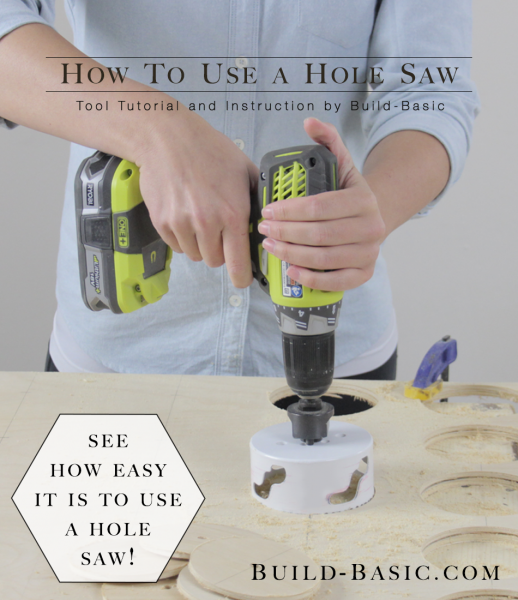
Image Source: build-basic.com
Choosing the Right Hole Saw
Selecting the correct hole saw is the first step to a successful project. Several factors come into play:
Material Compatibility
Hole saws are designed for specific materials. You’ll find them categorized by:
- Wood Hole Saws: These have aggressive teeth for fast cutting in lumber, plywood, and MDF.
- Bi-Metal Hole Saws: Versatile and durable, these are excellent for cutting metal, wood, plastic, and even some non-ferrous metals like aluminum. They feature a high-speed steel cutting edge bonded to a spring steel body.
- Carbide-Tipped Hole Saws: These are the toughest, designed for abrasive materials like tile, brick, concrete, and fiberglass. Their carbide teeth offer superior heat and wear resistance.
Hole Saw Sizes
Hole saws come in a wide range of diameters, known as hole saw sizes. These can vary from as small as 1/2 inch to over 6 inches. Always choose a size that matches your project’s requirements. If you need multiple sizes, consider purchasing a hole saw kit, which typically includes a variety of common sizes and an arbor.
Depth of Cut
Most standard hole saws have a specific hole saw depth they can cut, usually around 1 to 1-1/2 inches. If you need to cut deeper, you might need a deep-cut hole saw or plan to make multiple passes.
Essential Hole Saw Components
Before you start cutting, familiarize yourself with the parts of a hole saw system:
The Hole Saw Itself
This is the cup-shaped cutting tool with teeth around the edge. The diameter of the cup determines the size of the hole you’ll create.
The Hole Saw Arbor
The hole saw arbor is the shank that connects the hole saw to your drill. It’s a critical component for stability and efficient cutting. Most arbors have a threaded end that screws into the base of the hole saw.
- Shank Type: Arbors typically come with a round shank or a hexagonal shank. Hex shanks offer better grip in the drill chuck, reducing slippage.
- Pilot Bit: A hole saw pilot bit is usually located at the center of the arbor. Its purpose is to guide the hole saw and prevent it from wandering as you begin cutting. Some pilot bits are self-centering, making them even more precise.
- Compatibility: Ensure the arbor you choose is compatible with the hole saw sizes you intend to use. Some arbors are designed for specific diameter ranges.
The Hole Saw Adapter (Optional)
In some cases, you might use a hole saw adapter if you’re using a specific type of drill or if the hole saw and arbor aren’t directly compatible. This is less common but can be useful in specialized situations.
Getting Started: Preparing Your Drill and Workspace
Proper preparation is key to safe and effective hole saw use.
Selecting the Right Drill
- Drill Power: For smaller hole saws (under 1-1/2 inches) and softer materials, a standard cordless or corded drill will suffice. For larger hole saws or tougher materials like metal, you’ll need a more powerful drill, often a corded drill or a hammer drill in its rotary-only setting.
- Chuck Type: Ensure your drill’s chuck can securely grip the hole saw arbor. Keyless chucks are convenient, but a keyed chuck can offer a tighter grip for demanding tasks.
- Speed Settings: Most drills have variable speed settings. For hole saws, it’s generally better to use a lower RPM (revolutions per minute). High speeds can overheat the saw and the material, leading to premature wear and poor cut quality.
Workspace Setup
- Clear the Area: Remove any clutter from your workspace. Ensure you have enough room to maneuver the drill and hole saw comfortably.
- Secure the Material: The material you’re cutting must be firmly clamped or secured. Any movement during the cutting process can result in a poor cut, damage the material, or even cause the drill to kick back, which is a serious hole saw safety concern. Use clamps or a vise to hold your workpiece steady.
- Mark Your Spot: Accurately mark the center point for your hole. Use a pencil or a marker. For very precise work, you might want to use a center punch to create a small indentation for the pilot bit to rest in.
Hole Saw Mounting: Attaching the Hole Saw to the Arbor
The hole saw mounting process is straightforward but requires attention to detail.
- Remove the Pilot Bit (if necessary): Some arbors have a removable pilot bit. If yours does, unscrew it.
- Thread the Hole Saw onto the Arbor: Carefully screw the hole saw onto the threaded end of the arbor. Make sure it’s on straight.
- Tighten Securely: Once the hole saw is threaded on as far as it will go, tighten it down. Some arbors have a set screw or a locking mechanism to further secure the hole saw.
- Reinstall the Pilot Bit: If you removed the pilot bit, screw it back into place. Ensure it’s snug.
- Insert the Arbor into the Drill Chuck: Place the shank of the arbor into your drill’s chuck.
- Tighten the Chuck: Securely tighten the drill chuck around the arbor shank. If you have a keyed chuck, ensure it’s very tight. A loose arbor can lead to wobbling, poor cuts, and potential injury.
The Hole Saw Cutting Process: Step-by-Step
Now it’s time for the actual hole saw cutting.
Step 1: Position and Drill Pilot Hole
- Start Slow: Hold the drill perpendicular to the surface of the material. Begin drilling at a very slow speed.
- Engage the Pilot Bit: Allow the pilot bit to make a small indentation. This will prevent the hole saw from skittering across the surface.
Step 2: Begin Cutting
- Increase Speed Gradually: Once the pilot bit has engaged the material, slowly increase the drill’s speed. Aim for a speed that feels controlled and allows the teeth to cut effectively without excessive force.
- Maintain Perpendicularity: Keep the drill perfectly straight (perpendicular) to the material throughout the cut. Angling the hole saw will result in an oval hole and can strain the arbor and drill.
Step 3: Manage Heat and Debris
- Cooling (Metal Cutting): When cutting metal, heat buildup is a significant issue. Use a cutting fluid or lubricant to keep the teeth cool. This extends the life of the hole saw and improves the cut quality.
- Chip Removal: Periodically, you’ll need to clear out the material being cut from the inside of the hole saw. This prevents the saw from getting clogged and overheating. You can do this by backing the drill out slightly or by using compressed air (wear safety glasses!).
Step 4: Completing the Cut
- Reduce Pressure: As you approach the end of the cut, reduce the drilling pressure. This will prevent the center of the material from breaking off abruptly and cleanly.
- Support the Cutout: For thinner materials, the piece being cut out might break free before the hole saw finishes. Support this piece to prevent it from snagging the hole saw as it comes through.
Step 5: Ejecting the Cutout
- Back Out Carefully: Once the hole saw has fully penetrated the material, back the drill out slowly.
- Remove the Saw: Unscrew the hole saw from the arbor. The cutout piece should now be inside the hole saw. You can usually eject it by pressing the pilot bit or by gently tapping the hole saw against a hard surface.
Hole Saw Safety: Non-Negotiable Precautions
Hole saw safety should always be your top priority.
- Eye Protection: Always wear safety glasses or a face shield. Flying debris is a real hazard.
- Gloves: Wear sturdy work gloves to protect your hands from sharp edges and potential slips.
- Secure Clothing: Avoid loose clothing or jewelry that could get caught in the drill or the hole saw.
- Firm Grip: Maintain a firm, two-handed grip on the drill whenever possible. This provides better control and helps prevent kickback.
- Know Your Limits: Don’t force the hole saw. If you’re struggling, the drill might be too weak, the hole saw is dull, or you’re using the wrong type of saw for the material.
- Unplug/Remove Battery: Before changing bits or making any adjustments, always disconnect the power source (unplug the drill or remove the battery).
Maintaining Your Hole Saws for Longevity
Proper maintenance ensures your hole saw kit remains effective for many projects.
- Cleaning: After each use, clean your hole saws and arbors to remove any debris. A wire brush is useful for this.
- Lubrication (Metal): When cutting metal, use cutting fluid. For storage, a light coat of oil can prevent rust on bi-metal and steel saws.
- Sharpening: Teeth can become dull over time. While sharpening hole saws isn’t as common as with other saw blades, it can be done with a metal file for wood-cutting saws. Bi-metal and carbide saws are often replaced when they become dull.
- Storage: Store your hole saws and arbors in a clean, dry place, ideally in their original case or a dedicated tool organizer. This prevents damage and keeps them organized.
Troubleshooting Common Hole Saw Issues
Even with the best preparation, you might encounter problems. Here are some common issues and their solutions:
| Problem | Cause | Solution |
|---|---|---|
| Wandering Pilot Bit | Dull pilot bit, insufficient pressure at start, or no pilot indentation. | Sharpen or replace the pilot bit. Start at a very slow speed with firm pressure. Use a center punch to create an indentation for the pilot bit. |
| Hole Saw Not Cutting | Dull teeth, wrong type of saw for material, insufficient drill power/speed. | Replace or sharpen the hole saw. Ensure you’re using the correct hole saw for the material. Use a more powerful drill or adjust speed settings. |
| Overheating Hole Saw | Too much speed, lack of lubrication (metal), clogged debris. | Reduce drill speed. Use cutting fluid for metal. Clear debris from the hole saw periodically. |
| Rough Edges | Dull teeth, excessive speed, material tearing. | Use a sharp hole saw. Reduce speed. Support the material on the exit side to prevent tearing. A jigsaw or rasp can clean up rough edges after the cut. |
| Drill Chuck Slipping | Loose chuck, oily arbor shank, or wrong shank type for the chuck. | Tighten the drill chuck securely. Clean the arbor shank. Ensure your arbor has a hex shank if your chuck has issues gripping round shanks. |
| Pilot Bit Breaking | Excessive side pressure, bent pilot bit, or drilling into very hard material. | Maintain perpendicularity. Ensure the pilot bit is straight and not bent. Use a carbide-tipped hole saw for very hard materials. |
Advanced Techniques and Considerations
For more specialized applications, consider these points:
Cutting Thick Materials
For materials thicker than the hole saw depth, you have a few options:
- Multiple Passes: Make a pass through the material, then back the drill out, clear debris, and re-enter the same path. Repeat until the hole is complete. This requires careful alignment to ensure the hole remains round.
- Deep-Cut Hole Saws: These are specifically designed for greater cutting depths.
- Extension Arbors: Some arbors can be extended, allowing for deeper cuts.
Cutting Different Materials
- Plasterboard/Drywall: Hole saws cut drywall easily. Use a moderate speed and let the tool do the work.
- Tiles: For ceramic or porcelain tiles, use a carbide-tipped hole saw and a tile drilling lubricant. Start at a very slow speed and drill at a slight angle initially to create a groove, then gradually bring the drill to a perpendicular position. A hammer drill in rotary-only mode can be beneficial.
- Masonry: For brick or concrete, carbide-tipped hole saws are essential. A hammer drill on the hammer setting is usually required. Keep the drilling surface wet to reduce dust and heat.
Hole Saw Sizes: A Practical Overview
It’s helpful to have a range of hole saw sizes for various tasks. Common sizes include:
- Small: 1/2 inch to 1-1/4 inch (for electrical boxes, pipes)
- Medium: 1-1/2 inch to 3 inches (for plumbing fittings, ventilation ducts)
- Large: 3 inches and up (for larger pipes, access panels)
A good starter hole saw kit might include sizes like 3/4″, 7/8″, 1″, 1-1/8″, 1-1/4″, 1-1/2″, 1-3/4″, 2″, and 2-1/2″.
Frequently Asked Questions (FAQ)
Q1: Can I use a hole saw with a hand drill?
A1: While possible for very small hole saws and soft materials, it’s generally not recommended. Hand drills lack the power and stability needed for most hole saw applications, and it can be very difficult to maintain a straight cut.
Q2: How do I keep a hole saw from getting stuck?
A2: Ensure you’re using the correct speed, clearing debris, and using lubricant for metal. Don’t force the cut. If the hole saw gets stuck, turn off the drill and try to gently work it back and forth.
Q3: How often should I replace my hole saws?
A3: This depends on the material you’re cutting and how often you use them. Dull teeth will become apparent when cuts become difficult, slow, or produce rough edges. For bi-metal and carbide saws, replacement is often more practical than sharpening.
Q4: What’s the difference between a hole saw and a circle cutter?
A4: A circle cutter typically has adjustable blades and is used for larger, often thinner materials where a precise hole saw might not be available or suitable. Hole saws are fixed-size cutting tools.
Q5: How do I remove a stuck cutout from a hole saw?
A5: Most arbors have a mechanism to push the cutout out. You can usually push the pilot bit through the hole in the back of the hole saw to eject the piece. If it’s really stuck, you might need pliers.
Mastering the use of a hole saw is a valuable skill for any maker or DIYer. By selecting the right tools, preparing your workspace, adhering to hole saw safety, and practicing proper technique, you’ll be cutting clean, accurate holes with confidence. Remember to always prioritize safety and enjoy the process of creating!