
Ever wonder what makes your favorite music sound so full and rich? A big part of it is the box that holds the speaker – the cabinet! But choosing the right wood for this box can feel like a puzzle. You want your speakers to sound amazing, not muddy or weak. That’s where the wood really matters.
Picking the wrong wood can lead to disappointing sound. Some woods might vibrate too much, making your music sound fuzzy. Others can be too heavy, making the sound flat. It’s a tricky decision because there are so many types of wood, and each one acts a little differently. You want a wood that lets your speakers sing their best song!
In this post, we’ll break down the mystery of speaker cabinet wood. We’ll explore why certain woods are better than others and what to look for. By the end, you’ll know how to choose the perfect wood to make your speakers sound incredible, just like the pros do. Let’s dive into the world of wood and sound!
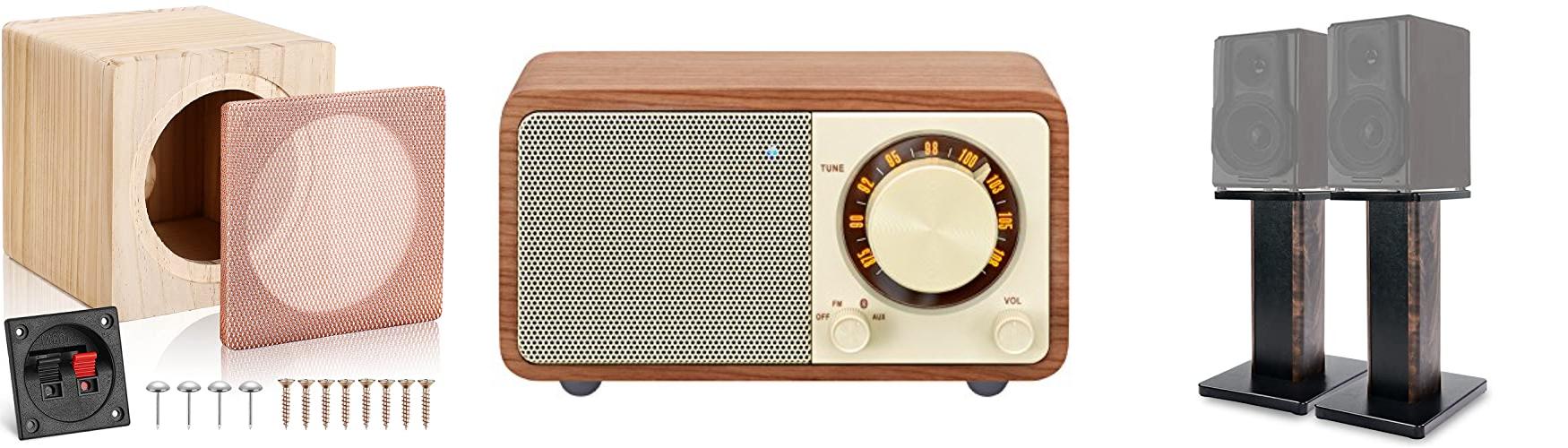
Our Top 5 Wood For Speaker Cabinet Recommendations at a Glance
Top 5 Wood For Speaker Cabinet Detailed Reviews
1. Facmogu 4in Solid Wood Speaker Enclosure

Rating: 9.4/10
If you’re a DIY audio enthusiast looking to build custom car or truck sound systems, the Facmogu 4in Solid Wood Speaker Enclosure is a fantastic starting point. This unloaded box is designed to elevate your audio experience, offering a solid foundation for your custom speaker builds.
What We Like:
- The solid Brazilian Pine Wood construction significantly improves speaker performance by enhancing audio quality and bass response. Wood naturally captures a wide range of sounds.
- It’s incredibly durable and adaptable, promising a long lifespan without deterioration.
- The natural acoustic properties of wood make it a high-value material for sound aficionados, offering energetic and resonant sound reproduction.
- It comes with sound-absorbing cotton that helps muffle sound waves and reduce vibrations for better structural integrity. The adhesive backing keeps it in place.
- The enclosure is easy to customize. You can easily finish the wood with a clear coat or tints to match your style.
What Could Be Improved:
- The product description mentions being careful with wood burrs, suggesting a need for sanding or extra finishing work before painting or staining.
- The size is specific to 4-inch speakers, so it won’t fit larger or smaller drivers without modification. Always double-check your speaker dimensions before ordering.
This speaker enclosure provides a solid, customizable foundation for your DIY audio projects. It’s a great choice for anyone wanting to improve their car or truck’s sound system.
2. Sangean WR-7WL Wood Cabinet Mini Bluetooth Speaker with FM Tuner and Aux-in Walnut/Wood

Rating: 8.9/10
The Sangean WR-7WL is a mini Bluetooth speaker that looks like a classic radio. It has a beautiful wood cabinet and sounds great. You can listen to FM radio or stream music from your phone. It’s easy to use and has a long battery life.
What We Like:
- It has a stylish, classic look with a real wood cabinet.
- The sound quality is excellent, even winning an award for it.
- It easily connects to your phone via Bluetooth.
- You can also tune into FM radio stations with a neat dial.
- The battery lasts a long time, up to 36 hours on one charge.
- It has a special amplifier that makes FM radio sound better and saves battery when using Bluetooth.
- The wooden cabinet is designed to make the sound richer, and it has a special part in the back to help with bass.
- A carrying pouch is included, making it easy to take with you.
What Could Be Improved:
- The FM tuning dial can be a little tricky to get exactly right.
- While it has a USB port for charging, it doesn’t seem to have an option to play music directly from a USB stick.
This Sangean speaker combines old-school charm with modern features. It’s a fantastic choice for anyone who appreciates good sound and a touch of vintage style.
3. 20 Inch (50CM) – Pair- Wood Speaker Stands for Home-Cinema HiFi Desktop and Satellite Speakers Monitor Stands

Rating: 9.1/10
Elevate your home audio with this pair of 20-inch (50CM) wooden speaker stands. Designed to enhance your home theater or desktop HiFi setup, these stands bring your speakers to ear level for a more immersive sound experience. Their sturdy construction and universal design make them a fantastic addition to any entertainment system.
What We Like:
- Sturdy and reliable, these stands support up to 110lbs (55kg) each.
- The hollow design allows for sand filling to increase stability and weight capacity.
- They position your speakers at the ideal height for a superior listening experience.
- The beautiful wood grain finish complements most home decor styles.
- Assembly is quick and easy, taking only a few minutes.
- All necessary accessories, including non-slip mats, are included.
What Could Be Improved:
- The top plate size might be a bit small for very large satellite speakers.
These speaker stands offer a noticeable improvement in sound quality and aesthetics for your audio setup. They are a solid choice for anyone looking to get the most out of their home theater or desktop speakers.
4. Dayton Audio Classic B40 Bookshelf Speaker Pair (Wood)

Rating: 9.0/10
The Dayton Audio Classic B40 Bookshelf Speaker Pair (Wood) packs big sound into a small package. These speakers are designed to fit almost anywhere, from your desk to your bedroom. They deliver clear sound that makes music and movies sound amazing.
What We Like:
- Compact size fits easily on shelves or desks.
- Versatile performance handles music and movies well.
- 4-inch bass drivers provide good low-end for their size.
- 1-inch silk dome tweeters offer clear, smooth treble.
- True hi-fi design with real crossovers for balanced sound.
- Wall-mountable for flexible placement and saving space.
- High-quality gold-plated binding posts ensure good connections.
What Could Be Improved:
- Bass can be a bit light for very demanding listeners; a subwoofer is recommended for a fuller sound.
- While good for near-field listening, they might not fill a very large room on their own.
For their size and price, the Dayton Audio Classic B40 speakers are a fantastic option. They offer impressive sound quality and flexibility for many different listening setups.
5. Computer Speakers

Rating: 9.1/10
Upgrade your audio experience with the Smalody Wood Wireless Sound Bar Speaker. This stylish speaker brings rich sound and a vintage aesthetic to your desktop, laptop, or any Bluetooth-enabled device. Its natural wood design makes it a beautiful addition to any room.
What We Like:
- The sound quality is amazing. It has powerful bass and clear highs.
- The 20 Watts of power makes the sound fill your room.
- It looks great with its Brazilian oak cabinet and fabric cover.
- It’s portable with a 2000mAh battery that lasts for hours.
- Bluetooth 5.3 connects quickly and easily.
- It also has a built-in FM Radio for more listening options.
- It’s a wonderful gift idea for friends and family.
What Could Be Improved:
- The playtime is 5 hours, which might be short for some long trips.
- Connecting to non-Bluetooth devices requires extra cables or a USB/TF slot.
This speaker offers a fantastic blend of style and sound. It’s a great choice for anyone looking to enhance their home audio setup.
Choosing the Right Wood for Your Speaker Cabinets
Building your own speakers or upgrading existing cabinets? The wood you choose matters a lot. It affects how your speakers sound and how they look. This guide will help you pick the best wood for your project.
1. Key Features to Look For
When you’re picking wood, think about these important things:
Density
Denser wood is heavier. Heavier wood stops vibrations better. This means your speakers will sound clearer. Less vibration means less unwanted noise.
Stiffness
Stiff wood doesn’t bend easily. When your speaker cone moves, it can make the cabinet vibrate. Stiff wood fights this vibration. It helps keep the sound focused.
Internal Damping
Some woods naturally absorb sound waves inside the cabinet. This is called damping. Good damping stops echoes and makes the sound cleaner.
Workability
How easy is the wood to cut, shape, and finish? If you’re a beginner, you want wood that’s easy to work with. This makes your building process smoother.
Appearance
The wood’s grain and color will show. You want it to look good. Some woods have beautiful patterns that add to the speaker’s style.
2. Important Materials
Different types of wood have different strengths. Here are some popular choices:
MDF (Medium-Density Fiberboard)
- Pros: Very dense and stiff. It’s also affordable and easy to find. It’s a great choice for beginners.
- Cons: It’s heavy. It can swell if it gets wet. It doesn’t look as nice as solid wood without finishing.
Plywood
- Pros: Strong and stable. It comes in different grades. Birch plywood is a popular choice for good sound and looks. It’s lighter than MDF.
- Cons: The layers can sometimes create unwanted resonances if not built well. Higher grades can be more expensive.
Solid Hardwoods (Oak, Maple, Walnut)
- Pros: Beautiful grain patterns. They can sound very good if used correctly. They are very stiff.
- Cons: They are usually more expensive. They can warp or crack if not seasoned properly. Working with them can be harder.
Particleboard
- Pros: Very cheap.
- Cons: It’s not very strong. It absorbs moisture easily and swells. It doesn’t sound good for speakers. It’s generally not recommended for quality speaker cabinets.
3. Factors That Improve or Reduce Quality
Thickness
Thicker wood is generally better. It adds more mass to fight vibrations. A common thickness for speaker cabinets is 3/4 inch (about 1.9 cm).
Joinery
How you put the cabinet pieces together matters. Strong, airtight joints are important. Rabbet joints or dado joints are better than simple butt joints. Glue and screws or nails help make strong connections.
Bracing
Adding internal supports, called bracing, makes the cabinet stronger. Bracing stops the large panels from vibrating. This improves sound clarity and reduces distortion.
Sealing
Your cabinet needs to be airtight. Any leaks let sound escape. This makes the bass sound weak. Seal all joints carefully with glue or caulk.
Finishing
A good finish protects the wood. It also makes the cabinet look professional. Paint, veneer, or clear coats can be used.
4. User Experience and Use Cases
DIY Enthusiasts
If you love building things, using MDF or good quality plywood is a great start. You can experiment with different designs and save money. You get the satisfaction of creating your own sound system.
Audiophiles
Serious music lovers might choose solid hardwoods or high-grade Baltic Birch plywood. They focus on the best possible sound. They might use advanced bracing techniques and careful sealing.
Budget Builders
For those on a tighter budget, MDF is often the best choice. It offers good performance for its cost. You can still achieve great sound with careful construction.
Aesthetics
If the look of your speakers is very important, solid hardwoods with a beautiful grain are ideal. You can also use wood veneer over MDF or plywood for a premium look without the full cost of solid wood.
Frequently Asked Questions (FAQ)
Q: What is the best wood for speaker cabinets?
A: There’s no single “best” wood. MDF and high-quality plywood like Baltic Birch are very popular and work well. Solid hardwoods can also be great if you build them carefully.
Q: Why is density important for speaker wood?
A: Denser wood is heavier. This extra weight helps to stop the cabinet from vibrating. Less vibration means clearer sound from your speakers.
Q: Can I use particleboard for speaker cabinets?
A: It’s not recommended for good quality sound. Particleboard is weak and swells easily. It doesn’t offer the stiffness or damping needed for good speaker performance.
Q: How thick should the wood be?
A: A common and good thickness is 3/4 inch (about 1.9 cm). Thicker wood can offer even better vibration control.
Q: Does the type of glue matter?
A: Yes, using a strong wood glue is important. It helps create airtight and strong joints, which are crucial for good speaker sound.
Q: What is bracing and why is it used?
A: Bracing is adding internal supports to the cabinet. It makes the cabinet walls stiffer and stops them from vibrating. This improves sound clarity.
Q: Is it okay if my speaker cabinet has small leaks?
A: No, speaker cabinets need to be airtight. Leaks let sound escape, especially the bass, making the sound weaker and less defined.
Q: How does wood finish affect sound?
A: The finish itself has a small effect. Its main job is to protect the wood and make it look good. The structure and density of the wood itself have a much bigger impact on sound.
Q: Should I use veneer or paint on my cabinets?
A: Both are good options. Veneer gives a natural wood look, while paint offers many color choices. The choice depends on the style you want.
Q: Can I use reclaimed wood for speaker cabinets?
A: You can, but be cautious. Reclaimed wood might be warped or damaged. Ensure it is strong, stable, and free from moisture damage before using it for speaker cabinets.
In conclusion, every product has unique features and benefits. We hope this review helps you decide if it meets your needs. An informed choice ensures the best experience.
If you have any questions or feedback, please share them in the comments. Your input helps everyone. Thank you for reading.