
Why is “Chinese fire drill” offensive?
The phrase “Chinese fire drill” is offensive because it relies on harmful stereotypes and has its roots in xenophobia and anti-Asian sentiment. It’s considered offensive due to its historical origins and the racial connotations it carries.
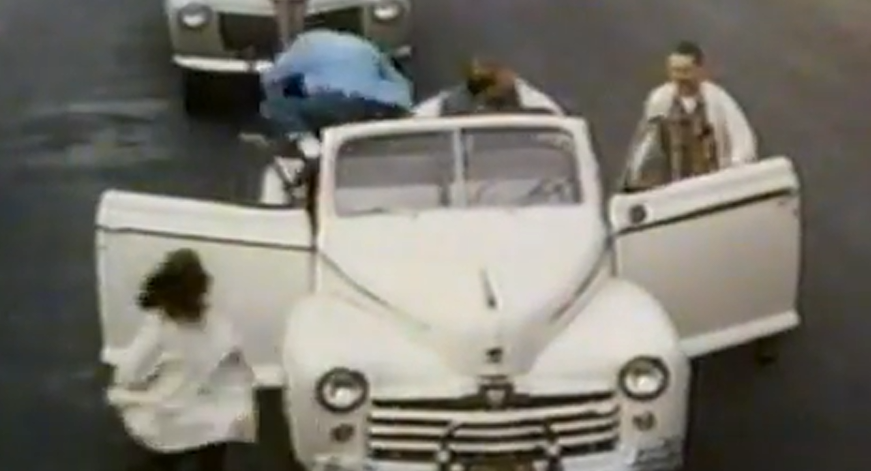
Image Source: www.asamnews.com
Deciphering the Offensiveness of “Chinese Fire Drill”
The term “Chinese fire drill” is widely recognized as offensive and problematic. Its usage is rooted in a history of prejudice and has no connection to actual Chinese culture or practices related to fire drills. Instead, it’s a misnomer that perpetuates harmful stereotypes about Chinese people. This blog post will delve into the origins, meaning, and reasons behind the offensiveness of this phrase, exploring its connection to broader issues of cultural appropriation and racial connotations, and offering more appropriate alternatives.
The Meaning of “Chinese Fire Drill”
At its core, the phrase “Chinese fire drill” describes a chaotic, disorganized, and nonsensical situation where people are rushing around aimlessly without any clear purpose or leadership. It evokes an image of panicked, uncoordinated activity. The intended meaning is to convey utter confusion and a lack of effective action. For example, if a company is experiencing a complete breakdown in communication and projects are stalled due to conflicting instructions and a lack of direction, someone might describe the situation as a “Chinese fire drill.” This idiom is used to highlight a state of extreme disarray and inefficiency.
The Origin of the Term “Chinese Fire Drill”
Tracing the origin of the phrase “Chinese fire drill” reveals its deeply problematic nature. While the exact point of coinage is difficult to pinpoint, the term emerged during a period of significant anti-Chinese sentiment in the United States and other Western countries. This era, particularly the late 19th and early 20th centuries, was marked by widespread prejudice, discriminatory laws like the Chinese Exclusion Act, and the proliferation of racist caricatures and stereotypes in popular culture.
It is widely believed that the phrase originated as a derogatory term used by Westerners to mock and demean Chinese people. The association with fire drills, a practice signifying order and coordinated response to emergencies, was likely used ironically to portray Chinese people as inherently chaotic, irrational, and incapable of proper organization. This narrative served to reinforce the xenophobic belief that Chinese immigrants were alien and uncivilized, thus justifying their marginalization and mistreatment. The term likely arose from a place of ignorance and malicious intent, aiming to paint an entire ethnic group with a brush of incompetence and disorder. The misuse of “Chinese fire drill” as a descriptor of chaos, rather than any genuine connection to Chinese practices, underscores its discriminatory intent.
Why the Phrase “Chinese Fire Drill” is Problematic
The phrase “Chinese fire drill” is problematic for several key reasons:
- Racial Connotations: The most significant issue is its inherent racial slur. By attaching “Chinese” to a description of chaos, the phrase implicitly links this negative attribute to an entire racial group. This perpetuates stereotypes that have historically been used to marginalize and discriminate against people of Chinese descent.
- Historical Context of Prejudice: The term emerged during a time when anti-Asian sentiment was rampant. Its usage is inextricably linked to a history of discrimination, exclusion, and violence against Chinese immigrants. Using the phrase, even without conscious intent to offend, revives and normalizes this hurtful history.
- Cultural Appropriation and Misappropriation: While not a direct example of cultural appropriation in the sense of taking a specific cultural element, it’s a clear instance of cultural misappropriation. It takes an ethnic identifier and applies it in a derogatory and nonsensical way, divorcing it from any authentic cultural context and instead using it to denigrate.
- Reinforcing Stereotypes: The phrase reinforces negative stereotypes about Chinese people being inherently disorganized or chaotic. This is not only inaccurate but also deeply unfair and damaging to a diverse population. These stereotypes can contribute to prejudice in various aspects of life, from social interactions to professional settings.
- Lack of Connection to Reality: There is no historical or cultural basis for associating Chinese people with chaotic fire drills. The term is a fabricated slur designed to dehumanize and Other. This makes its continued use even more baffling and offensive, as it persists without any grounding in reality.
The Ethnic Slur in “Chinese Fire Drill”
The “ethnic slur” aspect of “Chinese fire drill” is critical to grasping why it’s offensive. The word “Chinese” is not just an adjective; it is a direct identifier of ethnicity. When paired with a descriptor of extreme disarray and incompetence, it implies that these qualities are inherent to Chinese people. This is the essence of an ethnic slur: using a group’s identity to insult or demean them.
The history of offensive phrases is replete with examples where ethnic and racial identifiers have been weaponized. Terms like “Jap,” “Chink,” or “Gook” are blatant examples. While “Chinese fire drill” might seem more subtle to some, its mechanism of offense is the same: leveraging an ethnic identity to convey a negative meaning. The specific nature of the chaos described—a mad, disorganized rush—was likely chosen to play into existing racist tropes that portrayed Asian cultures as exotic, strange, and inherently less civilized than Western societies.
Racial Connotations of “Chinese Fire Drill”
The “racial connotations” of “Chinese fire drill” are undeniable and directly contribute to its offensiveness. The term taps into a history of xenophobia and racism directed at Chinese immigrants. During the waves of Chinese immigration to the West, particularly in the 19th century, they were often depicted in caricatures as being alien, inscrutable, and uncivilized. This was often accompanied by the idea that they were inherently different and inferior to Western populations.
The phrase “Chinese fire drill” likely played into these negative racial connotations by portraying Chinese people as incapable of performing even a basic, orderly emergency procedure. This was a way to dismiss and devalue them, reinforcing the idea that they were not fit to be part of society. The chaos implied in the term suggests a lack of control, a departure from order, and perhaps even a hint of the “otherness” that was so feared and misunderstood by the dominant culture at the time. The very act of using “Chinese” in this context imbues the phrase with a racist undertone, regardless of the speaker’s intent.
Cultural Appropriation of “Chinese Fire Drill”
While not a direct example of taking specific cultural artifacts or practices, the “cultural appropriation” discussion around “Chinese fire drill” centers on the misuse and distortion of an ethnic identifier for negative purposes. The term essentially hijacks the identity of Chinese people and attaches it to a concept of chaos. This is a form of cultural misappropriation because it takes something that identifies a people and twists it into a derogatory idiom.
- Distortion of Identity: The phrase distorts the identity of Chinese people by associating them with a negative, nonsensical behavior.
- Lack of Permission or Understanding: The term was created and propagated without any input from or understanding of the Chinese community. It was imposed upon them.
- Perpetuation of Harm: The continued use of the term, even if unintentional, perpetuates the harm caused by its original racist intent. It keeps the stereotype alive.
It’s important to distinguish between appreciating a culture and misappropriating it. “Chinese fire drill” falls squarely into the latter category, as it exploits and demeans.
Alternatives to “Chinese Fire Drill”
Fortunately, there are many clear and descriptive alternatives to “Chinese fire drill” that do not carry offensive baggage. Using these alternatives ensures effective communication without causing harm or perpetuating stereotypes.
Here are some suitable replacements:
- Chaos: A simple and direct term.
- Disarray: Implies a state of disorder.
- Confusion: Highlights a lack of clarity or understanding.
- Anarchy: Suggests a complete lack of order or control.
- Disorganization: Focuses on the lack of structure.
- A mess: A colloquial and understandable term for a bad situation.
- A free-for-all: Implies a situation where rules are disregarded.
- Madness: Conveys extreme irrationality and lack of purpose.
- Utter pandemonium: A strong term for complete disorder.
- A shambles: Describes something in a state of utter confusion or disorder.
- A disorganized effort: A neutral and descriptive phrase.
- A chaotic situation: Clearly states the nature of the problem.
- A lack of direction: Focuses on the absence of leadership or purpose.
Table: Comparing “Chinese Fire Drill” to Alternatives
| Original Term | Meaning Conveyed | Appropriateness | Alternatives |
|---|---|---|---|
| “Chinese Fire Drill” | Chaotic, disorganized, nonsensical activity | Offensive and inappropriate | Chaos, Disarray, Confusion, Anarchy, Disorganization, A mess, A free-for-all, Madness, Utter pandemonium, A shambles |
| Chaos | A state of complete disorder and confusion. | Appropriate | |
| Disarray | A state of disorder. | Appropriate | |
| Confusion | Lack of understanding or clarity. | Appropriate | |
| A free-for-all | A situation where rules are ignored. | Appropriate | |
| A shambles | A state of utter confusion or disorder. | Appropriate |
History of Offensive Phrases
The history of offensive phrases is a long and often painful one, intertwined with societal prejudice and discrimination. Throughout history, dominant groups have often created and perpetuated derogatory terms to demean and marginalize minority groups. These phrases serve as linguistic markers of prejudice, reinforcing negative stereotypes and contributing to the dehumanization of targeted populations.
- Slavery and Colonialism: Many offensive phrases originated during periods of slavery and colonialism, where enslaved or colonized peoples were systematically stripped of their dignity and humanity. Terms used to describe them often played on perceived “inferiority” and “savagery.”
- Waves of Immigration: Periods of significant immigration have often seen the emergence of new slurs aimed at the newly arrived groups. These terms reflect the anxieties, fears, and prejudices of the host society. The “Chinese fire drill” fits into this pattern, emerging during a time of heightened anti-Chinese sentiment.
- War and Conflict: During times of war or conflict, epithets are frequently used to dehumanize the enemy, making it easier to justify violence and aggression.
- Reinforcement of Power Structures: Offensive phrases are not just insults; they are tools that help maintain existing power structures. By labeling certain groups as inferior or undesirable, they legitimize discrimination and exclusion.
The ongoing effort to identify and eliminate offensive language is crucial. It acknowledges the harm caused by these terms and aims to create a more inclusive and respectful society. Recognizing that language has power and that words can inflict real pain is the first step towards fostering a more equitable environment. The “misuse” of terms like “Chinese fire drill” highlights how even seemingly innocuous phrases can carry deep historical weight.
Conclusion
The phrase “Chinese fire drill” is offensive due to its racist origins and the negative stereotypes it perpetuates about Chinese people. It is a term rooted in xenophobia and has no connection to any actual Chinese practice. Its racial connotations and the history of ethnic slurs make it unacceptable in modern discourse. By understanding the problematic nature of this phrase and embracing clear, respectful alternatives, we can contribute to a more inclusive and equitable communication environment. Choosing our words carefully reflects our commitment to recognizing and respecting the dignity of all individuals and communities.
Frequently Asked Questions (FAQ)
Q1: Is the term “Chinese fire drill” always offensive?
A1: Yes, the term is widely considered offensive due to its historical origins and the racist stereotypes it perpetuates. Even if the speaker doesn’t intend to offend, the phrase carries significant negative connotations.
Q2: Where did the term “Chinese fire drill” actually come from?
A2: The exact origin is unclear, but it is believed to have emerged from anti-Chinese sentiment in the 19th and early 20th centuries, used to mock Chinese people as chaotic and disorganized.
Q3: What does “Chinese fire drill” mean?
A3: It describes a situation that is chaotic, disorganized, and nonsensical, with people rushing around aimlessly.
Q4: Why is using “Chinese” in the phrase offensive?
A4: Attaching “Chinese” to a description of chaos implies that this chaos is inherent to Chinese people, thus reinforcing harmful racial stereotypes. It’s a form of ethnic slur.
Q5: What are some better alternatives to “Chinese fire drill”?
A5: Excellent alternatives include “chaos,” “disarray,” “confusion,” “anarchy,” “disorganization,” “a mess,” “a free-for-all,” “madness,” “utter pandemonium,” “a shambles,” “a disorganized effort,” or “a chaotic situation.”