
Does your circular saw suddenly stop working mid-cut? This is a common and frustrating problem. Your circular saw might be stopping due to several reasons, including the blade binding in the wood, the motor overheating, a lack of sufficient power, the motor being overloaded, a dull blade, a problem with the power cord, excessive dust buildup, a safety mechanism tripping, bearing failure, or an issue with an extension cord.
Let’s dive into the details of each of these potential culprits and how you can fix them to get your circular saw back in action.
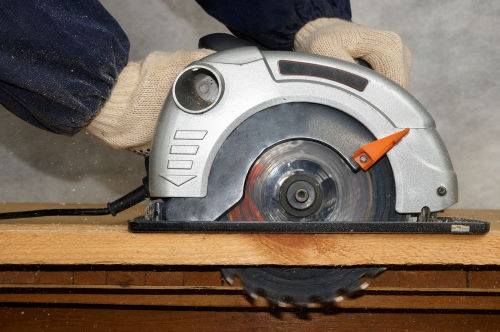
Image Source: www.tooltally.com
Grasping the Common Causes of Circular Saw Stoppages
Circular saws are powerful tools designed for cutting through various materials. When they stop unexpectedly, it can derail your project and even pose a safety hazard. Pinpointing the exact reason is the first step toward a solution.
Blade Binding: The Grip of the Wood
What is blade binding? Blade binding happens when the saw blade gets stuck or squeezed in the material being cut. This can occur for several reasons:
- Twisting the workpiece: If the wood you are cutting shifts or twists while you are sawing, the kerf (the slot the blade makes) can close up, pinching the blade.
- Uneven cuts: Not holding the saw straight can cause the blade to enter the wood at an angle, leading to it getting stuck.
- Cutting wet or warped wood: These materials are more prone to movement during cutting, increasing the risk of binding.
- Not supporting the workpiece properly: If the piece you’re cutting is not adequately supported, the offcut can sag, closing the kerf around the blade.
How to fix blade binding:
- Immediately release the trigger: If you feel the saw slowing down or stopping, don’t force it. Let go of the power switch.
- Gently back the blade out: Try to carefully pull the saw backward, away from the cut.
- Adjust workpiece support: Ensure the wood is stable and supported. If the offcut is sagging, you might need to add temporary support.
- Use proper cutting technique: Keep the saw level and maintain a consistent feed rate.
- Consider a kerf spreader: For some cuts, a kerf spreader or splitter can help keep the cut open.
Overheating: The Saw’s Internal Struggle
Circular saws, like any motor-driven tool, can overheat if pushed too hard or for too long without breaks.
Signs of overheating:
- A burning smell.
- Reduced power before stopping.
- The motor housing feeling excessively hot.
Why saws overheat:
- Extended use: Running the saw for very long periods without rest.
- Cutting dense materials: Trying to cut very hard or thick materials that require more effort from the motor.
- Blocked vents: Dust and debris can clog the saw’s ventilation ports, preventing proper cooling.
How to prevent and address overheating:
- Take breaks: Allow the saw to cool down periodically, especially during long cutting sessions.
- Clear ventilation ports: Regularly clean the air vents on your saw with compressed air or a brush.
- Use the right blade: Ensure your blade is appropriate for the material you’re cutting.
- Don’t force the cut: Let the blade do the work. Pushing too hard can strain the motor.
Low Power: Not Enough Juice
Sometimes, the issue isn’t with the saw itself but with the power supply.
Causes of low power:
- Using an undersized extension cord: A thin or long extension cord can create resistance, reducing the voltage reaching the saw.
- Faulty power outlet: The outlet you’re using might not be delivering full power.
- Issues with the building’s electrical system: In some cases, the circuit breaker might be overloaded or faulty.
Troubleshooting low power:
- Check the extension cord: Ensure it’s a heavy-duty cord (12-gauge or thicker for longer runs) and that it’s in good condition.
- Plug directly into an outlet: Try plugging the saw directly into a wall outlet without any extension cord to see if the problem persists.
- Test another outlet: Use a different power source to rule out an outlet issue.
- Inspect the power cord: Look for any damage, fraying, or kinks in the saw’s own power cord.
Motor Overload: Pushing the Limits
Motor overload is similar to overheating but specifically refers to the motor drawing more current than it’s designed to handle. This can happen if you try to cut too quickly or through material that’s too thick or hard for the saw’s capacity.
How to avoid motor overload:
- Proper feed rate: Let the saw advance at a steady, controlled pace. Don’t jam it into the material.
- Appropriate blade selection: A blade with too many teeth or teeth too fine for the material can cause the motor to work harder.
- Cut within the saw’s capabilities: Understand the maximum cutting depth and material types your saw is designed for.
Dull Blade: The Unseen Struggle
A dull blade is one of the most frequent, yet often overlooked, reasons for a circular saw stopping. A dull blade requires more force to cut, leading to increased strain on the motor, binding, and slower cutting.
Signs of a dull blade:
- The saw struggles to start cuts.
- The cut requires excessive force.
- The cut surface is rough or burned.
- The saw heats up quickly.
What to do about a dull blade:
- Sharpen or replace: If your blade is dull, the best course of action is to sharpen it or replace it with a new, sharp one.
- Blade choice matters: Use blades designed for the specific material you are cutting (wood, metal, laminate, etc.).
Power Cord Issue: The Connection Break
A damaged or faulty power cord can interrupt the flow of electricity to the saw.
What to look for:
- Visible damage: Check for cuts, nicks, abrasions, or exposed wires.
- Kinks or bends: Severe kinks can damage the internal wires.
- Loose connections: Ensure the plug is firmly seated in the outlet.
Action to take:
- Replace if damaged: If you find any damage to the power cord, do not use the saw. Replace the cord or the entire saw if it’s not easily replaceable.
- Ensure secure connection: Make sure the plug is fully inserted into the power source.
Dust Buildup: The Clogging Factor
Accumulated dust and debris can significantly impact a circular saw’s performance and longevity.
Where dust causes problems:
- Motor vents: As mentioned earlier, blocked vents lead to overheating.
- Gear housing: Dust can get into the gearbox, increasing friction and wear.
- Switch mechanisms: Dust can interfere with the proper function of the on/off switch.
How to manage dust:
- Regular cleaning: After each use, clean your saw thoroughly.
- Compressed air: Use compressed air to blow dust out of vents and crevices.
- Brush cleaning: A stiff brush can help dislodge stubborn dust.
- Vacuum: A shop vacuum can be useful for cleaning out larger accumulations.
Safety Mechanism: The Built-in Protector
Circular saws are equipped with safety features designed to protect the user and the tool. Sometimes, these mechanisms can be the reason the saw stops.
Common safety features that can trip:
- Overload protection: Many modern saws have an electronic or thermal overload protector that shuts down the motor when it detects excessive strain. This is a safeguard against damage.
- Blade brake: Some saws have an electric brake that stops the blade very quickly after the trigger is released. While not typically a cause for the saw stopping mid-cut, a malfunctioning brake could potentially interfere.
What to do if a safety mechanism trips:
- Allow the saw to cool: If you suspect an overload protector has tripped due to overheating, let the saw cool down for several minutes before trying to restart it.
- Reduce the strain: When restarting, ensure you are not overloading the saw (check blade, feed rate, material).
- Consult the manual: If the problem persists, refer to your saw’s user manual for specific troubleshooting steps related to its safety features.
Bearing Failure: The Internal Friction
The bearings inside a circular saw allow the motor shaft and blade arbor to spin smoothly. When these bearings fail, they can cause resistance, noise, and eventually seize up the motor.
Signs of bearing failure:
- Grinding or squealing noises: These sounds often indicate worn-out bearings.
- Increased vibration: As bearings degrade, the saw will vibrate more than usual.
- Blade wobble: The blade may not spin true.
- Motor seizure: In severe cases, the motor can stop completely.
Addressing bearing failure:
- Professional repair or replacement: Bearing replacement is a technical job that often requires specialized tools. It’s usually best to take the saw to a qualified repair shop.
- Consider replacement: If the saw is older or the cost of repair is high, it might be more economical to replace the entire unit.
Extension Cord Problem: The Weak Link
Using an extension cord that is too long or too thin (low gauge number) can cause a significant voltage drop. This effectively starves your saw of the power it needs to run at full capacity, leading to the motor bogging down and stopping.
Table: Recommended Extension Cord Gauges for Circular Saws
| Distance | 14 Gauge | 12 Gauge | 10 Gauge |
|---|---|---|---|
| 0-50 feet | Good | Better | Best |
| 50-100 feet | Fair | Good | Better |
| 100-150 feet | Not Recommended | Fair | Good |
| 150+ feet | Not Recommended | Not Recommended | Fair |
Note: Lower gauge numbers indicate thicker wires, which offer less resistance.
Key considerations for extension cords:
- Gauge: Always use the thickest gauge (lowest number) cord appropriate for the distance.
- Condition: Ensure the cord is in good repair, with no cuts or damage.
- Length: Use the shortest extension cord that is practical for your needs.
- Dedicated circuit: If possible, use a dedicated circuit for your power tools to avoid overloading existing circuits.
Troubleshooting Your Circular Saw: A Step-by-Step Approach
When your circular saw stops, don’t panic. Follow these logical steps to identify and resolve the issue:
-
Safety First: Always unplug the saw before inspecting or cleaning it. Ensure the blade is completely stopped.
-
Initial Inspection:
- Power Source: Is the saw plugged in? Is the outlet working (test with another device)?
- Power Cord: Check the saw’s power cord for any visible damage.
- Extension Cord (if used): Is it properly connected at both ends? Is it the correct gauge for the distance? Try unplugging it and plugging the saw directly into an outlet.
-
Blade and Cutting Environment:
- Blade Condition: Is the blade sharp? Does it look clean or is it clogged with residue?
- Blade Binding: Is the blade stuck in the wood? Was the workpiece supported properly?
- Material: Are you cutting material that is too hard or too thick for the saw? Is the wood wet or warped?
-
Saw Itself:
- Dust Buildup: Are the ventilation ports clear? Can you see excessive dust around the motor or gears?
- Listen for Unusual Noises: Does it sound like grinding or squealing? This could indicate bearing issues.
- Feel for Excessive Heat: Is the motor housing unusually hot?
-
Testing and Diagnosis:
- Attempt Restart: With the saw unplugged, clear any obstructions. Plug it directly into a known-good outlet and try running it without cutting.
- Light Load Test: If it runs fine without load, try a light cut on scrap material. Does it stop again?
Frequently Asked Questions About Circular Saw Stoppages
Q1: My circular saw stopped suddenly, and now it won’t turn on. What’s the first thing I should check?
A1: First, ensure the saw is plugged in securely and the outlet is receiving power by testing it with another appliance. Then, inspect the saw’s power cord for any damage. If you’re using an extension cord, check its condition and try plugging the saw directly into the wall.
Q2: Can a dull blade really cause a circular saw to stop?
A2: Yes, absolutely. A dull blade requires more force from the motor to cut, which can lead to motor overload, overheating, and eventually the saw stopping to protect itself. It also increases the risk of blade binding.
Q3: My saw keeps stopping when I cut thicker wood. What am I doing wrong?
A3: This is likely due to motor overload or the saw struggling with the material. Ensure you’re using a blade appropriate for the thickness and type of wood. Let the saw feed at a steady pace rather than forcing it. If the problem persists, your saw might not be powerful enough for that particular task.
Q4: I smell a burning odor from my circular saw. What does that mean?
A4: A burning smell usually indicates that the motor is overheating. This can be caused by extended use, blocked ventilation ports, or a dull blade putting excessive strain on the motor. Turn off and unplug the saw immediately, let it cool, and clean out any dust buildup from the vents.
Q5: Is it safe to continue using my circular saw if it stops occasionally?
A5: It’s best not to. Occasional stoppages are a warning sign that something is not right. Continuing to use the saw could lead to more serious damage to the motor or other components, and it can also be a safety risk. It’s important to diagnose and fix the problem before using it again.
By systematically working through these troubleshooting steps, you can effectively identify why your circular saw is stopping and get back to completing your projects efficiently and safely.