
Many people wonder why Elizabeth McCord, a strong and capable leader, never became Vice President. The real reason often lies in a complex interplay of political strategy, timing, and personal choices, rather than a lack of qualification. While many fans of the show Madam Secretary envisioned Elizabeth McCord VP, her political journey ultimately took a different, albeit equally impactful, path. This article delves into the nuances of her career and explores the specific circumstances that steered her away from a vice presidential bid.
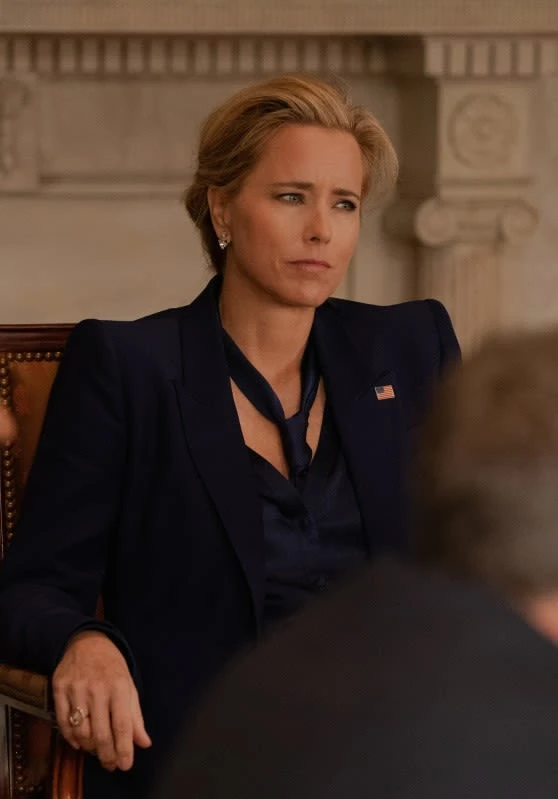
Image Source: static.wikia.nocookie.net
Elizabeth McCord’s Illustrious Political Career
Elizabeth McCord’s trajectory in politics was nothing short of remarkable. She began her career as a brilliant political analyst, privy to the inner workings of international diplomacy and national security. Her transition from academia to public service was driven by a deep-seated desire to make a tangible difference. Early on, her sharp intellect and unwavering integrity marked her for leadership.
From Analyst to Secretary of State
Her appointment as Secretary of State was a pivotal moment, showcasing her ability to navigate treacherous global waters with grace and intelligence. In this role, she faced down dictators, brokered peace treaties, and championed human rights, often against formidable opposition. Her successes were not just diplomatic victories; they were testaments to her character and her commitment to a better world. The show consistently highlighted her ability to bridge divides and find common ground, qualities highly sought after in any high-level political office.
The Shadow of the Presidency
Throughout her tenure as Secretary of State, the possibility of a higher office, including the presidency and the vice presidency, loomed. Supporters and pundits alike frequently speculated about her potential as a presidential candidate or a running mate. Her public profile grew, and her policy positions resonated with a significant portion of the electorate. Yet, the path to the Vice Presidency, and indeed the Presidency, is rarely straightforward.
Exploring the Possibilities: Elizabeth McCord VP
The idea of Elizabeth McCord VP was a popular one among viewers and within the fictional political landscape of Madam Secretary. She possessed many of the qualities that make for an effective second-in-command: vast foreign policy experience, a steady hand under pressure, and a reputation for moral clarity.
Strategic Considerations for a Running Mate
When considering a vice presidential bid, the primary focus is often on how the candidate can help the presidential nominee win. This involves balancing the ticket, appealing to key demographics, and offering a complementary skill set. Elizabeth McCord, with her extensive experience in international affairs, would have been a strong choice to bolster a presidential candidate’s foreign policy credentials.
The Vice Presidential Equation
Several factors would have played into the decision-making process for any presidential nominee considering Elizabeth McCord as their running mate. These include:
- Party Unity: Could her nomination help unite different factions within the party?
- Electability: Did her public image and policy stances appeal to a broad base of voters?
- Complementary Strengths: Did her expertise fill a gap in the presidential nominee’s experience?
- Potential for Future Leadership: Was she seen as someone who could step into the presidency if needed?
While Elizabeth McCord likely checked many of these boxes, other strategic considerations could have come into play, leading to different choices.
Why Elizabeth McCord Not VP: Deeper Political Dynamics
The question of “Why Elizabeth McCord not VP?” is complex. It’s not simply about her capabilities, but about the intricate dance of politics. Several factors, both within the narrative of Madam Secretary and in real-world political scenarios, could explain why a vice presidential bid didn’t materialize or wasn’t the optimal choice at certain junctures.
The Unforeseen Political Landscape
Political landscapes are constantly shifting. A presidential nominee’s decision on a running mate is highly dependent on the specific election cycle, the opposing candidates, and the prevailing national mood. Even a highly qualified individual like Elizabeth McCord might not be the perfect fit for every ticket.
Personal Ambitions and Strategic Pivots
Elizabeth McCord also had her own political aspirations. While the vice presidency is a significant step, it can also be a limiting role for someone with presidential ambitions. Sometimes, a candidate might choose to wait for a more opportune moment or pursue a different path that aligns better with their long-term goals.
Elizabeth McCord’s Presidential Aspirations
It was clear throughout Madam Secretary that Elizabeth McCord possessed presidential ambitions. Her intelligence, her drive, and her vision for the country suggested a desire to lead at the highest level. The vice presidency, while powerful, can also serve as a stepping stone, but it can also be a political cul-de-sac if the top of the ticket is unsuccessful or if the vice president becomes associated with unpopular policies.
The “Madam Secretary VP” Dream: A Fan Favorite
For many viewers, the dream of seeing Elizabeth McCord VP was strong. Her character embodied competence, compassion, and strength, qualities they wanted to see in national leadership. Her consistent performance as Secretary of State only amplified this desire. However, narrative choices in television shows are often driven by dramatic tension and the evolution of characters, and sometimes the most compelling story doesn’t involve the most obvious promotion.
Elizabeth McCord’s Running Mate: A Hypothetical Scenario
If Elizabeth McCord had been chosen as a running mate, who might she have partnered with? This hypothetical scenario offers insight into the political considerations. She would likely have been paired with a presidential candidate who could benefit from her international expertise and steady temperament. Perhaps a candidate with less foreign policy experience or one who needed to appeal to voters who valued diplomacy and experience over other traits.
The Cabinet Position Advantage
While the vice presidency is a prominent role, Elizabeth McCord did hold a crucial cabinet position as Secretary of State. This role allowed her significant influence and direct impact on global affairs, often on a scale that rivaled or even surpassed that of the Vice President.
The Power of the State Department
As Secretary of State, Elizabeth McCord was the nation’s chief diplomat. She was instrumental in shaping foreign policy, negotiating with world leaders, and representing the United States on the international stage. This position granted her a platform to enact her vision and make critical decisions that affected millions.
Elizabeth McCord’s Political Future Beyond the Vice Presidency
Elizabeth McCord’s political future was not solely defined by the prospect of becoming Vice President. Her career demonstrated a capacity for leadership that extended beyond traditional political roles. Her ability to adapt, to learn, and to lead in challenging circumstances suggested a long and influential career in public service, regardless of whether she held the second-highest office.
Elizabeth McCord Election: A Different Path
The narrative of Madam Secretary presented opportunities for Elizabeth McCord to engage in electoral politics more directly. However, the show often focused on her diplomatic achievements, suggesting that her strengths and interests were most aligned with that sphere of influence. A presidential election, while a possibility, would have presented a different set of challenges and strategic decisions compared to her role as Secretary of State.
Analyzing the Factors: Why a Vice Presidential Bid Wasn’t Central
When examining “Why Elizabeth McCord not VP?”, it’s important to consider the specific narrative choices made by the show’s creators and the inherent complexities of American politics.
The Narrative Arc of Madam Secretary
Madam Secretary focused on Elizabeth McCord’s journey as a principled public servant. While political ambition was present, the show often prioritized her dedication to solving complex global issues. The pressures of a presidential campaign and the compromises often required for vice-presidential nominations might have been seen as potentially undermining the core of her character or the show’s thematic focus.
The Demands of the Vice Presidency
The role of Vice President is often one of support and execution, working closely with the President. While this can be a powerful position, it also requires a certain willingness to subsume one’s own agenda to that of the President. Elizabeth McCord, known for her independent thinking and strong convictions, might have found this dynamic challenging or less fulfilling than her direct role as Secretary of State.
The “What Ifs” of Political Careers
It’s impossible to definitively state why Elizabeth McCord didn’t become Vice President without explicit narrative statements from the show’s creators that cover every conceivable scenario. However, by examining her character, her strengths, and the general dynamics of political careers, we can surmise the most likely reasons.
Here’s a breakdown of potential contributing factors:
| Factor | Explanation |
|---|---|
| Focus on Foreign Policy | Elizabeth McCord’s primary expertise and passion lay in international relations and diplomacy. The show consistently highlighted her successes in this area, suggesting that her most impactful contributions were made through the State Department. |
| Presidential Ambitions | While the Vice Presidency is a significant office, it can also tie a politician’s fate to the popularity of the President. McCord’s evident presidential aspirations might have led her to believe that a direct presidential run, or a different strategic move, would be more beneficial for her long-term political future. |
| Timing and Opportunity | Political careers are heavily influenced by timing. The specific election cycles and the presidential candidates seeking running mates at those times might not have presented the ideal or most opportune moment for McCord to enter the vice presidential race. |
| Narrative Choice | From a storytelling perspective, keeping Elizabeth McCord as Secretary of State allowed the show to explore the intricacies of foreign policy and her direct impact on global events. A vice presidential bid would have shifted the focus to domestic politics and campaign dynamics, which may not have been the desired emphasis. |
| Personal Fit | The vice presidency requires a specific temperament and a willingness to play a supporting role. McCord’s independent spirit and leadership style might have been better suited to a role where she had more direct control and agency, such as Secretary of State. |
| Risk Aversion | While a successful VP can boost a presidential candidate, a failed ticket can also damage the VP’s future prospects. McCord might have assessed the political climate and decided that a different path carried less risk for her political future. |
The Enduring Legacy of Elizabeth McCord
Regardless of whether Elizabeth McCord ever held the title of Vice President, her impact on the fictional world of Madam Secretary was undeniable. She served with distinction, integrity, and intelligence, leaving an indelible mark on both domestic and international affairs.
A Model of Principled Leadership
Elizabeth McCord’s career serves as a powerful example of principled leadership. She demonstrated that it is possible to navigate the often-murky waters of politics while staying true to one’s values. Her dedication to service and her unwavering commitment to diplomacy set a high bar for public servants.
Elizabeth McCord’s Cabinet Position: A Foundation for Influence
Her role as Secretary of State provided her with a robust platform to exert influence and shape policy. This cabinet position allowed her to engage directly with complex global challenges and forge relationships with leaders worldwide. It was a testament to her ability to operate effectively at the highest levels of government.
The Unwritten Chapters of Elizabeth McCord’s Political Future
While the question of why Elizabeth McCord didn’t become Vice President remains a point of discussion, her overall political future was clearly one of continued influence and impact. Her journey, as depicted in Madam Secretary, emphasized the multifaceted nature of public service and the many avenues through which a dedicated individual can contribute to the betterment of society. Whether in a cabinet position or potentially higher office, her legacy is one of unwavering dedication and impactful leadership.
Frequently Asked Questions (FAQ)
Did Elizabeth McCord ever run for Vice President on the show?
No, Elizabeth McCord did not officially run for Vice President as a candidate on the show Madam Secretary. While the possibility was often discussed and her suitability for the role was evident, her political career took a different direction.
What was Elizabeth McCord’s highest political office?
Elizabeth McCord’s highest political office on the show was Secretary of State. This cabinet position placed her at the forefront of U.S. foreign policy.
Did Elizabeth McCord have presidential ambitions?
Yes, it was clear throughout the series that Elizabeth McCord harbored presidential aspirations. Her intelligence, drive, and vision suggested a desire to lead the nation at the highest level.
Why was Elizabeth McCord considered a strong candidate for Vice President?
Elizabeth McCord was considered a strong candidate for Vice President due to her extensive foreign policy experience, her proven track record of navigating complex international crises, her sharp intellect, and her reputation for integrity and moral leadership.
Did Elizabeth McCord’s husband, Henry McCord, influence her political career choices?
While Henry McCord was a constant source of support and advice, Elizabeth’s political career decisions were primarily driven by her own ambitions, convictions, and assessments of the political landscape.
What cabinet position did Elizabeth McCord hold before becoming Secretary of State?
Before becoming Secretary of State, Elizabeth McCord was a political analyst and professor. She transitioned directly into the role of Secretary of State from her civilian career.