
Can the President fire the Vice President? No, the President cannot fire the Vice President. The Vice President holds a unique constitutional position, separate from the President’s direct executive control. While the President directs the executive branch, the Vice President’s role is defined by the Constitution and their election alongside the President.
The United States Constitution establishes a unique partnership between the President and the Vice President. Unlike other members of the executive branch, such as cabinet secretaries or agency heads, the Vice President is not an employee who can be dismissed at the President’s will. This fundamental difference stems from the way the Vice President is elected and the specific provisions within the Constitution that govern their office. This article delves into the reasons behind this separation of power, exploring the constitutional framework, historical context, and the mechanisms for Vice President removal.
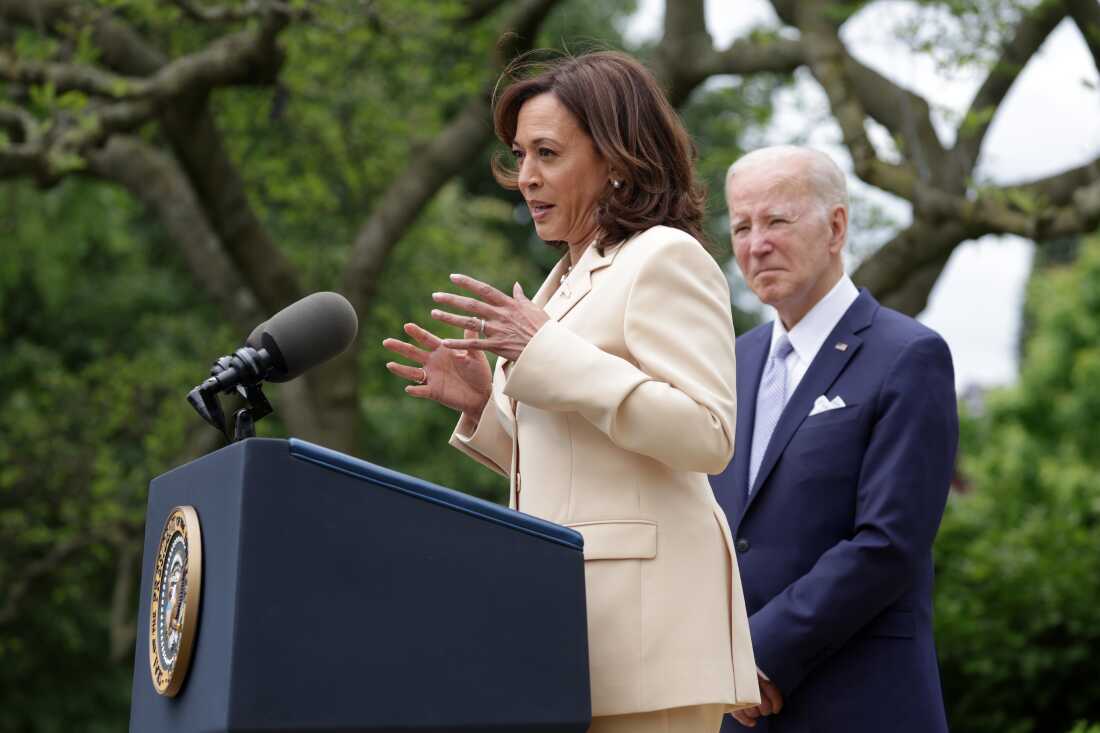
Image Source: npr.brightspotcdn.com
The Constitutional Framework: A Foundation of Independence
The U.S. Constitution, the supreme law of the land, meticulously outlines the powers and limitations of each branch of government. It doesn’t grant the President the authority to dismiss the Vice President. This absence of power is not an oversight but a deliberate design choice by the Founding Fathers.
Article II of the Constitution: Executive Power and its Limits
Article II of the Constitution vests executive power in the President. However, this power is not absolute. While the President appoints and can remove cabinet members and other executive officials, the Vice President’s office is established as a distinct entity. The Constitution specifies the qualifications for the Vice President and the process by which they can ascend to the presidency, as outlined in the Presidential succession clauses. These clauses demonstrate the Vice President’s independent standing in the line of succession, rather than as a subordinate to be managed.
The Vice President’s Dual Role: President of the Senate and Successor
The Vice President serves a dual function: presiding over the Senate and being first in line for presidential succession. As President of the Senate, the Vice President has a legislative role, even though it’s largely ceremonial. They can cast a tie-breaking vote in the Senate. This legislative connection further distinguishes the Vice President from a typical presidential appointee. Their election is tied to the presidential ticket, meaning they are elected by the people along with the President, not appointed by the President after taking office. This electoral mandate provides a layer of independence.
Historical Context: Lessons from the Founding Era
The Founding Fathers were wary of concentrating too much power in one individual. They designed a system of checks and balances to prevent tyranny. The inability of the President to fire the Vice President can be seen as a reflection of this philosophy.
Concerns about Factionalism and Patronage
During the Constitutional Convention, there were debates about how the Vice President would be selected and what their role would be. Some delegates feared that if the President could appoint or dismiss the Vice President, it could lead to patronage or the President choosing a loyal subordinate rather than an individual elected by the people. The initial method of electing the Vice President was different, but the principle of the Vice President having a mandate independent of the President’s direct control was a recurring theme.
The Evolution of the Vice Presidency
Over time, the role of the Vice President has evolved significantly. Initially seen as a somewhat insignificant office, the Vice Presidency has grown in importance, with modern Vice Presidents often playing a substantial role in the administration’s policy agenda. Despite this increased influence, the fundamental constitutional limitation on the President’s power to remove the Vice President has remained unchanged.
Mechanisms for Vice President Removal: The Impeachment Process
If a President cannot fire the Vice President, how can a Vice President be removed from office? The Constitution provides a specific and rigorous process for the removal of federal officials, including the Vice President: impeachment.
What is the Impeachment Process?
The impeachment process is a two-step procedure that involves both the House of Representatives and the Senate.
- Impeachment by the House: The House of Representatives has the sole power of impeachment. This means that if the House votes to impeach the Vice President for “Treason, Bribery, or other high Crimes and Misdemeanors,” they are formally accused of wrongdoing. This is similar to an indictment in a criminal trial.
- Trial by the Senate: Following impeachment by the House, the Senate conducts a trial. The Vice President can be removed from office if two-thirds of the Senators present vote to convict. The Chief Justice of the Supreme Court presides over the trial of a President, but in the case of the Vice President, the Chief Justice would likely preside if the Vice President were impeached and tried, as per their role as President of the Senate. However, there’s also the possibility of the President pro tempore of the Senate presiding. The precise procedural details in such an unprecedented scenario are subject to interpretation and Senate rules.
Grounds for Impeachment
The Constitution specifies “Treason, Bribery, or other high Crimes and Misdemeanors” as grounds for impeachment. These are broad categories, and their interpretation has evolved over time through historical precedent. Generally, it refers to serious abuses of power, violations of public trust, or offenses against the state.
The Rarity of Impeachment
The impeachment process is designed to be difficult and is rarely used. It requires substantial evidence of wrongdoing and significant political will. No Vice President has ever been impeached and removed from office.
Vice President Resignation: An Alternative Path
While impeachment is the formal constitutional mechanism for removal, a Vice President can also leave office voluntarily.
Can a Vice President Resign?
Yes, a Vice President can resign from office. If a Vice President chooses to resign, they would submit a written statement of resignation to the President and to the President pro tempore of the Senate.
Historical Precedent of Vice Presidential Resignation
While rare, there have been instances of Vice Presidents resigning. The most notable is Spiro Agnew, who resigned in 1973 due to a corruption scandal. His resignation preceded the formal impeachment process, offering an alternative to a potentially lengthy and politically damaging trial.
Consequences of Vice Presidential Vacancy
What happens if a Vice President leaves office, either through resignation or removal? The Constitution addresses this through Presidential succession.
The 25th Amendment and Succession
The 25th Amendment to the Constitution, ratified in 1967, clarified the procedures for presidential disability and vacancies in the office of Vice President.
- Vacancy: If the office of Vice President becomes vacant, the President nominates a Vice President, who must then be confirmed by a majority vote of both the House of Representatives and the Senate. This process ensures that the country always has a Vice President and that their selection is subject to congressional oversight.
- Presidential Disability: The 25th Amendment also outlines how to address situations where the President becomes disabled and unable to perform their duties. It allows the Vice President to temporarily assume presidential powers.
Comparing Vice Presidential Authority to Cabinet Removal
To further illustrate the unique position of the Vice President, it’s helpful to contrast their removal process with that of cabinet secretaries.
Cabinet Removal: Presidential Authority in Action
- Presidential Cabinet: The presidential cabinet consists of the heads of the executive departments, such as the Secretary of State, Secretary of the Treasury, and Secretary of Defense.
- Executive Appointments: These individuals are appointed by the President, with the advice and consent of the Senate. Crucially, they serve at the pleasure of the President.
- Cabinet Removal: The President can remove cabinet secretaries and other executive officials at any time, for any reason, or for no reason at all, without needing congressional approval. This cabinet removal is a direct exercise of presidential authority.
Here’s a table summarizing the key differences:
| Feature | Vice President | Cabinet Secretary |
|---|---|---|
| Selection | Elected on a ticket with the President | Appointed by President, confirmed by Senate |
| Removal Power | President cannot fire | President can fire at will |
| Formal Removal | Impeachment by the House, trial and conviction by the Senate | President’s discretion |
| Voluntary Departure | Resignation | Resignation |
| Constitutional Basis | Article II, Section 1; 12th Amendment; 25th Amendment | Article II, Section 2 |
| Role | President of the Senate, successor to the President | Head of an executive department, advisor to President |
Why This Constitutional Limit Matters
The inability of the President to fire the Vice President is a significant aspect of the American system of government. It reinforces the principle of separation of powers and prevents the President from consolidating unchecked authority.
Preventing Abuse of Power
If a President could easily fire a Vice President who disagreed with them or who represented a different political faction, it could lead to the President surrounding themselves only with loyalists, potentially stifling dissent and critical advice. The current system encourages a Vice President to maintain a degree of independence, allowing them to offer counsel without the immediate fear of reprisal.
Ensuring Continuity and Stability
The constitutional provisions for presidential succession and the process for filling a vacant Vice Presidency are designed to ensure continuity and stability in government. The Vice President’s distinct electoral mandate and the impeachment process underscore their role as a separate, constitutionally defined office, crucial for the functioning of the republic.
Presidential Powers and Limitations
This limitation on presidential powers is a clear example of how the Constitution places checks on executive authority. It highlights that while the President is the head of the executive branch, their power is not absolute, and certain high offices are insulated from direct presidential control.
Frequently Asked Questions (FAQ)
Q1: What are the grounds for impeaching a Vice President?
A1: The Constitution states that a Vice President can be impeached for “Treason, Bribery, or other high Crimes and Misdemeanors.”
Q2: Has a Vice President ever been impeached?
A2: No, no Vice President has ever been impeached and removed from office in U.S. history.
Q3: Can the President choose anyone they want as Vice President if the current one resigns?
A3: No, if the Vice President resigns, the President nominates a successor who must then be confirmed by a majority vote in both the House of Representatives and the Senate.
Q4: What happens if the President and Vice President disagree politically?
A4: While the President cannot fire the Vice President, significant political disagreements can lead to a strained working relationship. The Vice President’s role and influence within the administration can be affected by the President’s favor, even without the power of dismissal.
Q5: Does the Vice President have any independent authority?
A5: Yes, the Vice President presides over the Senate and can cast a tie-breaking vote. They also have a constitutionally defined role in the line of presidential succession, making them a separate constitutional officer.
Q6: Can the President remove members of the presidential cabinet?
A6: Yes, the President can remove cabinet secretaries and other executive officials at their discretion without needing Senate approval, a clear distinction from the Vice President’s office.
Q7: How does the Vice President’s position compare to that of a Supreme Court Justice?
A7: Similar to the Vice President, Supreme Court Justices hold their offices “during good Behaviour” and can only be removed through the impeachment process, highlighting a shared insulation from direct executive removal.
This exploration into why the President cannot fire the Vice President reveals a fundamental aspect of American governance: a carefully constructed system designed to prevent the concentration of power and ensure a stable, accountable government. The Vice President’s office, while closely linked to the President, is designed with a degree of constitutional independence that is both historically rooted and essential to the checks and balances of the U.S. system.