
What makes drill sergeants yell? Drill sergeants yell because their job is to break down recruits and rebuild them into disciplined soldiers. This process often involves intense pressure and a confrontational demeanor to instill discipline, build resilience, and ensure combat readiness.
The image of a drill sergeant is often one of constant, booming anger. We see them on screen and hear stories from those who have been through basic training: the piercing shouts, the relentless criticism, the seemingly endless demands. It’s easy to assume drill sergeants are simply angry people doing an angry job. But the reality is far more nuanced and purposeful. Their apparent anger is a carefully calibrated tool, a strategic approach designed to forge raw recruits into effective members of the military.
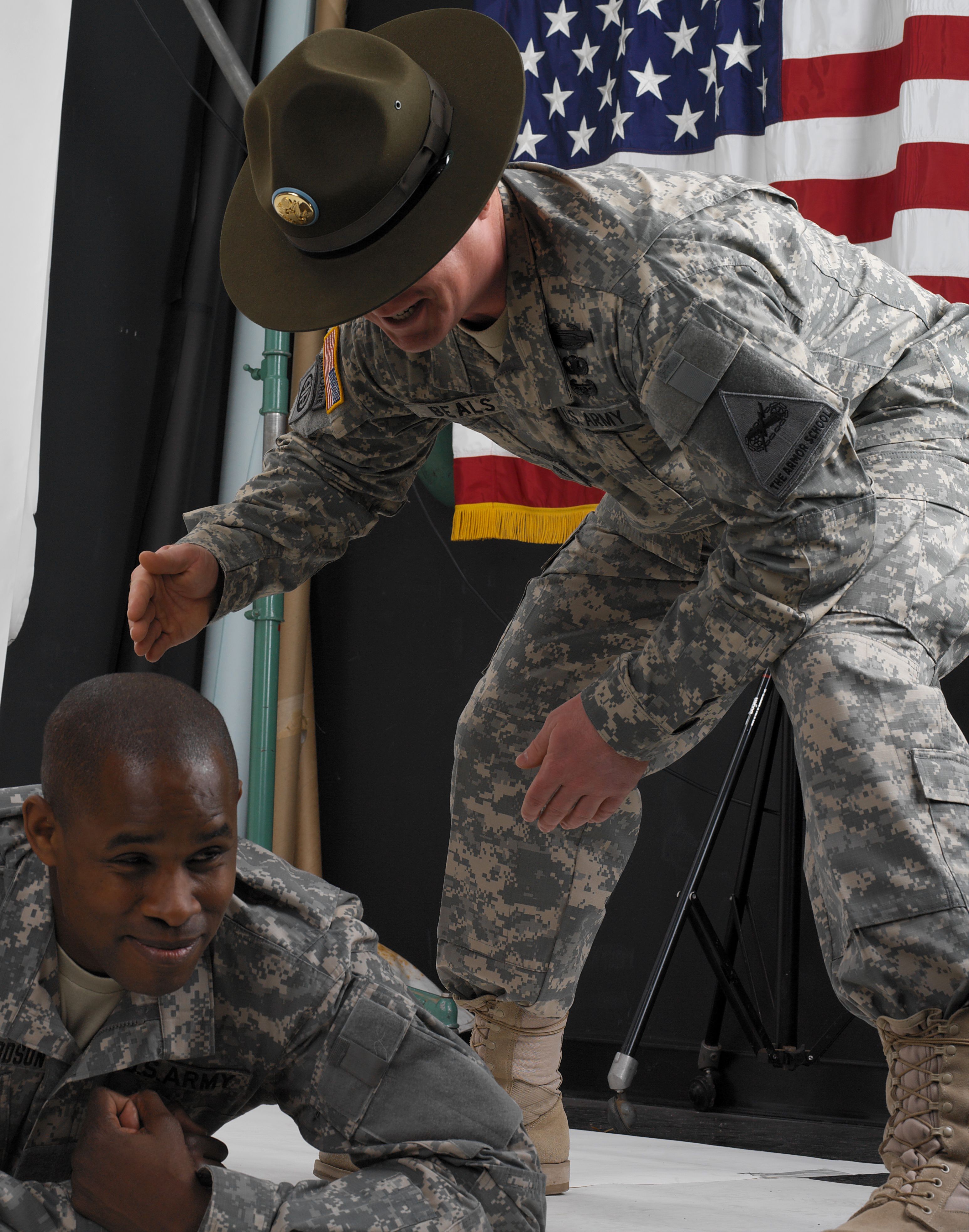
Image Source: api.army.mil
The Crucible of Transformation: More Than Just Shouting
Basic training, often referred to as the “crucible,” is where civilians are transformed into soldiers. This transformation isn’t just about learning to march or shoot; it’s about fundamentally altering a person’s mindset and capabilities. Drill sergeants are the architects of this change. They are tasked with taking individuals from diverse backgrounds, with varying levels of experience and maturity, and molding them into a cohesive unit capable of operating under extreme stress.
The Purpose Behind the Pressure
The intense, often aggressive, leadership style of drill sergeants isn’t about personal animosity. It’s a deliberate method to achieve several critical objectives:
- Instilling Discipline: The military operates on a foundation of strict discipline. Recruits must learn to follow orders instantly and without question, even when they don’t understand the reasoning. The drill sergeant’s loud commands and immediate correction of even minor infractions serve as constant reinforcement of this principle. This isn’t about arbitrary punishment; it’s about creating ingrained habits of obedience and precision.
- Building Resilience and Mental Toughness: The military environment is inherently demanding. Soldiers face physical exhaustion, sleep deprivation, and high-stakes situations. Drill sergeants push recruits to their limits to build their capacity to perform under pressure. The constant stress and challenges they present are designed to foster emotional control and the ability to persevere when things get tough. This is crucial for combat readiness.
- Creating Unit Cohesion: While it might seem counterintuitive, the shared experience of enduring a drill sergeant’s intensity can forge strong bonds among recruits. They rely on each other for support and motivation. The drill sergeant’s approach, while seemingly aimed at individuals, ultimately serves to unify the group.
- Eliminating Bad Habits and Introducing New Ones: Many recruits arrive with ingrained habits that are counterproductive in a military setting. Drill sergeants are adept at identifying and correcting these, replacing them with the disciplined behaviors necessary for success.
Psychological Warfare: A Tool for Adaptation
The confrontational approach of drill sergeants can be seen as a form of psychological warfare, but not in the adversarial sense one might initially assume. It’s a controlled psychological process designed to break down preconceived notions and build new mental frameworks.
- Deindividuation: The yelling and constant attention to uniformity can strip away individual identities to a degree. This is not about making recruits feel insignificant, but about fostering a sense of belonging to something larger than themselves – the unit, the army.
- Heightened Awareness: The constant barrage of commands and corrections keeps recruits in a state of hyper-awareness. They learn to pay attention to every detail, a critical skill in combat where small mistakes can have severe consequences.
- Stress Inoculation: By exposing recruits to controlled stress, drill sergeants “inoculate” them against the psychological impact of real-world combat stress. They learn to manage their fear and anxiety, maintaining focus and effectiveness even in chaotic environments.
The Role of Motivation and Tough Love
While the anger is evident, the underlying driver is often motivation. Drill sergeants are motivated to see their recruits succeed. Their harsh methods are a form of tough love. They know what it takes to survive and thrive in the military, and they are committed to preparing their trainees for that reality.
- Performance Enhancement: The constant push for improvement is a direct form of performance enhancement. Drill sergeants identify weaknesses and relentlessly work to turn them into strengths. They don’t just point out flaws; they demand correction and repetition until the desired standard is met.
- Character Building: Beyond military skills, basic training is a significant period of character building. Drill sergeants challenge recruits’ self-perceptions, pushing them to discover inner reserves of strength, perseverance, and responsibility they may not have known they possessed.
Stress Management: For Recruits and Drill Sergeants
The environment of basic training is incredibly high-stress for everyone involved. Drill sergeants are under immense pressure to produce successful graduates, and they must also manage their own stress management effectively.
- Maintaining Composure (to a degree): While they project anger, effective drill sergeants must maintain a level of control. Their anger is often a performance, a strategic role. They must be able to shift from aggressive instruction to providing necessary guidance.
- The Cycle of Stress: The intensity of the job is undeniable. Drill sergeants work long hours, are constantly on, and carry the heavy responsibility for the lives and development of hundreds of young adults. While their outward demeanor is aggressive, they often have internal mechanisms for coping with this sustained pressure.
The Science Behind the Shout
The loud, repetitive, and often aggressive communication style of drill sergeants is rooted in effective learning and psychological principles:
- Auditory Learning: In a noisy and chaotic environment, loud, clear vocalizations are essential for commands to be heard and understood.
- Repetition and Reinforcement: Constant repetition of commands, procedures, and correction reinforces learning and embeds new behaviors.
- Emotional Arousal: Moderate levels of emotional arousal can enhance attention and memory. The drill sergeant’s intensity can create this heightened state, making recruits more receptive to instruction.
- Fear as a Motivator: While not the sole motivator, a degree of fear of negative consequences (reprimand, extra duty) can drive recruits to perform. This is a carefully controlled aspect of the training.
What Do Drill Sergeants Actually Want?
Their ultimate goal is to create soldiers who are:
- Disciplined: Able to follow orders precisely and maintain standards.
- Resilient: Capable of withstanding physical and mental hardship.
- Competent: Proficient in their military skills and duties.
- Cohesive: Able to work effectively as part of a team.
- Loyal: Committed to their unit and the mission.
The Drill Sergeant’s Perspective
It’s important to recognize that drill sergeants are typically experienced soldiers who have been chosen for this demanding role. They understand the mission and the importance of their task.
- Dedication to the Profession: Most drill sergeants are deeply dedicated to their profession and take pride in shaping future soldiers.
- Personal Experience: They have themselves gone through rigorous basic training, so they know the experience from the recruit’s perspective.
- Accountability: They are accountable for the success of their trainees and for upholding the standards of the military.
Common Misconceptions Debunked
| Misconception | Reality |
|---|---|
| They hate recruits. | They are invested in recruits’ success and see them as future comrades. |
| It’s just about being mean. | It’s a structured, psychological process for development. |
| They have no self-control. | Their aggression is often a controlled display, a calculated leadership style. |
| They enjoy making people suffer. | Their satisfaction comes from seeing recruits transform and succeed. |
The Long-Term Impact
The skills and mental fortitude developed under the tutelage of drill sergeants extend far beyond basic training. The character building and stress management techniques learned are valuable throughout a military career and often into civilian life. The motivation they instill helps soldiers tackle challenges and achieve goals.
Adapting the Approach: Modernization and Evolution
While the core principles remain, the methods used by drill sergeants have evolved over time. Modern military training increasingly incorporates:
- Behavioral Science: A greater emphasis on understanding human psychology and motivation.
- Positive Reinforcement: Alongside corrective measures, there’s a growing recognition of the importance of positive reinforcement and building confidence.
- Individualized Feedback: While group instruction is key, there’s also more focus on providing individual feedback and addressing specific needs.
However, the fundamental need for discipline, resilience, and a high standard of performance means that the drill sergeant’s role as a demanding mentor remains critical.
Fathoming the Force: Why the Intensity Persists
The “anger” or intensity of a drill sergeant is a complex and multifaceted phenomenon. It is the outward manifestation of a deep-seated responsibility to prepare individuals for the rigors of military service and, potentially, combat. It’s about motivation, the creation of unwavering discipline, and the development of robust stress management skills.
It’s a calculated form of psychological warfare aimed at breaking down weakness and building strength. It’s about combat readiness, ensuring that every soldier can perform under unimaginable pressure. It is tough love, delivered with the intention of fostering character building and achieving performance enhancement. It requires immense emotional control on the part of the drill sergeant, who must embody a specific leadership style to achieve their mission.
The drill sergeant is not simply angry; they are purposefully and strategically intense. They are the catalysts for transformation, forging raw potential into the disciplined, resilient, and effective soldiers that nations rely upon.
Frequently Asked Questions (FAQ)
Q1: Do drill sergeants get punished if their recruits fail?
A1: Drill sergeants are held accountable for the performance and discipline of their platoons. While not always direct punishment, the success or failure of their recruits reflects on their effectiveness and can impact their career progression.
Q2: Are drill sergeants allowed to use physical force on recruits?
A2: Military regulations strictly govern the use of force. While drill sergeants enforce discipline, physical abuse is against regulations and is not a sanctioned part of training. Their methods rely on verbal commands, correction, and imposing consequences like extra duty.
Q3: How do drill sergeants maintain their own composure under such stress?
A3: This is a key aspect of their role. Experienced drill sergeants develop strong stress management techniques, often through rigorous training, peer support, and a deep commitment to their mission. They learn to compartmentalize and project a certain persona.
Q4: Is the “anger” just an act?
A4: It’s a blend. While there’s an element of performance to the intensity, drill sergeants also feel the weight of their responsibility. The pressure to perform and the demanding nature of the job can genuinely create a high-stress environment. However, it’s a controlled intensity, not uncontrolled rage.
Q5: Do drill sergeants ever show kindness?
A5: Yes, absolutely. Beneath the shouting, effective drill sergeants demonstrate tough love. They will offer guidance, support, and encouragement when it’s genuinely needed and earned. They are invested in their recruits’ success.