
Ever stared at a beautiful wooden furniture piece, only to be met with layers of chipped, outdated paint? That’s a common problem many homeowners face. You want to bring back the wood’s natural beauty or give it a fresh new look, but the thought of wrestling with stubborn paint can be daunting. Choosing the best way to remove paint from wood feels like a puzzle. Should you use chemicals, heat, or just good old elbow grease? Each method has its own pros and cons, and picking the wrong one can lead to wasted time, damaged wood, or even frustration.
But don’t worry! This post is here to be your guide. We’ll break down the most effective ways to tackle paint removal from wood, explaining what works best for different situations. You’ll learn about safe and simple methods that won’t harm your precious furniture. By the end, you’ll feel confident in choosing the right approach and get your wooden treasures looking their absolute best. Ready to uncover the secrets to a smooth, paint-free finish?
Our Top 5 Way To Remove Paint Off Wood Recommendations at a Glance
Top 5 Way To Remove Paint Off Wood Detailed Reviews
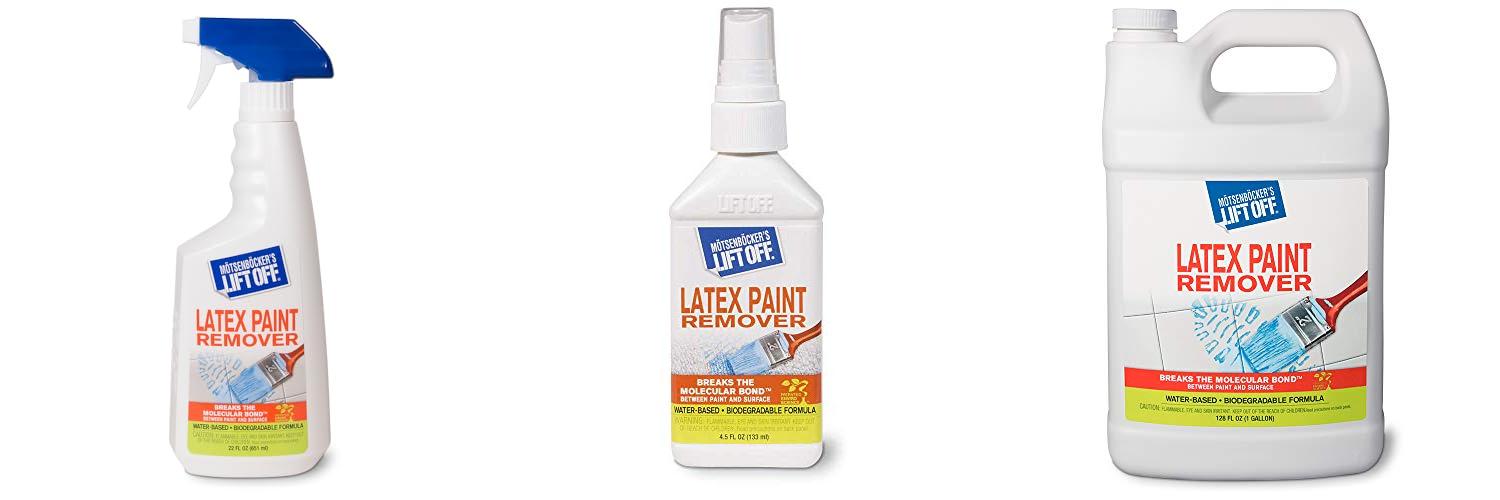
1. Motsenbocker’s Lift Off 41301 Latex Paint Remover Spray Removes Latex Paint and Enamel

Rating: 9.3/10
Tired of struggling with stubborn latex paint? Motsenbocker’s Lift Off 41301 Latex Paint Remover Spray is here to make your life easier. This powerful yet safe spray tackles latex paint, enamels, and more on a wide variety of surfaces. It’s a game-changer for DIYers and professionals alike.
What We Like:
- It easily removes old and new latex paint, acrylics, and stencil paints.
- This spray works on many different surfaces like fiberglass, tools, carpet, and even clothing.
- It’s great for cleaning up paint spills and tools, making painting cleanup a breeze.
- Lift Off leaves paint solid and intact, which helps with safe disposal.
- It’s a safer choice compared to harsh chemicals.
- The formula is water-based and biodegradable.
- It’s proudly made in the USA with high-quality ingredients.
What Could Be Improved:
- The 22 fl oz size might not be enough for very large projects.
- While generally effective, extremely thick or old paint might require multiple applications.
This Motsenbocker’s Lift Off spray offers a powerful and responsible way to handle paint removal. It’s a smart addition to any toolbox for tackling paint messes.
2. Motsenbocker’s Lift Off 41345 Latex Paint Remover Spray Removes Latex Paint and Enamel

Rating: 8.8/10
Tired of stubborn latex paint stains? Motsenbocker’s Lift Off 41345 Latex Paint Remover Spray is here to help. This powerful yet gentle spray tackles latex paint, acrylics, and enamels with ease. It works on a variety of surfaces, making it a versatile tool for any DIYer or professional.
What We Like:
- Effectively removes latex paint and other paint types.
- Works on many different materials like fiberglass, carpet, and clothing.
- Great for cleaning brushes, rollers, and spills, making paint cleanup simple.
- It turns paint into a solid, making disposal easier and safer.
- It’s a safer option than harsh chemical removers.
- It’s water-based and biodegradable.
- Proudly made in the USA.
What Could Be Improved:
- The 4.5 fl oz size might be small for very large projects.
- May require multiple applications on very thick or old paint.
Motsenbocker’s Lift Off offers a smart solution for paint removal. It’s a reliable and safer choice for your next painting project.
3. Motsenbocker’s Lift Off 41401 Latex Paint Remover Removes Latex Paint and Enamel

Rating: 9.5/10
Tired of stubborn latex paint stains? Motsenbocker’s Lift Off 41401 Latex Paint Remover is here to save the day! This powerful yet gentle formula makes paint removal a breeze, whether you’re dealing with fresh spills or dried-on messes. It’s a must-have for any DIYer or professional painter.
What We Like:
- Effortlessly removes latex paint, acrylics, and enamels.
- Works on a wide variety of surfaces like fabric, brick, and tools.
- Makes paint cleanup simple by solidifying paint for easy disposal.
- It’s a safer choice compared to harsh chemical removers.
- Proudly made in the USA with a satisfaction guarantee.
- The water-based, biodegradable formula is eco-friendly.
What Could Be Improved:
- May require multiple applications for very thick or old paint.
- The 1-gallon size might be too large for very small projects.
Motsenbocker’s Lift Off offers a fantastic solution for all your latex paint removal needs. It’s effective, safe, and versatile, making it a top pick for any project.
4. Motsenbocker’s Lift Off 45406 Paint Scuff and Graffiti Remover Spray Easily Removes Paint Scuffs

Rating: 8.7/10
Tired of stubborn paint scuffs and graffiti ruining your favorite things? Motsenbocker’s Lift Off 45406 Paint Scuff and Graffiti Remover Spray is here to save the day! This powerful spray tackles everything from spray paint and acrylics to tough scuffs, making cleanup a breeze. It works wonders on a variety of surfaces, so you can restore your car, boat, or even your brick patio to its former glory. You can trust this American-made product to get the job done safely and effectively.
What We Like:
- It makes removing spray paint super easy.
- The formula is water-based and safe for most painted surfaces. It breaks the paint’s grip without damaging what’s underneath.
- This remover works on many different materials like concrete, brick, plastic, and even your car.
- It’s a safer option than harsh chemicals, protecting you and the planet.
- The product is proudly made in the USA with great ingredients.
What Could Be Improved:
- While it’s great for many paints, some very old or baked-on graffiti might require a second application or a bit more scrubbing.
- The scent, while not overpowering, could be a little more pleasant for some users.
This Motsenbocker’s Lift Off spray is a fantastic tool for anyone who needs to remove paint quickly and safely. It’s a reliable choice for keeping your belongings looking their best.
5. Motsenbocker’s Lift Off 41103 Spray Paint and Graffiti Remover Safely Removes Spray Paint

Rating: 8.9/10
Dealing with unwanted spray paint or graffiti can be a real headache. Motsenbocker’s Lift Off 41103 Spray Paint and Graffiti Remover is here to help. This powerful cleaner tackles spray paint, acrylics, and enamels from almost any surface. It’s a water-based formula, making it a safer choice for your home and the environment.
What We Like:
- It easily removes spray paint, acrylic, and enamel.
- The water-based formula is safe to use.
- It works on many different surfaces like wood, metal, concrete, and plastic.
- It’s a safer alternative to harsh chemical removers.
- The product is proudly made in the USA.
- It breaks the bond of the paint, making it easy to remove.
- The paint comes off in a solid form for easy cleanup.
What Could Be Improved:
- While effective, some very stubborn or old graffiti might require multiple applications.
- The 32 fl oz size is great, but larger or smaller options might be preferred by some users depending on the job.
Motsenbocker’s Lift Off offers a reliable and safer way to clean up paint messes. It’s a great tool to have for unexpected graffiti or DIY projects gone wrong.
Choosing the Right Way to Remove Paint from Wood
Removing old paint from wood can be a rewarding project. It lets you bring back the natural beauty of the wood or prepare it for a fresh new look. But with so many methods available, how do you pick the best one? This guide will help you find the perfect solution for your paint-removal needs.
Key Features to Look For
1. Effectiveness
The most important feature is how well the product or method removes paint. Does it work on multiple layers of paint? Does it tackle tough finishes like oil-based paint or stubborn layers?
2. Speed
How quickly does the paint removal process happen? Some methods are fast, while others take more time and patience.
3. Ease of Use
Is it simple to apply and use? Some tools and products are beginner-friendly, while others might require more skill or experience.
4. Safety
Consider the safety of the product or method. Are there harsh chemicals involved? Does it create a lot of dust? Look for options that are safer for you and the environment.
5. Surface Compatibility
Does the method work on the type of wood you have? Some methods are gentle enough for delicate wood, while others are better for sturdy surfaces.
Important Materials
You’ll need a few things to get the job done, depending on your chosen method:
- Paint Stripper: This is a chemical that breaks down paint. They come in liquid, gel, or paste forms.
- Heat Gun: This tool uses hot air to soften paint, making it easier to scrape off.
- Sanding Tools: Sandpaper, sanding blocks, or electric sanders help remove softened paint or smooth the surface.
- Scrapers: Putty knives, scrapers, or chisels help lift and remove softened or loosened paint.
- Protective Gear: Gloves, eye protection (goggles or safety glasses), and a mask are essential for safety.
- Cleaning Supplies: Rags, water, and possibly mild soap are needed to clean up residue.
Factors That Improve or Reduce Quality
Improving Quality:
- Following Instructions: Always read and follow the product’s directions. This ensures you get the best results and work safely.
- Proper Preparation: Clean the wood surface before starting. Remove dirt, grease, or grime.
- Testing in an Inconspicuous Area: Before tackling the main project, test your chosen method on a small, hidden spot. This lets you see how it works and if it damages the wood.
- Patience: Rushing the process can lead to uneven results or damage to the wood. Take your time.
Reducing Quality:
- Using Harsh Chemicals Without Ventilation: This can be bad for your health.
- Sanding Too Aggressively: You can damage the wood grain or remove too much material.
- Leaving Stripper Residue: This can affect how new paint or finishes adhere.
- Not Using Protective Gear: This puts you at risk of injury.
User Experience and Use Cases
Different methods suit different situations. For large areas like furniture or cabinets, a chemical stripper or a heat gun might be efficient. For smaller projects or delicate wood, gentle scraping and sanding may be better.
Many people find chemical strippers effective for removing thick, old paint layers. However, they can be messy and require good ventilation. Heat guns are great for softening paint, but you need to be careful not to scorch the wood.
Sanding is often the final step. It smooths the wood and removes any leftover paint bits. Electric sanders speed up this process, but hand sanding gives you more control on detailed areas.
Frequently Asked Questions (FAQ)
Q: What is the easiest way to remove paint from wood?
A: For many people, using a chemical paint stripper followed by scraping is the easiest for thick paint. For lighter jobs, sanding might be simpler.
Q: Can I use a heat gun on all types of wood?
A: Heat guns work on most wood types, but you must be careful not to overheat and burn the wood, especially softer woods.
Q: How do I protect myself when using paint strippers?
A: Always wear chemical-resistant gloves, eye protection, and a mask in a well-ventilated area.
Q: Will sanding remove all the paint?
A: Sanding can remove paint, especially lighter layers. For multiple thick layers, you might need to strip the paint first.
Q: How do I clean up after using a paint stripper?
A: Follow the stripper’s instructions. Usually, you’ll wipe the surface with a rag, possibly with water or mineral spirits.
Q: What if the paint is really old and thick?
A: For very old and thick paint, a strong chemical stripper or a heat gun combined with scraping is often most effective.
Q: Can I paint over old paint without removing it?
A: Sometimes, if the old paint is in good condition and well-adhered, you can lightly sand it and paint over it. However, removing it gives a smoother, longer-lasting finish.
Q: How do I avoid damaging the wood grain?
A: Use sharp scrapers and scrape in the direction of the wood grain. When sanding, start with a coarser grit and move to finer grits. Don’t press too hard.
Q: Are there any “natural” ways to remove paint?
A: Some people use things like vinegar or baking soda pastes, but these are typically only effective on very thin, old paint layers and take a lot of time and effort.
Q: What should I do after removing the paint?
A: Once the wood is clean and smooth, you can apply a new finish, primer, or paint.
In conclusion, every product has unique features and benefits. We hope this review helps you decide if it meets your needs. An informed choice ensures the best experience.
If you have any questions or feedback, please share them in the comments. Your input helps everyone. Thank you for reading.