
Imagine biting into a crisp, juicy tomato you grew yourself, or pulling sweet carrots straight from your garden soil. Sounds amazing, right? But if you’re in Michigan, you might wonder which vegetables will actually thrive in our unique climate. It’s easy to feel overwhelmed with so many choices, and the thought of planting something that won’t grow can be disappointing and a waste of time.
That’s where this guide comes in! We’ll help you cut through the confusion and discover the best vegetables for your Michigan garden. By the end, you’ll know exactly which plants will give you the most success, leading to a bountiful harvest and delicious, homegrown food all season long. Get ready to transform your backyard into a thriving vegetable patch!
Our Top 5 Vegetables To Grow In Michigan Recommendations at a Glance
Top 5 Vegetables To Grow In Michigan Detailed Reviews
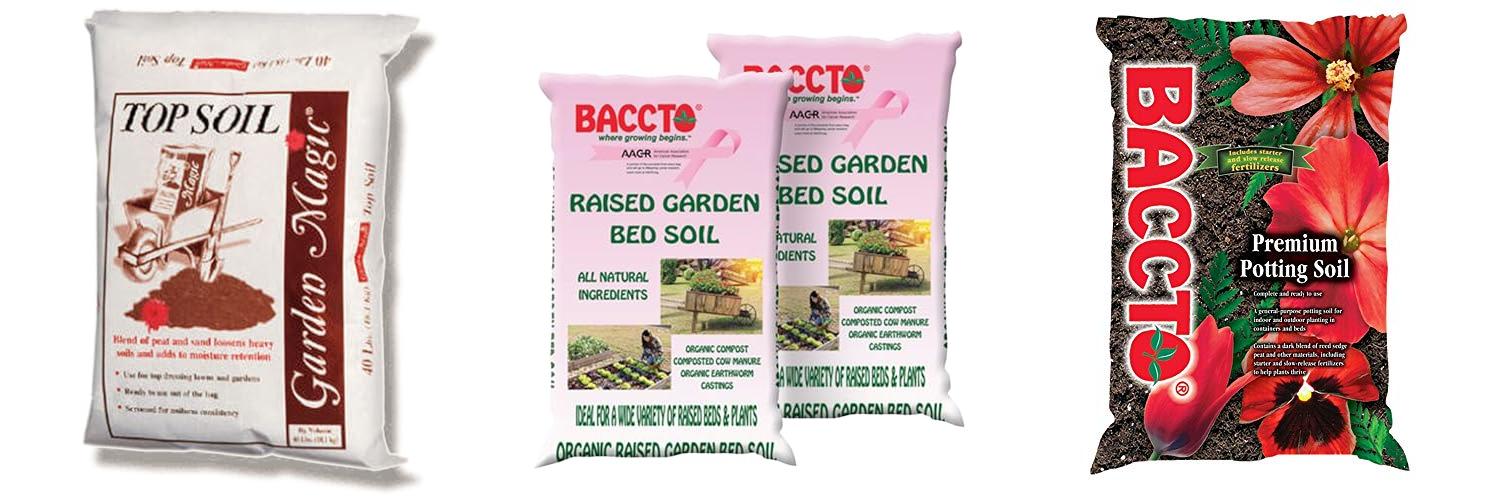
1. Michigan Peat 40 Pound Bag Garden Magic Organic Planting Potting Top Soil Blend Mix for Indoor and Outdoor Gardening and Landscapes

Rating: 8.5/10
Get ready to give your plants the best with Michigan Peat’s Garden Magic Organic Planting Potting Top Soil Blend. This 40-pound bag is your all-in-one solution for healthy, happy plants, whether you’re gardening indoors or out. It’s ready to go right from the bag, saving you time and effort.
What We Like:
- It’s ready to use for all your planting needs, both inside and outside.
- It keeps plants perfectly watered, draining away extra water but holding enough to keep soil moist. This is great for dry spells.
- The soil is a high-quality mix of reed sedge peat, perlite, and sand. This blend makes plants grow strong and keeps the soil in good shape.
- It works for everyone, from beginners to experienced gardeners. It helps plants grow better in all kinds of places.
- This soil makes heavy clay soil lighter and helps sandy soil hold more water. You can also use it to fill in holes in your lawn or garden beds.
What Could Be Improved:
- While the “white” color is mentioned in the title, the product itself is a dark blend. This might be a bit confusing for shoppers.
- A 40-pound bag might be a bit heavy for some gardeners to carry and manage easily.
This soil blend is a fantastic choice for anyone looking to improve their gardening success. It provides a great foundation for all your plants.
2. Michigan Peat Company 2 Pack BACCTO Raised Bed Soil with Organic Compost

Rating: 9.1/10
Dreaming of a flourishing garden? The Michigan Peat Company 2 Pack BACCTO Raised Bed Soil is your secret weapon. This soil blend is specifically designed for raised beds, offering a nutrient-rich foundation for all your plants. It comes ready to go, making gardening simple for everyone.
What We Like:
- It’s ready to use right out of the bag, saving you time and effort.
- It’s packed with good stuff like compost, manure, and earthworm castings.
- Earthworm castings add helpful microbes and slow-release food for plants.
- Compost and manure help the soil hold water and stay healthy long-term.
- It works great for all kinds of plants, including veggies, herbs, and flowers.
- It’s perfect for backyard raised beds and other planters.
- This soil helps roots grow strong and keeps plants looking healthy and vibrant.
- It gives both new and experienced gardeners confidence.
- Michigan Peat Company uses premium peat from their own bog for the best growing environment.
What Could Be Improved:
- The 1.5 cubic feet bags might be a bit small for very large garden projects.
- Availability could be a concern depending on your location.
This BACCTO Raised Bed Soil makes gardening easier and more rewarding. You’ll love the results you get with this high-quality soil blend.
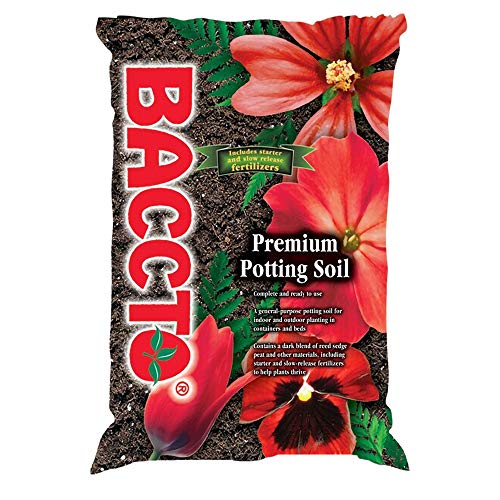
3. Michigan Peat General All Purpose Premium Potting Soil with Perlite for Indoor Outdoor Pots
Rating: 9.2/10
Gardening just got simpler with Michigan Peat General All-Purpose Premium Potting Soil. This 50-pound bag is packed with everything your plants need to thrive, whether they’re indoors or out. It’s a ready-to-go blend that takes the guesswork out of planting, perfect for beginners and experienced gardeners alike.
What We Like:
- It’s ready to use right out of the bag, so you can start planting immediately.
- The mix of peat, perlite, and sand creates a great environment for roots to grow strong.
- It helps your plants grow better, whether in pots, planters, or raised beds.
- It comes with starter and slow-release fertilizers, giving your plants a nutrient boost.
- This soil works for a wide variety of plants, from veggies and flowers to bulbs.
What Could Be Improved:
- The 50-pound bag can be a bit heavy to carry.
- More detailed instructions on specific plant needs might be helpful for some users.
This potting soil is a fantastic all-around choice for many gardening projects. It offers convenience and essential nutrients to help your plants flourish.
4. Seed Needs Carrot Seeds for Planting Rainbow Carrots – Non-GMO Heirloom & Untreated Veggie Seed to Grow a Home Grown Vegetable Garden in Fall or Spring (1 Pack)

Rating: 8.7/10
Bring a splash of color to your garden with Seed Needs Rainbow Carrot Seeds! These aren’t your average carrots. You’ll grow delicious roots in a vibrant mix of colors, including orange, purple, red, white, and yellow. They’re perfect for a fun home-grown vegetable garden, whether you plant them in the fall or spring.
What We Like:
- Edible Roots: Grow a beautiful rainbow of carrots! You get bambino orange, cosmic purple, atomic red, lunar white, and solar yellow.
- Easy Harvesting: Your colorful carrots will be ready in about 65-70 days. Just pull them up and enjoy them fresh or store them for later.
- Quality Seeds: Seed Needs seeds are fresh and stored carefully. They are good for the current and next growing seasons.
- Generous Quantity: You get plenty of seeds to share with friends or save for future planting.
- Attractive Packets: Each packet has a cool illustration and clear planting instructions.
- Non-GMO Promise: Seed Needs guarantees their seeds are never GMO. Most are heirloom and open-pollinated.
- Fast Germination: These seeds are fresh from the growers. You’ll see sprouts quickly if planted correctly.
- Freshness Guaranteed: The special packaging keeps the seeds fresh and protected from moisture.
What Could Be Improved:
- The description mentions that “non-organic seeds produce the same carrots as those that are labeled as such,” which could be confusing for some gardeners who prefer organic.
Plant these vibrant seeds and watch your garden come alive with color and flavor. You’ll be harvesting a delightful rainbow of homegrown carrots in no time!
5. Ohio Heirloom Detroit Dark Red Beet Seed for Planting – Packet with Instructions to Plant and Grow Delicious Root Vegetables in Your Home Vegetable Garden

Rating: 8.6/10
Grow your own delicious and versatile Detroit Dark Red Beets with this heirloom seed packet from Ohio Heirloom. This packet provides over 100 seeds, promising an 85% germination rate for a bountiful harvest right from your home vegetable garden. These beets are perfect for adding vibrant color and sweet flavor to your favorite dishes.
What We Like:
- These are the best beet seeds for amazing flavor and can be used in many recipes.
- The beets are round, sweet, and perfect for borscht, pickling, and salads. You can eat both the roots and the greens.
- You can can and pickle these beets to enjoy them all year.
- They grow easily and are ready to harvest in just 58 days. The packet includes simple planting instructions.
- Ohio Heirloom guarantees 85% germination and provides non-GMO, open-pollinated seeds.
What Could Be Improved:
- The packet contains over 100 seeds, which might be more than some gardeners need for a single planting.
- While the instructions are helpful, some very new gardeners might benefit from more detailed visual guides.
This Detroit Dark Red Beet seed packet is an excellent choice for anyone wanting to grow flavorful and versatile root vegetables. Start your garden journey with these quality heirloom seeds and enjoy the taste of homegrown goodness.
Your Guide to Growing Delicious Vegetables in Michigan
Michigan’s climate offers a fantastic opportunity to grow a wide variety of fresh vegetables right in your backyard. From the warm summers to the cooler autumns, you can enjoy a long harvest season with the right choices. This guide will help you pick the best vegetables for your Michigan garden.
1. Key Features to Look For
When choosing vegetables to grow in Michigan, think about these important features:
- Climate Adaptability: Some vegetables love the heat, while others prefer cooler weather. Michigan has both! Look for varieties that are known to do well in your specific Michigan region (Upper Peninsula or Lower Peninsula).
- Growing Season Length: Michigan has a good growing season, but it’s not as long as some southern states. Choose vegetables that can mature within our typical frost-free dates.
- Pest and Disease Resistance: Michigan gardens can attract certain pests and diseases. Picking varieties that are naturally resistant will save you a lot of trouble.
- Yield: How much food will the plant produce? If you have limited space, you want plants that give you a good harvest for the effort.
- Taste and Preference: This is the most important feature! Grow what your family loves to eat.
2. Important Materials (What You’ll Need)
To grow your Michigan vegetables successfully, you’ll need a few basic things:
- Good Soil: Healthy soil is the foundation of a great garden. Michigan soils vary, so you might need to add compost or other organic matter to improve drainage and nutrients.
- Sunlight: Most vegetables need at least 6-8 hours of sunlight per day. Find the sunniest spot in your yard.
- Water: Consistent watering is crucial, especially during dry spells.
- Seeds or Seedlings: You can start from seed or buy young plants (seedlings) from a local nursery.
- Tools: Basic gardening tools like a trowel, shovel, and watering can are essential.
3. Factors That Improve or Reduce Quality
Several things can make your vegetables thrive or struggle:
- Good Soil Drainage: Waterlogged soil can kill plant roots. If your soil holds too much water, add compost to help it drain better.
- Proper Spacing: Giving plants enough room to grow prevents overcrowding. Overcrowded plants compete for sunlight, water, and nutrients. This reduces their quality and yield.
- Consistent Watering: Underwatering or overwatering can stress plants. Aim for moist, but not soggy, soil.
- Fertilizing: Plants need nutrients to grow strong. Using a balanced fertilizer can boost growth and improve the taste and size of your vegetables.
- Weeding: Weeds steal resources from your vegetables. Keep your garden bed free of weeds.
- Timing: Planting at the right time for Michigan’s climate is very important. Planting too early or too late can lead to crop failure.
4. User Experience and Use Cases
Growing vegetables in Michigan is a rewarding experience.
- Fresh, Healthy Food: The biggest benefit is having access to the freshest, most nutritious food possible. You know exactly what went into growing it.
- Saving Money: Growing your own produce can save you money on grocery bills.
- Family Activity: Gardening is a great way to get the whole family involved. Kids learn about where food comes from.
- Stress Relief: Many people find gardening to be a relaxing and therapeutic hobby.
- Cooking and Recipes: Imagine stepping outside to pick fresh tomatoes for a salad or fresh herbs for your dinner. The possibilities are endless!
Frequently Asked Questions About Growing Vegetables in Michigan
Q: What are the best vegetables for beginners in Michigan?
A: For beginners, start with easy-to-grow vegetables like bush beans, radishes, lettuce, spinach, zucchini, and cherry tomatoes. These plants are forgiving and tend to produce well.
Q: When should I plant vegetables in Michigan?
A: This depends on the vegetable. Cool-season crops like lettuce and peas can be planted in early spring (around April). Warm-season crops like tomatoes and peppers should be planted after the last frost, usually in May or early June.
Q: How much sunlight do most Michigan vegetables need?
A: Most vegetables need at least 6 to 8 hours of direct sunlight each day to grow well and produce a good harvest.
Q: What kind of soil is best for Michigan gardens?
A: Loamy soil is ideal. It holds moisture well but also drains nicely. If your soil is heavy clay or very sandy, mix in compost to improve its texture and fertility.
Q: Can I grow vegetables in containers in Michigan?
A: Yes! Many vegetables, like bush beans, lettuce, herbs, and even some varieties of tomatoes and peppers, grow very well in containers. This is a great option for small spaces.
Q: What are common pests in Michigan gardens?
A: Common pests include aphids, slugs, tomato hornworms, and squash vine borers. Regular observation and organic pest control methods can help manage them.
Q: How often should I water my Michigan vegetable garden?
A: Water deeply when the top inch of soil feels dry. This might be a few times a week during hot, dry weather, or less often when it’s cooler or rainy.
Q: Are there specific vegetable varieties that do better in Michigan’s cold winters?
A: Yes, cool-season crops like kale, Brussels sprouts, and carrots can often tolerate light frosts and can be harvested later into the fall. Some varieties are specifically bred for colder climates.
Q: What if I have limited space? What vegetables are good for small gardens?
A: Look for “bush” or “dwarf” varieties of plants like beans, cucumbers, and tomatoes. Leafy greens, radishes, and herbs are also excellent choices for smaller gardens or containers.
Q: How can I extend my harvest season in Michigan?
A: You can extend your harvest by planting succession crops (planting more seeds every few weeks) and by using row covers or cold frames to protect plants from early frosts.
In conclusion, every product has unique features and benefits. We hope this review helps you decide if it meets your needs. An informed choice ensures the best experience.
If you have any questions or feedback, please share them in the comments. Your input helps everyone. Thank you for reading.