

Imagine stepping outside your door and plucking the freshest, most flavorful ingredients for your dinner. Does that sound like a dream? For many, the idea of growing their own vegetables is appealing, but the sheer number of choices can feel overwhelming. Where do you even begin? It’s easy to get lost in the endless possibilities, wondering which plants will actually thrive in your backyard and give you a delicious harvest.
This is where we come in. We understand the frustration of staring at seed packets and feeling completely lost. That’s why we’ve put together this guide to help you navigate the exciting world of home vegetable gardening. By reading on, you’ll discover which vegetables are perfect for beginners, which ones offer the biggest rewards, and how to choose the best ones for your space and taste buds.
Get ready to transform your garden from a blank space into a vibrant source of fresh food. We’ll guide you through making smart choices so you can enjoy the satisfaction of growing your own delicious vegetables, right at home.
Our Top 5 Vegetables To Grow At Home Recommendations at a Glance
Top 5 Vegetables To Grow At Home Detailed Reviews
1. Vegetable Gardening for Beginners: A Simple Guide to Growing Vegetables at Home

Rating: 9.1/10
Thinking about growing your own veggies? “Vegetable Gardening for Beginners: A Simple Guide to Growing Vegetables at Home” is your new best friend. This book breaks down gardening into easy steps. It makes starting a home vegetable patch feel totally doable, even if you’ve never touched a trowel before.
What We Like:
- Clear, step-by-step instructions make gardening simple.
- It covers the basics without overwhelming you.
- You’ll learn how to pick the right spot for your garden.
- The book offers tips on choosing easy-to-grow vegetables.
- It helps you understand what plants need to thrive.
- The language is easy to understand for anyone.
What Could Be Improved:
- More pictures or diagrams would be helpful for visual learners.
- Specific regional planting advice is missing.
- It could offer more solutions for common beginner problems.
This guide is an excellent starting point for anyone wanting to enjoy fresh, homegrown vegetables. It empowers you to start your own garden with confidence.
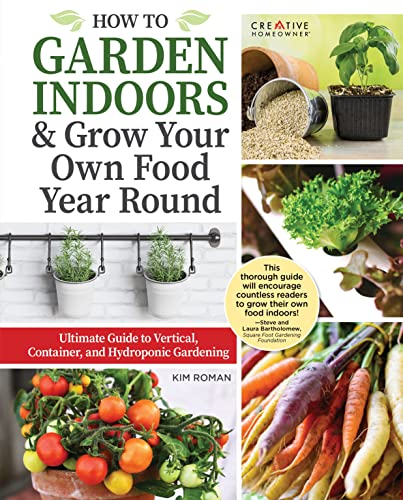
2. How to Garden Indoors & Grow Your Own Food Year Round: Ultimate Guide to Vertical
Rating: 9.4/10
Dreaming of fresh veggies and herbs no matter the season? This book, “How to Garden Indoors & Grow Your Own Food Year Round,” is your ticket to a thriving indoor garden. It covers everything from tricky vertical setups to simple pots and even advanced hydroponics. You’ll learn how to grow all sorts of delicious food right in your home. Plus, it dives into fun DIY projects, how to make your own compost, and the best lights to use. It’s a comprehensive guide for anyone wanting to bring the garden inside.
What We Like:
- Covers a wide range of indoor gardening methods, including vertical, container, and hydroponic systems.
- Includes practical advice on growing vegetables and herbs.
- Offers guidance on related topics like DIY projects, composting, and lighting.
- Empowers readers to grow their own food year-round, regardless of outdoor conditions.
- The information is presented in a clear and accessible way for beginners.
What Could Be Improved:
- Some of the DIY project instructions could benefit from more detailed diagrams.
- A section dedicated to troubleshooting common indoor gardening problems would be helpful.
This book provides a fantastic roadmap for anyone looking to start or expand their indoor gardening journey. It truly equips you with the knowledge to enjoy homegrown food anytime.
3. Container Vegetable Gardening Made Easy: How To Grow Fresh

Rating: 8.9/10
This guide, “Container Vegetable Gardening Made Easy: How To Grow Fresh, Healthy Vegetables At Home In Pots,” is your ticket to a bountiful harvest, even if you only have a balcony or a small patio. It breaks down the process of growing your own food into simple, manageable steps. Imagine plucking ripe tomatoes or crisp lettuce right from your doorstep! This resource makes that dream a reality for anyone.
What We Like:
- The instructions are super clear and easy to follow.
- It covers everything you need to know, from choosing the right pots to picking the best veggies.
- You learn how to give your plants the perfect amount of water and sunlight.
- It helps you avoid common mistakes that can ruin your garden.
- Growing your own food is healthy and rewarding.
What Could Be Improved:
- The guide could include more pictures to show exactly what to do.
- It might be helpful to have a list of specific plant varieties that do especially well in pots.
- A section on dealing with common garden pests would be a great addition.
This guide empowers you to start your own container garden with confidence. Get ready to enjoy the taste of homegrown goodness!
4. Ultimate Guide to Planting & Growing Vegetables at Home: Get High-Yield Results with Expert Advice on Planting

Rating: 8.6/10
Dreaming of a garden bursting with fresh, homegrown veggies? The “Ultimate Guide to Planting & Growing Vegetables at Home” is your secret weapon! This comprehensive resource arms you with everything you need to succeed, from picking the perfect spot to harvesting a bounty. It covers planting, growing, making your own compost, and even fending off pesky garden invaders. You’ll find expert tips for over 80 different types of vegetables, making it a one-stop shop for aspiring and experienced gardeners alike.
What We Like:
- Covers a huge variety of vegetables (over 80!).
- Includes practical advice on planting, growing, composting, and pest control.
- Helps you achieve high-yield results in your home garden.
- Written with expert advice, making it easy to follow.
- Great for beginners and those looking to improve their gardening skills.
What Could Be Improved:
- No specific mention of digital or interactive features.
- “N/A” for features suggests it might be a print-only resource, which could limit accessibility for some.
This guide truly empowers you to grow your own delicious food. It’s an investment in a healthier, more rewarding lifestyle.
5. Hydroponics: The Essential Hydroponics Guide: A Step-By-Step Hydroponic Gardening Guide to Grow Fruit

Rating: 9.0/10
Dreaming of fresh, homegrown produce year-round, even without a sprawling garden? “Hydroponics: The Essential Hydroponics Guide” is your ticket to the exciting world of soil-free gardening right in your own home. This guide makes growing delicious fruits, vibrant vegetables, and aromatic herbs surprisingly simple, even for beginners.
What We Like:
- It provides clear, step-by-step instructions that are easy to follow.
- The guide covers a wide range of plants you can grow.
- It explains the basic principles of hydroponics in a way that makes sense.
- You can start growing your own food quickly.
- It’s a fun and rewarding way to connect with nature.
What Could Be Improved:
- More detailed troubleshooting tips for common problems could be added.
- A section on advanced hydroponic techniques might be helpful for some readers.
- Visual aids, like more diagrams or photos, would enhance understanding.
This book empowers you to start your own indoor garden with confidence. Get ready to enjoy the taste of homegrown goodness!
Grow Your Own Goodness: Your Ultimate Guide to Homegrown Veggies
Growing your own vegetables is a rewarding experience. You get fresh, healthy food right from your backyard or balcony. This guide will help you choose the best vegetables to grow at home.
Why Grow Your Own Vegetables?
Homegrown vegetables taste amazing. They are often fresher and more nutritious than store-bought options. Plus, you control how they are grown. You can avoid pesticides and herbicides if you wish. It’s also a fun activity for the whole family. Kids can learn where food comes from.
Key Features to Look For
1. Ease of Growth
Some vegetables are super easy to grow. They don’t need much special care. These are great for beginners. Think about plants like lettuce, radishes, and bush beans. They grow quickly and give you good results.
2. Space Requirements
Consider how much space you have. Do you have a big garden? Or just a small balcony? Tomatoes and cucumbers need more space. Spinach and carrots can grow in smaller pots or beds. Choose vegetables that fit your available area.
3. Sunlight Needs
Most vegetables need plenty of sunshine. Aim for at least 6-8 hours of direct sunlight each day. Some leafy greens can tolerate a little shade. Check the specific needs of each vegetable before you plant.
4. Growing Season
Think about your local climate. Some vegetables grow best in cool weather. Others need the heat of summer. Carrots and peas like cooler temperatures. Peppers and eggplants thrive in the heat. Planting at the right time helps your vegetables grow well.
Important Materials You’ll Need
- Seeds or Seedlings: You can start with seeds or buy small plants (seedlings). Seeds are cheaper. Seedlings give you a head start.
- Soil: Good quality potting soil or garden soil is essential. It provides nutrients for your plants.
- Containers or Garden Beds: Pots, raised beds, or in-ground gardens all work. Make sure they have drainage holes.
- Watering Can or Hose: Regular watering is crucial.
- Tools: A small trowel, hand fork, and gardening gloves make planting and weeding easier.
- Sunlight: As mentioned, a sunny spot is a must.
Factors That Improve or Reduce Quality
Factors That Improve Quality:
- Healthy Soil: Rich, well-draining soil gives plants the nutrients they need. Adding compost improves soil quality.
- Consistent Watering: Plants need water to grow. Don’t let them dry out, but don’t overwater them either.
- Adequate Sunlight: Enough sun helps plants produce tasty fruits and leaves.
- Pest and Disease Management: Healthy plants resist pests and diseases better.
- Proper Spacing: Giving plants enough room to grow helps them thrive.
Factors That Reduce Quality:
- Poor Soil: Compacted or nutrient-poor soil stunts growth and affects taste.
- Inconsistent Watering: Too much or too little water causes stress.
- Lack of Sunlight: Plants won’t grow strong or produce well without enough sun.
- Pests and Diseases: These can damage plants and make vegetables unusable.
- Overcrowding: Plants compete for resources, leading to smaller yields.
User Experience and Use Cases
Growing vegetables at home offers many benefits. You can enjoy the freshest salads imaginable. Imagine picking ripe tomatoes for your sandwiches. You can also experiment with different varieties of vegetables. This adds excitement to your meals. Homegrown herbs are fantastic for adding flavor to any dish. Children love participating in the gardening process. They learn valuable lessons about nature and healthy eating. It’s a wonderful way to connect with nature and your food.
Frequently Asked Questions (FAQ)
Q: What are the easiest vegetables for beginners to grow?
A: Great beginner vegetables include lettuce, radishes, spinach, bush beans, and peas. They grow quickly and are forgiving.
Q: How much sunlight do most vegetables need?
A: Most vegetables need at least 6 to 8 hours of direct sunlight each day.
Q: Can I grow vegetables in pots?
A: Yes, many vegetables grow very well in pots. Leafy greens, herbs, peppers, and bush beans are good choices for containers.
Q: What kind of soil should I use?
A: Use good quality potting mix for containers. For garden beds, amend your existing soil with compost.
Q: How often should I water my vegetables?
A: Water your vegetables when the top inch of soil feels dry. This might be daily in hot weather, or less often in cooler periods.
Q: What is the difference between seeds and seedlings?
A: Seeds are tiny plant embryos. Seedlings are young plants that have already sprouted. Seeds are cheaper, but seedlings give you a faster start.
Q: When is the best time to plant vegetables?
A: The best time depends on your local climate and the specific vegetable. Some prefer cool weather, while others need warmth.
Q: How can I protect my vegetables from pests?
A: Healthy plants are less susceptible. You can also use natural pest control methods or physical barriers.
Q: What if I don’t have a lot of space?
A: You can grow many vegetables in small spaces. Vertical gardening, containers, and choosing compact varieties work well.
Q: What are the benefits of growing my own vegetables?
A: You get fresh, healthy food, save money, and enjoy a rewarding hobby. It’s also a great way to teach kids about where food comes from.
In conclusion, every product has unique features and benefits. We hope this review helps you decide if it meets your needs. An informed choice ensures the best experience.
If you have any questions or feedback, please share them in the comments. Your input helps everyone. Thank you for reading.