
Have you ever looked at an old wooden furniture piece and dreamed of bringing its natural beauty back to life? Maybe you have a treasured antique table or a sturdy wooden deck that’s seen better days, covered in peeling, dull varnish. The thought of stripping away that old finish can be exciting, but then comes the big question: which varnish remover is the best for your wood?
Choosing the right varnish remover can feel like navigating a maze. There are so many different kinds, and it’s easy to get confused. Some are super strong and might damage your wood, while others are gentle but might not do the job. You want to make sure you pick something that works well without causing harm, and that can be a real headache. You might worry about strong fumes, the time it takes, or if it will even work on your specific type of wood.
But don’t worry! By the time you finish reading this post, you’ll understand what makes a varnish remover effective and safe for your wood projects. We’ll break down the different types, explain what to look for, and give you tips to make the stripping process much easier. Get ready to transform your wooden treasures!
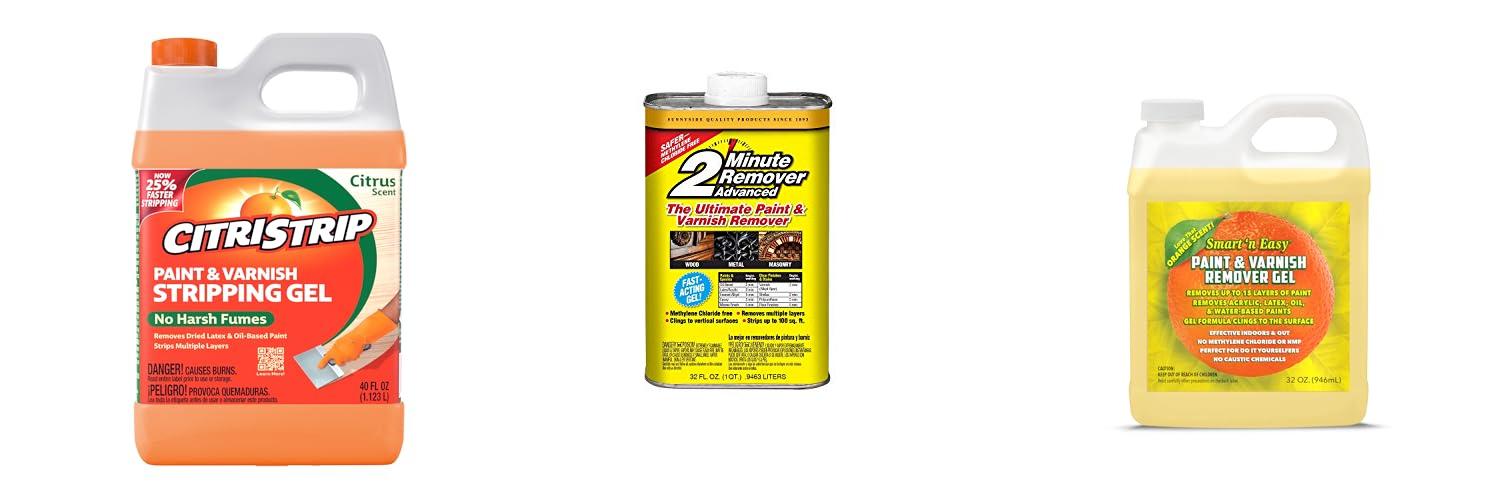
Our Top 5 Varnish Remover For Wood Recommendations at a Glance
Top 5 Varnish Remover For Wood Detailed Reviews
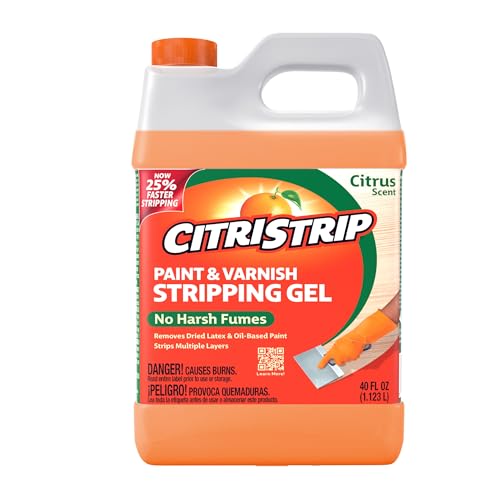
1. Citristrip Stripping Gel
Rating: 8.7/10
Tackling tough paint and varnish jobs just got a whole lot easier with Citristrip Stripping Gel, 40 oz. This powerful gel makes removing old coatings a breeze, so you can refresh furniture, update cabinets, or prep surfaces for a new look.
What We Like:
- It’s simple to apply and use, making DIY projects less intimidating.
- The gel stays wet and active for a full 24 hours. This means you can strip away many layers of paint or varnish all at once. You don’t have to rush through your project.
- It tackles a wide range of finishes, including dried latex and oil-based paints, varnish, lacquer, polyurethane, and even shellac.
- Citristrip works on different materials. It strips multiple layers from wood, metal, and masonry surfaces effectively.
- This gel is a safer choice because it doesn’t contain harmful chemicals like methylene chloride or NMP.
What Could Be Improved:
- While it’s effective, the 40 oz. size might be a bit much for very small projects.
- The drying time, while a pro for stripping power, means you need to plan your project around it.
Citristrip Stripping Gel is a user-friendly and effective solution for most paint and varnish removal needs. Its long working time and broad compatibility make it a valuable tool for any home improvement enthusiast.
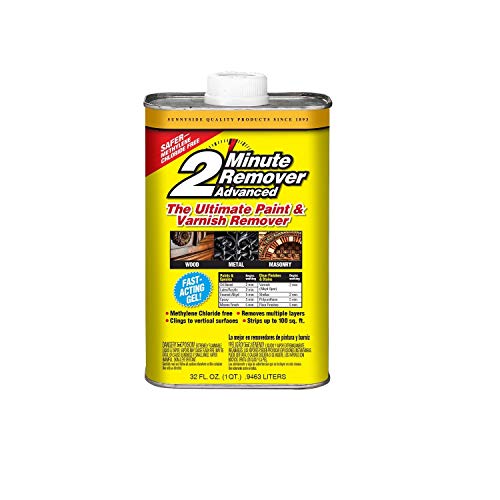
2. Sunnyside 63432 2-Minute Remover Advanced Paint & Varnish Remover Gel
Rating: 9.1/10
Tired of scraping and sanding old paint? The Sunnyside 63432 2-Minute Remover Advanced Paint & Varnish Remover Gel is here to make your DIY projects much easier. This new and improved formula gets the job done fast, saving you time and effort. It’s a powerful gel that lifts away layers of old paint and varnish, leaving your surfaces ready for a fresh coat. Plus, it’s safer to use because it doesn’t contain methylene chloride, a chemical that can be harmful.
What We Like:
- It’s a new, safer formula because it’s methylene chloride free.
- This stripping gel removes many layers of paint or varnish in just one go.
- You can use it on walls that go up and down, as well as flat surfaces.
- It won’t hurt wood, metal, or masonry.
- It works very quickly, starting to work in as little as 2 minutes on most old coatings.
- One quart covers about 100 square feet.
What Could Be Improved:
- The “2-minute” claim might be optimistic for very thick or old paint.
- While safer, it’s still a chemical product, so good ventilation is important.
This Sunnyside remover is a game-changer for anyone tackling paint removal. It makes a tough job much faster and simpler.
3. Smart ‘n Easy Paint & Varnish Remover Gel – Do It Yourself Friendly Paint Remover – Strips Multiple Layers of Acrylic

Rating: 9.3/10
Tackling old paint and varnish can be a tough job, but the Smart ‘n Easy Paint & Varnish Remover Gel makes it much simpler. This gel is designed for DIYers, so you don’t need to be a professional to get great results. It works on many different types of paint and finishes, making it a versatile tool for all your home projects.
What We Like:
- It removes many layers of acrylic, latex, oil, and water-based paints and varnishes, often in just one go.
- It’s safe to use because it doesn’t contain harsh, caustic chemicals. It even smells like citrus!
- It’s super easy to apply: just put it on, let it sit, and then wipe or scrape it off.
- It works on a wide variety of surfaces like wood furniture, cabinets, decks, brick fireplaces, and even fiberglass tubs.
- Using it with Dumond Laminated Paper makes the job even faster and cleanup a breeze.
What Could Be Improved:
- You always need to test it on a small, hidden spot first to make sure it works with your specific paint or varnish.
- The packaging might look different sometimes.
This remover gel is a fantastic choice for anyone wanting to update their home without the hassle of harsh chemicals. It’s powerful enough for tough jobs but easy enough for any DIY project.
4. Sunnyside 68532 Hi-Speed Ready-Strip Citrus Paint & Varnish Remover

Rating: 9.1/10
Tackling tough paint and varnish jobs just got easier with the Sunnyside 68532 Hi-Speed Ready-Strip Citrus Paint & Varnish Remover. This powerful quart-sized trigger spray is designed to make your DIY projects a breeze, even on tricky surfaces. Get ready to strip away old coatings quickly and efficiently.
What We Like:
- It can remove up to three layers of paint or varnish, whether it’s oil-based or water-based.
- The no-drip formula means less mess. It stays put where you spray it.
- It clings to walls and other upright surfaces. This helps it work longer and better.
- You’ll see results fast. It starts working in about 30 minutes.
- Cleanup is super simple. You just need water to wash away the residue.
What Could Be Improved:
- For very thick or old layers of paint, a second application might be needed.
- The citrus scent, while pleasant, can be strong in enclosed spaces.
This Sunnyside paint remover is a game-changer for anyone looking for a fast and effective way to strip old coatings. Its user-friendly design and powerful performance make it a top choice for your next project.
5. Dumond Smart Strip Advanced Paint Remover

Rating: 9.2/10
Tackling old paint jobs can be tough, but the Dumond Smart Strip Advanced Paint Remover makes it much easier. This product is designed to remove many layers of different types of paint, like acrylic, latex, oil, and water-based coatings. It works on a wide variety of surfaces, both inside and outside your home. Plus, it’s a safer choice because it doesn’t use harsh chemicals.
What We Like:
- It removes up to 15 layers of paint in usually one go.
- It works on many different surfaces like wood, brick, metal, and concrete.
- It’s water-based and doesn’t use dangerous caustics like methylene chloride or NMP, making it safer to use.
- It’s suitable for both professionals and people doing DIY projects.
- It can be used for indoor and outdoor jobs.
What Could Be Improved:
- You always need to test it on a small area first because different paints react differently.
- It needs to stay wet to work, so you have to cover it with special paper to stop it from drying out too fast.
The Dumond Smart Strip Advanced Paint Remover is a powerful and safer option for your paint removal needs. It gets the job done without the harsh chemicals found in many other removers.
Choosing the Right Varnish Remover for Your Wood Project
Reviving old wooden furniture or preparing a surface for a fresh coat of paint or stain often means dealing with old, stubborn varnish. A good varnish remover is your best friend for this job. But with so many options out there, how do you pick the right one? This guide will help you make the best choice for your project.
Key Features to Look For
1. Speed of Action
Some removers work quickly, softening varnish in minutes. Others take longer. If you’re on a tight schedule, a fast-acting remover is a great choice.
2. Ease of Use
Look for removers that are easy to apply, usually with a brush or cloth. Some come in spray cans, which makes reaching tricky spots simpler. The easier it is to use, the less work you’ll have to do.
3. Odor and Safety
Many varnish removers have strong fumes. If you’re sensitive to smells or working in a small space, choose a low-odor or even odorless option. Always check for safety warnings and wear protective gear.
4. Effectiveness on Different Varnish Types
Not all varnishes are the same. Some removers are better at tackling tough, old varnish, while others work well on newer finishes. Check the product label to see what types of varnish it’s designed for.
5. Residue Removal
After the varnish is gone, you’ll need to clean the surface. Some removers leave behind a sticky residue that can be hard to remove. Others clean up easily with water or a specific cleaner, making your next step much simpler.
Important Materials to Consider
Varnish removers are made from different chemicals. Understanding these can help you choose.
- Solvent-Based Removers: These are powerful and work fast. They often have strong fumes. Common ingredients include methylene chloride or NMP (N-Methyl-2-pyrrolidone).
- Citrus-Based Removers: These are more natural and have a pleasant citrus smell. They are usually gentler and safer but may take longer to work. They often use d-Limonene, which comes from citrus peels.
- Soy-Based Removers: Similar to citrus removers, these are eco-friendly and have low fumes. They are also biodegradable.
Factors That Improve or Reduce Quality
What Makes a Varnish Remover Great?
- Fast-acting formulas: They save you time and effort.
- Low fumes and non-toxic ingredients: These make the job safer and more pleasant.
- Easy cleanup: When the varnish is gone, a simple wipe-down is ideal.
- Works on multiple finish types: This gives you flexibility for different projects.
What Can Make It Less Than Ideal?
- Slow performance: This can be frustrating and time-consuming.
- Harsh fumes: These can cause headaches and require excellent ventilation.
- Difficult residue: Scraping and scrubbing away sticky leftover remover is no fun.
- Damage to wood: Some strong chemicals can damage the wood grain if left on too long.
User Experience and Use Cases
Most users want a varnish remover that makes their job easier. They look for products that don’t require a lot of elbow grease. Easy application and quick results are big pluses.
Common Uses:
- Furniture Refinishing: Removing old varnish from tables, chairs, and cabinets before repainting or staining.
- Door and Window Restoration: Bringing old wooden doors and window frames back to life.
- Deck and Siding Preparation: Getting wooden outdoor structures ready for a new protective coat.
- Antiques: Carefully removing old finishes from valuable antique pieces.
Remember to always follow the manufacturer’s instructions and test the remover on a small, hidden area first. Happy stripping!
Frequently Asked Questions About Varnish Removers
Q: What is the fastest way to remove varnish?
A: The fastest way is usually with a strong, solvent-based varnish remover. These products are designed to break down varnish quickly. However, they often have strong fumes, so good ventilation is a must.
Q: Are citrus-based varnish removers effective?
A: Yes, citrus-based removers are effective, especially for lighter or older varnish. They work by dissolving the finish. They are a great choice if you want a safer, more pleasant-smelling option, though they might take a bit longer to work than solvent-based removers.
Q: Do I need to wear protective gear when using varnish remover?
A: Absolutely! You should always wear gloves to protect your skin and safety glasses to protect your eyes. If the remover has strong fumes, a respirator mask is also recommended. Always work in a well-ventilated area.
Q: How do I clean up varnish remover from wood?
A: Most varnish removers suggest a specific cleanup method. Often, you’ll wipe the softened varnish and remover away with rags. Then, you might need to wash the wood with water or a special cleaner to remove any remaining residue. Check the product instructions.
Q: Can varnish remover damage my wood?
A: Yes, some strong varnish removers can damage wood if left on for too long. It’s important to follow the recommended application time on the product label. Always test in a small area first to see how the wood reacts.
Q: What should I do after I remove the varnish?
A: After removing the varnish and cleaning the surface, you should let the wood dry completely. Then, you can lightly sand it to make it smooth. After that, it’s ready for your new paint, stain, or sealant.
Q: Can I use varnish remover on painted surfaces?
A: Generally, varnish removers are designed for varnish and clear finishes. If you want to remove paint, you’ll likely need a paint stripper, which is a different product. Always check the product label to be sure.
Q: How much varnish remover do I need?
A: The amount you need depends on the size of your project and how thick the varnish is. It’s usually best to buy a little more than you think you’ll need to avoid running out mid-job. Check the product’s coverage rate if it’s listed.
Q: Are there any eco-friendly varnish removers?
A: Yes, citrus-based and soy-based varnish removers are considered more eco-friendly. They often use natural ingredients and have fewer harmful chemicals. They are biodegradable and have lower VOCs (Volatile Organic Compounds).
Q: How should I store leftover varnish remover?
A: Store varnish remover in its original, tightly sealed container. Keep it in a cool, dry place away from heat, sparks, and open flames. Make sure children and pets cannot reach it.
In conclusion, every product has unique features and benefits. We hope this review helps you decide if it meets your needs. An informed choice ensures the best experience.
If you have any questions or feedback, please share them in the comments. Your input helps everyone. Thank you for reading.