
Imagine stepping onto a floor that feels warm underfoot, looks beautiful, and lasts for generations. That’s the magic of hardwood floors! But when it comes to picking the right wood, it can feel like a jungle out there. So many types, so many names – how do you know which one is best for your home and your life?
Choosing the perfect hardwood can seem tricky. You want floors that look great, but you also need them to be tough enough for kids and pets. You might worry about scratching, dents, or how much it will all cost. It’s easy to feel overwhelmed by all the choices!
Don’t worry, we’re here to help! This post will break down the most popular wood types for hardwood floors. We’ll tell you about their strengths, how they look, and what makes each one special. By the end, you’ll have a much clearer idea of which wood will make your dream floor a reality.
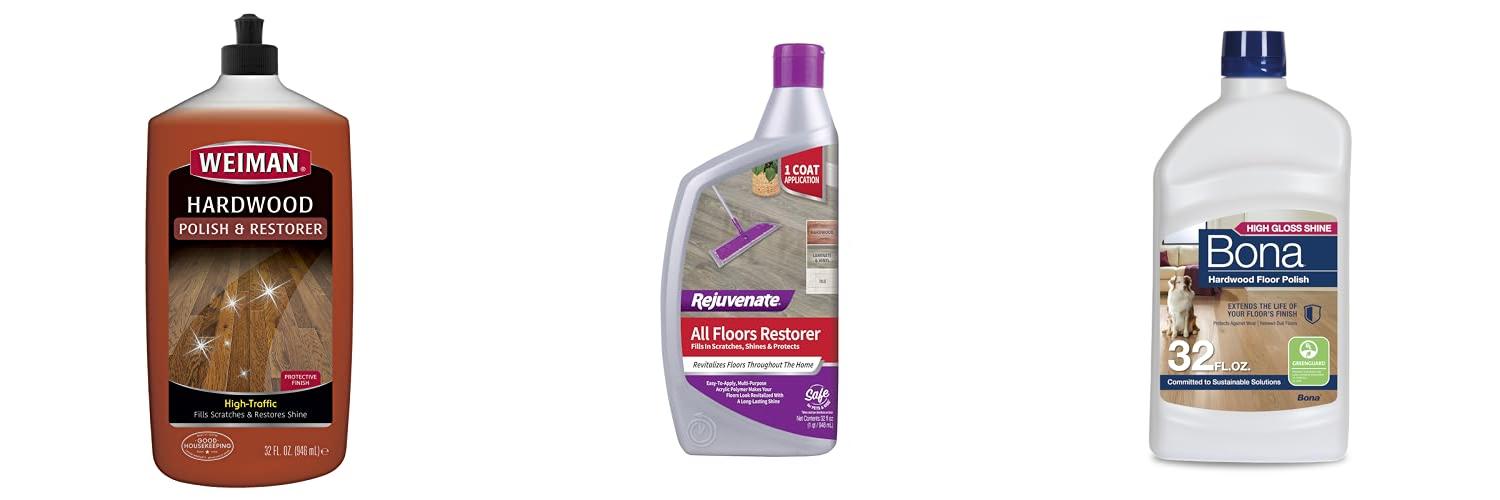
Our Top 5 Type Of Wood For Hardwood Floors Recommendations at a Glance
Top 5 Type Of Wood For Hardwood Floors Detailed Reviews
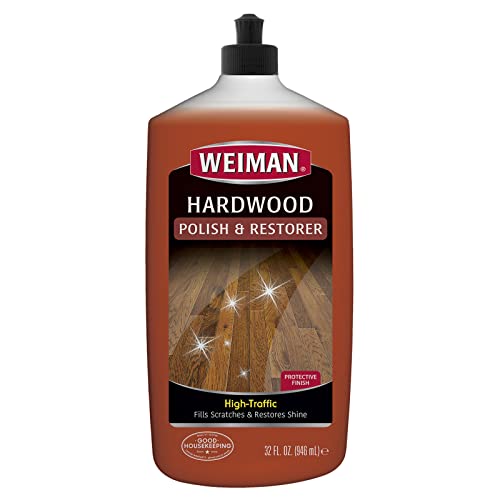
1. Weiman Wood Floor Polish and Restorer – 32 Ounce – High-Traffic Hardwood Floor
Rating: 9.1/10
Tired of dull, scratched hardwood floors? The Weiman Wood Floor Polish and Restorer is here to help! This 32-ounce bottle promises to bring back the natural shine and life to your finished hardwood surfaces, even in high-traffic areas. It’s designed to not only fix existing scratches but also prevent new ones from appearing, leaving a protective layer behind.
What We Like:
- Instantly makes finished hardwood floors look brilliant and new again.
- It extends the life of your wood floors.
- Uses special technology to fill in scratches and stop new ones from forming.
- Works on any finished hardwood surface without leaving a sticky mess.
- It’s safe to use around children and pets.
- Made in the USA.
What Could Be Improved:
- The packaging might look different than pictured.
- For the best results, you need to buy Weiman’s Hardwood Floor Cleaner separately.
This Weiman Wood Floor Polish and Restorer offers a great way to refresh your floors. It’s a practical solution for keeping your hardwood looking its best.
2. Rejuvenate All Floors Restorer Fills Scratches

Rating: 9.0/10
Tired of dull, scratched floors? The Rejuvenate All Floors Restorer is here to bring new life to your home. This amazing product works on almost any floor, from shiny hardwood to practical vinyl. It’s designed to fix those everyday scuffs and make your floors look like new again. Plus, it’s safe for your whole family, including furry friends and little ones.
What We Like:
- It works on all types of floors: hardwood, laminate, vinyl, and tile.
- You only need one coat to get great results.
- It fills in scratches and makes your floors shine.
- It provides long-lasting protection for your floors.
- It’s safe for pets and kids when you follow the instructions.
- It’s easy to use, saving you time and effort.
What Could Be Improved:
- For the best shine and protection, you need to buy Rejuvenate’s special cleaners too.
- It’s important to read and follow the directions carefully for safe and effective use.
The Rejuvenate All Floors Restorer is a fantastic way to refresh your home’s floors. Give your home a beautiful, protected look with this easy-to-use solution.
3. Bona Hardwood Floor Polish – 32 fl oz – High Gloss Shine – Polish for Wood Floors – Protects and Renews Dull Flooring – Covers 500 sq ft

Rating: 9.3/10
Revitalize your worn-out hardwood floors with Bona Hardwood Floor Polish. This 32 fl oz bottle brings a brilliant high gloss shine back to your wood, making dull floors look brand new. It’s designed to protect and renew your flooring, covering up to 500 square feet. Just remember, this is a polish, not a cleaner, and works best on unwaxed, unoiled, polyurethane finished wood floors.
What We Like:
- It brings dull wood floors back to life with a beautiful high gloss shine.
- It adds a protective layer to your floors and fills in tiny scratches, making them look smoother.
- One 32oz bottle covers a large area, about 500 square feet.
- The product is GREENGUARD certified, meaning it’s better for the air quality in your home.
- It’s safe for most finished wood floors, like those with polyurethane.
What Could Be Improved:
- This product is not a floor cleaner; you’ll need a separate cleaner for that.
- It’s specifically for unwaxed, unoiled, polyurethane finished wood floors, so it won’t work on all types.
- For the best shine, you need to use it with a specific Bona Microfiber Cleaning Pad for polish application.
Bona Hardwood Floor Polish is a fantastic way to give your tired wood floors a fresh, glossy look and add a protective shield. For a truly stunning finish, consider pairing it with the recommended Bona polish pad.
4. Weiman Hardwood Floor Cleaner and Polish Restorer Combo – 2 Pack – High-Traffic Hardwood Floor

Rating: 8.7/10
Tired of dull, scratched hardwood floors? The Weiman Hardwood Floor Cleaner and Polish Restorer Combo is here to help! This 2-pack is designed for busy homes with lots of foot traffic. It cleans your floors and brings back their natural shine. Plus, it helps hide those annoying scratches and leaves a protective layer.
What We Like:
- It uses special technology to fill in scratches. This makes them less noticeable.
- It also creates a tough layer that helps prevent new scratches.
- You can use it on any finished hardwood floor.
- It makes your floors look shiny again without feeling sticky.
- The formula is safe to use around kids and pets.
- It’s super easy to use. You just clean and protect in one step.
- It works on engineered hardwood, vinyl, and laminate floors too.
- You can even use it with refillable squirt mops.
What Could Be Improved:
- It’s only for FINISHED hardwood floors. Make sure your floors are finished before using.
This combo is a simple way to keep your floors looking their best and lasting longer. You’ll love the refreshed look and the added protection.
5. naturally it’s clean Floor Cleaner Concentrate

Rating: 8.6/10
Tired of harsh chemicals and endless scrubbing? The naturally it’s clean Floor Cleaner Concentrate is here to revolutionize your cleaning routine. This powerful, plant-based formula tackles tough messes without compromising your family’s safety or the planet’s well-being. It’s the smart choice for a sparkling clean home.
What We Like:
- Incredible Value: One bottle makes a whopping 24 gallons of cleaner. That means less money spent and fewer plastic bottles headed to the landfill.
- Naturally Powerful: Plant-based enzymes work hard to break down dirt and odors, leaving floors truly clean.
- Gentle on Floors, Tough on Grime: It cleans effectively but is pH-neutral, making it safe for all your hard floors, including wood, tile, and laminate.
- Peace of Mind Cleaning: This cleaner is biodegradable and non-toxic. It’s safe for kids and pets, so you don’t have to worry about them walking on freshly cleaned floors.
- No Sticky Residue: The no-rinse formula saves you time and effort. It dries clean and doesn’t leave behind any sticky or dulling film.
- Made in the USA: You can trust the quality and care that goes into making this cleaner right here at home.
What Could Be Improved:
- Concentrate Requires Dilution: While the value is great, you do need to mix it with water, which takes a moment.
- Scent Options: Currently, there’s only one scent profile, which might not appeal to everyone.
This cleaner offers a fantastic blend of effective cleaning, safety, and eco-friendliness. It’s a smart, economical, and responsible way to keep your floors looking their best.
Choosing the Perfect Wood for Your Hardwood Floors
Picking the right wood for your hardwood floors is a big decision. It affects how your home looks and how long your floors last. This guide helps you understand the different wood types and what makes them great.
Key Features to Look For
When you’re shopping for hardwood, keep these important features in mind:
- Hardness: This is how well the wood resists dents and scratches. A harder wood lasts longer and looks better over time. The Janka hardness scale measures this. Higher numbers mean harder wood.
- Grain Pattern: This is the way the wood’s lines run. Some woods have straight grains, while others have wavy or swirly patterns. This affects the floor’s look.
- Color: Wood comes in many natural colors, from light blonde to deep brown. Think about your room’s style and what colors you like.
- Durability: How well does the wood stand up to daily use? This includes resistance to wear, moisture, and fading.
- Stability: Some woods shrink or swell more than others with changes in humidity. Stable woods are better for floors.
Important Materials: Popular Wood Types
Different woods offer unique looks and strengths. Here are some popular choices:
- Oak: This is a very common and classic choice.
- Red Oak: Has a warm, reddish-brown color and a nice grain pattern. It’s pretty hard and durable.
- White Oak: Is a bit harder than red oak. It has a grayish-brown color and a more uniform grain. It’s also more resistant to moisture.
- Maple: This wood is known for its light color and smooth, subtle grain. It’s very hard and durable, making it great for busy homes.
- Hickory: This is one of the hardest woods available. It has a lot of color variation and a distinct grain, giving it a rustic look. It’s very tough.
- Walnut: Walnut offers a rich, dark brown color and beautiful grain patterns. It’s softer than oak or maple, so it might show dents more easily. It looks very elegant.
- Cherry: Cherry wood starts as a lighter pinkish-brown and darkens to a deep reddish-brown over time. It has a fine grain and a smooth finish. It can be a bit softer.
- Pine: This is a softer wood. It’s less expensive and easier to dent. Pine floors often have a charming, rustic look and can be painted or stained.
Factors That Improve or Reduce Quality
Several things affect the quality of your hardwood floor:
- Grade of Wood: Wood is graded based on the number of knots and imperfections.
- Clear Grade: Has very few knots and a uniform look. This is the highest quality and most expensive.
- Select Grade: Has a few small knots and some color variation. It’s still high quality.
- #1 Common Grade: Has more knots and wider color differences. It offers a more rustic appearance.
- #2 Common Grade (or Rustic): Has many knots and significant color variation. This is the most affordable and has a very natural, country feel.
- Milling and Manufacturing: How the wood is cut and finished matters. Precise milling ensures planks fit together well. A good finish protects the wood.
- Acclimation: Wood needs time to adjust to your home’s temperature and humidity before installation. This helps prevent warping or gaps.
- Installation: Proper installation by experienced professionals is crucial. This includes using the right underlayment and fasteners.
- Moisture Exposure: Too much moisture can cause wood to warp, swell, or even rot. Always clean up spills quickly.
User Experience and Use Cases
Think about how you’ll use the room when choosing your wood.
- High-Traffic Areas (Kitchens, Hallways, Living Rooms): Harder woods like Oak, Maple, or Hickory are best here. They resist wear and tear better.
- Bedrooms or Less-Used Rooms: Softer woods like Pine or even Walnut can work well. They offer beautiful looks but need more care.
- Homes with Pets or Children: Durability is key. Choose a hard wood that can handle scratches and spills. A more textured grain can also hide minor marks.
- Style and Aesthetics: Do you want a modern, clean look? Maple might be perfect. Prefer a rustic, farmhouse feel? Hickory or Pine could be your choice. Walnut offers a luxurious, classic vibe.
Choosing hardwood floors is an investment. By understanding these features and wood types, you can make a choice that brings beauty and value to your home for years to come.
Frequently Asked Questions (FAQ)
Q: What is the hardest type of wood for flooring?
A: Hickory is generally considered one of the hardest domestic hardwoods for flooring. It ranks very high on the Janka hardness scale.
Q: Is Oak a good choice for hardwood floors?
A: Yes, Oak is a very popular and excellent choice. It’s durable, comes in various styles (red and white oak), and has a beautiful grain pattern that works with many decors.
Q: How does the Janka hardness scale work?
A: The Janka hardness scale measures the resistance of wood to denting and wear. A higher number means the wood is harder and more durable.
Q: Can I install hardwood floors in my kitchen?
A: Yes, you can, but it’s important to choose a durable wood and be mindful of moisture. White Oak is a good option due to its moisture resistance. Always clean up spills right away.
Q: What is the difference between Red Oak and White Oak?
A: Red Oak has a pinkish-brown hue and a more open grain. White Oak is typically more grayish-brown, has a tighter grain, and is slightly harder and more resistant to moisture.
Q: Is Pine wood too soft for floors?
A: Pine is a softer wood and will dent and scratch more easily than hardwoods like Oak or Maple. However, many people choose Pine for its rustic charm and character, often embracing the imperfections.
Q: What does “acclimation” mean for hardwood floors?
A: Acclimation is the process of letting the wood planks adjust to the temperature and humidity of your home before installation. This helps prevent the wood from expanding or contracting too much after it’s laid, which can cause issues like gaps or warping.
Q: How do I choose the right color wood for my room?
A: Consider the existing colors in your room, the amount of natural light, and the overall style you want. Lighter woods can make a room feel bigger and brighter, while darker woods add warmth and sophistication.
Q: What is the most expensive type of hardwood flooring?
A: Exotic hardwoods from tropical regions are often the most expensive. Among domestic woods, those with premium grades (like clear grade) and unique species like Walnut can also be at the higher end of the price spectrum.
Q: How can I make my hardwood floors last longer?
A: Protect your floors by using doormats, placing felt pads on furniture legs, cleaning up spills immediately, and avoiding excessive moisture. Regular cleaning and occasional refinishing can also extend their life.
In conclusion, every product has unique features and benefits. We hope this review helps you decide if it meets your needs. An informed choice ensures the best experience.
If you have any questions or feedback, please share them in the comments. Your input helps everyone. Thank you for reading.