

Imagine this: you’re ready to cut that perfect piece of wood, but your table saw fence is wobbly. Your cuts aren’t straight, and your project looks messy. Frustrating, right? That’s a common problem woodworkers face when their table saw fence isn’t up to the job.
Choosing the right table saw fence can feel like a puzzle. There are so many types, brands, and features to consider. You want a fence that’s accurate, easy to use, and keeps your wood perfectly aligned. A good fence makes a huge difference in the quality of your woodworking projects, while a bad one can lead to wasted materials and disappointing results.
Don’t worry! This post will guide you through the world of table saw fences. We’ll break down what makes a fence great, what to look for when you’re shopping, and how to get the most out of yours. By the end, you’ll have the knowledge to pick the best fence for your needs and start making those clean, precise cuts you’ve been dreaming of.
Our Top 5 Table Saw Fence Recommendations at a Glance
Top 5 Table Saw Fence Detailed Reviews
1. Delta
Rating: 9.5/10
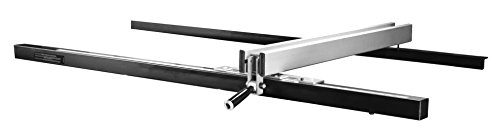
The Delta 36-T30T3 30-inch DELTA T3 Fence System is a great addition to your Delta table saw. It helps you make accurate cuts. This system makes ripping wood easier and more precise. It attaches directly to your Delta table saw.
What We Like:
- It offers a generous 30 inches of rip capacity to the right of the blade.
- The one-piece square tubular rail provides a sturdy foundation.
- The three-point locking system with twin hairline pointers ensures the fence is perfectly parallel to the blade, accurate to within 1/64 of an inch.
- The easy-gliding, steel tube fence body allows for quick, precision ripping and square cuts.
- The fence securely clamps to the front tube and hooks over the rear rail, making it easy to add fence attachments.
What Could Be Improved:
- The maximum rip to the left of the blade is limited to 13-1/2 inches.
- The fence height is only 2-1/2 inches, which might be limiting for some thicker materials.
This Delta T3 Fence System simplifies making accurate cuts on your table saw. It’s a solid choice for woodworkers who value precision.
2. BOW Products 46” XT XTENDER Fence – T-Track Table Saw Fence System with Multiple T-Slots for Woodworking Accessories – Fits Portable

Rating: 9.2/10
The BOW Products 46” XT XTENDER Fence is a versatile add-on for your table saw, bandsaw, or even portable saws. It helps you extend your cutting capabilities and improve safety and precision.
What We Like:
- This fence is super versatile! It stands 5 inches tall and has three T-slots on top for accessories like feed control aids.
- You can attach clamp slots in different spots to set it up just how you need it.
- It has a special slot to add BOW Feed Supports, which can extend your table surface for better stability and safer cuts.
- The fence is made from strong aluminum with a nice anodized finish.
- It attaches and detaches quickly using T-Track clamps (you need to buy these separately).
- The multiple T-slots along the fence let you add other safety accessories like featherboards or stops.
- It works with Delta UniFence and Harvey fences for an even quicker setup.
What Could Be Improved:
- You need to buy the T-Track clamps separately, which is an extra cost.
- The feed support accessory is also sold separately, so you’ll need to invest in that to get the full benefit of extending your table.
Overall, the BOW XT XTENDER Fence is a smart investment for woodworkers looking to enhance their saw’s performance and safety. It offers great flexibility and makes it easier to handle longer pieces of wood.
3. VEVOR Precision Miter Gauge

Rating: 9.3/10
The VEVOR Precision Miter Gauge is a fantastic tool for anyone serious about woodworking. It’s designed to fit most standard table saws and helps you make incredibly accurate angle cuts. Whether you’re a beginner or an experienced woodworker, this miter gauge will make your projects much easier and more precise.
What We Like:
- It fits most table saws with standard 3/4″ x 3/8″ slots.
- You can make very precise angle cuts thanks to its 15 angle stops.
- It comes partially assembled, so setup is quick and easy.
- The adjustable plunger ensures a snug fit in your table saw’s slot.
- It’s built tough with an aluminum alloy body and laser-etched markings for long-lasting accuracy.
What Could Be Improved:
- It’s always a good idea to double-check your table saw’s slot size before buying, just to be sure.
This VEVOR miter gauge is a solid investment for any woodworker looking to improve their cutting accuracy. It’s built to last and makes achieving perfect angles simpler than ever.
4. Woodpeckers Auxiliary Rip Fence

Rating: 9.2/10
The Woodpeckers 36-Inch Auxiliary Rip Fence is a handy tool for woodworkers. It helps you make more accurate cuts on your table saw. This fence extension is perfect for smaller saws, like those you might use on a job site. It also works on band saws, router tables, and older contractor saws. You can use it to support wood on both the front and back of your saw blade. This makes your cuts much steadier.
What We Like:
- It’s 36 inches long, which is great for many saws.
- The fence is 3-1/2 inches tall, giving good support.
- It has T-track slots built in for attaching other accessories.
- The two 7-inch material supports add extra stability.
- It installs quickly without needing to change your saw’s fence.
- The clamping blocks and fence are exactly 2 inches thick.
- It’s made in the USA, meaning good quality.
What Could Be Improved:
- Standard track clamps are not included with the fence.
This Woodpeckers rip fence makes your cuts safer and more precise. It’s a solid addition to any workshop, especially for those with compact table saws.
5. Vega U26 Table Saw Fence System: 36-Inch Fence Bar
Rating: 9.2/10
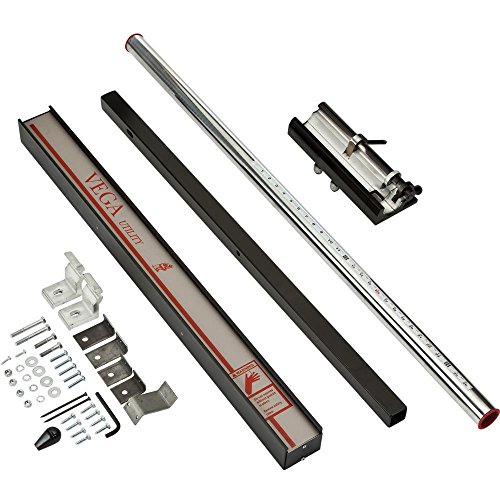
Upgrade your woodworking with the Vega U26 Table Saw Fence System. This system gives you more control when cutting wood. It fits many different table saws, making it a versatile choice for many woodworkers. The long fence bar helps you make precise cuts every time.
What We Like:
- The 36-inch fence bar offers a generous cutting capacity, with 26 inches to the right and 8 inches to the left of the blade.
- Micro-adjustment knobs allow for very fine tuning, helping you achieve perfect accuracy.
- The auxiliary table support provides extra stability for your workpiece.
- Its sturdy steel construction promises long-lasting durability.
- It fits a variety of table saws, which is a big plus.
What Could Be Improved:
- Assembly is required, which takes extra time and effort.
- The system weighs 34 pounds, so it might be a bit heavy for some users to move around.
The Vega U26 is a solid upgrade for any woodshop, offering precision and support. It’s a great investment for woodworkers who value accuracy in their projects.
Choosing the Best Table Saw Fence: Your Ultimate Guide
A table saw fence is a crucial part of your woodworking setup. It guides your wood for straight, accurate cuts. A good fence makes all the difference between frustrating mistakes and beautiful projects. Let’s explore what makes a great table saw fence.
Key Features to Look For
When you’re shopping for a table saw fence, keep these important features in mind.
Accuracy and Stability
- Locking Mechanism: The fence needs to lock firmly in place. You don’t want it to move even a little bit while you’re cutting. A strong, easy-to-use locking system is key. Some fences use a lever, while others have a cam lock.
- Parallelism: The fence must be perfectly parallel to the saw blade. This ensures your cuts are straight and square. Look for fences that allow for easy adjustments to maintain this parallelism.
- Smooth Movement: The fence should slide smoothly along the table saw’s guide rails. This makes it easy to set your desired cut width. No one wants to fight with their fence.
Fence System Design
- Fence Rail Length: A longer fence rail generally provides more support and stability, especially for wider boards. Make sure the rail system is long enough for the types of projects you plan to do.
- Fence Face Width: A wider fence face gives more support to the workpiece. This is especially helpful when cutting tall or thin pieces.
- Scales and Markings: Clear, easy-to-read markings on the fence are a big help. They let you quickly set your fence to a specific measurement without needing a separate tape measure every time.
Important Materials
The materials used in a table saw fence affect its durability and performance.
- Aluminum: Many high-quality fences use extruded aluminum. It’s strong, lightweight, and resists rust. This makes it a popular choice for durable fence systems.
- Steel: Some fence components, like the rails, might be made of steel. Steel offers excellent strength and rigidity.
- Plastic or Composite: Some parts, like the scale markings or handle grips, might be made of durable plastic or composite materials. These are often chosen for their ease of use and resistance to wear.
Factors That Improve or Reduce Quality
Several things can make a fence great or not so great.
Improving Quality
- Precision Engineering: Fences made with tight tolerances and precise manufacturing are more accurate. This means they align better with the blade and stay put.
- Robust Construction: A fence that feels solid and well-built will perform better. It won’t flex or vibrate during use.
- User-Friendly Adjustments: Simple, intuitive ways to adjust and lock the fence make your woodworking experience much more enjoyable.
Reducing Quality
- Warping or Bending: If the fence material isn’t strong enough, it can warp or bend over time. This leads to inaccurate cuts.
- Sticky or Stiff Movement: A fence that doesn’t slide smoothly is frustrating. It can make setting up cuts difficult and time-consuming.
- Inaccurate Scales: Faded or poorly marked scales can lead to measurement errors. This defeats the purpose of having a fence.
User Experience and Use Cases
How you use your table saw fence matters.
Ease of Use
A good fence makes your woodworking tasks easier. You can quickly set up for different cuts. It gives you confidence in your measurements. A fence that’s hard to adjust or lock can slow you down and cause frustration.
Common Use Cases
- Ripping Lumber: This is the most common use. You cut long strips of wood to a specific width. A good fence ensures these strips are all the same width.
- Crosscutting: While less common for a fence, some setups allow for crosscutting with a miter gauge. A stable fence helps keep things aligned.
- Making Jigs: Woodworkers often build custom jigs to help with specific cuts. A reliable fence is essential for creating accurate jigs.
- Cabinet Making: For projects like cabinets, precise, repeatable cuts are vital. A quality fence makes this possible.
Frequently Asked Questions About Table Saw Fences
Q: What is the most important feature of a table saw fence?
A: The most important feature is its ability to lock securely and remain perfectly parallel to the saw blade. This ensures accurate and straight cuts every time.
Q: Can I upgrade the fence on my existing table saw?
A: Yes, many table saws allow for fence upgrades. You can often buy aftermarket fence systems that offer better accuracy and features than the original.
Q: How do I know if my fence is parallel to the blade?
A: You can check this with a dial indicator or a machinist’s square. Measure the distance from the fence to the blade at the front and back of the blade. The distances should be the same.
Q: What is a “be-all and end-all” fence system?
A: This term refers to a fence system that is considered the best or most complete. It usually offers excellent precision, stability, and ease of use.
Q: How does fence material affect performance?
A: Stronger, more stable materials like aluminum and steel resist warping and flexing, leading to more accurate cuts. Less stable materials can cause issues.
Q: Is a longer fence rail always better?
A: A longer rail generally offers more support, especially for wider boards. However, it needs to be well-engineered to maintain its own stability.
Q: What does “smooth movement” mean for a fence?
A: It means the fence glides easily along its rails without sticking or binding. This makes it quick and simple to set your desired cut width.
Q: Can a cheap fence ruin my projects?
A: A poor-quality fence can definitely lead to inaccurate cuts, wasted wood, and frustration. It can make it very difficult to achieve good results.
Q: What’s the difference between a fence and a miter gauge?
A: The fence guides the wood along the length of the blade for ripping. A miter gauge slides in a slot on the table and holds the wood for crosscuts.
Q: How often should I check my fence for alignment?
A: It’s a good practice to check your fence alignment periodically, especially if you move your saw or notice any changes in your cuts. Some woodworkers check it before every major project.
In conclusion, every product has unique features and benefits. We hope this review helps you decide if it meets your needs. An informed choice ensures the best experience.
If you have any questions or feedback, please share them in the comments. Your input helps everyone. Thank you for reading.