
Ever find yourself staring at a wall of shiny metal discs, each promising a perfect cut, but none of them making sense? You’re not alone! Choosing the right table saw blade can feel like navigating a maze, and the wrong one can turn a smooth woodworking project into a frustrating mess of splintered wood and crooked lines.
The truth is, your table saw blade is the heart of your machine. It’s the part that actually does the cutting, and its performance directly impacts the quality of your work. A dull or incorrect blade can lead to kickback, which is dangerous, or make your cuts look rough and unprofessional. This can slow down your projects and even lead to wasted materials and money.
But don’t worry! By the end of this post, you’ll understand the different types of table saw blades and know exactly which one is best for your next project. We’ll break down the jargon and give you the confidence to pick the perfect blade every time, so you can get back to making sawdust and creating amazing things.
Our Top 5 Table Saw Blades Recommendations at a Glance
Top 5 Table Saw Blades Detailed Reviews
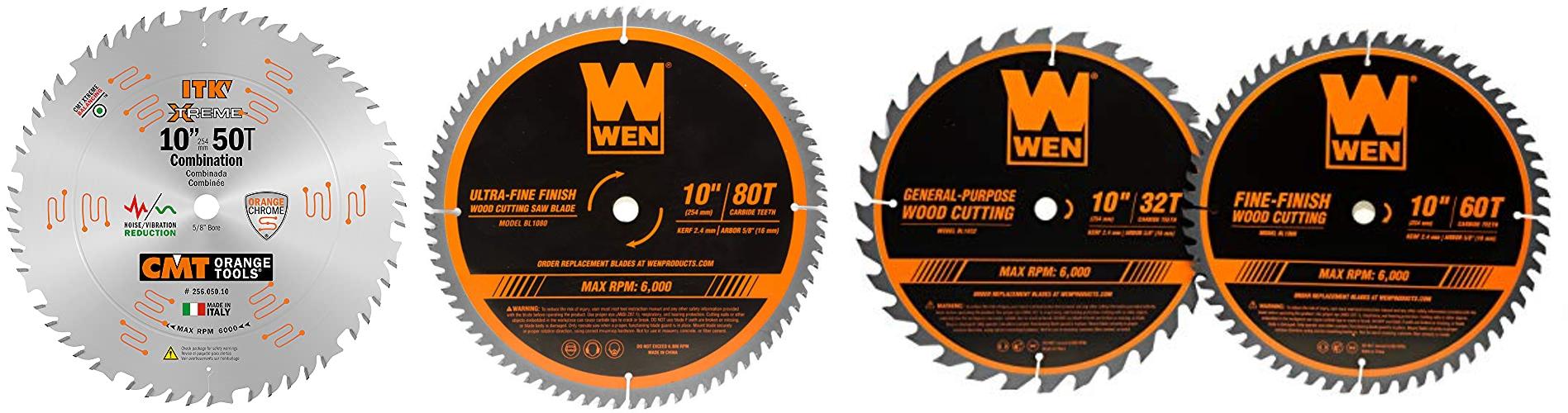
1. CMT 256.050.10 ITK XTreme Industrial Combination Saw Blade

Rating: 9.2/10
Meet the CMT 256.050.10 ITK XTreme Industrial Combination Saw Blade, a 10-inch powerhouse with 50 teeth designed for tough jobs. This blade tackles both rip and crosscuts with ease. Its big gullets help clear out wood chips, so you can make deep, clean cuts. It works great on solid wood, melamine, laminates, plywood, and chipboard. You can use it on your radial arm saw, miter saw, or table saw. The blade is made with special micrograin carbide, which stays sharp for a long time and leaves your cuts super smooth. Plus, the laser-cut plate has special slots that cut down on noise and keep the blade steady. This means less vibration for you and a better cut.
What We Like:
- Versatile for rip and crosscuts on many wood types.
- Large gullets provide excellent chip clearance for deep cuts.
- Micrograin carbide ensures long-lasting sharpness and smooth finishes.
- Laser-cut plate with expansion slots reduces noise and vibration.
- Works on various saw types like radial arm, miter, and table saws.
What Could Be Improved:
- The 0.098 kerf thickness might be a bit thick for very fine, delicate cuts where material waste is a major concern.
This CMT saw blade delivers impressive performance for a wide range of woodworking tasks. It’s a reliable tool that helps you achieve professional results.
2. WEN BL1080 10-Inch 80-Tooth Carbide-Tipped Ultra-Fine Finish Professional Woodworking Saw Blade for Miter Saws and Table Saws

Rating: 9.1/10
The WEN BL1080 10-Inch 80-Tooth Carbide-Tipped Ultra-Fine Finish Professional Woodworking Saw Blade is a top-notch tool for any woodworker. It’s built for precision and delivers a super smooth finish on your projects. This blade is designed to work with most 10-inch miter saws and table saws, making it a versatile addition to your workshop.
What We Like:
- It has an ultra-thin kerf that wastes less wood and makes cutting easier.
- The 80 carbide-tipped teeth give you an incredibly fine finish, meaning less sanding.
- It slices through both hard and soft woods with ease.
- The blade is rated for up to 6000 RPM, so it can handle tough jobs.
- It fits most standard 10-inch miter saws and table saws.
What Could Be Improved:
- For very thick hardwoods, a blade with fewer teeth might be slightly faster, though this one excels at finish quality.
If you want clean, smooth cuts on your woodworking projects, this WEN saw blade is an excellent investment. It helps you achieve professional results with less effort.
3. WEN BL1032-2 10-Inch 32-Tooth and 60-Tooth Carbide-Tipped Professional Woodworking Saw Blade Set

Rating: 8.7/10
Upgrade your woodworking game with the WEN BL1032-2 10-Inch 32-Tooth and 60-Tooth Carbide-Tipped Professional Woodworking Saw Blade Set. This two-pack offers incredible versatility for all your cutting needs. You get a 32-tooth blade, perfect for general woodcutting tasks. Plus, there’s a 60-tooth blade designed for super smooth, fine-finish woodworking. Both blades are 10 inches in diameter and fit most 10-inch saws, including miter saws, jobsite saws, and table saws.
What We Like:
- Two blades in one pack give you options for different jobs.
- The 32-tooth blade handles general cutting well.
- The 60-tooth blade makes very clean cuts for fine work.
- The blades are thin, which means less wood is wasted and cuts are efficient.
- They work on both hard and soft woods.
- They fit most common 10-inch saws.
- The carbide tips are strong and last a long time.
- You can spin them up to 6000 RPM, which is fast and gets the job done quickly.
What Could Be Improved:
- The 5/8-inch arbor size might not fit very old or unusual saws.
- For extremely thick lumber, the ultra-thin kerf might require slower feed rates.
This WEN saw blade set is a fantastic value for any woodworker. It provides the right tool for almost any 10-inch sawing project.
4. DEWALT Table Saw Blade

Rating: 8.7/10
The DEWALT Table Saw Blade, 10″, 40 Tooth, with Fine Finish, Ultra Sharp Carbide (DWA11040) is a fantastic tool for anyone looking for clean, precise cuts. This blade is designed to last and deliver excellent results, making your woodworking projects easier and more enjoyable. It’s built with high-quality materials to ensure durability and performance.
What We Like:
- UP TO 3X LIFE*: This blade lasts a long time. You won’t have to replace it as often.
- Optimized Tooth Geometry Designed For Increased Accuracy: The teeth are shaped just right. This helps you make very accurate cuts every time.
- Ultra Sharp Carbide for Clean Cutting: The carbide on the teeth is super sharp. It cuts through wood smoothly without splintering.
- It makes your cuts look professional.
What Could Be Improved:
- While it’s great for fine finishes, it might not be the best choice for very rough cuts where speed is more important.
- The “ultra sharp” nature means you need to handle it with care to avoid nicks.
This DEWALT blade is a solid investment for any woodworker. It helps you achieve professional-looking results with less effort.
5. Luckyway 10 Inch Table Saw Blade/Miter Saw Blade for Ultra-Nice Wood Cutting in Construction

Rating: 9.5/10
Achieve incredibly smooth wood cuts with the Luckyway 10 Inch Table Saw Blade/Miter Saw Blade two-pack. This set includes a 32-tooth blade for efficient ripping and a 60-tooth blade for a super-fine finish. They’re built tough for construction projects and can handle a wide variety of materials.
What We Like:
- You get two blades: one for rougher cuts (32-tooth) and one for smooth, clean edges (60-tooth).
- These blades work on many materials like softwoods, hardwoods, plywood, and even some plastics and FRP.
- The steel blade body is strong and stays straight for accurate cuts, preventing bending.
- The special tooth design (ATB) scores the wood first, which greatly reduces splintering for a nicer finish.
- Tungsten carbide teeth are tough and resist heat, making the blades last longer and cut faster.
- The positive cutting angle helps clear away wood dust and chips quickly.
What Could Be Improved:
- While great for most construction jobs, they might not be the absolute best for extremely delicate fine woodworking.
- The “ultra-nice” finish might require some practice to achieve perfectly on very difficult materials.
This Luckyway blade set offers excellent value and performance for most construction cutting needs. You’ll be impressed with the quality of your cuts.
Choosing the Right Table Saw Blade: A Guide for Sharper Cuts
What makes a table saw blade good?
A good table saw blade cuts smoothly. It makes clean lines. It doesn’t tear the wood. You want a blade that lasts a long time. It should also be safe to use.
Key Features to Look For:
1. Tooth Count:
The number of teeth on a blade matters. More teeth mean smoother cuts. Fewer teeth cut faster. For general woodworking, a blade with 40-60 teeth is a good start. For very fine cuts, like plywood, use a blade with more teeth, maybe 80. If you need to rip through lumber quickly, fewer teeth (24-30) work well.
2. Blade Kerf:
Kerf is the width of the cut the blade makes. A thin kerf blade cuts with less wood waste. It also requires less power from your saw. A standard kerf blade is thicker. It can be more durable. For most home projects, thin kerf is a great choice.
3. Blade Material:
The material of the blade affects its hardness and how long it stays sharp. High-speed steel (HSS) is common. It’s affordable. However, it can dull faster. Tungsten carbide is much harder. It keeps its sharp edge longer. Most good blades use carbide-tipped teeth.
4. Blade Diameter:
Table saws come in different sizes. The most common is 10 inches. Make sure the blade you buy matches your saw’s size. Using the wrong size can be dangerous.
5. Tooth Grind:
The shape of the teeth affects the cut. Common grinds include:
- ATB (Alternate Top Bevel): Good for ripping and crosscutting. It leaves a clean cut.
- FTG (Flat Top Grind): Best for ripping thick lumber. It’s very durable.
- TCG (Triple Chip Grind): Excellent for hard materials like laminate and melamine. It cuts through them easily.
Important Materials:
Most quality table saw blades have teeth made of **tungsten carbide**. This is a very hard material. It resists wear and stays sharp longer than regular steel. The blade body is usually made of **high-strength steel**. This steel needs to be strong and resistant to bending.
Factors That Improve or Reduce Quality:
Improving Quality:
- **Carbide Quality:** The better the quality of the carbide tips, the longer the blade will stay sharp.
- **Blade Balance:** A well-balanced blade vibrates less. This leads to cleaner cuts and less wear on your saw.
- **Heat Treatment:** Proper heat treatment of the blade body makes it stronger and less likely to warp.
- **Number of Teeth:** As mentioned, more teeth generally mean a smoother finish.
Reducing Quality:
- **Cheap Carbide:** Low-quality carbide tips dull quickly.
- **Poor Balance:** An unbalanced blade shakes a lot. This makes cuts rough and can damage your saw.
- **Thin Blade Body:** A blade body that is too thin can flex and cause inaccurate cuts.
- **Incorrect Tooth Grind:** Using the wrong tooth grind for the material can lead to tear-out and poor results.
User Experience and Use Cases:
Choosing the right blade makes a big difference. If you are a beginner, a general-purpose blade is a good start. It can handle most tasks. For cabinet makers or people who work with plywood a lot, a blade designed for plywood will give you splinter-free edges. If you often cut hardwoods, you need a blade that can handle the density. A blade with more teeth and good carbide will make your work easier and safer.
Frequently Asked Questions (FAQ)
Q: What is the most common table saw blade size?
A: The most common table saw blade size is 10 inches in diameter.
Q: How often should I replace my table saw blade?
A: You should replace your blade when it becomes dull. Signs include rough cuts, burning wood, and the saw struggling to cut.
Q: Can I use a blade with more teeth for ripping lumber?
A: While more teeth give a smoother finish, fewer teeth are better for fast ripping of thick lumber. For ripping, a blade with 24-30 teeth is often recommended.
Q: What is the difference between a thin kerf and a standard kerf blade?
A: A thin kerf blade cuts a narrower path, wasting less wood and requiring less power. A standard kerf blade is thicker and generally more durable.
Q: Is tungsten carbide better than high-speed steel for table saw blades?
A: Yes, tungsten carbide is much harder and stays sharp longer than high-speed steel. Most good blades use carbide-tipped teeth.
Q: How do I know if my blade is balanced?
A: A well-balanced blade runs smoothly with little vibration. If you notice excessive shaking, the blade might be unbalanced.
Q: What kind of blade should I use for cutting plywood?
A: For plywood, use a blade with a high tooth count (60-80 teeth) and an ATB (Alternate Top Bevel) grind. This helps prevent splintering.
Q: Can I sharpen my own table saw blades?
A: Some people can sharpen blades, but it requires special equipment and skill. It’s often more cost-effective to buy a new blade or have it professionally sharpened.
Q: What does “kerf” mean?
A: Kerf is the width of the cut that a saw blade makes through the material.
Q: Should I buy a blade with more or fewer teeth for crosscutting?
A: For crosscutting, a higher tooth count (around 60 teeth) generally provides a cleaner, smoother cut with less tear-out.
In conclusion, every product has unique features and benefits. We hope this review helps you decide if it meets your needs. An informed choice ensures the best experience.
If you have any questions or feedback, please share them in the comments. Your input helps everyone. Thank you for reading.