
Imagine capturing photos so clear and detailed, they look like you can reach out and touch them. That’s the magic of a full-frame camera. But when it comes to Sony’s full-frame lineup, the choices can feel overwhelming. Do you need the latest model, or will an older one do the job? What about all those confusing numbers and letters in the names?
Choosing the perfect Sony full-frame camera can feel like navigating a maze. You want stunning images, but you also don’t want to waste money on features you’ll never use. This can lead to frustration and doubt. But what if you could cut through the noise and find the camera that’s just right for you?
In this post, we’re going to break down what makes Sony’s full-frame cameras so special. We’ll explore the key differences between popular models, helping you understand what each one offers. By the end, you’ll feel much more confident about picking the Sony full-frame camera that will help you create your best photos yet.
Our Top 5 Sony Full Frame Camera Recommendations at a Glance
Top 5 Sony Full Frame Camera Detailed Reviews
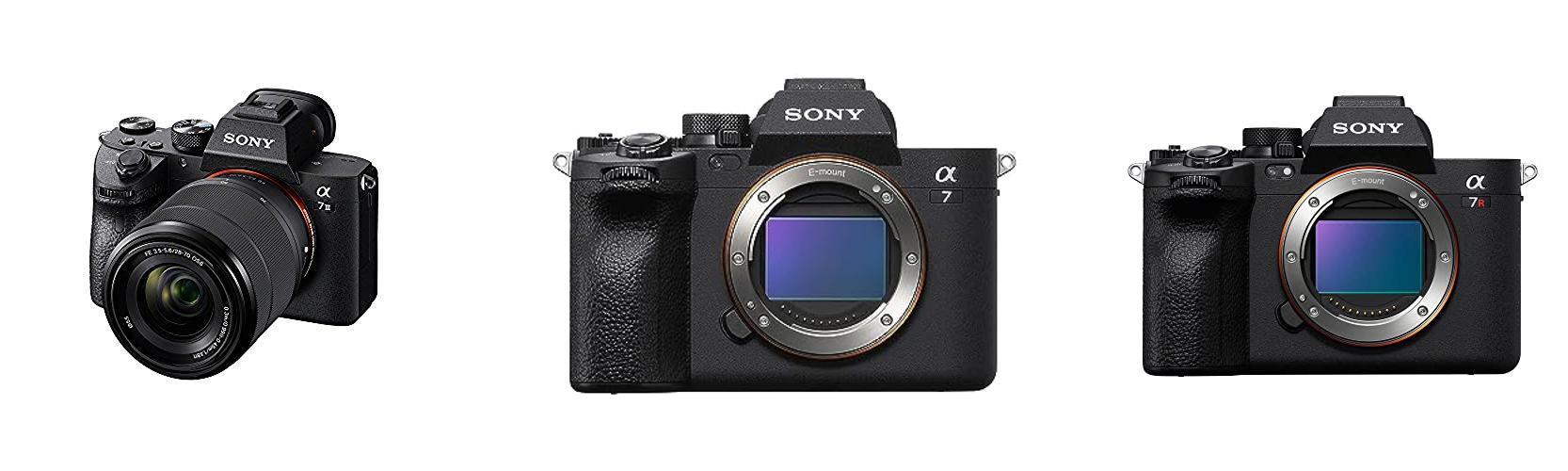
1. Sony a7 III (ILCEM3K/B) Full-frame Mirrorless Interchangeable-Lens Camera with 28-70mm Lens with 3-Inch LCD

Rating: 9.3/10
Get ready to capture amazing photos and videos with the Sony a7 III (ILCEM3K/B) Full-frame Mirrorless Camera. This camera comes with a versatile 28-70mm lens, making it a fantastic choice for beginners and experienced photographers alike. Its advanced 24.2MP full-frame sensor delivers stunning detail and vibrant colors, even in challenging lighting conditions. Plus, its compact and lightweight design makes it easy to take anywhere your adventures lead you.
What We Like:
- The 24.2MP back-illuminated full-frame sensor captures incredibly detailed images.
- It offers a wide dynamic range of 15 stops, meaning your photos will have great contrast.
- You can shoot up to 10 frames per second, perfect for action shots.
- The autofocus system is fast and covers 93% of the image area.
- It comes with a useful 28-70mm lens right out of the box.
- The camera is relatively lightweight and easy to handle.
What Could Be Improved:
- The menu system can sometimes feel a bit complex.
- While good, the included 28-70mm lens might be limiting for advanced users who need more specialized lenses.
- The 3-inch LCD screen is fixed and doesn’t tilt or swivel, which can be inconvenient for certain shooting angles.
Overall, the Sony a7 III is a powerful and versatile camera that offers excellent image quality and performance. It’s a solid choice for anyone looking to step up their photography game.
2. Sony Alpha 7 IV Full-frame Mirrorless Interchangeable Lens Camera

Rating: 8.7/10
The Sony Alpha 7 IV is a fantastic camera that lets you take amazing photos and videos. It has a special sensor that captures lots of detail. This camera is great for people who love to create.
What We Like:
- The 33-megapixel sensor takes super clear pictures.
- It has a really fast processor, the BIONZ XR, which makes everything work smoothly.
- You can shoot videos in high quality, like 4K at 60 frames per second. This means your videos look very smooth.
- It offers special video settings, like 7K oversampling for 4K video, which makes the colors look even better.
- The S-Cinetone color profile makes your videos look beautiful without needing lots of editing.
- The camera works well in a temperature range from 0 to 40 degrees Celsius.
What Could Be Improved:
- The power input is rated for 100-240V, 50/60Hz, 0.2A, which is standard but worth noting for international travel.
This camera is a powerhouse for both photography and videography. It helps you capture your vision with stunning quality and ease.
3. Sony Alpha 7R V Full-Frame Mirrorless Interchangeable Lens Camera

Rating: 8.7/10
The Sony Alpha 7R V Full-Frame Mirrorless Interchangeable Lens Camera is a powerhouse for photographers and filmmakers. It brings a whole new level of smarts with its AI processing unit. This camera uses deep learning AI for amazing autofocus. It captures incredible detail with its 61.0 MP sensor. The powerful engine makes everything run super fast. Plus, it’s fantastic for making movies with its high-quality video recording.
What We Like:
- New AI processing unit makes the camera super smart.
- Next-generation autofocus with Real-time Recognition is incredibly accurate.
- 61.0 MP full-frame sensor captures stunning detail in photos.
- The BIONZ XR engine speeds up processing significantly.
- Excellent 8K and 4K video recording options for filmmakers.
- The aspect ratio is 3:2, which is great for many types of shots.
What Could Be Improved:
- The advanced features might be a bit complex for beginners.
- High-resolution files can take up a lot of storage space.
- The price point may be high for some hobbyists.
This camera is an excellent choice for anyone serious about photography and videography. It offers professional-level features in a user-friendly package.
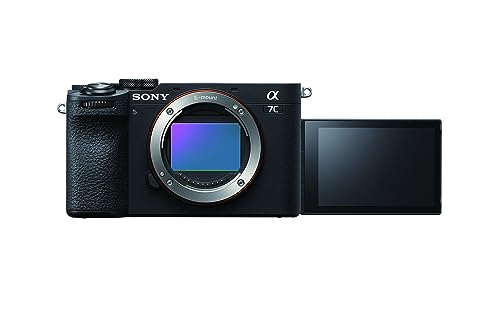
4. Sony Alpha 7C II Full-Frame Interchangeable Lens Camera – Black
Rating: 9.0/10
The Sony Alpha 7C II is a full-frame camera that’s super small and light. It’s packed with amazing features for taking awesome photos and videos. You can easily carry it around wherever you go.
What We Like:
- It’s incredibly compact and lightweight, making it easy to hold and travel with.
- It packs full-frame performance, meaning your pictures will look really good.
- The 33.0MP full-frame Exmor R CMOS sensor captures lots of detail.
- The BIONZ XR processing power makes images sharp and clear.
- A special AI Processor helps the camera recognize and follow subjects automatically.
- It shoots outstanding 4K movies with rich colors, even when things are moving fast.
What Could Be Improved:
- Some users might want more physical buttons for quick adjustments.
- The menu system can be a bit complex for beginners.
This camera is a fantastic option for anyone who wants great image quality in a small package. It’s ready to capture your adventures, big or small.
5. Sony Alpha a7 II Full Frame Mirrorless Digital Camera Body Only – ILCE-7M2/B (Renewed)

Rating: 8.8/10
The Sony Alpha a7 II Full Frame Mirrorless Digital Camera Body Only – ILCE-7M2/B (Renewed) is a fantastic option for photographers looking to step into the world of full-frame imaging without breaking the bank. This camera body lets you choose your own perfect lens, giving you lots of creative freedom. It’s a great way to get high-quality photos and videos.
What We Like:
- Full-frame sensor delivers amazing image quality.
- Built-in 5-axis image stabilization helps you get sharp shots, even in low light.
- It’s a renewed product, which often means a better price.
- Compact and lightweight design makes it easy to carry around.
- You can use a huge variety of lenses with this camera.
What Could Be Improved:
- The autofocus system is good, but newer models are faster.
- Battery life could be better, so you might need an extra battery.
- The menu system can be a little complex at first.
This renewed Sony Alpha a7 II offers a lot of power for its price. It’s an excellent camera for both beginners and experienced photographers who want a versatile full-frame option.
Your Guide to Sony Full-Frame Cameras
So, you’re thinking about stepping up your photography game with a Sony full-frame camera. That’s exciting! These cameras capture amazing detail and work great in low light. Let’s explore what makes them special and help you choose the right one.
Why Choose a Sony Full-Frame Camera?
Full-frame cameras have a larger sensor than other types. This means they capture more light and detail. Sony is a leader in this technology, offering cameras with incredible image quality and advanced features.
Key Features to Look For
When you’re looking at Sony full-frame cameras, keep these important features in mind:
- **Sensor Size:** All Sony full-frame cameras have a full-frame sensor. This is the main thing that makes them “full-frame.”
- **Megapixels:** This tells you how many tiny dots (pixels) make up your picture. More megapixels mean more detail, which is good for big prints or cropping.
- **Autofocus System:** A fast and accurate autofocus system helps you get sharp shots, especially of moving subjects. Sony’s autofocus is known for being top-notch.
- **Image Stabilization:** This feature helps reduce blur from shaky hands. It’s a big help when shooting in low light or with longer lenses.
- **Video Capabilities:** If you want to shoot videos, check the camera’s resolution (like 4K) and frame rates.
- **ISO Range:** A higher ISO range lets you shoot in darker places without making your photos too grainy.
- **LCD Screen:** A tilting or fully articulating screen makes it easier to shoot from different angles.
- **Build Quality:** A sturdy camera body can handle different weather conditions and everyday use.
Important Materials
Most Sony full-frame cameras use strong materials.
- **Magnesium Alloy:** Many higher-end models use magnesium alloy for their bodies. This makes them light but very strong and durable.
- **Weather Sealing:** Some cameras have weather sealing. This protects them from dust and moisture, so you can shoot in light rain or windy conditions.
Factors That Improve or Reduce Quality
Several things affect the quality of the photos you take.
Factors That Improve Quality:
- **Larger Sensor:** As we mentioned, the full-frame sensor is the biggest factor. It naturally captures more light and detail.
- **Good Lens:** Even the best camera needs a good lens. A high-quality lens will make your images sharper and more vibrant.
- **Proper Exposure:** Getting the right amount of light in your photo is crucial. This involves setting your aperture, shutter speed, and ISO correctly.
- **Sharp Focus:** Making sure your subject is in focus is essential for clear images.
Factors That Can Reduce Quality:
- **Low Light Noise:** Shooting in very dark conditions at high ISO settings can make photos look grainy.
- **Camera Shake:** If the camera moves while you take a picture, your photo will be blurry.
- **Poor Lighting:** Bad lighting can make colors look dull or create harsh shadows.
- **Dirty Sensor or Lens:** Dust on the sensor or lens can show up as spots in your photos.
User Experience and Use Cases
Sony full-frame cameras are used by many types of photographers:
- **Professional Photographers:** They rely on these cameras for their amazing image quality and reliability in demanding situations.
- **Enthusiast Photographers:** People who love photography and want to take their skills to the next level often choose full-frame.
- **Videographers:** The advanced video features make them a popular choice for creating high-quality videos.
These cameras are great for many types of photography, like portraits, landscapes, wildlife, sports, and even astrophotography. Their low-light performance is a big plus for capturing the stars or dimly lit scenes.
Frequently Asked Questions (FAQ)
Q: What is a “full-frame” camera?
A: A full-frame camera has a sensor that is the same size as a traditional 35mm film frame. This larger sensor captures more light and detail, leading to better image quality, especially in low light.
Q: Are Sony full-frame cameras good for beginners?
A: While they offer advanced features, many Sony full-frame cameras have user-friendly modes and interfaces that can help beginners learn. However, they do have a steeper learning curve than simpler cameras.
Q: What is the difference between Sony Alpha a7 and a9 series?
A: The a7 series generally offers a balance of features for a wide range of photography, while the a9 series is typically designed for speed and professional sports/wildlife photography, often featuring faster burst rates and more advanced autofocus.
Q: Do I need a special lens for a Sony full-frame camera?
A: Yes, you need lenses designed for full-frame Sony E-mount cameras. While some APS-C lenses might work, they will crop the image, reducing the benefit of the full-frame sensor.
Q: How many megapixels do I really need?
A: For most people, 24-36 megapixels is plenty for great photos. More megapixels are useful if you plan to make very large prints or crop your images a lot.
Q: Is image stabilization built into all Sony full-frame cameras?
A: Many Sony full-frame cameras have in-body image stabilization (IBIS). However, it’s not on every single model, so check the specifications.
Q: How does ISO affect image quality?
A: ISO controls how sensitive the camera sensor is to light. A higher ISO lets you shoot in darker conditions, but it can also introduce “noise” or grain into your photos, reducing quality.
Q: What does “weather sealing” mean for a camera?
A: Weather sealing means the camera is built to resist dust and moisture. It’s helpful for shooting in light rain or dusty environments, but it doesn’t make the camera waterproof.
Q: Can I use my old Sony lenses on a new full-frame camera?
A: If your old lenses are for Sony E-mount, they will likely work. However, if they are for older Sony A-mount, you might need an adapter.
Q: Are Sony full-frame cameras worth the extra cost?
A: For photographers who want the best image quality, low-light performance, and advanced features, Sony full-frame cameras are often considered a worthwhile investment.
In conclusion, every product has unique features and benefits. We hope this review helps you decide if it meets your needs. An informed choice ensures the best experience.
If you have any questions or feedback, please share them in the comments. Your input helps everyone. Thank you for reading.