
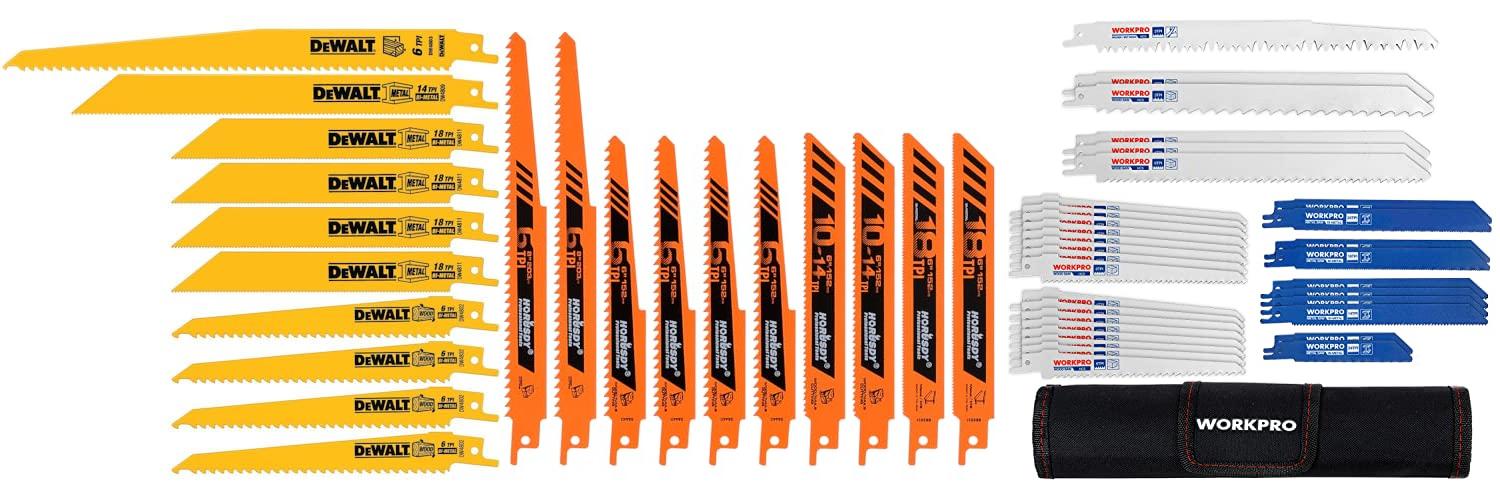
Ever stared at a pile of different reciprocating saw blades, feeling completely lost? You’re not alone. Choosing the right blade can feel like a puzzle. Each one looks similar, but they can cut through materials very differently. This is where many DIYers and pros get stuck, wasting time and money on blades that just don’t do the job right. A dull or incorrect blade can make a simple task frustratingly difficult, leading to ragged cuts and a lot of extra effort.
But what if you could confidently pick the perfect blade for any project? What if you knew exactly which blade would slice through wood like butter, or cleanly cut through metal without a fight? By the end of this post, you’ll have that knowledge. We’re going to break down the world of reciprocating saw blades, making it simple to understand. Get ready to learn how to choose the best blade for your needs, so you can tackle any cutting job with ease and get fantastic results every time.
Our Top 5 Recip Saw Blades Recommendations at a Glance
Top 5 Recip Saw Blades Detailed Reviews
1. DEWALT Reciprocating Saw Blades

Rating: 9.2/10
Tackle a variety of cutting jobs with the DEWALT Reciprocating Saw Blades, 10 Piece Combination Set (DW4898). This set gives you different blade sizes for common tasks. It’s a handy collection for any DIYer or professional.
What We Like:
- The combination set offers a good mix of blades for different jobs. You get blades for wood, metal, and general cutting.
- The tough case keeps your blades organized and protected. It’s designed to fit right into your power tool kit box, so you can easily grab what you need.
- Bi-metal construction makes these blades strong and flexible. They bend without breaking and stay sharp for a long time.
- You get a long-lasting cutting edge. This means fewer blade changes and more efficient work.
What Could Be Improved:
- While the set is great for common tasks, some very specialized cutting jobs might require individual blades not included here.
- The case is tough, but for extremely heavy-duty industrial use, a more robust, metal-reinforced case might be preferred by some.
This DEWALT blade set offers great value and versatility. It’s a smart addition to any toolbox for getting more cutting done.
2. HORUSDY 10-Piece Reciprocating Saw Blades Set

Rating: 9.0/10
Tackle a wide range of cutting jobs with the HORUSDY 10-Piece Reciprocating Saw Blades Set. This set gives you a great mix of blades for different materials, making it a handy addition to your toolbox.
What We Like:
- It’s a combination set with blades for common uses.
- You can use these blades on metal, plastic, wood, and drywall.
- The blades are made of good quality carbon steel.
- They help you cut wood and prune branches quickly.
- These blades work with most popular reciprocating saw brands like Porter & Cable.
- The set includes 10 blades for everyday cutting tasks.
What Could Be Improved:
- A more detailed list of included blade types could be helpful for buyers.
- While good for common tasks, very specialized cutting might require specific blades not in this set.
This HORUSDY set offers excellent value and versatility for DIYers and professionals alike. It’s a solid choice for anyone needing reliable blades for various cutting projects.
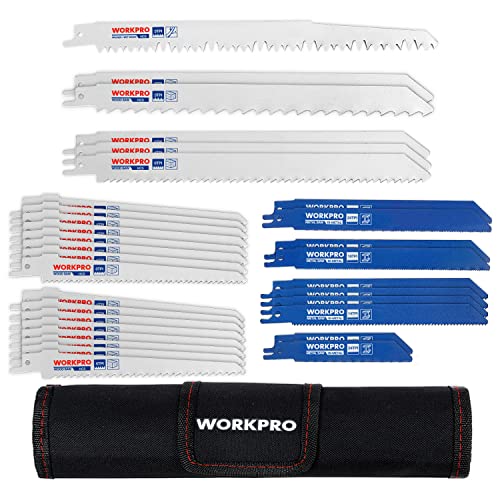
3. WORKPRO 32-Piece Reciprocating Saw Blade Set – Metal/Woodcutting Saw Blades
Rating: 8.7/10
Tackle any cutting job with the WORKPRO 32-Piece Reciprocating Saw Blade Set. This comprehensive kit brings together blades for wood, metal, and even pruning, all designed to fit most reciprocating saws. It’s a versatile collection that helps you get your projects done.
What We Like:
- This set has blades for many different tasks, like cutting wood, metal, and branches.
- The wood blades are strong because they are made from Cr-V steel.
- You can cut metal pieces from 0.7mm to 8mm thick with the special bi-material blades.
- The pruning blade is perfect for trimming branches up to 180mm wide.
- A handy organizer pouch is included to keep all the blades neat and easy to carry.
- Most of the blades are designed for wood that is 20-175mm thick and free of nails.
What Could Be Improved:
- Some of the thinner metal blades might wear out faster on very tough jobs.
- While the set is great for typical uses, very specific or heavy-duty industrial cutting might require specialized blades not included here.
This WORKPRO set offers a fantastic value for DIYers and professionals alike. It’s a smart choice for anyone needing a reliable collection of reciprocating saw blades.
4. Milwaukee Electric Tool 49-22-1129 Sawzall Reciprocating Saw Blade Set

Rating: 8.9/10
Tackle tough jobs with the Milwaukee Electric Tool 49-22-1129 Sawzall Reciprocating Saw Blade Set. This 12-piece set gives you the power and precision you need for demanding cutting tasks. The blades are built strong to handle even the most challenging materials. You’ll find these blades surprisingly versatile for a variety of projects.
What We Like:
- Thick Blades: The .042-inch and .062-inch thick blades are super strong. They are made for extreme cutting jobs.
- Extra Strength: The 1-inch blade height adds even more durability. This means the blades won’t bend or break easily.
- Tight Space Access: The wide blade design lets you reach and cut in really tight spots. This makes it easier to get into tricky areas.
- Variety of Blades: With 12 blades, you have options for different materials. You can switch to the best blade for the job.
What Could Be Improved:
- Storage: A dedicated case or organizer would be helpful. Keeping all 12 blades together can be a bit messy.
- Markings: Clearer markings on the blades indicating their intended use would be a nice addition. This would help users pick the right blade faster.
This Milwaukee Sawzall blade set offers excellent durability and versatility for serious DIYers and professionals. They are a solid investment for anyone who frequently uses a reciprocating saw.
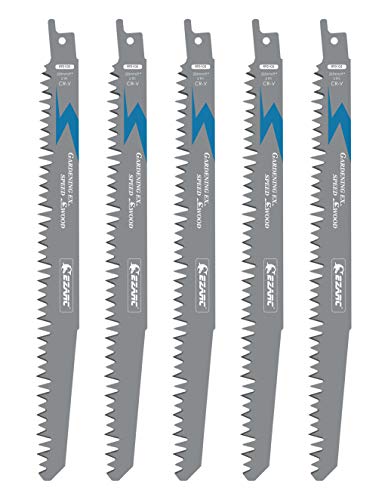
5. EZARC Wood Pruning Reciprocating Saw Blade
Rating: 9.2/10
Tackle your toughest pruning and wood-cutting jobs with the EZARC Wood Pruning Reciprocating Saw Blade. This 5-pack of 9-inch blades, with 5 teeth per inch (TPI), is designed for efficiency and durability. They offer a fast cutting speed and a longer lifespan than many other blades. You’ll get precise and smooth cuts every time. These blades make cutting wood effortless.
What We Like:
- They cut wood really fast.
- The blades last a long time.
- Cuts are smooth and neat.
- They work with many different saw brands.
- Great for garden pruning and cutting branches.
- They can also cut plastic pipes.
What Could Be Improved:
- The 5 TPI might be too coarse for very fine woodworking.
- While durable, they are primarily for rough cutting.
If you need reliable blades for outdoor wood cutting and pruning, this EZARC 5-pack is a solid choice. They deliver strong performance for various tasks.
Choosing the Right Reciprocating Saw Blades: Your Ultimate Guide
Reciprocating saws are powerful tools. They help you cut through tough materials quickly. To get the most out of your saw, you need the right blades. This guide will help you pick the best recip saw blades for your projects.
Key Features to Look For
When you shop for recip saw blades, keep these important features in mind:
- Tooth Count (TPI): This stands for “Teeth Per Inch.” More teeth mean cleaner cuts. Fewer teeth mean faster cuts. For wood, you might want fewer teeth. For metal, more teeth are better.
- Blade Length: Blades come in different lengths. Longer blades can cut deeper. Shorter blades are good for tight spaces.
- Blade Thickness: Thicker blades are stronger. They resist bending. Thinner blades can be more flexible.
- Shank Type: Most blades have a universal shank. This fits most reciprocating saws. Always check if the blade fits your saw.
- Blade Material: The material the blade is made from matters a lot. It affects how well it cuts and how long it lasts.
Important Materials
The material of a recip saw blade determines its strength and cutting ability. Here are the common ones:
- High-Carbon Steel (HCS): This is a basic material. It’s good for soft materials like wood. HCS blades are usually less expensive. They can dull faster than other types.
- Bi-Metal: These blades combine two metals. They have a high-speed steel (HSS) edge. This edge is attached to a flexible carbon steel body. Bi-metal blades are strong and durable. They can cut wood, metal, and even plastic. They are a great all-around choice.
- Carbide Grit: These blades have tiny carbide particles bonded to the edge. They don’t have traditional teeth. Carbide grit blades are excellent for cutting very hard materials. This includes tile, brick, and fiberglass. They don’t cut fast, but they are very tough.
- Diamond Grit: Similar to carbide grit, these blades have diamond particles. Diamonds are the hardest material. Diamond grit blades are the best for cutting extremely hard materials. They can cut concrete, stone, and porcelain. They are very durable but also the most expensive.
Factors That Improve or Reduce Quality
Several things make a blade better or worse for your job.
- Tooth Design: Some teeth are pointed. Others are hooked. Hooked teeth can grab and pull material. This makes cutting faster. Pointed teeth offer more control. For demolition, aggressive teeth are good. For fine cuts, less aggressive teeth work best.
- Blade Coating: Some blades have special coatings. These coatings reduce friction. They also help prevent rust. This can make the blade last longer and cut smoother.
- Heat Treatment: Blades are often heat-treated. This makes them harder and more durable. A well-heat-treated blade will stay sharp longer.
- Manufacturing Process: How the blade is made matters. High-quality manufacturing leads to a more consistent and reliable blade. Cheaper blades might have weaker welds or uneven teeth. This can cause them to break or cut poorly.
User Experience and Use Cases
The right blade makes your work easier and safer.
- Demolition: For tearing down old structures, you need tough blades. Bi-metal blades with aggressive teeth work well. They can cut through nails and wood easily.
- Plumbing and Electrical: When working with pipes and conduits, you need precise cuts. Blades designed for metal are essential. Bi-metal blades with fine teeth are a good choice here.
- Woodworking: For cutting lumber, blades with fewer teeth are faster. Blades with optimized tooth geometry give cleaner finishes.
- DIY Projects: For general home repairs, a good bi-metal blade is very versatile. It can handle a variety of materials.
- Specialty Cuts: If you need to cut tile or concrete, you must use carbide or diamond grit blades. Using the wrong blade can damage the material and the blade itself.
Choosing the correct recip saw blade saves you time and frustration. It also helps you do a better job. Always match your blade to the material you are cutting.
Frequently Asked Questions About Recip Saw Blades
Q: What is TPI and why is it important?
A: TPI stands for Teeth Per Inch. It tells you how many teeth are on one inch of the blade. More teeth make cleaner cuts. Fewer teeth make faster cuts.
Q: Can I use a wood blade to cut metal?
A: No, you should not. Wood blades have large teeth that can get stuck in metal. This can break the blade or damage your saw. Always use a blade made for metal when cutting metal.
Q: What is the best blade for cutting through nails?
A: Bi-metal blades with thick, aggressive teeth are best for cutting through nails. They are strong and can handle tough jobs.
Q: How do I know if a blade will fit my saw?
A: Most recip saw blades have a universal shank. This means they fit most saws. However, it’s always good to check the product description or your saw’s manual to be sure.
Q: Are more expensive blades always better?
A: Not always. More expensive blades are often made with better materials and have advanced designs. But a blade that costs more might not be the best for your specific task. A good quality, less expensive blade might be perfect for your needs.
Q: What is the difference between bi-metal and HCS blades?
A: Bi-metal blades are made of two metals and are stronger and more durable. They can cut wood and metal. HCS blades are made of high-carbon steel and are best for soft wood. They are less expensive but dull faster.
Q: Can I use a metal cutting blade on wood?
A: Yes, you can. A metal cutting blade will cut wood. However, it will cut much slower than a wood blade. It will also leave a rougher edge.
Q: How long should a recip saw blade last?
A: The lifespan of a blade depends on many things. This includes the material you cut, how you use the saw, and the quality of the blade. A good blade used correctly can last for many cuts.
Q: What are carbide grit blades used for?
A: Carbide grit blades are used for cutting very hard materials. This includes things like tile, brick, and grout. They don’t have teeth but are very abrasive.
Q: Should I buy a set of blades or individual blades?
A: A set of blades is good if you are starting out or need blades for different tasks. If you know you will only be cutting one type of material, buying individual blades designed for that material might be more cost-effective.
In conclusion, every product has unique features and benefits. We hope this review helps you decide if it meets your needs. An informed choice ensures the best experience.
If you have any questions or feedback, please share them in the comments. Your input helps everyone. Thank you for reading.