
Imagine your dream garden. Lush tomatoes, vibrant peppers, and crisp lettuce bursting from neat rows. But when it comes to building your raised beds, a simple question can feel like a giant hurdle: how high should they be? It’s a decision that impacts everything from how easily you can tend your plants to how much soil you’ll need. Many gardeners get stuck here, unsure if they’re choosing the perfect height for their needs and their plants.
Getting the height wrong can mean backaches from bending too low, or wasted soil and effort on beds that are too tall. It can also affect drainage and even how much sun your plants soak up. This is why picking the right raised bed height is so important for a successful and enjoyable gardening experience.
In this post, we’ll break down all the factors you need to consider. You’ll learn how to choose a height that fits your body, your garden, and your growing goals. By the end, you’ll feel confident in building raised beds that are just right for you and your plants, making gardening a joy instead of a chore. Let’s dig in and find the perfect height for your garden!
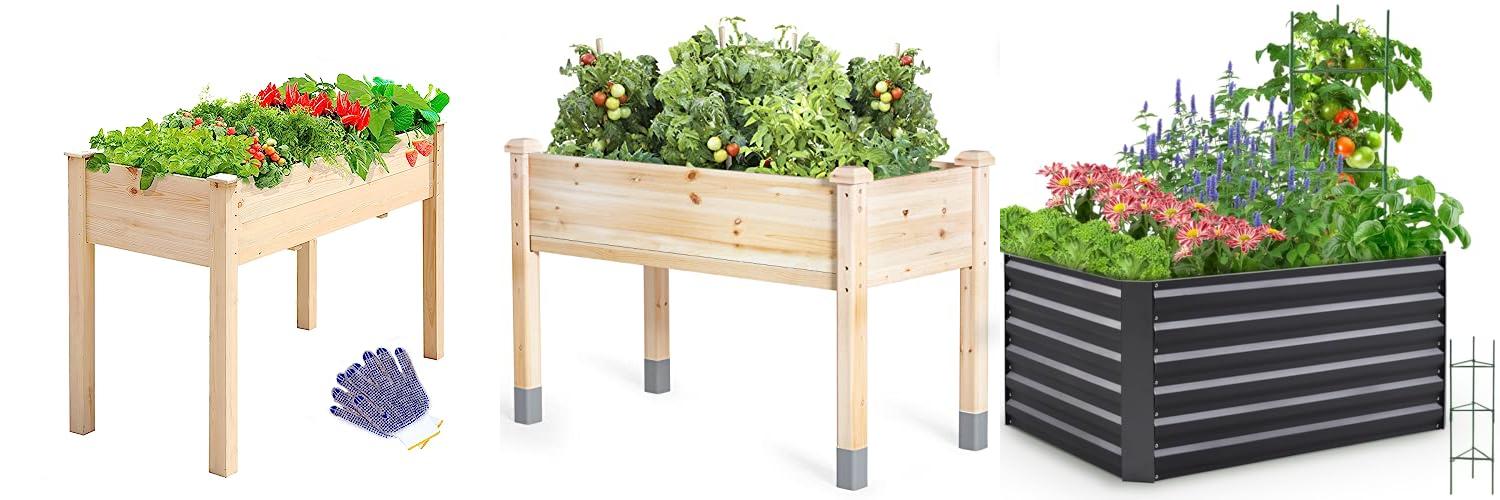
Our Top 5 Raised Bed Height Recommendations at a Glance
Top 5 Raised Bed Height Detailed Reviews
1. TMEE 4FT Raised Garden Bed with Legs

Rating: 9.2/10
The TMEE 4FT Raised Garden Bed with Legs is an excellent way to start your garden. It’s designed to make gardening easier and more enjoyable, especially if you have a patio or backyard. This elevated garden box helps you grow your favorite vegetables, flowers, and herbs without all the bending and kneeling.
What We Like:
- The 30-inch height is perfect for comfortable gardening, saving your back and knees.
- It’s made from 100% natural fir wood, which is strong and can handle different weather.
- The included liner protects the wood from soil, helping your garden bed last longer.
- Double drainage holes keep excess water from building up, which is great for plant roots.
- The spacious planting area gives your plants plenty of room to grow.
- Assembly is straightforward, and it comes with all the necessary parts like screws and gloves.
What Could Be Improved:
- While the weight capacity is listed as 385 lb, the product title mentions 250 pounds, which could be confusing.
- The planting depth is listed as “nearly 7.5 inches,” which might be a bit shallow for some root vegetables.
This raised garden bed offers a comfortable and effective way to cultivate your plants. Its thoughtful design makes gardening accessible and helps your plants thrive.
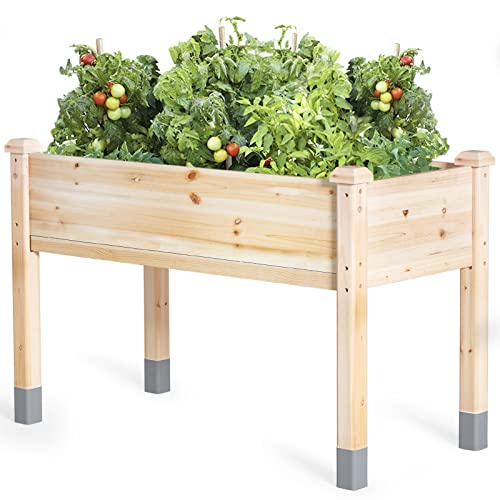
2. MIXC Wooden Raised Garden Bed with Legs
Rating: 9.2/10
The MIXC Wooden Raised Garden Bed with Legs is a sturdy and well-designed planter box that brings your gardening dreams to life. Its elevated design makes planting and harvesting comfortable, while the robust construction ensures it will last for seasons to come. This bed is perfect for growing vegetables, flowers, and herbs right in your backyard.
What We Like:
- The MIXC garden bed uses a strong beam and column structure, making it very sturdy.
- It’s made from untreated fir wood, which is better at resisting warping and splitting than cedar.
- The legs are painted with waterproof paint to prevent rotting and last longer outdoors.
- It comes with a waterproof PE liner to protect the wood and keep soil in.
- The size is reasonable for many garden spaces, and it’s 9 inches deep for good root growth.
- Drainage holes are included to let excess water escape.
- MIXC offers a 24-month warranty and good customer service, showing they stand by their product.
What Could Be Improved:
- While the wood is untreated, some users might prefer treated wood for added protection, though this is a matter of preference.
This MIXC raised garden bed is a fantastic choice for gardeners seeking a durable and reliable planting solution. Its thoughtful design and strong materials promise many fruitful growing seasons.
3. Quictent Galvanized Raised Garden Bed 4x3x2ft Tall Garden Bed Extra Height 22.4″ Hold 24cft Soil Outdoor Heightened Planter Box for Deep Root Vegetables Herbs Tomato Cage Included

Rating: 8.7/10
Grow your dream garden with the Quictent Galvanized Raised Garden Bed. This 4x3x2ft tall planter box offers an impressive 22.4 inches of height, giving your plants plenty of room to thrive. Its dark grey, powder-coated galvanized steel construction ensures it will last for years, no matter the weather.
What We Like:
- Extra Height: At 22.4 inches tall, this bed is perfect for deep-root vegetables and fruits. You can also add more soil layers for richer nutrients. The extra height also helps keep out small animals.
- Free Tomato Cage: A bonus tomato supporting cage is included. It helps your tomato plants stay upright and prevents them from falling due to the weight of their fruits.
- Bottomless Design: The open bottom allows for excellent drainage, preventing root rot. Your plant roots can also reach further into the ground for more nutrients.
- Durable Construction: Made from powder-coated galvanized steel, this bed is built to withstand harsh weather and won’t crack over time. It’s designed for worry-free use.
- Excellent Support: Quictent offers 24/7 customer service and a 5-year warranty on parts, so you can garden with confidence.
What Could Be Improved:
- Assembly might require some effort, though the instructions are clear.
- The dark grey color, while stylish, could show dirt more easily than lighter colors.
This raised garden bed is a fantastic investment for any gardener. It provides ample space, durability, and thoughtful features to help your garden flourish.
4. LEETOLLA Elevate 32″ Tall Raised Garden Bed Outdoor with Wheels & Shelf for Mobility

Rating: 9.4/10
Tired of bending over to garden? The LEETOLLA Elevate 32″ Tall Raised Garden Bed is here to help! This sturdy steel planter box makes growing your own vegetables and herbs easier than ever. Its smart design includes wheels for easy moving and a handy shelf for your gardening tools. Plus, it’s built tough to last for years.
What We Like:
- It’s super strong! Made of powder-coated steel, it can hold up to 400 pounds without bending.
- It won’t rust easily. A special coating protects it from rain and snow for over 3 years.
- Moving it is a breeze. Two big wheels and a handle let you push it around, even when it’s full of soil.
- It fits in small spaces. It’s only 29.5 inches wide, perfect for balconies.
- Gardening is easier on your back. The 32-inch height means you don’t have to stoop.
- Your plants will stay healthy. It has a great drainage system to prevent roots from getting too wet.
- It comes with a shelf. This extra space holds your tools, so your patio stays tidy.
- You get a lifetime warranty. If it rusts or bends, they’ll replace it for free.
What Could Be Improved:
- Assembly might take a little time, though it’s not overly complicated.
- While the steel is durable, the powder coating could potentially scratch over time with rough use.
This garden bed is a fantastic solution for anyone wanting to garden comfortably and efficiently. It’s built to last and designed with your convenience in mind.
5. JONHWI Bed Furniture Risers

Rating: 9.2/10
Tired of struggling to clean under your furniture or wishing you had more storage space? The JONHWI Bed Furniture Risers offer a simple solution. These heavy-duty blocks let you easily lift your beds, couches, desks, and more to different heights. You can choose to raise them by 1.5, 3, 4, or 6 inches. This gives you extra room for storage bins or makes vacuuming a breeze. They are built tough to support even heavy items, so you can trust they will hold your furniture securely.
What We Like:
- Adjustable heights (1.5, 3, 4, and 6 inches) let you pick the perfect lift.
- Super strong material supports up to 1300 lbs per riser.
- The “L” shape design fits furniture legs easily.
- TPU non-slip pads keep furniture from sliding and protect your floors.
- Creates much-needed storage space and makes cleaning easier.
What Could Be Improved:
- Only for furniture that stays in one place; not for items that move often.
- You need to make sure furniture legs are centered on the risers and test stability after moving.
These JONHWI risers are a practical and strong way to improve your home’s functionality. They’re a great investment for anyone looking to add space and convenience.
Choosing the Right Raised Bed Height: A Gardener’s Guide
Why Raised Bed Height Matters
Raised garden beds are fantastic! They make gardening easier and more fun. But did you know the height of your raised bed is super important? It affects how easy it is to garden, what you can grow, and even how much work you have to do. This guide will help you pick the perfect height for your needs.
Key Features to Look For
- Ergonomics: How high is the bed? Can you garden without bending over too much? This is important for your back.
- Drainage: Taller beds usually drain better. This means your plants’ roots won’t get too soggy.
- Soil Volume: Taller beds hold more soil. This is great for plants that need deep roots.
- Accessibility: Can you reach all parts of the bed easily?
- Aesthetics: How does the height look in your garden?
Important Materials for Your Raised Bed
The material of your raised bed can affect its height and how long it lasts. Some common materials include:
- Wood: This is popular. Cedar and redwood are good choices because they last a long time and resist rot. Pine is cheaper but won’t last as long.
- Metal: Galvanized steel is strong and durable. It can get hot in the sun, though.
- Composite: This is made from recycled plastic and wood fibers. It’s long-lasting and doesn’t rot.
- Stone or Brick: These look beautiful and last forever. They can be more expensive and harder to build.
Factors That Improve or Reduce Quality
Improving Quality:
- Good Drainage: Make sure water can flow out easily.
- Sturdy Construction: The bed should be well-built and not wobbly.
- Right Soil: Use good quality soil that is not too dense.
- Proper Placement: Put your bed in a spot with enough sunlight.
Reducing Quality:
- Poor Drainage: Waterlogged soil can kill your plants.
- Cheap Materials: Materials that rot or rust quickly won’t last.
- Uneven Ground: Building on a slope can make the bed unstable.
- Not Enough Soil: Shallow beds might not be good for all plants.
User Experience and Use Cases
For Beginners:
If you’re new to gardening, a bed that’s about 8-12 inches high is a great start. It’s easy to manage and you won’t need a lot of soil. You can grow many common vegetables like lettuce, radishes, and herbs.
For Those with Back Problems:
If bending is hard for you, go for a taller bed. Beds that are 24-36 inches high are like waist-high tables. This makes planting, weeding, and harvesting much easier. You can grow deeper rooted plants like carrots and potatoes in these beds.
For Small Spaces:
Even in small yards or on patios, raised beds work well. You can find smaller, taller beds that fit perfectly. They add a nice touch to your outdoor space.
For Specific Plants:
Some plants need more room for their roots. For example, fruit trees or deep-rooted vegetables need beds that are at least 18 inches deep. Shorter beds (6-8 inches) are good for shallow-rooted plants like spinach or strawberries.
Choosing the right raised bed height is key to a successful and enjoyable gardening experience. Think about your body, what you want to grow, and how much space you have. Happy gardening!
Frequently Asked Questions about Raised Bed Height
Q: What is the most common raised bed height?
A: The most common height is between 6 and 12 inches. This is a good starting point for many gardeners.
Q: How high should my raised bed be if I have back pain?
A: For back pain, aim for a height of 24 to 36 inches. This reduces the need to bend over.
Q: Do taller raised beds drain better?
A: Yes, taller raised beds generally drain better because excess water has more room to flow away from the roots.
Q: Can I build a raised bed that is too tall?
A: While not strictly “too tall,” very tall beds can be expensive to fill with soil and may require more complex construction for stability.
Q: What height is best for growing deep-rooted vegetables like carrots?
A: For deep-rooted vegetables, a bed height of at least 12 inches is recommended, with 18 inches or more being ideal.
Q: Are there any disadvantages to very shallow raised beds (under 6 inches)?
A: Yes, shallow beds dry out faster, may not offer enough root space for some plants, and can offer less protection from pests.
Q: How does raised bed height affect soil temperature?
A: Taller beds can warm up faster in the spring, potentially extending your growing season. They can also dry out more quickly.
Q: What if I want to grow a variety of plants?
A: You can have different heights for different plants. For example, a taller bed for root vegetables and a shorter one for leafy greens.
Q: Can I make my existing raised bed taller?
A: Yes, you can often add extensions or stack additional materials to increase the height of an existing bed.
Q: Does the material of the raised bed influence the ideal height?
A: Not directly the ideal height for gardening, but materials like wood might limit how high you can easily build without extra support compared to sturdy metal or stone.
In conclusion, every product has unique features and benefits. We hope this review helps you decide if it meets your needs. An informed choice ensures the best experience.
If you have any questions or feedback, please share them in the comments. Your input helps everyone. Thank you for reading.