
Have you ever looked at a piece of stained wood furniture and thought, “I wish this was a different color”? Maybe you have an old dresser that’s seen better days, or perhaps you just want to give your cabinets a modern makeover. Painting over stained wood can totally change the look of a room, but it’s not as simple as just slapping on a coat of paint. The biggest challenge? Picking the right primer. Get it wrong, and you’ll end up with blotchy paint, peeling finishes, or wood stains bleeding through, no matter how many coats you apply. It can be super frustrating and a waste of time and money!
But don’t worry, we’ve got your back! This post will break down exactly what you need to know about primers for stained wood. We’ll explore why choosing the correct primer is so important and what makes some primers better than others for this specific job. By the end of this guide, you’ll feel confident choosing the best primer to get a smooth, beautiful, and long-lasting painted finish on your stained wood projects. Let’s dive into how to conquer those stubborn stains and achieve the painted look you’ve always wanted.
Our Top 5 Primer For Painting Over Stained Wood Recommendations at a Glance
Top 5 Primer For Painting Over Stained Wood Detailed Reviews
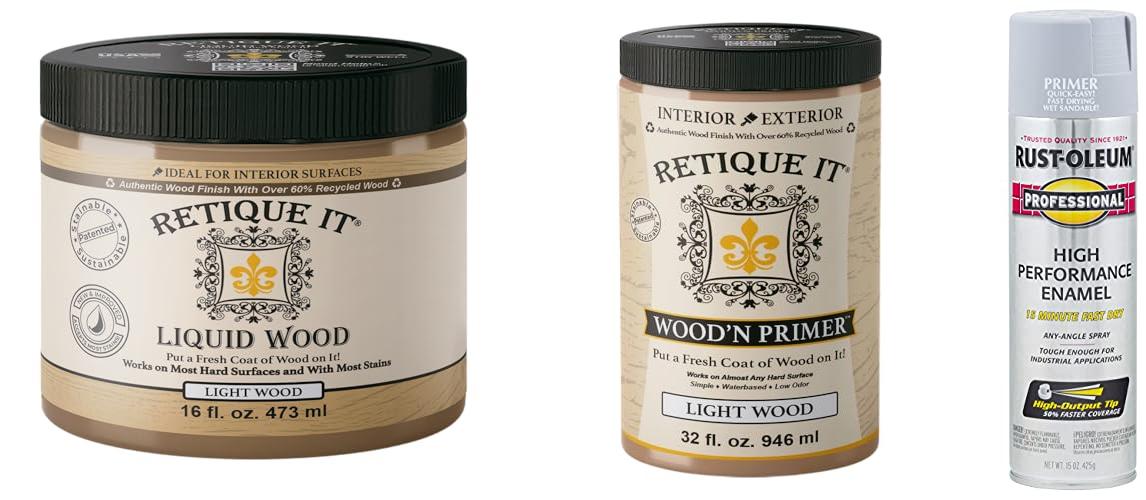
1. Retique It New and Improved Formula Liquid Wood Coatings – Stainable Primer – Paint It then Stain it (Light Wood

Rating: 9.2/10
Transforming ordinary surfaces into beautiful, authentic wood is now easier than ever with the Retique It New and Improved Formula Liquid Wood Coatings. This innovative product lets you paint first and then stain, giving you incredible control over your desired wood look. The brand-new formula glides on smoothly, bonds strongly, and penetrates deep into the surface for a finish that truly looks and feels like real wood.
What We Like:
- The new formula works with almost any brand of stain, making it super versatile.
- Application is much smoother, and the bond is stronger than before.
- It penetrates the surface for a deeper wood grain effect.
- The finish looks and feels like real wood because it contains over 60% real wood fibers.
- You don’t need to sand off old finishes; just a light scuff sand is enough.
- It’s water-based, has low VOCs, and a barely-there smell, so you can use it inside.
- Clean-up is a breeze with just soap and water.
- It can be used on almost any hard surface, from furniture to floors and even drywall.
- The “Light Wood” shade is very adaptable and looks great with all stain colors, especially darker ones for a nice contrast.
What Could Be Improved:
- While the “Light Wood” shade is versatile, offering a wider range of pre-mixed wood tones might be helpful for some users.
- The “Medium” shade, while mentioned, is not detailed in the provided features, so its specific characteristics are unknown.
This Retique It coating offers an amazing way to achieve a genuine wood look on many different surfaces. You can easily create stunning, custom wood finishes without the hassle of traditional methods.
2. Retique It Wood’n Primer – Paint it then stain it – Stainable Wood Fiber Paint (Light Wood

Rating: 9.1/10
Transform your old furniture and surfaces into beautiful wood masterpieces with Retique It Wood’n Primer. This amazing product lets you paint and then stain, giving you the look of real wood without all the hard work.
What We Like:
- It’s a new and improved formula with better sticking power. It works with almost any stain, even special ones. Applying it is easy, and it gives a natural look, especially when used with Retique It Liquid Wood or other stains.
- This primer prepares your surface so it can take on any wood color beautifully. It helps create great depth and contrast.
- The special formula is designed to soak up stain just like raw wood. This makes the stain look more real.
- The finished surface looks and feels like real wood after you stain and seal it. That’s because it’s made with real wood fibers!
- You don’t need to sand off old finishes. Just clean, lightly scuff, apply the primer, and you’re ready to stain.
- It’s eco-friendly and safe to use inside. It’s water-based, has very low fumes, and doesn’t smell much. It cleans up easily with soap and water.
- You can use it on almost anything: furniture, cabinets, glass, metal, plastic, tile, painted wood, laminate, and more. The stain sticks to it like it’s bare wood.
What Could Be Improved:
- The “Light Wood” shade might not be ideal if you’re aiming for a very dark, rich wood tone as your base before staining.
- While it works on many surfaces, results might vary slightly on highly glossy or non-porous materials without proper surface preparation.
Retique It Wood’n Primer is a game-changer for DIYers. It makes achieving a stunning, authentic wood finish simpler than ever before.
3. Rust-Oleum 7582838 Professional Primer Spray Paint

Rating: 9.0/10
Get your projects ready for a tough, long-lasting finish with Rust-Oleum 7582838 Professional Primer Spray Paint. This gray primer is designed to work on many different surfaces, like metal, wood, and concrete. It makes sure your paint sticks well and protects against rust. It’s perfect for both inside and outside jobs.
What We Like:
- This primer works on lots of surfaces: metal, wood, concrete, and more.
- It gives extra protection against rust and weather, making your paint last longer.
- The formula is strong and keeps its color even in tough conditions.
- It dries fast, so you can paint over it quickly – just 15 minutes to touch!
- The spray can has a special tip that lets you spray at any angle, even upside down.
- It covers a good area, up to 14 square feet.
- It creates a strong base for great paint adhesion, perfect for busy areas.
What Could Be Improved:
- The oil-based formula can have a strong smell, so good ventilation is a must.
- While it covers a decent area, larger projects might need multiple cans.
This Rust-Oleum primer is a solid choice for anyone needing a dependable base coat. It prepares surfaces for a beautiful and durable paint job.
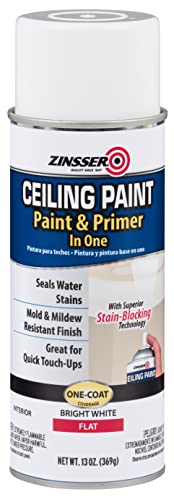
4. Zinsser Ceiling Acrylic Paint & Primer in One
Rating: 8.6/10
Tackling those tired ceiling stains just got a whole lot easier with Zinsser Ceiling Acrylic Paint & Primer in One. This 13 oz can of flat white spray paint is designed to make your ceiling look fresh and new. It works as both a primer and a paint, saving you time and effort. Its low odor formula means you can use it indoors without a strong chemical smell.
What We Like:
- It blocks stains and primes surfaces in one step.
- The low odor formula is great for indoor use.
- It dries quickly, usually in about 30 minutes.
- One can covers a good area, up to 15 square feet.
- The finish resists mold and mildew, so it lasts a long time.
- The flat white color stays white and won’t turn yellow.
- It matches other Zinsser ceiling paints perfectly.
What Could Be Improved:
- The 13 oz can size might require multiple cans for larger rooms.
- Coverage can vary depending on the surface and how heavily it’s applied.
This Zinsser spray paint offers a convenient way to refresh your ceilings. It’s a good option for quick touch-ups or a complete refresh.
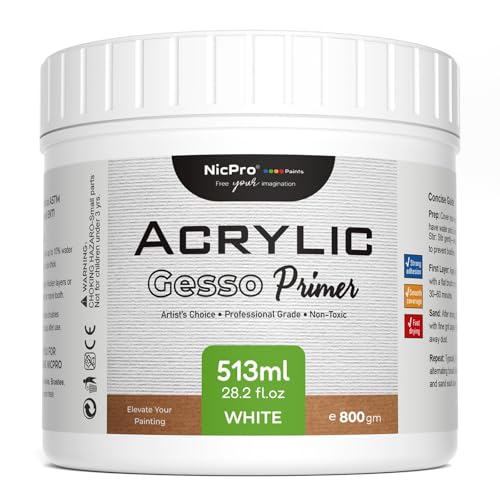
5. Nicpro White Gesso Primer for Acrylic Painting(28.2 Oz / 513ML)
Rating: 9.4/10
Get ready to elevate your art with the Nicpro White Gesso Primer! This big tub, holding 28.2 ounces (513ML) of premium gesso, is your secret weapon for creating stunning acrylic and oil paintings. It preps your surfaces so your paint sticks well and colors pop. This gesso is perfect for making sure your art looks its best.
What We Like:
- It creates a smooth, grippable surface for your canvas, wood, or paper.
- The gesso covers up old colors or mistakes, giving you a fresh start.
- Your colors will look brighter and truer on this white base.
- It dries fast, so you can start painting sooner.
- You can mix it with water to get the thickness just right.
- It works on many surfaces like canvas, wood, paper, and even plastic.
- You can mix colors into it for unique backgrounds.
What Could Be Improved:
- While it’s a large tub, some artists might prefer even larger sizes for huge projects.
This Nicpro Gesso Primer is a fantastic tool for artists of all levels. It helps your paintings shine and offers lots of creative freedom.
Choosing the Right Primer: Painting Over Stained Wood Made Easy
Painting over stained wood can be tricky. Stains can bleed through new paint, ruining your fresh look. A good primer acts like a shield. It blocks stains and helps your new paint stick better. This guide will help you pick the best primer for your project.
Why Use a Primer on Stained Wood?
Stains are like tiny colors trapped in the wood. Without a primer, these colors can push through your new paint. This is called “bleeding.” Primer seals these stains. It also gives your paint a smooth surface to grip. This means your paint job will last longer and look better.
1. Key Features to Look For
When you shop for primer, keep these things in mind:
Stain Blocking Power
This is the most important feature. You need a primer that is specifically designed to block stains. Look for words like “stain blocking,” “stain sealer,” or “blocking primer” on the can. Some primers are better at blocking dark or oily stains than others.
Adhesion Properties
Good adhesion means the primer sticks well to the stained wood. This helps your paint stay put. Most good primers will stick to many surfaces.
Drying Time and Recoat Time
How fast does the primer dry? How long do you have to wait before you can paint over it? Faster drying times mean you can finish your project quicker.
Finish Type (Sheen)
Primers usually come in flat or matte finishes. This is fine because you will paint over it. The important thing is that it creates a smooth surface.
Water-Based vs. Oil-Based
This is a big choice! We’ll talk more about it below.
2. Important Materials: What Makes a Good Primer?
The ingredients in a primer determine how well it works.
Solvents (Water vs. Oil)
- Water-based (Latex) Primers: These are easy to clean up with soap and water. They dry fast. They are good for most jobs. However, they might not block very tough stains as well as oil-based ones.
- Oil-based Primers: These are stronger stain blockers. They are great for dark stains, wood knots, or watermarks. Cleanup requires mineral spirits. They have a stronger smell and take longer to dry.
Resins and Binders
These are the “glue” that holds the primer together. They help it stick to the surface and form a strong coat. Acrylic resins are common in good water-based primers. Alkyd resins are found in oil-based primers.
Pigments
These give the primer its color and its hiding power. Titanium dioxide is a common pigment that makes primers white and opaque.
3. Factors That Improve or Reduce Quality
What makes a primer great? What makes it not so great?
Good Quality
- Thick Consistency: A thicker primer usually means it has more “solids” (the stuff that sticks). This helps it cover better and block stains more effectively.
- Reputable Brands: Well-known brands often use better ingredients. They invest in research to make their products work well.
- Specific Stain-Blocking Formulas: Primers made just for stain blocking are usually the best.
Lower Quality
- Thin, Watery Formulas: These might not have enough power to block tough stains. They might require more coats.
- “All-in-One” Paints with Primer: While convenient, these might not be strong enough for serious stain blocking on wood. They are better for minor touch-ups.
- Cheap, Generic Brands: These may cut corners on ingredients, leading to poor performance.
4. User Experience and Use Cases
Who uses these primers and for what?
DIY Homeowners
Most people use these primers for home projects. They might be painting an old dresser, a wooden trim, or kitchen cabinets. They want a smooth, clean finish that lasts. They often choose water-based primers for ease of use.
Professional Painters
Professionals rely on high-quality primers. They need products that work every time. They might use oil-based primers for challenging jobs with stubborn stains.
Specific Projects
- Cabinets: You want a smooth, durable finish on cabinets. Primer is key.
- Furniture: Give old furniture a new life by priming and painting.
- Trim and Doors: These get a lot of wear. Good primer helps paint stick and resist scuffs.
- Wood Paneling: Update the look of wood paneling by priming and painting.
Frequently Asked Questions (FAQs)
Q: Do I really need primer when painting over stained wood?
A: Yes! Primer seals the stain so it doesn’t bleed through your new paint. It also helps the paint stick better.
Q: Should I use water-based or oil-based primer?
A: For most jobs, water-based is fine. If you have dark, tough stains, oil-based is a stronger choice.
Q: How many coats of primer do I need?
A: Usually, one good coat is enough. If stains are still showing, apply a second coat.
Q: Can I use a regular wall primer on stained wood?
A: It’s best to use a primer made for stain blocking. Regular wall primers might not be strong enough.
Q: How long should I wait before painting after priming?
A: Check the can! Most water-based primers are ready in about an hour. Oil-based take longer, maybe 4-6 hours.
Q: Will primer cover up knots in the wood?
A: Yes, a good stain-blocking primer will seal wood knots so they don’t bleed through.
Q: Can I use primer on polyurethane-coated wood?
A: Yes, but you might need to lightly sand the surface first to help the primer stick.
Q: What if the stain is very dark?
A: Use an oil-based primer. It’s the best at blocking dark stains.
Q: Does the color of the primer matter?
A: For stain blocking, the color of the primer doesn’t matter as much as its ability to seal. Most stain blockers are white.
Q: How do I clean up oil-based primer?
A: You need mineral spirits or paint thinner to clean brushes and spills from oil-based primer.
In conclusion, every product has unique features and benefits. We hope this review helps you decide if it meets your needs. An informed choice ensures the best experience.
If you have any questions or feedback, please share them in the comments. Your input helps everyone. Thank you for reading.