

Imagine your beautiful wooden deck or fence, looking fresh and protected against sun and rain. But what if the paint or stain doesn’t stick, or the wood starts to rot? Choosing the right primer for your exterior wood is like giving your home a strong shield. It’s a big job, and picking the wrong primer can lead to peeling paint, faded colors, and costly repairs down the road. Many people get confused by all the different types and what they do.
This post is here to help! We’ll break down exactly what makes a good exterior wood primer and why it’s so important. You’ll learn how to pick the best one for your project, saving you time and money. Get ready to discover the secrets to a long-lasting, beautiful finish for all your outdoor wood surfaces.
Our Top 5 Primer Exterior Wood Recommendations at a Glance
Top 5 Primer Exterior Wood Detailed Reviews
1. Rust-Oleum 312283 Deck Start Wood Primer

Rating: 8.8/10
Revitalize your outdoor wood projects with Rust-Oleum 312283 Deck Start Wood Primer. This one-gallon can of clear primer is a game-changer for decks, fences, docks, and furniture. It works wonders on wood that’s seen better days – weathered, worn, or even already coated. You can use it under any solid exterior stain, paint, or topcoat. Forget about tedious sanding or stripping away old finishes. This primer makes your project prep much easier.
What We Like:
- Saves time by eliminating the need for sanding or stripping old coatings.
- Its special formula sticks really well, creating a strong bond between your wood and the new color.
- Dries quickly to the touch in just 1 hour, so you can move on to the next step fast.
- Covers a large area, up to 450 square feet, with just one coat.
- You can even apply it to damp wood, which means less waiting around for projects.
- It’s water-based, has low VOCs, and doesn’t smell bad.
- It looks milky white when you put it on but dries completely clear.
What Could Be Improved:
- Requires a 1 to 2 hour dry time before applying a solid color topcoat, so plan accordingly.
This primer is a smart choice for anyone wanting to update their exterior wood. It simplifies the process and helps your new finish last longer.
2. Rust-Oleum 396969 Marine Coatings Wood and Fiberglass Primer

Rating: 9.2/10
The Rust-Oleum 396969 Marine Coatings Wood and Fiberglass Primer is a great choice for your boat or outdoor projects. This white primer works well on wood and fiberglass surfaces that are above the water. It sets up a strong base so your topcoat sticks better and lasts longer.
What We Like:
- It helps your paint stick better and last longer.
- It covers about 100 square feet.
- It dries quickly, to the touch in just 1 hour.
- It’s tough and resists rust.
- It sands down smoothly.
- It works on new, slightly rusty, or old painted surfaces.
- It makes your final paint job look smooth and shiny.
- It makes your topcoat look even better.
- It works great on old, cracked, or rough surfaces.
What Could Be Improved:
- It is not meant for surfaces that are underwater.
- It cannot be sold on Catalina Island.
This primer is a solid choice for anyone looking to protect and beautify their wood and fiberglass. It prepares surfaces well for a beautiful, lasting finish.
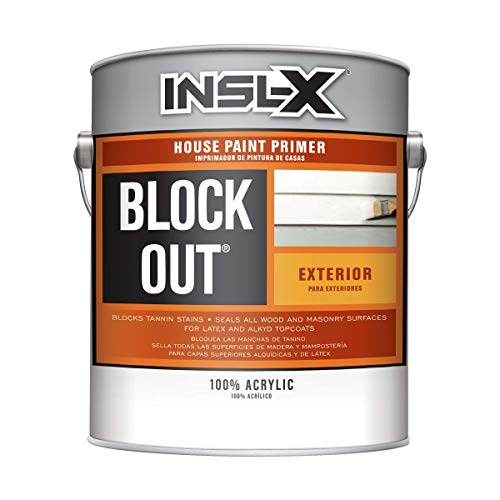
3. INSL-X Block Out Acrylic Exterior Wood Stain Blocking Primer
Rating: 8.8/10
Tired of stubborn stains showing through your paint? The INSL-X Block Out Acrylic Exterior Wood Stain Blocking Primer in white is your go-to solution. This versatile, water-based primer tackles tough tannin stains on both new and old exterior wood. It also works wonders on masonry surfaces like stucco and concrete block, making it a true whole-house primer.
What We Like:
- Effectively blocks tough tannin stains on wood.
- Works great on masonry like stucco and concrete.
- Low VOC formula is better for the environment.
- Resists blistering and peeling for a lasting finish.
- Covers a large area, 300-400 sq ft per gallon.
- Can be applied in cooler temperatures, down to 35°F.
- Works well with both latex and alkyd topcoats.
What Could Be Improved:
- Needs a 8-hour window before temperatures drop to 35°F or below.
- Cannot be applied to hot surfaces.
- Avoid application if rain is expected.
- Don’t apply if the temperature is too close to the dew point (within 5°).
This primer provides excellent coverage and protection, ensuring your exterior paint job looks its best. It’s a reliable choice for preparing a variety of exterior surfaces for their final coat.
4. TotalBoat Wood Sealer – Marine Grade Sanding Sealer and Pre Varnish Primer for Boats and Wood (Quart)

Rating: 9.4/10
The TotalBoat Wood Sealer is a marine-grade primer that prepares bare wood for varnish. It’s designed for boats and other wood projects. This sealer fills wood grain and creates a smooth surface. It works on all wood types, including oily ones like teak and mahogany. The sealer also protects the wood from the sun’s rays.
What We Like:
- It’s a one-part sealer, so it’s easy to use.
- It seals wood grain and makes a smooth surface for varnish.
- It protects wood from cracking and checking.
- It provides UV protection down to the wood grain.
- You can brush, roll, or spray it on.
- It dries fast, and you don’t need to sand between coats.
- It creates a stable base for 1-part marine varnishes.
What Could Be Improved:
- Specific thinners are recommended for brushing or spraying, which means you might need to buy extra products.
- The coverage is listed as a range (60-100 sq ft per quart), so you’ll need to estimate based on your wood.
This wood sealer is a solid choice for anyone looking to protect and prepare their wood projects. It offers great protection and a smooth finish for a lasting varnish.
5. Liquid Rubber Multi-Purpose Primer – Use on Concrete and Wood

Rating: 9.5/10
Tired of paint and coatings peeling off your concrete or wood projects? The Liquid Rubber Multi-Purpose Primer is here to help. This amazing primer creates a strong bond, making sure your top coat stays put. It works on many surfaces, not just concrete and wood. Plus, it’s safe for you and your pets because it’s water-based and doesn’t have harmful chemicals. Get ready for a job well done!
What We Like:
- It makes paint and coatings stick much better.
- It helps stop blisters from forming under your paint.
- You can use it on concrete, wood, and even some plastics.
- It dries super fast, so you can move on to the next step quickly.
- Applying it is easy with a brush or roller.
- It’s safe for people and pets because it’s water-based and has no harsh smells.
- It’s good for the environment with low VOCs.
What Could Be Improved:
- You need to make sure the surface is clean and dry before applying.
- You can’t apply it if it might rain soon or if dew is expected.
This primer is a fantastic choice for anyone looking for a reliable and safe way to prepare surfaces for painting or coating. It offers excellent performance and peace of mind.
Choosing the Best Exterior Wood Primer: Your Ultimate Guide
Your wooden deck, fence, or siding faces the elements every day. Rain, sun, and snow can damage the wood. A good exterior wood primer protects your wood. It also makes your paint look better. This guide will help you pick the right primer.
Why Use Exterior Wood Primer?
Primer acts like a shield. It seals the wood. This stops moisture from getting in. It also makes sure your topcoat of paint sticks well. This means your paint job lasts longer. It helps hide knots and stains too.
Key Features to Look For
When you shop for primer, check for these important things:
- Adhesion: This is how well the primer sticks to the wood. Good adhesion means your paint won’t peel.
- Moisture Resistance: The primer should block water. This prevents rot and swelling.
- Stain Blocking: Some woods have natural stains. Primer hides these so they don’t show through your paint.
- Mildew Resistance: Look for primers with additives that fight mold and mildew.
- Ease of Application: Some primers brush on smoothly. Others are thick and hard to spread.
- Drying Time: Faster drying times mean you can paint sooner.
Important Materials
Exterior wood primers are made from different things. The main types are:
- Oil-Based Primers: These are strong. They stick well to wood. They are great at blocking stains and odors. They can be a bit harder to clean up.
- Water-Based (Latex) Primers: These are easy to use. Cleanup is simple with soap and water. They dry fast. They are good for general use. Some are made to be very durable.
- Shellac-Based Primers: These are the best stain blockers. They dry very quickly. They work well on tough stains like smoke or water damage.
Factors That Improve or Reduce Quality
The quality of a primer can change based on a few things:
Things That Improve Quality:
- High Solids Content: More solids mean a thicker, more protective coat.
- Premium Resins: Better resins make the primer stick better and last longer.
- UV Inhibitors: These protect the primer from sun damage.
- Mold and Mildew Additives: These keep your wood looking clean.
Things That Reduce Quality:
- Low Solids Content: This means a thin coat that won’t protect well.
- Cheap Fillers: These can make the primer weak.
- No Stain or Moisture Blocking: If it doesn’t do these jobs, it’s not a good primer.
User Experience and Use Cases
Most people find water-based primers easy to use. They spread well. Cleanup is a breeze. Oil-based primers might take a little more effort to spread. They also need mineral spirits for cleanup.
You’ll use exterior wood primer on many projects:
- Decks: Protects wood from foot traffic and weather.
- Fences: Keeps your fence looking good for years.
- Siding: Creates a smooth surface for paint.
- Doors and Windows: Seals out moisture and prevents rot.
- Outdoor Furniture: Keeps your patio set looking new.
A good primer is a smart investment. It saves you time and money in the long run. It makes your outdoor wood look its best.
Frequently Asked Questions (FAQ) about Exterior Wood Primer
Q: What is the main purpose of exterior wood primer?
A: The main purpose of exterior wood primer is to protect your wood from moisture and to help your paint stick better. It also hides stains and makes the paint job look smoother.
Q: How do I know if I need an oil-based or water-based primer?
A: Oil-based primers are best for blocking tough stains and for wood that’s hard to paint. Water-based primers are easier to use and clean up, and are good for most projects.
Q: Can I skip priming if my wood is already painted?
A: Usually, yes, if the old paint is in good condition. But if the old paint is peeling or you’re changing colors drastically, priming is a good idea.
Q: How long does exterior wood primer take to dry?
A: Drying times vary. Water-based primers often dry in 1-2 hours. Oil-based primers can take 4-6 hours or more. Always check the product label.
Q: What is “adhesion” in primer?
A: Adhesion is how well the primer sticks to the surface of the wood. Good adhesion means your paint will stay on longer.
Q: Can I use interior primer outside?
A: No, you should not use interior primer outside. Exterior primers are made to handle rain, sun, and temperature changes.
Q: How many coats of primer should I apply?
A: For most projects, one coat is enough. If the wood is very porous or has bad stains, you might need two coats.
Q: Does primer prevent wood rot?
A: Primer helps prevent rot by blocking moisture. However, it’s not a complete solution for damaged wood. You may need to repair or replace rotten wood first.
Q: What’s the difference between primer and paint?
A: Primer is the first layer. It prepares the surface for paint. Paint is the final color layer. Primer sticks better and covers better than paint alone.
Q: How do I clean up primer brushes and rollers?
A: For water-based primers, use soap and water. For oil-based primers, use mineral spirits or paint thinner.
In conclusion, every product has unique features and benefits. We hope this review helps you decide if it meets your needs. An informed choice ensures the best experience.
If you have any questions or feedback, please share them in the comments. Your input helps everyone. Thank you for reading.