
Imagine harvesting crisp lettuce from your kitchen counter, or plump tomatoes ripening indoors, even when the weather outside is frightful. Sound like a dream? For many, it’s the exciting reality of hydroponics! But with so many amazing plants you *can* grow, figuring out where to start can feel like navigating a jungle.
You’ve probably seen those beautiful hydroponic setups online, bursting with vibrant greens and colorful fruits. But then the big question hits: what *should* you actually grow? Do you want quick salads, flavorful herbs, or maybe even some juicy berries? The sheer variety can be overwhelming, and choosing the wrong plants might lead to disappointment instead of delicious harvests.
This post is here to help you cut through the confusion! We’ll explore some of the best and most rewarding plants to grow hydroponically, whether you’re a complete beginner or looking to expand your skills. Get ready to discover which plants are easiest to care for, which give you the biggest bang for your buck, and which will bring the most joy to your hydroponic garden.
So, let’s dive in and find the perfect plants to kickstart your hydroponic adventure!
Our Top 5 Plants To Grow Hydroponically Recommendations at a Glance
Top 5 Plants To Grow Hydroponically Detailed Reviews
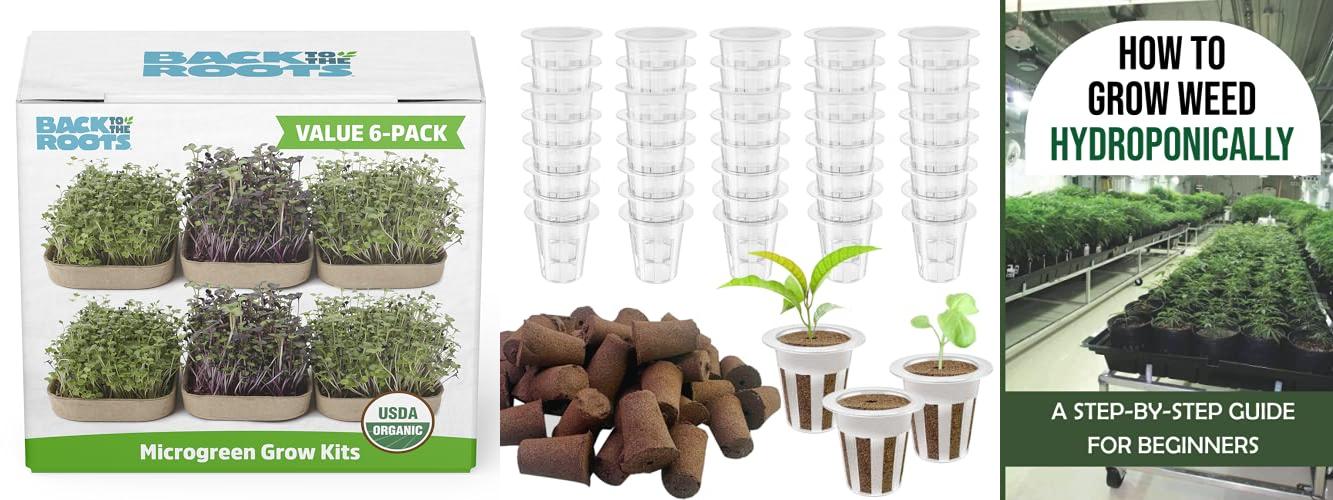
1. Back to the Roots DIY Microgreen Grow Kit

Rating: 8.6/10
Want to bring a burst of fresh flavor and nutrition to your meals? The Back to the Roots DIY Microgreen Grow Kit, 6-Grow Variety Pack makes it super easy. You get everything you need to grow your own delicious microgreens right at home. These tiny plants are packed with vitamins and minerals, offering up to 40 times more than their grown-up versions. It’s a fun and healthy way to add a gourmet touch to salads, sandwiches, and more.
What We Like:
- USDA Certified Organic and Non-GMO seeds mean you’re growing healthy food.
- The kit includes six different varieties of seeds: broccoli, kale, purple kohlrabi, and red cabbage, offering lots of tasty options.
- You get access to Green-Thumb Text Support, which guides you through growing your microgreens.
- It’s made in the USA and comes with a 100% satisfaction guarantee, so you can try it risk-free.
- Growing microgreens is a quick and rewarding way to get fresh produce.
What Could Be Improved:
- The kit doesn’t include the growing trays or soil, so you’ll need to purchase those separately.
- Some users found the germination time for certain seed varieties to be a bit longer than expected.
This kit is a fantastic way to start your own indoor garden and enjoy super-nutritious greens. It’s a rewarding experience that brings the farm right to your kitchen.
2. 80 Pcs Hydroponic Seeds Grow Sponges Pods Kit

Rating: 9.4/10
Looking to bring the joy of gardening indoors, no matter the season? This 80 Pcs Hydroponic Seeds Grow Sponges Pods Kit is your ticket to a year-round green oasis. It’s designed to make starting seeds and growing plants indoors super simple and fun, perfect for anyone who loves plants or wants to try something new.
What We Like:
- The growing baskets and sponges are made from strong, high-quality plastic. They won’t break or bend easily, so you can use them again and again.
- The sponges soak up water really well. This helps your plant roots grow strong and healthy.
- It’s incredibly easy to use! Just soak the sponge, pop in your seed, and watch it grow. No complicated steps needed.
- You get plenty of pieces – 40 baskets and 40 sponges. This is enough for lots of planting projects.
- This kit works for many kinds of seeds, like tomatoes, strawberries, peppers, and herbs. You can grow a variety of plants indoors.
- It provides a great environment for seeds to sprout and develop roots indoors. You get to enjoy gardening fun anytime.
What Could Be Improved:
- The sponges, once soaked, are a bit smaller than the baskets. While they fit, a slightly larger sponge might offer a snugger fit.
This kit offers a straightforward and enjoyable way to start seeds and cultivate plants indoors. It’s a fantastic tool for budding gardeners and experienced plant lovers alike.
3. How To Grow Weed Hydroponically: A Step-By-Step Guide For Beginners: How To Grow Hydroponics For Beginners

Rating: 9.1/10
This guide, “How To Grow Weed Hydroponically: A Step-By-Step Guide For Beginners: How To Grow Hydroponics For Beginners,” aims to make hydroponic growing accessible to everyone. It breaks down a complex process into simple, easy-to-follow steps. You’ll learn the basics of hydroponics without needing a lot of prior knowledge.
What We Like:
- Clear, beginner-friendly instructions make learning easy.
- Covers all the essential steps for starting your first hydroponic garden.
- Helps you understand the concepts without overwhelming technical jargon.
- Empowers you to start growing your own plants quickly.
What Could Be Improved:
- Lacks specific recommendations for equipment brands or types.
- Could benefit from more visual aids like diagrams or photos.
- Doesn’t offer troubleshooting tips for common beginner problems.
- More advanced techniques are not explored in this beginner guide.
This guide is a solid starting point for anyone curious about hydroponic gardening. It equips you with the fundamental knowledge to begin your journey.
4. CYBSDF Indoor Garden Hydroponics Growing System 12 Pods

Rating: 8.8/10
Grow your own fresh herbs, veggies, and fruits year-round with the CYBSDF Indoor Garden Hydroponics Growing System. This 12-pod system makes indoor gardening easy and fun for the whole family. It uses water and light instead of soil, so you can enjoy healthy plants no matter the weather outside.
What We Like:
- Large Capacity Water Tank: The big water tank holds enough water for up to 18 days of growth. This means you don’t have to water your plants constantly. You can even go on vacation without worrying about them!
- Innovative Grow Light Modes: The special LED grow lights have three timer settings. These lights help your plants grow faster and taste better by giving them more time for photosynthesis. Enjoy sweeter, juicier produce.
- Compatible with Variety of Pods: You can grow 12 different plants at once in this system. It works with most popular pod brands, so you have lots of choices for what to grow.
- Water Circulation System: A built-in pump keeps the water moving. This gives the plant roots the oxygen they need to grow strong and healthy. Plants can grow up to three times faster than in soil!
- Perfect Gift: This indoor garden is a wonderful gift for anyone. Give it to family, friends, or kids. It’s a fun way to grow things together and create lasting memories.
What Could Be Improved:
- The adjustable height for the light only goes up to 12 inches, which might be limiting for taller plants.
- While it’s compatible with most pods, some users might prefer a system that includes its own branded pods for guaranteed compatibility.
This hydroponics system offers a convenient and enjoyable way to bring fresh produce into your home. It’s a fantastic way to learn about gardening and enjoy the fruits of your labor.
5. 5 Lemongrass Plants 12 Inches Long

Rating: 9.4/10
Bring the vibrant scent and flavor of lemongrass into your home with this fantastic set of five 12-inch, rooted lemongrass plants. These live stalks are hydroponically grown, meaning they’re super healthy and ready for planting right away. They’re perfect for your garden or even indoors, offering a natural way to keep pesky mosquitoes away and adding a fresh, zesty kick to your cooking and homemade teas.
What We Like:
- Each plant is a generous 12 inches long and already has roots, so you can plant them immediately.
- Hydroponic growing means these plants are extra healthy and free from soil-borne issues.
- They work wonderfully as a natural mosquito repellent, creating a more pleasant outdoor space without chemicals.
- You can even extract premium quality essential oil for aromatherapy or to use as a bug spray.
- The fresh, zesty flavor is perfect for delicious homemade lemongrass tea and adds an Asian flair to your cooking.
- These plants are easy to care for and grow well in pots or directly in the ground.
- They are carefully packaged to protect the roots, ensuring they arrive ready for strong growth.
What Could Be Improved:
- The description doesn’t specify the exact type of lemongrass, which might matter for some users.
- While hydroponic is great, some gardeners might prefer soil-grown plants for a more traditional approach.
This set offers a versatile and natural way to enjoy lemongrass. You’ll love the benefits for your garden, kitchen, and well-being.
Choosing the Best Plants for Your Hydroponic Garden
Hydroponics lets you grow plants without soil. It’s a cool way to grow fresh food right at home. But not all plants do equally well in a hydroponic system. This guide helps you pick the perfect plants to grow.
Key Features to Look For in Hydroponic Plants
When choosing plants for your hydroponic setup, think about what makes them easy and rewarding to grow.
Fast Growers
- Why it matters: You get to harvest your food sooner! Fast-growing plants mean quicker results and more harvests throughout the year.
- Examples: Lettuce, spinach, and radishes grow very quickly.
Compact Size
- Why it matters: Hydroponic systems can be small. Plants that don’t get too big fit better. This means you can grow more plants in the same space.
- Examples: Bush beans, dwarf tomatoes, and herbs like basil are good choices.
Nutrient Needs
- Why it matters: Different plants need different amounts of nutrients. Some plants are forgiving and can handle a standard nutrient mix. Others might need special attention.
- Consider: Easy-to-manage nutrient needs make your hydroponic journey smoother.
Resilience
- Why it matters: Some plants are tougher than others. They can handle slight changes in water temperature or nutrient levels better. This is great for beginners.
- Look for: Plants that don’t get sick easily.
Important Materials for Hydroponic Growing
While the plants themselves are key, the materials you use are also important.
Hydroponic Systems
- Types: There are many types like Deep Water Culture (DWC), Nutrient Film Technique (NFT), and Drip Systems.
- What to choose: Simple systems are best for beginners. DWC is often recommended for its ease of use.
Growing Mediums
- What they are: These materials hold your plants and their roots. They don’t contain nutrients.
- Common options: Rockwool, coco coir, and clay pebbles are popular. They provide support and allow water and air to reach the roots.
Nutrient Solutions
- What they are: These are special liquid fertilizers. They give your plants all the food they need.
- Importance: You need the right mix for the type of plants you are growing.
Factors That Improve or Reduce Quality
Several things can make your hydroponic plants thrive or struggle.
Light
- Improves quality: Plants need enough light to grow strong. Use grow lights if you don’t have enough natural sunlight. The right type and amount of light are crucial.
- Reduces quality: Too little light makes plants leggy and weak. Too much light can burn them.
Water Quality and Temperature
- Improves quality: Clean water is essential. Keep the water temperature steady. Most plants like water between 65-75°F (18-24°C).
- Reduces quality: Dirty water can spread diseases. Water that is too hot or too cold stresses the plants.
Nutrient Levels
- Improves quality: Giving your plants the correct balance of nutrients helps them grow big and healthy. Monitor the pH and EC (electrical conductivity) of your nutrient solution.
- Reduces quality: Too many or too few nutrients can harm your plants. This can lead to yellow leaves or slow growth.
User Experience and Use Cases
Hydroponic gardening offers a rewarding experience for many people.
For Beginners
- Easy plants: Start with leafy greens like lettuce and spinach. Herbs like basil and mint are also very forgiving. These grow fast and don’t need complex care.
- Benefits: You get quick results and learn the basics of hydroponics easily.
For Experienced Growers
- Challenging plants: Try growing fruiting plants like tomatoes, peppers, or strawberries. These require more attention to nutrients and light.
- Benefits: You can enjoy fresh produce like tomatoes and peppers year-round.
For Small Spaces
- Compact systems: Vertical hydroponic towers are great for apartments. They use space efficiently.
- Good plants: Herbs, small peppers, and strawberries work well in these systems.
For Healthy Eating
- Freshness: You harvest your food right before you eat it. This means more vitamins and better flavor.
- Control: You know exactly what goes into your plants, with no pesticides.
Frequently Asked Questions About Hydroponic Plants
Q: What are the easiest plants to grow hydroponically for beginners?
A: The easiest plants are leafy greens like lettuce, spinach, and kale. Herbs such as basil, mint, and chives are also very easy to grow.
Q: Do I need special nutrients for hydroponic plants?
A: Yes, you need special hydroponic nutrient solutions. These contain all the essential minerals your plants need to grow without soil.
Q: Can I grow root vegetables like carrots or potatoes hydroponically?
A: Growing root vegetables hydroponically is possible but more challenging. They need specific types of systems and more space for the roots to develop.
Q: How much light do hydroponic plants need?
A: Most hydroponic plants need at least 12-16 hours of light per day. Leafy greens can often do well with less, while fruiting plants need more.
Q: What is the best hydroponic system for growing herbs?
A: A Deep Water Culture (DWC) system or a simple Kratky method is excellent for growing herbs. They are easy to set up and maintain.
Q: How often should I change the nutrient solution in my hydroponic system?
A: You should typically change the nutrient solution every 1-3 weeks. This ensures your plants get fresh nutrients and prevents imbalances.
Q: Can I use regular potting soil in a hydroponic system?
A: No, you cannot use regular potting soil. Hydroponic systems rely on water and nutrient solutions, not soil. You use inert growing mediums instead.
Q: What pH level should the water be for most hydroponic plants?
A: Most hydroponic plants prefer a pH level between 5.5 and 6.5. This range allows plants to absorb nutrients effectively.
Q: How do I deal with pests in a hydroponic garden?
A: Pests are less common in hydroponic systems, but they can happen. You can use natural pest control methods or introduce beneficial insects.
Q: Which plants are not good for hydroponic growing?
A: Large plants that require a lot of space, like corn or large squash varieties, are generally not ideal for most home hydroponic systems. Plants that need very specific soil conditions can also be difficult.
In conclusion, every product has unique features and benefits. We hope this review helps you decide if it meets your needs. An informed choice ensures the best experience.
If you have any questions or feedback, please share them in the comments. Your input helps everyone. Thank you for reading.