
Imagine the thrill of building your very own airplane, piece by piece, until it’s ready to soar through the sky. For many, this dream feels out of reach, buried under complicated choices and confusing jargon. If you’ve ever looked up at a plane and wondered, “Could I build that?”, you’re not alone. The world of kit airplanes offers an incredible opportunity, but navigating the vast array of options can feel overwhelming. It’s easy to get lost trying to figure out which kit is right for your skills, your budget, and your flying dreams.
This is where we come in. We’re here to demystify the process and guide you through the exciting journey of choosing a kit airplane. Forget the headaches of endless research and confusing specifications. By the time you finish reading, you’ll have a clearer understanding of what to look for, the questions you need to ask, and the confidence to take the first step towards building your own wings. Get ready to discover how attainable that sky-high dream can be!
Our Top 5 Kit Airplanes Recommendations at a Glance
| Image | Product | Rating | Links |
|---|---|---|---|
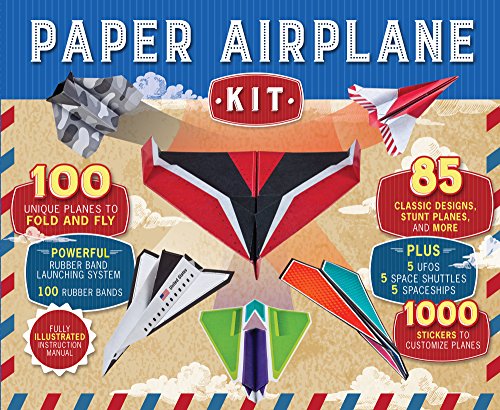 |
Paper Airplane Kit | 9.4/10 | Check Price |
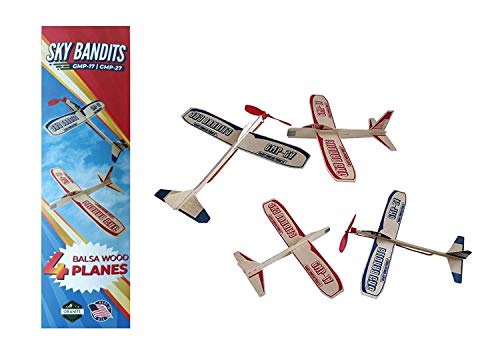 |
GRANITE MOUNTAIN PRODUCTS Balsa Wood Airplane Kits | 9.4/10 | Check Price |
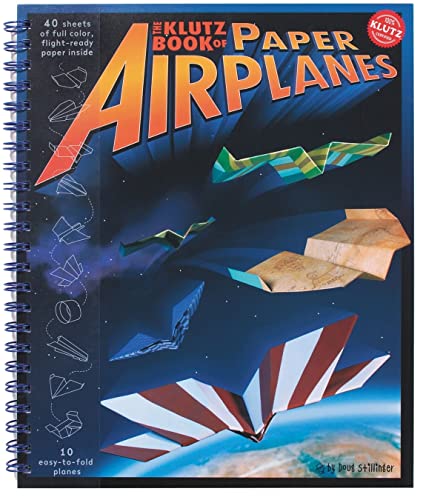 |
The Klutz Book of Paper Airplanes (Klutz Activity Kit) | 8.7/10 | Check Price |
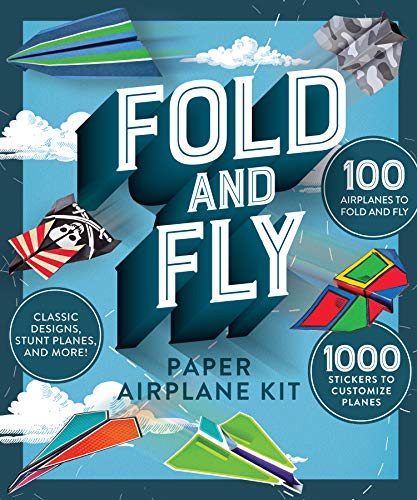 |
Fold and Fly Paper Airplane Kit | 8.9/10 | Check Price |
 |
POWERUP 4.0 The Next-Generation Smartphone Controlled Paper Airplane Kit | 8.6/10 | Check Price |
Top 5 Kit Airplanes Detailed Reviews
1. Paper Airplane Kit
Rating: 8.9/10
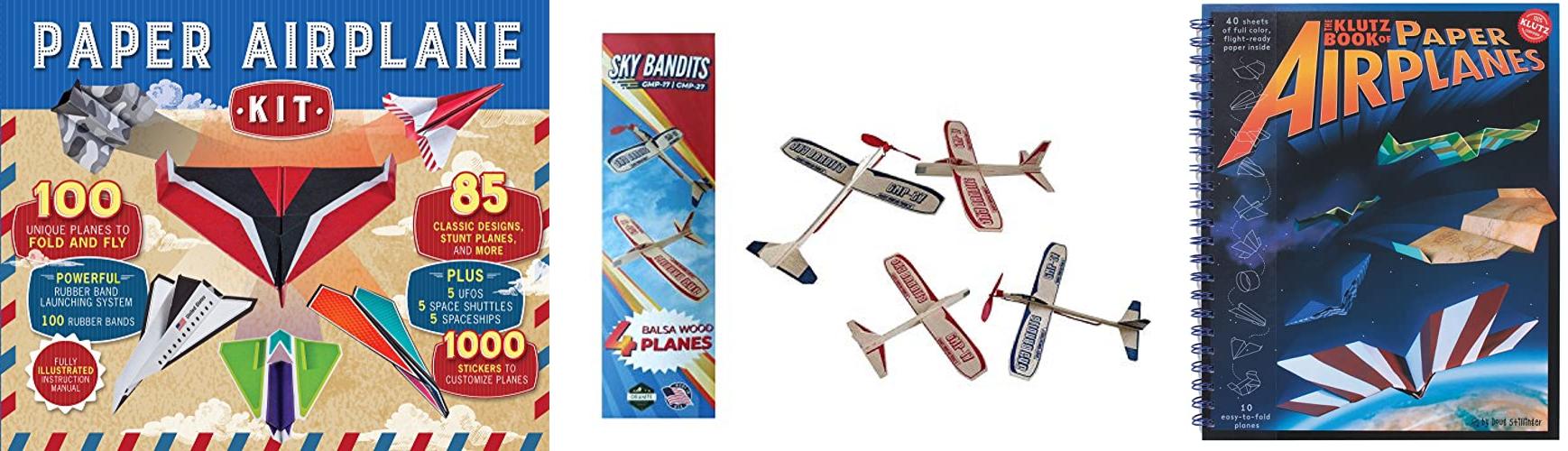
Blast off into a universe of fun with the Paper Airplane Kit! This isn’t just any old paper airplane set. It comes with everything you need to create amazing flying machines that look like UFOs, sleek space shuttles, and even futuristic spaceships. Get ready to fold, launch, and explore the skies!
What We Like:
- Hours of creative fun: Kids can spend ages designing and flying different models.
- Variety of designs: The kit includes cool shapes like UFOs and rockets, which makes it exciting.
- Easy to follow instructions: The steps are clear, so even younger kids can build their own creations.
- Promotes STEM skills: Folding and flying airplanes teaches basic engineering and physics concepts.
- Affordable entertainment: It’s a great way to have fun without spending a lot of money.
What Could Be Improved:
- Paper quality: Some of the included paper could be a bit thicker for more durable planes.
- Design complexity: A few of the spaceship designs are a little tricky for very young children.
- Limited paper supply: You might run out of paper if you build a lot of planes quickly.
This Paper Airplane Kit offers an exciting gateway to imaginative play and hands-on learning. It’s a fantastic way to encourage creativity and a love for all things space.
2. GRANITE MOUNTAIN PRODUCTS Balsa Wood Airplane Kits
Rating: 9.2/10
Get ready for soaring adventures with the GRANITE MOUNTAIN PRODUCTS Balsa Wood Airplane Kits. This exciting set brings back the joy of classic outdoor play with four fantastic wooden airplanes. You get two rubberband-powered propeller planes that are a blast to wind up and launch, and two balsa wood gliders perfect for long flights. Made right here in the USA, these kits are designed for easy assembly and hours of fun.
What We Like:
- Made in the USA – supporting American made products.
- Easy slot and tab construction means no glue is needed, making assembly a breeze for little hands.
- Two different types of planes offer varied flying experiences: rubberband powered for exciting launches and gliders for distance.
- The propeller planes can fly up to 50 feet, while the gliders can soar up to 25 feet, providing plenty of airborne excitement.
- Durable cardboard packaging protects the delicate balsa wood during shipping.
- Great for outdoor games with friends, encouraging friendly competition like farthest throw or longest flight time.
- Versatile for many occasions: birthdays, parties, small gifts, stocking stuffers, and goodie bag fillers.
- Promotes active outdoor play for kids ages 4-8, getting them away from screens.
What Could Be Improved:
- Balsa wood can be delicate, so extra care might be needed during assembly and flight.
- While easy to build, younger children might need some adult supervision for initial setup.
This set offers a fantastic way to enjoy the outdoors and create lasting memories. Grab a set and let the sky bandit adventures begin!
3. The Klutz Book of Paper Airplanes (Klutz Activity Kit)
Rating: 8.5/10
Ready to take flight? The Klutz Book of Paper Airplanes (Klutz Activity Kit) transforms simple paper into soaring masterpieces. This kit provides everything a young aviator needs to fold and fly ten different, awesome paper airplane designs. You get 40 sheets of cool, custom-designed paper, bursting with patterns. It’s like a treasure chest of flight-ready materials!
What We Like:
- It includes 10 unique airplane designs to build and fly.
- The kit comes with 40 sheets of eye-catching, custom-designed patterned paper.
- The 56-page instructional book features “Klutz Certified” crystal-clear instructions that are super easy to follow.
- It has won prestigious awards like the Oppenheim Toy Portfolio Award and the Parent’s Choice Award, showing it’s a high-quality toy.
- It’s recommended for kids aged 7 and up, making it a great activity for a wide range of ages.
What Could Be Improved:
- While the paper is fun, some might wish for a few more sheets for extra practice or experimentation.
- Some of the more intricate folds might still require a bit of adult help for younger children within the recommended age range.
This kit is a fantastic way to encourage creativity and hands-on fun. It’s an excellent choice for sparking imagination and providing hours of entertainment.
4. Fold and Fly Paper Airplane Kit
Rating: 8.8/10
Get ready for some airborne fun with the Fold and Fly Paper Airplane Kit! This kit gives you everything you need to create awesome paper airplanes that really fly. It’s a simple way to spend an afternoon, whether you’re indoors or out. You can fold, throw, and watch your creations soar. It’s a fantastic activity for kids and adults alike, sparking creativity and a bit of friendly competition.
What We Like:
- Super easy to fold, even for beginners.
- Comes with colorful paper that makes planes look cool.
- The instructions are clear and simple to follow.
- You can launch your planes from almost anywhere.
- It’s a great way to unplug and have some old-school fun.
- The price is very affordable.
What Could Be Improved:
- More advanced folding designs could be included for a greater challenge.
- The paper could be a little thicker for more durable planes.
- It would be neat to have some stickers or decorations to personalize the planes.
The Fold and Fly Paper Airplane Kit delivers straightforward fun for everyone. It’s a wonderful way to enjoy simple, hands-on creativity and enjoy the thrill of flight.
5. POWERUP 4.0 The Next-Generation Smartphone Controlled Paper Airplane Kit
Rating: 8.9/10
Get ready to launch your imagination with the POWERUP 4.0! This isn’t just a paper airplane; it’s a high-tech flying machine you control with your smartphone. Imagine folding a simple sheet of paper and then watching it soar through the sky, performing amazing tricks. The POWERUP 4.0 makes this a reality. Its smart technology, including an autopilot and a gyro stabilizer, helps you fly with ease, even if you’re new to flying. It’s perfect for anyone who loves to build, tinker, or just wants to experience the thrill of flight.
What We Like:
- It’s super easy to get started – just fold a sheet of paper and attach the POWERUP module!
- You can do cool tricks like loops and barrel rolls with the Acro Mode.
- The autopilot and wind stabilizer make flying smooth, even in tricky conditions.
- The POWERUP App lets you track your flights, compete with friends, and learn new designs.
- It charges fast, giving you 10 minutes of flight time after just 30 minutes of charging.
- It’s a fun way to learn about science, technology, engineering, and math (STEM) through hands-on experience.
What Could Be Improved:
- Flight time, while good, could always be longer for extended adventures.
- The range is excellent, but more adventurous flyers might wish for even greater distances.
The POWERUP 4.0 is a fantastic way to bring the excitement of RC flight to your everyday world. It’s a blast for hobbyists and a great learning tool for students and families alike.
Your Adventure Awaits: Choosing the Perfect Kit Airplane
So, you’re thinking about diving into the exciting world of kit airplanes? That’s fantastic! Building your own flying machine is an incredible journey. This guide will help you find the right kit airplane for you.
What to Look For: Key Features to Consider
When you’re picking out a kit airplane, several things make a big difference.
1. Type of Airplane
- Gliders: These don’t have engines. They catch air currents to stay aloft. They are great for beginners and for learning about aerodynamics.
- Electric Planes: These use batteries and electric motors. They are quiet, clean, and easy to start. Many are good for hobbyists.
- Gasoline/Nitro Planes: These use small engines that run on fuel. They can be faster and fly longer than electric planes. They require more maintenance.
2. Size and Wingspan
- Smaller Planes: These are easier to transport and store. They are often good for indoor flying or calm outdoor days.
- Larger Planes: These can handle wind better and fly for longer periods. They offer a more realistic flying experience.
3. Ready-to-Fly (RTF) vs. Almost-Ready-to-Fly (ARF) vs. Kit
- RTF: These come completely assembled and ready to fly right out of the box. They are the easiest option.
- ARF: These are mostly built. You usually just need to attach the wings, tail, and install the radio system. This saves a lot of building time.
- Kits: These require you to build almost everything from scratch. This is the most rewarding option for serious hobbyists and offers the most customization.
4. Skill Level Required
- Beginner: Look for kits that are simple to build and fly. They often have clear instructions and forgiving flight characteristics.
- Intermediate/Advanced: These kits offer more complex designs and require more building skill. They also have more exciting flight capabilities.
What Your Kit is Made Of: Important Materials
The materials used in your kit airplane affect its durability and how it flies.
- Foam: Many beginner and electric planes use foam. It’s lightweight and can often be repaired easily.
- Balsa Wood: This is a classic material for model airplanes. It’s light and strong, but can be more fragile than foam.
- Composite Materials (Fiberglass, Carbon Fiber): These are used in high-performance planes. They are very strong and light but can be more expensive.
Making it Great (or Not So Great): Factors Affecting Quality
Good quality means your airplane will fly better and last longer.
- Precision of Parts: When all the pieces fit together perfectly, building is easier and the plane will be more stable in the air.
- Quality of Instructions: Clear, step-by-step instructions are vital, especially for beginners. Pictures and diagrams help a lot.
- Durability of Materials: Stronger materials mean your plane can handle minor bumps and crashes better.
- Flight Performance: A well-built kit airplane will fly smoothly and respond well to your controls. Poorly made kits might be wobbly or hard to steer.
Enjoying Your Creation: User Experience and Use Cases
Building and flying a kit airplane offers many fun possibilities.
- Learning to Fly: Many people start with simple kits to learn the basics of controlling an aircraft.
- Relaxing Hobby: The building process itself can be very calming and satisfying.
- Outdoor Fun: Take your airplane to a park or an open field for some exciting flights.
- Aerobatics and Speed: More advanced kits can be used for thrilling stunts and high-speed flying.
- Community and Competition: Join local flying clubs or enter competitions to share your passion with others.
Frequently Asked Questions About Kit Airplanes
Q: What is the easiest type of kit airplane for a beginner?
A: For beginners, foam gliders or simple electric planes that are Almost-Ready-to-Fly (ARF) are usually the easiest. They require less complex building and are more forgiving to fly.
Q: Do I need special tools to build a kit airplane?
A: Yes, you will likely need some basic tools like a hobby knife, glue (specific types depend on the kit materials), screwdrivers, and possibly sandpaper. ARF kits need fewer tools than full kits.
Q: How long does it usually take to build a kit airplane?
A: This varies a lot! A simple ARF might take a few hours. A complex kit that requires building from many small parts could take many weeks or even months.
Q: What is the difference between a kit airplane and a remote-controlled (RC) airplane?
A: A kit airplane is something you build yourself from parts. A remote-controlled airplane is a finished product you buy ready to fly. Many RC airplanes are sold as kits that you assemble.
Q: Can I fly my kit airplane in my backyard?
A: It depends on the size of your airplane and your backyard. Smaller, lighter planes might be okay in a large, open yard. However, most flying is best done in larger open spaces like parks or dedicated flying fields.
Q: What happens if my kit airplane crashes?
A: Crashes are part of learning! Many foam planes can be repaired with tape or special foam glue. Balsa wood planes might need more involved repairs. Some crashes can be too severe to fix.
Q: What is a “transmitter” and do I need one for my kit airplane?
A: A transmitter is the handheld remote control you use to steer the airplane. If your kit airplane has an electric motor or other powered functions, you will almost always need a transmitter and a receiver on the plane.
Q: Are kit airplanes expensive?
A: Prices vary widely. Simple beginner kits can cost under $50, while large, complex kits with advanced features can cost hundreds or even thousands of dollars.
Q: Do I need to register my kit airplane?
A: In many countries, if your airplane weighs over a certain amount (like 250 grams or about half a pound), you need to register it with the aviation authorities. Always check the rules for your area.
Q: What is the best way to learn to fly my kit airplane?
A: Start with a beginner-friendly plane. Read the instructions carefully. Practice on a simulator if possible. Find an experienced flyer to help you on your first few flights. Flying in a calm, open area is also important.
In conclusion, every product has unique features and benefits. We hope this review helps you decide if it meets your needs. An informed choice ensures the best experience.
If you have any questions or feedback, please share them in the comments. Your input helps everyone. Thank you for reading.