
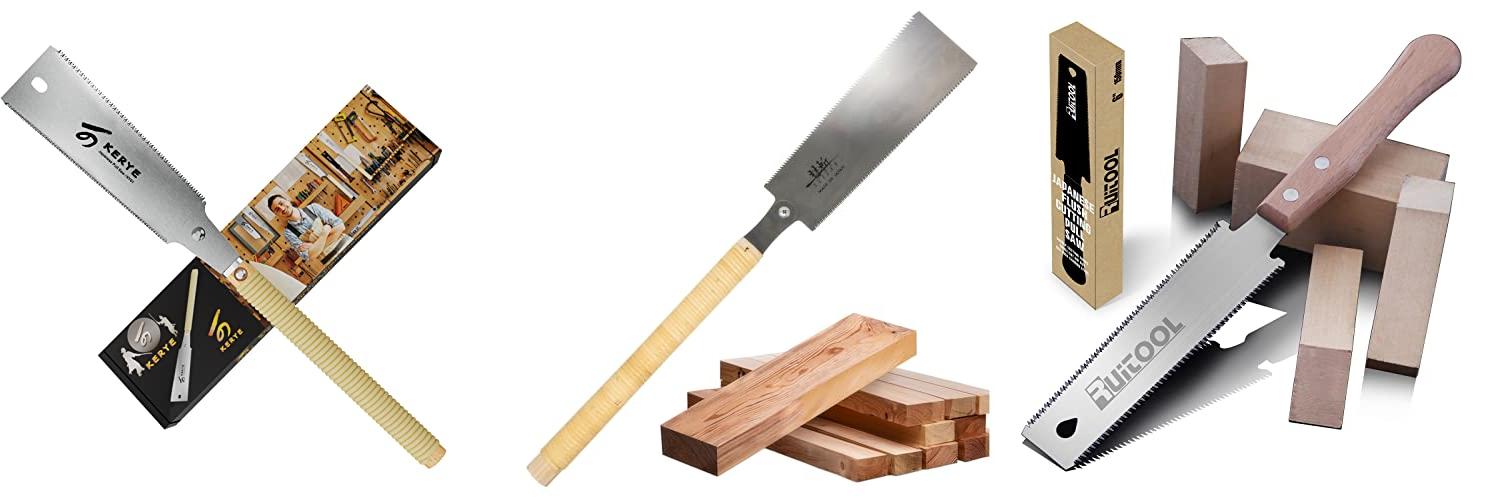
Have you ever watched a carpenter effortlessly slice through wood with a saw that seems to glide? It’s not magic; it’s often the power of a Japanese pull saw. These amazing tools look a bit different from the saws you might see in a Western workshop, and that difference makes them incredibly effective. But with so many types and brands out there, picking the perfect one can feel overwhelming. You might be wondering which saw is best for cutting thin pieces, or which one won’t splinter your delicate wood.
Choosing the wrong pull saw can lead to frustrating mistakes, rough cuts, and wasted time. But imagine having the confidence to pick the exact right tool for any woodworking project. By the end of this post, you’ll understand the secrets behind Japanese pull saws. We’ll break down what makes them special, what to look for when buying, and how to choose the best one for your needs, so you can start making clean, precise cuts like a pro.
Our Top 5 Japanese Pull Saw Recommendations at a Glance
Top 5 Japanese Pull Saw Detailed Reviews
1. KERYE Japanese Pull Saw 9.5 Inch

Rating: 9.3/10
The KERYE Japanese Pull Saw 9.5 Inch (model KY01) is a versatile and sharp hand saw designed for woodworking enthusiasts. Its 9.5-inch blade offers a larger cutting area, making it easier to tackle bigger projects. This saw is built with durable materials, including a SK5 high carbon steel blade for hardness and wear resistance, and a comfortable beech and rattan handle. It’s a great gift for anyone who enjoys working with wood.
What We Like:
- The 9.5-inch blade gives you more room to work and makes cutting easier.
- It requires less effort to cut thanks to its design.
- The blade is made from strong SK5 high carbon steel that lasts a long time.
- The beech and rattan handle is light and feels good in your hand, saving you energy.
- The teeth are ground on three sides, making them extra sharp and durable.
- It’s a 2-in-1 saw with two different tooth counts (10 TPI and 17 TPI) for different cutting tasks.
- The rougher side is good for quick cuts, and the denser side is better for detailed cuts.
- The company offers a 24-month after-sale support, which is very reassuring.
What Could Be Improved:
- The replaceable blade feature, while useful, might require careful handling to ensure proper fit and secure attachment.
This KERYE pull saw is a well-made tool that offers great performance for its price. Its dual-edge blade and sturdy construction make it a valuable addition to any woodworker’s toolkit.
2. SUIZAN Ryoba Double Edge Saw 9.5″ Assembly ver – Professional Japanese Pullsaw Handsaw Woodworking Tools

Rating: 9.2/10
Get ready to experience woodworking like never before with the SUIZAN Ryoba Double Edge Saw. This 9.5-inch assembly version is a professional Japanese pull saw designed for both rip and cross cuts. Unlike traditional European saws that you push, this Japanese saw cuts by pulling, making it lighter and requiring less effort. You’ll get cleaner cuts, too!
What We Like:
- It’s a “pull saw,” which means it’s lighter and easier to use than push saws.
- The Japanese steel blade is super sharp for clean cuts.
- It’s made in Japan by skilled craftspeople, meaning high quality.
- It helps you try new woodworking projects and can make your hobby more exciting.
- The double-edged blade is versatile for both rip and cross cuts.
What Could Be Improved:
- This is an assembly version, so you need to put it together yourself.
- The handle’s appearance might vary because each one is wrapped by hand.
- Small cracks can sometimes happen during making, which the company says isn’t a defect.
This SUIZAN saw offers a unique and efficient way to work with wood. It’s a fantastic tool for anyone looking to elevate their woodworking skills.
3. RUITOOL Japanese Hand Saw 6 Inch Double Edge Sided Pull Saw Ryoba SK5 Flexible Blade 14/17 TPI Flush Cut Beech Handle Wood Saw for Woodworking Tools

Rating: 9.3/10
The RUITOOL Japanese Hand Saw 6 Inch Double Edge Sided Pull Saw Ryoba SK5 Flexible Blade 14/17 TPI Flush Cut Beech Handle Wood Saw for Woodworking Tools is a versatile tool for anyone who loves working with wood. It’s designed for precision and efficiency, making it a great addition to any woodworker’s toolkit.
What We Like:
- The 6-inch blade is just right for detailed work and makes flush cuts easy.
- The SK5 high-carbon steel blade is tough and flexible, and the teeth are hardened for a long life.
- It has two different tooth counts (14 TPI and 17 TPI) on each side, so you can cut both soft and hard woods smoothly.
- The 3-edge teeth design helps remove sawdust quickly and makes cuts cleaner.
- This saw makes a thoughtful gift for carpenters, woodworkers, and craftspeople.
- RUITOOL offers helpful customer support if you run into any issues.
What Could Be Improved:
- While the 6-inch size is great for detail, larger projects might require a bigger saw.
- Newer users might need a little practice to get the most out of the double-edged design.
This RUITOOL saw offers excellent performance and value for its price. It’s a reliable tool that will help you achieve great results in your woodworking projects.
4. SUIZAN Flush Cut Saw 5″ – Professional Japanese Pullsaw Ryoba Double Edge Handsaw Woodworking Tools

Rating: 9.4/10
Experience the precision and craftsmanship of Japanese woodworking with the SUIZAN Flush Cut Saw 5″. This professional-grade pull saw is designed for clean, efficient cuts, offering a unique alternative to traditional push saws.
What We Like:
- JAPANESE STYLE PULL SAW: This saw works by pulling, not pushing. This makes it lighter and easier to use, requiring less effort and leaving a cleaner cut.
- JAPANESE STEEL BLADE: Crafted from top-quality Japanese steel, the blade is incredibly sharp and durable, ensuring smooth and precise cuts every time.
- MADE IN JAPAN: Built by skilled Japanese craftsmen in a town with over 100 years of tool-making tradition, this saw represents true quality.
- VERSATILE FOR ALL WOODS: The robust blade easily cuts through hardwoods like oak and maple, and softwoods like cedar and pine.
- ENHANCE YOUR WOODWORKING: Whether you’re a beginner or an expert, this saw brings a fresh experience and opens up new possibilities for your projects.
What Could Be Improved:
- NOT REPLACEABLE BLADE: The blade is not designed to be replaced, meaning the entire saw needs replacement if the blade wears out.
This SUIZAN Flush Cut Saw brings a touch of authentic Japanese skill to your workshop. It’s a tool that can truly elevate your woodworking projects.
5. Japanese Pull Saw – 9.5 Ryoba Hand Saw with Rip-cut and Crosscut – Wood Saw for Dovetails

Rating: 8.6/10
The Temple Tool Co. Japanese Pull Saw is a truly versatile woodworking tool. This 9.5-inch Ryoba saw is designed for both beginners and experienced woodworkers. Its double-edged blade means you can easily switch between cutting with the grain (rip-cut) and across the grain (crosscut). This makes it ideal for a wide range of projects, from cutting wood to size and making precise joinery like dovetails and tenons, to even trimming cutting boards.
What We Like:
- The Ryoba design with rip and crosscut teeth makes it a fantastic all-around saw.
- It features a beautiful and comfortable dark brown solid wood handle made from Wingnut wood, a relative of walnut.
- Brass components add a touch of elegance and durability to the saw.
- The saw cuts on the pull stroke. This design allows for a thin blade, making it lightweight and easy to handle.
- It provides a smooth, accurate, and effortless cutting experience.
- The blade is crafted from high-grade Japanese steel, ensuring it stays sharp for a long time and delivers clean cuts on various woods.
- This saw is handcrafted in Japan by artisans with over 100 years of experience, reflecting a rich history of quality craftsmanship.
- Temple Tool Co. aims to offer high-quality tools with exceptional performance at an affordable price.
What Could Be Improved:
- While the saw is a general-purpose tool, very specialized tasks might require a dedicated saw.
- Availability can sometimes be limited due to its handcrafted nature.
Overall, this Japanese pull saw offers an excellent blend of traditional craftsmanship and modern usability. It’s a tool that will serve you well for many woodworking projects.
Choosing the Right Japanese Pull Saw: Your Guide to Precision Cutting
Japanese pull saws are amazing tools. They cut wood with incredible accuracy and ease. Unlike Western saws that push, these saws pull. This makes them easier to control and creates cleaner cuts. If you want sharp, precise lines in your woodworking, a Japanese pull saw is a great choice.
Key Features to Look For
When you’re picking out a Japanese pull saw, pay attention to a few important things.
Blade Length and Kerf
- Blade Length: Longer blades are good for bigger cuts. Shorter blades give you more control for small tasks. Think about the size of the projects you’ll do.
- Kerf: This is the width of the cut the saw blade makes. A thinner kerf means less wood is removed. This is good for saving material and making very precise cuts.
Tooth Pattern and Set
- Tooth Pattern: Saws have different tooth shapes. Some are great for cross-cutting (across the grain of the wood). Others are designed for rip cuts (along the grain). Many Japanese saws have teeth that can do both.
- Tooth Set: This is how the teeth are bent outward. A little set helps the blade move freely without getting stuck. Too much set can make the cut wider than you want.
Handle Design
- Grip: A comfortable handle is important. Look for one that fits well in your hand. Some handles are made of wood, others of plastic or rubber.
- Handle Type: You’ll see two main types: pistol grips and straight handles. Pistol grips offer more leverage. Straight handles give you a different feel.
Important Materials
The materials used in a Japanese pull saw really affect its performance.
Blade Material
- High Carbon Steel: This is a common and good material. It’s strong and holds a sharp edge well.
- SK Steel: This is a specific type of high carbon steel used in many Japanese saws. It’s known for its hardness and ability to stay sharp.
- Dovetail Saws: These often have very thin, flexible blades made from high-quality steel. This flexibility helps them get into tight spots.
Handle Material
- Wood: Traditional and comfortable. Many wood handles are made from hardwoods like oak or magnolia.
- Plastic/Rubber: These can offer a more secure grip and are often more durable.
Factors That Improve or Reduce Quality
Several things make a Japanese pull saw great or not so great.
Blade Hardening and Tempering
- Hardening: This makes the steel very hard. It helps the teeth stay sharp longer.
- Tempering: This process makes the hardened steel less brittle. It stops the blade from snapping. Well-hardened and tempered blades are a sign of good quality.
Tooth Sharpness and Precision
- Sharpness: A truly sharp saw cuts with very little effort. You can feel the difference when you use it.
- Precision: The teeth should be perfectly shaped and spaced. This leads to smooth, clean cuts without splintering.
Blade Flexibility
- Flexibility: Some saws have blades that can bend without breaking. This is useful for reaching into awkward places or making curved cuts. A blade that is too stiff might snap.
User Experience and Use Cases
Using a Japanese pull saw is a different and often more pleasant experience than using a Western saw.
Ease of Use
- Effortless Cutting: Because you pull the saw, you use your back muscles more. This takes pressure off your arms. The thin blade and sharp teeth glide through the wood.
- Control: The pulling action gives you amazing control. You can guide the saw exactly where you want it to go. This means fewer mistakes.
Common Use Cases
- Dovetail Joints: These saws, especially the smaller ones, are perfect for cutting dovetail joints. The fine teeth make very clean, precise cuts.
- General Woodworking: They are excellent for all kinds of cuts. You can use them for trimming, cutting tenons, and making simple cross-cuts.
- Fine Detail Work: If you need to make very accurate cuts in small projects or for detailed furniture, a Japanese pull saw shines.
- Model Making: For intricate work on models, these saws offer the precision needed.
Frequently Asked Questions about Japanese Pull Saws
Q: What makes a Japanese pull saw different from a Western saw?
A: Japanese pull saws cut when you pull them towards you. Western saws cut when you push them away. Pulling is easier and gives you more control for cleaner cuts.
Q: Are Japanese pull saws hard to learn how to use?
A: They might feel different at first. But most people find them easier to use once they get the hang of the pulling motion. It takes a little practice.
Q: What is a “kerf” on a saw blade?
A: The kerf is the width of the cut that the saw blade makes. A thinner kerf means less wood is removed, which is great for precision.
Q: Can I use a Japanese pull saw for cutting plywood?
A: Yes, many Japanese pull saws work well on plywood. Look for one with fine teeth for a clean cut. Some saws are better for plywood than others.
Q: How do I keep my Japanese pull saw sharp?
A: Most Japanese pull saw blades are not meant to be sharpened at home. When the teeth get dull, you usually replace the blade. They are designed to be very sharp when new.
Q: What is a “dovetail saw”?
A: A dovetail saw is a type of Japanese pull saw. It’s small and has very fine teeth. It’s perfect for cutting dovetail joints in woodworking.
Q: Do I need a special technique to use a Japanese pull saw?
A: The main technique is to let the saw do the work. You don’t need to push hard. Just guide the saw with a steady pulling motion.
Q: Are Japanese pull saws expensive?
A: Prices can vary. Basic saws are affordable. High-end saws made with special steel can cost more. They are a good investment for serious woodworkers.
Q: How long do Japanese pull saw blades last?
A: Blade life depends on how much you use the saw and the type of wood you cut. With careful use, a blade can last for many projects.
Q: Can I use a Japanese pull saw for rough cutting or demolition?
A: No, Japanese pull saws are precision tools. They are made for clean, accurate cuts. Using them for rough work can damage the blade and teeth.
In conclusion, every product has unique features and benefits. We hope this review helps you decide if it meets your needs. An informed choice ensures the best experience.
If you have any questions or feedback, please share them in the comments. Your input helps everyone. Thank you for reading.