
A Fiskars pole saw is a fantastic tool for reaching high branches. Can you use a Fiskars pole saw to cut thick branches? Yes, depending on the model and the branch thickness, many Fiskars pole saws are designed for just that. This guide will walk you through everything you need to know to use your Fiskars pole saw safely and effectively. We’ll cover assembly, operation, maintenance, and even some helpful tips to make you a pro at tree trimming.
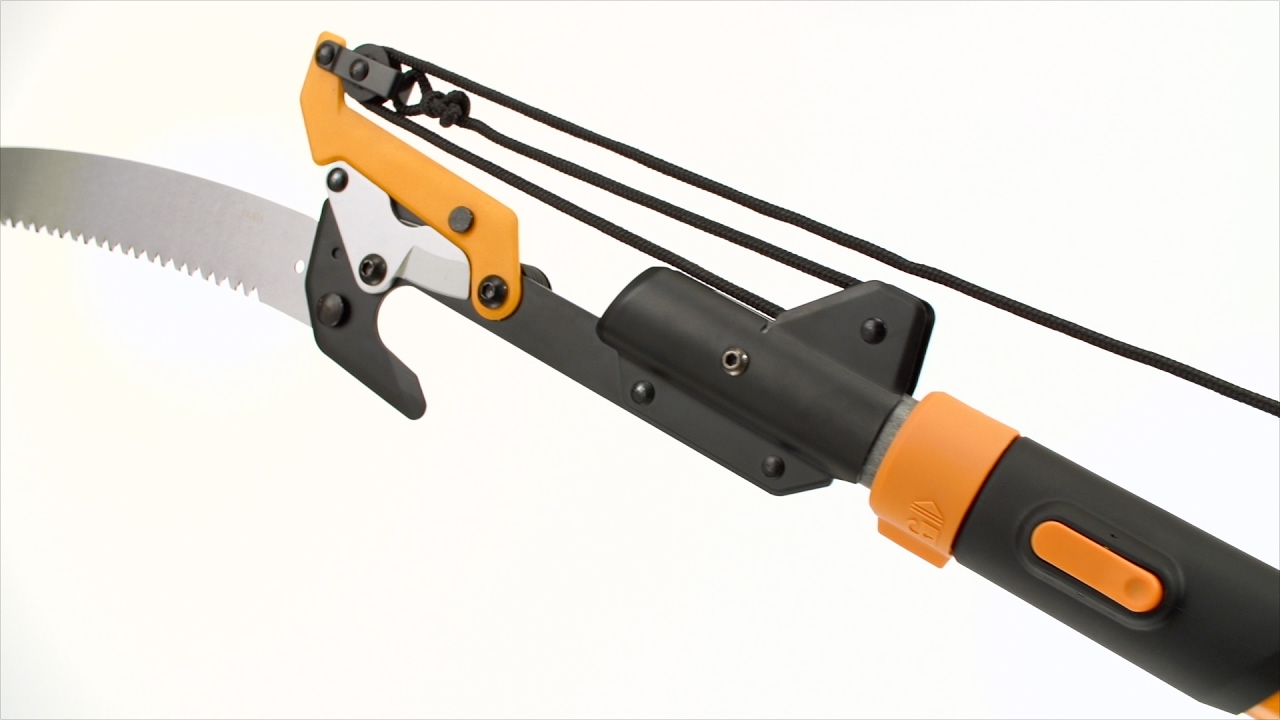
Image Source: i.ytimg.com
Getting Started with Your Fiskars Pole Saw
Before you even think about cutting, it’s important to be prepared. This means having the right safety gear and knowing how to assemble your tool correctly.
Assembling Your Fiskars Pole Saw
So, how to assemble Fiskars pole saw? The process is generally straightforward. Most Fiskars extendable saw models come in a few main parts: the saw head (blade and casing), the pole sections, and sometimes a handle or grip.
- Unpack Carefully: Remove all parts from the packaging. Check the instruction manual to ensure you have all the necessary components.
- Connect Pole Sections: Fiskars pole saws typically use a twist-lock or snap-lock mechanism to connect pole sections.
- Twist-Lock: Insert one pole section into another and twist them firmly to secure. Make sure the sections are fully engaged and locked.
- Snap-Lock: Align the locking pins on one section with the corresponding holes on the other and push until you hear a click.
- Attach the Saw Head: The saw head usually screws onto the end of the assembled pole. Ensure it’s tightened securely. Some models might have a quick-release or bolt system. Refer to your specific model’s manual.
- Adjust the Length: Once assembled, you can adjust the length of your Fiskars extendable saw. Most have a telescoping design. Extend the pole to your desired length, ensuring the locking mechanism is engaged before use.
Essential Safety Gear
Safety is paramount when working with any cutting tool, especially one that elevates the blade. Always wear:
- Safety Glasses or Goggles: To protect your eyes from sawdust, wood chips, and falling debris.
- Gloves: For a better grip and to protect your hands from splinters and sap.
- Sturdy Footwear: Closed-toe boots with good traction will prevent slips and protect your feet.
- A Hard Hat: Especially if you are working under trees with potential for falling branches.
- Long Sleeves and Pants: To protect your skin from scratches and sap.
Mastering the Art of Pruning with Your Fiskars Pole Saw
Using a pruning pole saw requires technique. It’s not just about reaching; it’s about making clean cuts that promote tree health and safety.
Understanding Your Fiskars Pole Saw Model
Fiskars offers various pole saw models, each suited for different tasks:
- Fiskars Lopper Pole Saw: These often feature a powerful lopping action, ideal for cutting smaller branches up to a certain diameter, usually controlled by a rope or lever. They are great for fruit trees or general garden maintenance.
- Fiskars Bypass Pole Saw: This type of saw head uses a bypass cutting action, similar to hand pruners. The blades pass by each other to make a clean cut, which is best for live wood to minimize damage and promote healing.
- Fiskars Tree Trimmer: This is a more general term, and can often refer to models that combine a saw blade with a lopper, or just a high-quality saw blade designed for tree branches.
- Fiskars Chainsaw Pole Saw: For larger branches, a Fiskars chainsaw pole saw offers the power of a chainsaw at the end of an extension pole. These are for more demanding jobs and require extra caution.
- Fiskars Tree Cutting Pole Saw: This category encompasses models designed specifically for efficiently cutting down branches or even felling small trees safely from a distance.
Proper Cutting Techniques
Making the right cut is crucial for the health of your tree and your own safety.
Making the First Cut (Undercut)
When cutting a branch, especially one that is heavy and might break off before you finish sawing, it’s important to make an undercut.
- Location: Position the Fiskars extendable saw blade about 1-2 feet away from the trunk, on the underside of the branch.
- Depth: Make a cut about one-third of the way through the branch. This prevents the bark from tearing down the trunk as the branch falls.
Making the Second Cut (Overcut)
Once the undercut is made, you can proceed with the final cut.
- Location: Move slightly further out on the branch from the undercut (another 1-2 inches) and position the Fiskars pole saw blade on the top side of the branch.
- Action: Saw through the branch. The branch should break cleanly between your two cuts, and the undercut will prevent bark stripping.
Cutting Larger Branches
For thicker branches that require more effort or for models like the Fiskars chainsaw pole saw:
- Use a steady, sawing motion. Let the saw do the work.
- Maintain good balance. Ensure your stance is wide and stable.
- Be aware of the branch’s weight. As you cut, the branch can shift or fall unexpectedly.
- Consider a three-cut method for very heavy branches:
- Make the undercut as described above.
- Make an overcut about 2-3 inches further out than the undercut, going about halfway through the branch.
- Make the final cut from the top, just outside the second cut, all the way through. This removes the weight and allows the branch to fall safely.
Positioning and Balance
Proper positioning is key to control and safety.
- Stand Stable: Always ensure you have firm footing. Avoid standing on unstable ground or ladders unless absolutely necessary and you have secured yourself properly.
- Pole Angle: Keep the pole at a comfortable angle. Too steep an angle can make it difficult to saw effectively and can strain your arms. Aim for an angle that allows you to use your body weight for leverage.
- Branch Weight: Be mindful of the weight of the branch you are cutting. As you saw, the branch will become heavier on your saw head. Be prepared for this shift.
Using Different Fiskars Pole Saw Attachments and Accessories
Fiskars offers a range of Fiskars pole saw accessories that can enhance the versatility and functionality of your tool.
Fiskars Lopper Pole Saw vs. Fiskars Bypass Pole Saw
- Fiskars Lopper Pole Saw: Excellent for clean cuts on smaller to medium branches, often using a rope or trigger mechanism to operate. The jaws close to snip the branch.
- Fiskars Bypass Pole Saw: Best for live wood. The sharp blade bypasses a thicker, non-cutting blade to create a precise cut that heals well.
Fiskars Chainsaw Pole Saw Applications
When dealing with branches that are too thick for loppers or bypass saws, the Fiskars chainsaw pole saw is your go-to.
- Power: These models offer more cutting power, but also require more control due to the chain movement.
- Safety: Ensure the chain brake is engaged when not actively cutting and that the chain is properly tensioned and sharp.
Additional Fiskars Pole Saw Accessories
Fiskars may offer accessories like replacement blades, extension poles for greater reach, or carrying cases. Always check the manufacturer’s recommendations for compatible accessories.
Fiskars Pole Saw Maintenance for Longevity and Performance
Proper Fiskars pole saw maintenance ensures your tool remains sharp, safe, and effective for years to come.
Cleaning Your Fiskars Pole Saw
Regular cleaning prevents sap buildup and corrosion.
- After Each Use: Wipe down the pole sections and the saw head with a damp cloth.
- Remove Sap: For stubborn sap, use a mild soap and water solution or a specialized sap remover. Dry the parts thoroughly afterward.
- Clean the Blade: Remove any sawdust or debris from the saw blade.
Sharpening the Blade
A sharp blade cuts more efficiently and safely.
- Frequency: Sharpen the blade when you notice it’s not cutting cleanly or is requiring excessive force.
- Method: Use a metal file or a sharpening stone designed for saw blades. Follow the existing bevel of the blade. For Fiskars bypass pole saw models, ensure the bypass blade is also clean and free from damage. For chainsaw pole saws, follow the manufacturer’s guidelines for chain sharpening.
Lubrication
- Moving Parts: Lubricate any pivot points or locking mechanisms with a light oil to ensure smooth operation.
- Chainsaw Chains: If you have a Fiskars chainsaw pole saw, regular chain lubrication with bar and chain oil is essential.
Storage
- Dry Location: Store your Fiskars pole saw in a dry, protected area, away from moisture and extreme temperatures.
- Blade Protection: If possible, use a blade cover to protect the cutting edge and prevent accidental contact.
Advanced Tips for Using Your Fiskars Pole Saw
Once you’re comfortable with the basics, these tips can help you become a true pro.
Reaching Difficult Angles
Sometimes, branches are located in awkward spots.
- Adjust Your Stance: Try angling your body or repositioning your feet to get a better approach to the branch.
- Pole Angle: Experiment with slightly different pole angles. A more acute angle might allow you to reach around obstacles.
Handling Overhanging Branches
When cutting branches that extend over yourself or structures, extreme caution is needed.
- Undercut First: Always make the undercut first to control the fall of the branch.
- Clear the Area: Ensure the landing zone is clear of people, pets, and property.
- Consider Weight: If the branch is very heavy, it might be safer to make multiple smaller cuts rather than one large one.
Using Your Fiskars Pole Saw for Different Types of Trees
- Fruit Trees: For fruit trees, a Fiskars lopper pole saw or Fiskars bypass pole saw is ideal for making clean cuts that promote fruit production and tree health.
- Evergreens: These often have tougher wood. Ensure your Fiskars tree cutting pole saw or chainsaw pole saw is adequate for the task and that the blade is sharp.
- Hardwoods: Hardwoods can be dense. Use a sharp blade and be prepared to use more force or a model designed for tougher wood.
Working with Fiskars Pole Saw Accessories for Enhanced Reach
If you need to reach exceptionally high branches, consider if Fiskars offers extension pole accessories for your specific model. Always ensure these extensions are securely attached and do not compromise the stability or balance of the tool.
Troubleshooting Common Issues
Even with regular maintenance, you might encounter minor issues.
| Problem | Possible Cause | Solution |
|---|---|---|
| Saw not cutting well | Dull blade | Sharpen the blade. |
| Sap buildup on blade | Clean the blade thoroughly. | |
| Incorrect cutting technique | Review proper cutting methods (undercut/overcut). | |
| Pole sections won’t lock | Debris in locking mechanism | Clean the pole sections and the locking mechanism. |
| Worn locking mechanism | Inspect for damage; contact Fiskars customer support if necessary. | |
| Difficult to control | Pole too extended | Shorten the pole to a more manageable length. |
| Poor footing or stance | Find stable ground and adopt a wide, balanced stance. | |
| Overextending arms | Use your body weight and a more appropriate pole angle. | |
| Lopper or saw head stuck | Obstruction or branch caught | Carefully try to free the obstruction. If it’s a chainsaw, ensure the power is off. |
Frequently Asked Questions (FAQ)
Q1: What is the maximum branch thickness a Fiskars pole saw can cut?
A1: The maximum branch thickness varies greatly depending on the specific Fiskars pole saw model. Lopper pole saws typically handle branches up to 1.5-2 inches in diameter, while models with saw blades can manage thicker branches, up to 4-6 inches or more. Fiskars chainsaw pole saws are designed for the thickest branches. Always check your product’s specifications.
Q2: Can I use my Fiskars pole saw from a ladder?
A2: While it might seem like an option for extra height, using a Fiskars extendable saw from a ladder significantly increases the risk of injury due to instability and awkward leverage. It’s generally not recommended. Fiskars pole saws are designed to provide ample reach without needing a ladder. If you must use one, ensure the ladder is stable, properly positioned, and you have someone spotting you.
Q3: How do I clean the Fiskars bypass pole saw blade?
A3: After each use, wipe down the Fiskars bypass pole saw blade with a damp cloth. For sap or stubborn residue, use a mild soap and water solution or a specialized sap remover. Ensure you dry the blade thoroughly to prevent rust. For optimal performance, occasionally sharpen the blade.
Q4: Is it safe to cut branches directly above my head?
A4: Cutting branches directly overhead requires extreme caution. Ensure you have a stable stance and the pole is angled appropriately to allow you to manage the weight of the falling branch. Always make an undercut first to prevent bark stripping and uncontrolled falling. Be aware of your surroundings, including power lines, buildings, and other people.
Q5: What maintenance is required for a Fiskars chainsaw pole saw?
A5: Beyond general cleaning, a Fiskars chainsaw pole saw requires specific attention to the chain. This includes regular sharpening, proper chain tensioning, and consistent lubrication with bar and chain oil. Refer to your chainsaw pole saw’s manual for detailed maintenance instructions.
Q6: When should I replace the blade on my Fiskars pole saw?
A6: You should consider replacing the blade if it becomes excessively dull, bent, or damaged, and cannot be effectively sharpened. A damaged blade can lead to inefficient cutting and increased safety risks. Check the product manual or contact Fiskars customer support for replacement blade availability.
Q7: Can I use aftermarket Fiskars pole saw accessories?
A7: While aftermarket accessories might seem appealing, it’s always best to use genuine Fiskars pole saw accessories. They are designed to be compatible with your tool, ensuring optimal performance and safety. Using incompatible accessories could damage your tool or lead to an unsafe working condition.
By following these guidelines, you can confidently use your Fiskars pole saw to tackle your tree trimming needs safely and efficiently, turning a potentially daunting task into a manageable one.