
Can you use a radial saw for ripping? Yes, you can use a radial saw for ripping, but it requires specific techniques and safety precautions due to its design. This guide will delve into the essential aspects of radial arm saw operation, ensuring you can use this versatile tool both safely and effectively for a wide range of woodworking tasks.
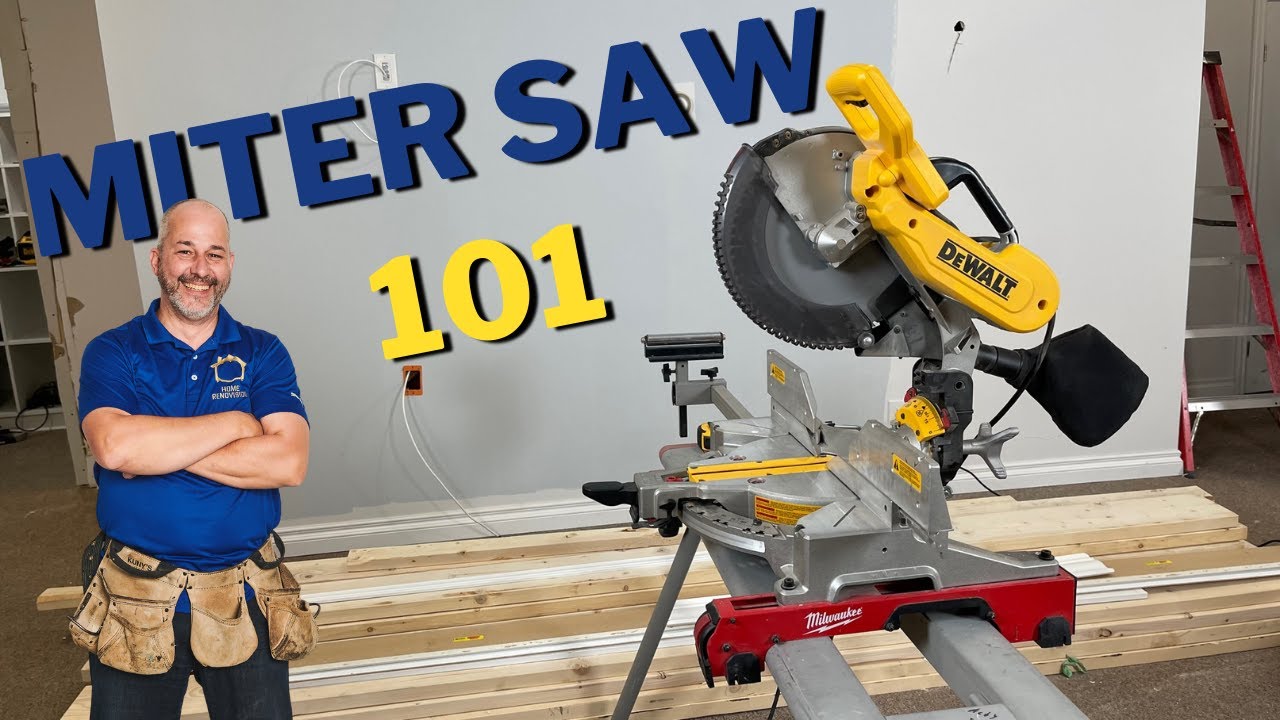
Image Source: i.ytimg.com
Radial Saw Safety: Your Top Priority
Before you even think about turning on a radial saw, radial saw safety must be your absolute top priority. These machines are powerful and, if misused, can be extremely dangerous. Ignoring safety protocols can lead to severe injuries, including lacerations, amputations, and kickback incidents.
Essential Safety Gear
Always wear the following personal protective equipment (PPE) when operating a radial saw:
- Safety Glasses: Protect your eyes from flying sawdust and debris.
- Hearing Protection: Radial saws can be very loud. Earplugs or earmuffs are crucial.
- Dust Mask or Respirator: Sawdust can be harmful to your lungs.
- Work Gloves: While some prefer not to use gloves for better grip, clean, well-fitting gloves can protect your hands from splinters and minor abrasions. However, be cautious that loose gloves don’t get caught in the blade.
- Close-Fitting Clothing: Avoid loose sleeves, dangling jewelry, or anything that could get snagged by the spinning blade. Tie back long hair.
Pre-Operation Safety Checks
Thoroughly inspect the saw before each use. This includes:
- Blade Condition: Ensure the blade is sharp, free of damage (cracks, missing teeth), and appropriate for the material you’re cutting.
- Blade Guard: The blade guard must be in place and functioning correctly. Never operate the saw without it.
- Blade Installation: The blade must be installed correctly, with the teeth facing the correct direction for the saw’s operation. The arbor nut should be tight.
- Power Cord and Plug: Check for any damage to the cord or plug.
- Work Area: Keep the area around the saw clean, dry, and free of clutter. Ensure good lighting.
- Material Stability: Make sure the workpiece is stable and not warped or twisted.
Safe Operating Practices
- Never force the cut: Let the saw do the work. Forcing can lead to kickback or a burnt cut.
- Maintain a firm grip on the workpiece: Always keep your hands a safe distance from the blade.
- Keep hands out of the blade’s path: Be aware of where the blade will travel.
- Never reach under the blade: Even when the saw is off, the blade can still be sharp.
- Disconnect power before making adjustments: Always unplug the saw before changing blades, making adjustments, or performing maintenance.
- Be aware of kickback: Kickback occurs when the wood binds against the blade and is thrown back towards the operator. It’s one of the most dangerous aspects of using power saws.
Radial Saw Setup: Getting Started
Proper radial saw setup is critical for both accuracy and safety. This involves adjusting the saw to your specific cutting needs and ensuring all components are correctly aligned.
Table and Fence Alignment
- Table Squareness: The saw’s table should be perfectly square to the blade’s path. Most radial saws have adjustable trunnions to achieve this.
- Fence Parallelism: If your saw has a fence, ensure it is perfectly parallel to the blade’s kerf.
Blade Height Adjustment
The blade height is crucial for different types of cuts.
- Crosscutting: For crosscuts, the blade should be set so that the top of the teeth are just slightly above the workpiece. This minimizes the risk of kickback and provides a cleaner cut.
- Ripping: For ripping, the blade should be set so that the top of the blade is about 1/4 inch to 1/2 inch above the surface of the workpiece.
Blade Guard Adjustment
The blade guard should always be in place and adjusted to provide maximum protection without hindering the cut. It should swivel out of the way as the blade cuts through the material and then return to cover the blade after the cut is complete.
Dust Collection Setup
Connecting a dust collection system to your radial saw is highly recommended for a cleaner and healthier working environment. Ensure the dust port is properly connected.
Mastering Radial Saw Techniques
The radial saw’s versatility comes from its ability to perform various cuts by moving the blade through a stationary workpiece. Understanding how to execute these cuts correctly is key.
Radial Saw Crosscut
A radial saw crosscut is the most common operation. The saw head (motor and blade assembly) is pulled through the stationary workpiece.
How to Perform a Crosscut:
- Position the Material: Place the workpiece flat on the saw table, butting one end against the fence.
- Set the Stop: For repetitive cuts, use a miter gauge or a stop rod attached to the fence to position the workpiece accurately.
- Mark Your Cut: Clearly mark the cut line on the workpiece.
- Align the Blade: With the saw off, position the blade so that the teeth are just to the waste side of your cut line.
- Engage the Blade: Turn on the saw and allow the blade to reach full speed.
- Pull the Arm: Smoothly and steadily pull the saw arm across the workpiece. Do not force it.
- Complete the Cut: Continue pulling until the blade has completely passed through the material.
- Retract the Arm: Allow the blade to stop spinning before carefully pushing the arm back to its original position.
- Remove the Workpiece: Carefully remove the cut piece from the table.
Important Note on Crosscutting: Always ensure the blade guard is functioning and covers the blade when not in use. For narrow workpieces, use a clamp to secure them to the table.
Radial Saw Ripping
Radial saw ripping involves moving the workpiece through the stationary blade. This is the opposite of crosscutting and requires careful setup and execution.
Radial Saw Ripping Safety & Procedure:
- Set Blade Height: Adjust the blade height to about 1/4 to 1/2 inch above the workpiece.
- Position the Rip Fence: Install the rip fence and ensure it is set to the desired width for your rip cut. The fence must be parallel to the blade.
- Blade Alignment: Ensure the blade is perfectly square to the table and fence.
- Use a Push Stick or Push Block: This is absolutely critical for safety. You will guide the workpiece along the fence and through the blade using a push stick or push block. Never use your hands to push the wood past the blade.
- Start the Saw: Turn on the saw and let the blade reach full speed.
- Feed the Material: With the push stick, feed the workpiece into the blade, keeping it firmly against the rip fence.
- Complete the Cut: Continue feeding the material until it has fully passed through the blade.
- Retract the Blade: Push the arm back to its starting position.
- Remove Offcuts: Carefully remove the cut piece and the offcut using your push stick.
Kickback During Ripping: Kickback is a significant risk when ripping. It can happen if the workpiece pinches the blade or if the wood is not kept firmly against the fence. Always use a riving knife or splitter if your saw is equipped with one, especially when ripping.
Radial Saw Dado
A radial saw dado cut is used to create grooves or channels in the wood. This is achieved by using a dado blade set, which is a stack of blades and chippers that create a wider cut.
Setting Up for a Dado Cut:
- Install Dado Blade Set: Follow the manufacturer’s instructions to assemble the dado blade set on the saw arbor. Ensure all washers and blades are correctly positioned.
- Set Blade Height: The height of the dado set is adjusted just like a standard blade, determining the depth of the groove.
- Position the Workpiece: The workpiece is typically fed through the stationary dado blade, similar to ripping.
- Use the Rip Fence: The rip fence guides the workpiece, ensuring the dado cut is made at the correct distance from an edge.
- Use Push Sticks: As with ripping, push sticks are essential for safety.
- Adjust Blade Depth: The depth of the dado cut is controlled by the height of the dado blade assembly above the table.
Maximum Dado Width: Be aware of the maximum dado width your radial saw is designed to handle. Exceeding this can strain the motor and lead to damage or unsafe operation.
Radial Saw Table Saw Conversion
Many older radial saws can be converted to function somewhat like a table saw. This involves a radial saw table saw conversion, allowing you to rip by swinging the blade assembly out from under the table and locking it in position.
Considerations for Conversion:
- Safety: This conversion inherently changes the saw’s intended operation. Ensure you understand the risks and implement robust safety measures.
- Blade Guarding: The standard blade guard on a radial saw is designed for crosscutting. When converted for ripping, you’ll need a dedicated table saw style guard or a robust auxiliary guard.
- Rip Fence: A proper table saw style rip fence is crucial for safe and accurate ripping when converted. The radial saw’s standard fence is often not designed for this purpose.
- Stability: Ensure the radial saw is firmly secured to prevent movement during ripping operations.
When to Consider Conversion: This conversion is generally for those who understand the risks and have experience with both radial saws and table saws. For most users, it’s safer to stick to the radial saw’s primary functions or invest in a dedicated table saw.
Radial Saw Blade Types
Choosing the correct radial saw blade types is crucial for achieving clean, efficient cuts and ensuring safety. Different blades are designed for specific materials and cutting tasks.
| Blade Type | Description | Best For |
|---|---|---|
| Crosscut Blade | Typically has more teeth (60-80 teeth) with a higher tooth count per inch (TPI). | Making clean cuts across the grain of wood. |
| Rip Blade | Fewer teeth (24-40 teeth) with larger gullets for chip removal. | Cutting wood along the grain (ripping). |
| Combination Blade | A compromise between rip and crosscut blades, offering a good balance for both. | General-purpose cutting where both rip and crosscuts are performed. |
| Dado Blade Set | A stack of blades and chippers to create wide grooves. | Cutting dadoes, grooves, and rabbets in wood. |
| Plywood/Melamine Blade | High tooth count (80+ teeth) with specialized carbide tips and tooth geometry. | Cutting sheet goods like plywood, MDF, and melamine to prevent tear-out. |
| Non-Ferrous Metal Blade | Specific tooth geometry and carbide tips designed for cutting aluminum, brass. | Cutting non-ferrous metals. Requires careful setup and slower feed rates. |
| Plastic Blade | Sharp teeth designed to cut plastics without melting or chipping. | Cutting various types of plastic materials. |
Key Blade Considerations:
- Material: Always use a blade designed for the material you are cutting.
- Tooth Count (TPI): Higher TPI for cleaner crosscuts, lower TPI for efficient ripping.
- Arbor Size: Ensure the blade’s arbor hole matches your saw’s spindle.
- Carbide vs. High-Speed Steel (HSS): Carbide-tipped blades last longer and stay sharp longer, making them ideal for most woodworking applications.
Radial Saw Maintenance
Regular radial saw maintenance is vital for ensuring its longevity, performance, and, most importantly, safety.
Cleaning and Lubrication
- Blade Cleaning: Clean blades regularly to remove pitch and resin buildup. A blade cleaner solution or a brass brush can be effective.
- Saw Body: Keep the saw’s table, arm, and motor housing clean. Wipe down with a damp cloth and dry thoroughly.
- Lubrication: Lubricate moving parts, such as the arm tracks and height adjustment mechanisms, according to the manufacturer’s recommendations. Use a light machine oil or grease.
Blade Sharpening and Replacement
- Sharpening: Dull blades are dangerous and produce poor cuts. Have blades professionally sharpened or learn to sharpen them yourself if you have the right equipment.
- Replacement: Replace blades that are damaged or worn beyond repair.
Motor and Electrical Components
- Motor Brushes: If your saw has a brushed motor, check the brushes periodically for wear and replace them if necessary.
- Electrical Connections: Ensure all electrical connections are secure and free of corrosion.
Storage
- Dust Protection: Cover the saw when not in use to protect it from dust and debris.
- Blade Protection: Store blades properly in protective sleeves or cases.
Radial Saw Troubleshooting
Even with good maintenance, you might encounter issues. Here’s some common radial saw troubleshooting.
| Problem | Possible Cause(s) | Solution(s) |
|---|---|---|
| Motor Overheating | Dust buildup on motor, dull blade, forcing the cut, undersized blade. | Clean motor, sharpen or replace blade, don’t force cuts, use correct blade size. |
| Inaccurate Cuts | Loose arbor nut, misaligned fence or table, worn bearings. | Tighten arbor nut, realign fence/table, check and replace worn bearings. |
| Blade Wobble | Bent arbor, loose arbor nut, damaged blade, improper blade installation. | Check arbor for straightness, tighten arbor nut, replace damaged blade, re-install blade. |
| Poor Cut Quality (Tear-out) | Dull blade, wrong blade type, feeding too fast or too slow. | Sharpen or replace blade, use correct blade for material, adjust feed rate. |
| Saw Won’t Start | No power, tripped breaker, faulty switch, blown fuse. | Check power source, reset breaker, check switch and fuses, consult electrician if needed. |
| Kickback Occurs Frequently | Dull blade, incorrect blade height, not using rip fence correctly, pinched wood. | Sharpen blade, adjust blade height, use rip fence with push sticks, ensure wood isn’t pinched. |
Frequently Asked Questions (FAQ)
Q1: Can I use a radial saw for crosscuts and rips?
Yes, a radial saw is designed for both crosscuts (pulling the blade through the wood) and rips (pushing the wood through the blade). However, ripping requires special attention to safety and the use of a rip fence and push sticks.
Q2: Is a radial saw safer than a table saw?
This is a common debate. Radial saws generally offer better dust collection and a safer way to crosscut due to the blade moving away from the operator. However, ripping on a radial saw can be more dangerous than on a table saw if not done with extreme care and the correct accessories, as the blade is generally less guarded during rips.
Q3: What is the most dangerous operation on a radial saw?
Ripping is generally considered the most dangerous operation on a radial saw if not performed with the correct setup, accessories (like a rip fence and push sticks), and extreme caution. Kickback is a significant risk.
Q4: How often should I maintain my radial saw?
Regular cleaning and visual inspections should be done before every use. More in-depth maintenance, such as lubricating moving parts and checking motor brushes, should be performed periodically based on usage, following the manufacturer’s guidelines.
Q5: Can I use any blade on my radial saw?
No, you must use blades specifically designed for your radial saw and the material you are cutting. Ensure the blade diameter and arbor size match your saw’s specifications. Always use the correct blade type for the task (crosscut, rip, dado, etc.).
By adhering to these principles of radial saw safety, radial saw setup, radial saw operation, and regular radial saw maintenance, you can confidently and effectively utilize this powerful woodworking machine for a wide variety of projects. Remember, your safety is paramount.