
Can you use an electric nail drill as a beginner? Yes, absolutely! With the right guidance and practice, even a beginner can master the use of an electric nail drill for beautiful, salon-quality nails. What is an electric nail drill used for in nail care? It’s a versatile tool that helps with shaping, smoothing, and cleaning nails, making tasks like acrylic nail removal, gel polish removal, and cuticle care much easier and more efficient.
An electric nail file, often referred to as an e-file for nails, is a game-changer for anyone serious about nail care, whether you’re a home enthusiast or aspiring professional. It can significantly speed up your manicure and pedicure routine while offering a more precise and refined finish compared to traditional methods. But like any powerful tool, it requires proper handling and knowledge to wield effectively and safely. This guide is designed to demystify the electric nail drill, transforming you from a hesitant beginner into a confident user.
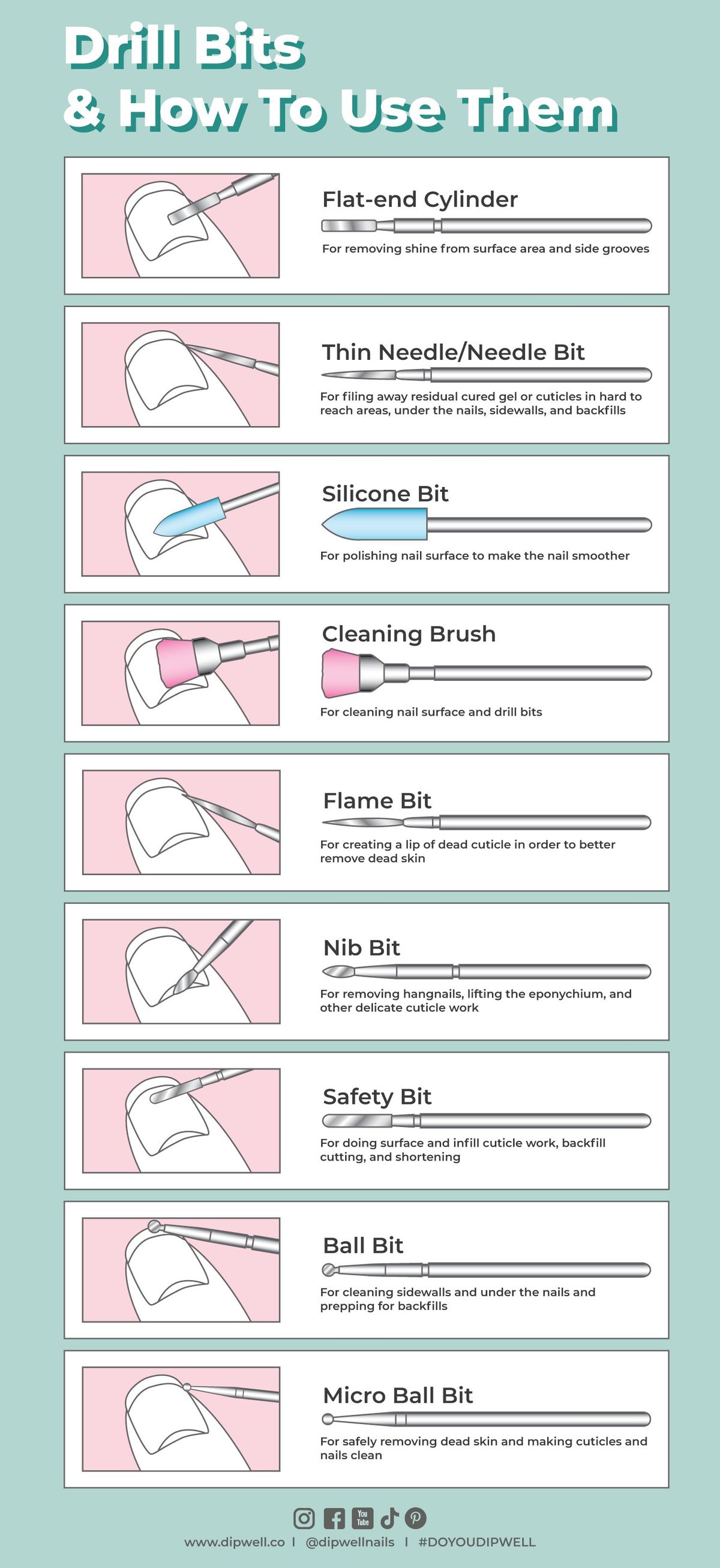
Image Source: cdn.sanity.io
The Basics of Your Electric Nail File
Before you start drilling, it’s important to familiarize yourself with the components of your e-file for nails and its general purpose. Think of it as getting to know your tools before you start building.
What’s Inside Your Nail Drill Kit?
Most electric nail drills come with a few key parts:
- The Handpiece: This is the pen-like device you hold. It’s where the magic happens! It connects to the main unit and houses the motor.
- The Control Box (Power Unit): This is the brain of your e-file. It controls the speed and power of the drill.
- Nail Drill Bits: These are the interchangeable attachments that do the actual work on your nails. They come in various shapes, sizes, and grits.
- Foot Pedal (Optional): Some models include a foot pedal for hands-free operation, allowing you to control the speed with your foot.
- Power Cord: To plug everything in.
Why Use an E-File for Nails?
The benefits of using an electric nail file are numerous:
- Speed: It significantly cuts down the time spent on tasks like filing, shaping, and removing product.
- Precision: The controlled speed and variety of nail drill bits allow for highly accurate shaping and smoothing.
- Efficiency: It makes difficult tasks, such as acrylic nail removal and gel polish removal, much less labor-intensive.
- Reduced Effort: It requires less physical effort than manual filing.
- Professional Finish: It helps achieve a smoother, more polished look.
- Cuticle Care: With the right bits, you can achieve gentle and effective cuticle care.
Choosing Your First Nail Drill
As a beginner nail drill user, selecting the right e-file is crucial. You don’t need the most expensive professional nail drill right away, but you do want something reliable and safe.
Key Features to Look For:
- Speed Control (RPM): Look for a drill that offers variable speed control. RPM (Revolutions Per Minute) indicates how fast the drill bit spins. For beginners, a range of 0-30,000 RPM is generally sufficient.
- Torque: This is the “power” of the drill, its ability to maintain speed under pressure. Higher torque means less chance of the drill slowing down or stopping when you apply a little pressure.
- Ergonomics: The handpiece should be comfortable to hold and not too heavy.
- Quiet Operation: A quieter drill makes for a more pleasant experience.
- Durability: A well-built drill will last longer.
- Ease of Bit Changing: Look for a drill with a simple and secure mechanism for changing bits.
Beginner-Friendly vs. Professional Nail Drill
- Beginner Nail Drill: Often has a lower RPM range (e.g., up to 20,000 RPM), is generally lighter, and might have fewer advanced features. These are great for learning the basics and home use.
- Professional Nail Drill: Typically offers higher RPMs (30,000+), more power (torque), a wider range of speed settings, and more durable components for continuous use.
Mastering the Nail Drill Bits
The effectiveness of your electric nail drill hinges on using the correct nail drill bits for the task. Each bit has a specific shape, material, and grit designed for particular jobs.
Common Types of Nail Drill Bits:
| Bit Type | Material | Grit Level (Generally) | Common Uses | Caution for Beginners |
|---|---|---|---|---|
| Diamond Bits | Diamond Coated | Fine to Coarse | Cuticle cleanup, shaping natural nails, removing gel polish, refining acrylic | Start with fine grit and low speeds, especially around the cuticle. |
| Carbide Bits | Carbide Metal | Coarse | Acrylic nail removal, backfilling, shaping hard enhancements | High speed can generate heat; often used for bulk removal. Use with caution and experience. |
| Ceramic Bits | Ceramic | Fine to Medium | Gel polish removal, cuticle cleanup, refining natural nails | Less heat generation than carbide, but can still get warm. |
| Sanding Bands | Sandpaper | Coarse | Shaping acrylic and gel, smoothing, removing product | Always use a mandrel bit to hold the band. Start with lower speeds. |
| Felt/Buffing Bits | Felt | Very Fine | Buffing the nail surface to a high shine | Gentle on the nail; use at lower speeds. |
| Safety Bits | Diamond/Carbide | Fine | Gently lifting and cleaning the cuticle area, refining sidewalls | Designed to prevent accidental cutting; ideal for cuticle care with drill. |
Understanding Grit Levels:
- Coarse Grit: For heavy-duty tasks like removing thick acrylic or gel.
- Medium Grit: For shaping enhancements and surface work.
- Fine Grit: For refining, smoothing, and gentle product removal.
- Extra Fine Grit: For buffing and very delicate work.
Pro Tip: Always purchase bits made from reputable brands. Cheap bits can be unevenly coated, generating excessive heat or causing damage to the natural nail.
Getting Started: Safe and Effective Techniques
Now that you’re familiar with the tool and bits, let’s dive into how to use your e-file for nails safely and effectively.
Step 1: Prepare Your Workspace and Nails
- Clean Surface: Ensure your workstation is clean and well-lit.
- Sanitize: Sanitize your hands and your client’s hands.
- Select Your Bit: Choose the appropriate nail drill bit for the task. For beginners, start with a fine-grit diamond bit for shaping and a safety bit for cuticle work.
- Insert the Bit: Make sure the handpiece is off. Insert the bit firmly into the chuck of the handpiece. Twist or push the chuck mechanism to secure the bit. Gently tug to ensure it’s locked in place.
Step 2: Setting the Nail Drill Speed
- Start Low: Always begin with the nail drill speed set to its lowest setting. This is crucial when you’re first learning or using a new bit.
- Gradual Increase: As you become more comfortable, you can gradually increase the nail drill speed. Listen to the drill and feel the vibration. The goal is efficient work without discomfort.
- Task-Specific Speed: Different tasks require different speeds.
- Shaping Natural Nails: 5,000 – 8,000 RPM
- Removing Gel Polish: 10,000 – 15,000 RPM
- Acrylic Nail Removal (Bulk): 15,000 – 25,000 RPM (with carbide bits)
- Cuticle Care (with safety bits): 5,000 – 10,000 RPM
Important Note: These RPMs are general guidelines. Always refer to the manufacturer’s recommendations for your specific drill and bits.
Step 3: Holding the Handpiece and Applying Pressure
- Pencil Grip: Hold the handpiece like you would a pencil or a pen. This provides control and precision.
- Light Pressure: Never apply excessive pressure. Let the drill bit do the work. Too much pressure can generate heat, cause discomfort, and damage the natural nail or enhancement.
- Keep it Moving: Constantly move the drill bit across the nail surface. Do not hold it in one spot for too long.
- Angle Matters: Hold the drill at a low angle (around 30-45 degrees) when filing or shaping. For cuticle care, you’ll often use a flatter angle.
Step 4: Filing and Shaping Techniques
- Directional Filing: Move the drill in one direction. For shaping natural nails, file away from the cuticle towards the free edge. Avoid sawing back and forth, as this can weaken the nail.
- Work in Sections: File one side, then the other, then the free edge. Don’t try to do everything at once.
- Smooth Transitions: Blend any rough edges or transitions smoothly with the drill bit.
Step 5: Specific Applications for Beginners
Cuticle Care with Drill:
This is where a safety bit is your best friend.
- Lift the Cuticle: Gently lift the cuticle skin away from the nail plate using a fine-grit diamond bit or a specialized cuticle bit.
- Cleanse Underneath: Use the side of the bit to gently sweep away any dead skin or debris from under the lifted cuticle and along the sidewalls.
- Smooth the Eponychium: With very light pressure and a low speed, gently buff away any excess cuticle skin.
- Always: Keep the drill moving, use very light pressure, and don’t overdo it. It’s better to do multiple light passes than one aggressive one.
Gel Polish Removal E-File:
- Apex Removal: Use a medium-grit diamond bit or a carbide bit to gently remove the apex (the thickest part) of the gel polish. Be careful not to file down to the natural nail.
- Bulk Removal: Work your way down the nail, filing off the bulk of the gel. Keep the drill moving and at a moderate speed.
- Leave a Thin Layer: Always leave a very thin layer of gel polish on the natural nail to avoid damage. This thin layer can then be gently buffed away with a fine-grit bit or removed with acetone.
Acrylic Nail Removal E-File:
This is typically done with carbide bits and higher speeds once you have more experience.
- Bulk Removal: Use a coarse carbide bit to quickly remove the majority of the acrylic.
- Work in Sections: Remove the acrylic in sections, starting from the free edge and working towards the cuticle.
- Avoid the Natural Nail: Be extremely careful not to touch or file the natural nail. Carbide bits can generate heat quickly and can easily cause burns or damage.
- Finish with Finer Bits: Once the bulk is removed, switch to a finer grit bit or sanding band to smooth the nail and remove any remaining product residue.
Crucial Safety Reminder: If you feel any heat or discomfort, stop immediately! Lower the speed, lift the drill, and let the area cool down.
Nail Drill Maintenance: Keeping Your Tool in Top Shape
Proper nail drill maintenance ensures its longevity and optimal performance. Think of it as taking care of your investment.
Daily Cleaning:
- Wipe Down: After each use, wipe the handpiece and control box with a clean, dry cloth.
- Bit Cleaning: Remove the drill bit and clean it thoroughly. You can use a small brush to remove dust and debris. For metal bits, you can use a bit cleaner solution.
Weekly/Regular Cleaning:
- Disinfection: Disinfect your metal and diamond drill bits according to the manufacturer’s instructions. This usually involves soaking them in a Barbicide solution or an approved disinfectant. Ensure all bits are completely dry before storing.
- Inspect Bits: Check your bits for any signs of wear or damage. Replace any bits that are bent, chipped, or have lost their coating.
Storage:
- Protect the Handpiece: Store the handpiece carefully to avoid dropping or damaging the chuck mechanism. Many drills come with a protective case or a handpiece rest.
- Organize Bits: Keep your nail drill bits organized in a dedicated case or container to prevent loss and damage.
Professional Servicing:
- Manufacturer Recommendations: Some professional nail drills may require occasional servicing by the manufacturer. Check your user manual for any recommended maintenance schedules.
Troubleshooting Common Issues
Even with the best intentions, you might encounter a few hiccups. Here’s how to address them:
- Drill Not Spinning:
- Check if it’s plugged in correctly.
- Ensure the bit is securely inserted.
- The handpiece cord might be loose.
- The drill may be overloaded or overheated; let it cool down.
- Excessive Vibration:
- The bit might be bent or not inserted correctly.
- The bit itself might be defective.
- The handpiece bearings might be worn (may require professional servicing).
- Heat Generation:
- The nail drill speed might be too high for the task.
- You might be applying too much pressure.
- You might be holding the bit in one spot for too long.
- The bit might be dull or worn out.
- Noise:
- Some noise is normal, especially at higher speeds.
- Excessive or grinding noise could indicate a problem with the handpiece motor or bearings.
Practice Makes Perfect: Your Journey to Pro-Level Skills
Using an electric nail drill is a skill that improves with practice. Don’t be discouraged if your first few attempts aren’t perfect.
Tips for Practice:
- Practice on Yourself First: Start by practicing on your own nails. This allows you to get a feel for the drill and different bits without the pressure of working on someone else.
- Focus on One Skill: Dedicate practice sessions to specific tasks, like just shaping or just cuticle cleanup.
- Watch Tutorials: Plenty of reputable online tutorials demonstrate proper e-file techniques.
- Seek Feedback: If possible, have an experienced nail technician review your technique.
- Be Patient: It takes time to develop muscle memory and a delicate touch. Celebrate small improvements!
Frequently Asked Questions (FAQ)
Q1: Can I use an electric nail drill on my natural nails?
A1: Yes, but you must use the correct bits (usually fine-grit diamond bits) and the appropriate speed settings. Always use gentle pressure and keep the drill moving to avoid damaging the natural nail.
Q2: How do I prevent cuticle damage when using an e-file?
A2: Use a specialized cuticle bit or a fine-grit diamond bit designed for this purpose. Keep the drill speed low (5,000-10,000 RPM), use very light pressure, and keep the bit moving. Never dig or hold the bit in one place.
Q3: How long does it take to become proficient with an e-file?
A3: Proficiency varies from person to person. Some people might feel comfortable after a few weeks of practice, while others may take a few months to master all aspects. Consistency in practice is key.
Q4: What is the difference between a beginner nail drill and a professional nail drill?
A4: Professional drills generally have higher RPMs (30,000+), more power (torque), better durability for extended use, and a wider range of speed settings compared to beginner models.
Q5: How often should I replace my nail drill bits?
A5: Drill bits don’t have a set lifespan; they need replacing when they become dull, worn out, or damaged. If you notice you need to apply more pressure than usual or the bit isn’t performing effectively, it’s time for a replacement. Diamond bits will eventually wear down the diamond coating.
Mastering the electric nail drill is an empowering step in your nail care journey. By starting with a quality beginner nail drill, familiarizing yourself with the various nail drill bits, and practicing safe techniques, you’ll soon be achieving salon-quality results with confidence. Remember, patience, practice, and proper nail drill maintenance are your keys to success!