
What is a masonry drill bit? A masonry drill bit is a specialized drill bit designed to cut through hard materials like brick, concrete, stone, and mortar. It’s easily identifiable by its hardened tip, often made of tungsten carbide, and a fluted shank that removes dust.
When you’re faced with a pile of drill bits, how do you pick the right one for drilling into tough materials like brick or concrete? Masonry drill bit identification is key to a successful DIY project or professional job. This guide will help you recognize masonry bits and make informed decisions when choosing masonry drill bits. We’ll cover everything from what makes them unique to when you might need a specific type for your task.
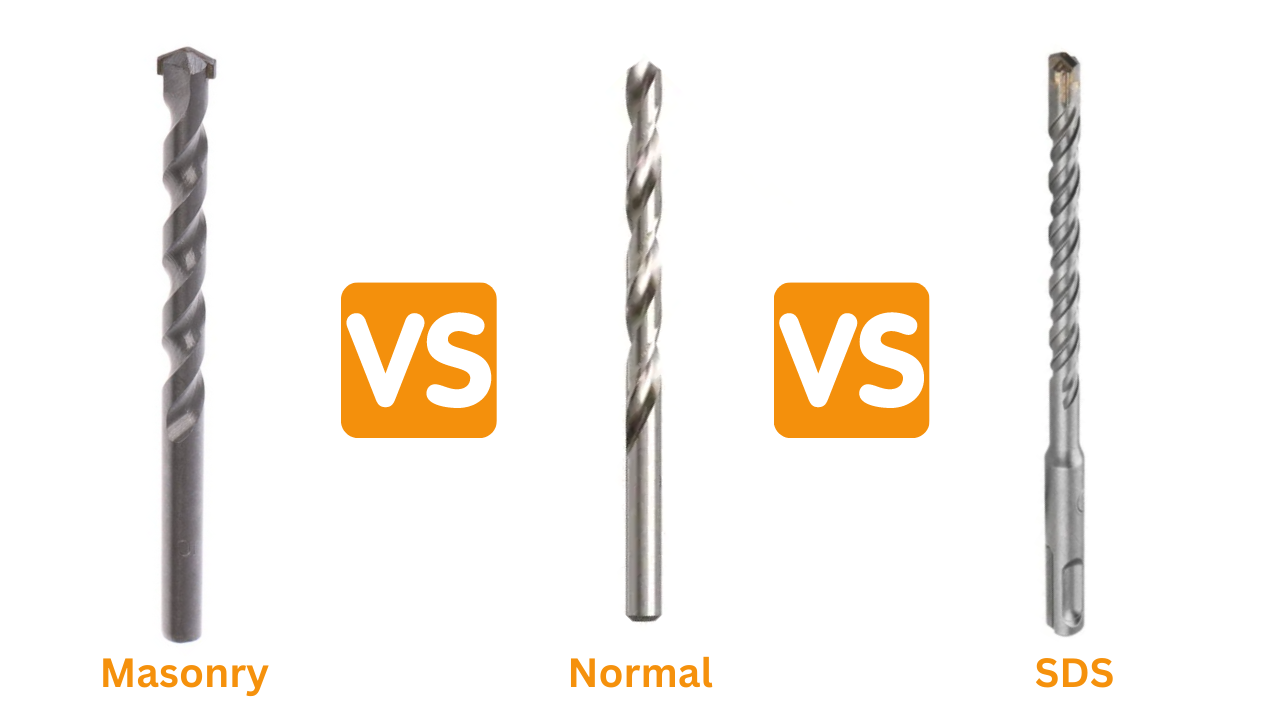
Image Source: kakilai.sg
Why Different Drill Bits Matter
Using the wrong drill bit on masonry is like trying to cut wood with a butter knife – it’s ineffective and can damage both the material and your tool. Masonry materials are dense and abrasive, requiring bits with specific features to penetrate and create a clean hole.
The Challenge of Drilling Masonry
- Hardness: Materials like concrete and stone are significantly harder than wood or metal.
- Abrasiveness: These materials contain grit and aggregate that quickly wear down standard drill bits.
- Dust Creation: Drilling masonry produces a lot of fine dust, which can clog standard bits and reduce their efficiency.
Identifying a Masonry Drill Bit
Masonry drill bit identification comes down to a few key visual cues. Once you know what to look for, recognizing masonry bits becomes second nature.
The Tell-Tale Tip: Carbide Coating
The most distinctive feature of a masonry drill bit is its tip.
- Carbide Tipped: Most masonry bits have a tip made of tungsten carbide, a material far harder than steel. This tip is usually a different color (often gray, silver, or even a darker metallic hue) and has a distinct chisel-like shape or a spear-like point.
- Why Carbide? Tungsten carbide’s extreme hardness allows it to grind away at tough masonry materials without quickly dulling or breaking.
Shank and Flute Design
While the tip is the most obvious indicator, the shank and flutes also play a role in masonry drill bit identification.
- Flutes: Masonry bits typically have wider and deeper flutes (the spiral grooves that run up the bit). These are designed to efficiently clear out the dust and debris created during drilling, preventing the bit from binding or overheating.
- Shank: The shank (the part that goes into the drill chuck) is usually made of hardened steel to withstand the forces involved.
Types of Masonry Drill Bits
Not all masonry drilling is the same. The material you’re drilling into, and the type of drill you’re using, will influence the best drill bit for concrete or drill bit for brick.
Standard Masonry Bits (Masonry-Specific Twist Bits)
These are the most common type. They look like regular twist drill bits but have the characteristic carbide tip.
- Use Cases: Excellent for drilling into softer masonry like brick, mortar, plaster, and some types of concrete block.
- Drill Compatibility: Can be used with standard corded or cordless drills. For best results, use them with a hammer drill.
Hammer Drill Bits
These bits are specifically designed for use with a hammer drill. They have a stronger construction and a specialized tip.
- What is a Hammer Drill Bit? Hammer drill bits are built to withstand the percussive action of a hammer drill. They often have a more robust carbide tip and a steeper flute angle to help eject debris quickly.
- Hammer Drill Bit vs. Regular Drill Bit: The key difference is the ability to handle the hammering action. A regular drill bit used in a hammer drill will likely break very quickly. A hammer drill bit, however, is designed to take that pounding and continue drilling.
SDS Drill Bits for Masonry
For more demanding jobs requiring a rotary hammer, you’ll need SDS (Slotted Drive System) bits.
- What is an SDS Drill Bit for Masonry? SDS bits have a specially grooved shank that locks into an SDS chuck on a rotary hammer. This system allows for efficient transfer of the hammer’s percussive force directly to the bit.
- Advantages: SDS bits are far more efficient for drilling into harder concrete and stone. The locking system prevents the bit from slipping and allows for faster drilling with less effort.
- Types of SDS Shanks:
- SDS-Plus: The most common type for standard rotary hammers.
- SDS-Max: For heavier-duty rotary hammers, used for larger diameter holes and tougher materials.
Specialty Masonry Bits
There are other specialized bits for specific masonry tasks.
- Carbide Tipped Masonry Chisel Bits: These have a wider, flatter tip designed for light chiseling or breaking up shallow areas.
- Diamond Grit or Diamond Tipped Bits: For extremely hard materials like very dense granite or porcelain tile, diamond bits are often necessary. They don’t “grind” like carbide but rather cut using the extreme hardness of diamond.
Choosing the Right Masonry Drill Bit
Choosing masonry drill bits depends on several factors. Getting it right makes drilling faster, cleaner, and safer.
Matching the Bit to the Material
- Brick and Mortar: Standard carbide-tipped masonry bits are usually sufficient.
- Concrete Block: Standard masonry bits work well, but a hammer drill will speed up the process.
- Poured Concrete: A good quality carbide-tipped bit used with a hammer drill is recommended. For harder concrete or larger holes, an SDS bit with a rotary hammer is ideal.
- Stone: This is where best drill bits for stone become crucial. Depending on the type of stone (e.g., sandstone, granite, marble), you might need robust carbide bits or even diamond-tipped bits. Always start with a smaller pilot hole if drilling into thick stone.
Matching the Bit to Your Drill
- Standard Drill: Use standard shank masonry bits. You can use the hammer function if your drill has one, but it won’t be as effective as a dedicated hammer drill.
- Hammer Drill: Use hammer drill bits designed for this purpose. They are more robust and will handle the hammering action.
- Rotary Hammer: Use SDS bits that match your rotary hammer’s SDS chuck (SDS-Plus or SDS-Max).
Diameter and Length
- Diameter: Choose the diameter that matches the anchor, screw, or fitting you intend to use. Most anchors will specify the required hole size.
- Length: Ensure the drill bit is long enough to drill the required depth, plus a little extra to account for the tip and for clearance at the bottom of the hole. Remember that the fluted part of the bit determines the maximum drilling depth.
Using Masonry Drill Bits Effectively: Masonry Drilling Tips
Knowing how to identify and choose the right bit is only half the battle. Masonry drilling tips will help you get the best results and prolong the life of your bits.
Preparation is Key
- Mark Your Spot: Use a pencil or chalk to clearly mark where you need to drill.
- Center Punch (Optional but Recommended): For precise starting points, especially on harder surfaces or when you want to avoid the bit wandering, use a center punch to create a small indentation.
- Choose the Right Drill: Select the appropriate drill for your task (standard drill, hammer drill, or rotary hammer).
Drilling Techniques
- Start Slow: Begin drilling at a low speed to create a small indentation and prevent the bit from wandering.
- Engage Hammer Action: Once the bit has started to bite into the material, engage the hammer function on your drill (if using a hammer drill or rotary hammer).
- Maintain Consistent Pressure: Apply steady, firm pressure. Let the drill do the work; don’t force it.
- Drill Straight: Keep the drill as perpendicular as possible to the surface.
- Clear Debris Regularly: Periodically pull the drill bit out of the hole while it’s still spinning slowly. This clears dust and prevents the bit from overheating. For deeper holes, this step is crucial.
- Cool the Bit: If drilling a large number of holes or through very hard material, you might need to dip the bit in water to cool it down periodically. Be cautious as hot metal can cause steam. Allow it to air cool if possible.
Safety First
- Eye Protection: Always wear safety glasses or goggles. Flying debris is common when drilling masonry.
- Dust Mask: Wear a dust mask to avoid inhaling fine dust particles, which can be harmful to your lungs.
- Gloves: Protect your hands with work gloves.
- Secure Your Work: If you’re drilling into something that can move, secure it firmly.
Maintaining Your Masonry Drill Bits
Proper care will extend the life of your carbide-tipped bits.
- Cleaning: After use, brush off any dust and debris from the flutes and tip.
- Cooling: Allow bits to cool down completely before storing them.
- Inspection: Before each use, inspect the carbide tip for any signs of damage, chipping, or excessive wear. A damaged tip will perform poorly and can be dangerous.
- Storage: Store bits in a case or organizer to protect the tips from damage.
Troubleshooting Common Masonry Drilling Issues
Even with the right bit, you might encounter problems.
Bit Not Cutting or Taking Too Long
- Cause: The bit may be dull, the wrong type for the material, or you’re not using the hammer function effectively.
- Solution: Ensure you have the correct drill bit for concrete or drill bit for brick. If using a hammer drill, make sure the hammer function is engaged. Try clearing debris more often. If the bit is visibly worn, it’s time for a new one.
Bit Wandering on Start-Up
- Cause: The surface is too hard, or you haven’t created a starting point.
- Solution: Use a center punch to create a small dimple before drilling. Start at a very slow speed.
Overheating
- Cause: Drilling too fast, too much pressure, or not clearing debris.
- Solution: Reduce pressure, slow down, and pull the bit out frequently to clear dust. Allow the bit to cool if it feels excessively hot.
Frequently Asked Questions (FAQ)
Here are some common questions about masonry drill bits.
Can I use a regular drill bit for masonry?
No, you should not use a standard twist drill bit for masonry. It will dull very quickly, fail to penetrate the material effectively, and could break, potentially damaging your drill or causing injury. Always use a bit specifically designed for masonry, like a carbide-tipped bit.
What is the difference between a hammer drill bit and a regular drill bit?
A hammer drill bit has a hardened carbide tip designed to withstand the percussive hammering action of a hammer drill. Regular drill bits are made of hardened steel but lack the specialized tip and robust construction needed for the hammering motion and are designed for softer materials like wood or metal.
Do I need a hammer drill for masonry?
While you can drill into some softer masonry (like brick or mortar) with a standard drill and a masonry bit, a hammer drill significantly speeds up the process and is highly recommended for harder materials like concrete. For larger holes or very hard concrete, a rotary hammer with an SDS bit is the most efficient tool.
How do I know if my drill bit is for masonry?
The easiest way to tell is by looking at the tip. Masonry drill bits typically have a distinct, thicker tip made of tungsten carbide, often a different color than the rest of the bit. They also have wider, deeper flutes for dust removal.
What are the best drill bits for stone?
For most common stone drilling, carbide-tipped masonry bits used with a hammer drill are effective. For harder stones like granite or very dense natural stone, diamond-grit or diamond-tipped bits are generally considered the best drill bits for stone, as they offer superior cutting power.
How deep can I drill with a masonry bit?
The drilling depth is limited by the length of the fluted portion of the drill bit. Ensure the bit you choose has flutes long enough for the desired depth, plus a little extra clearance.
By following this guide, you’ll be well-equipped to confidently identify, select, and use masonry drill bits for any project, ensuring efficient and successful drilling every time.