
Can you sharpen a table saw blade yourself? Yes, you absolutely can sharpen a table saw blade yourself, and doing so can save you money and ensure you’re always working with a sharp, efficient tool. This guide will walk you through the process of table saw blade sharpening, transforming dull blades into precision cutting instruments. We’ll cover everything from identifying when your blade needs attention to the actual sharpening table saw blades process, along with essential safety tips. Whether you’re a seasoned woodworker or just starting, learning how to sharpen saw blades is a valuable skill for your table saw maintenance routine.
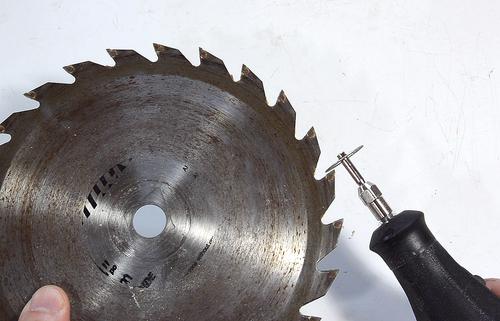
Image Source: woodgears.ca
Why Sharpen Your Table Saw Blades?
A sharp table saw blade is crucial for both the quality of your cuts and your safety in the workshop. A dull blade can lead to a host of problems, including:
- Poor Cut Quality: Ragged edges, tear-out, and burning are common signs of a dull blade. This can ruin your workpiece and require extra time for sanding and finishing.
- Increased Effort: Pushing a dull blade through wood requires more force. This can lead to fatigue and increase the risk of kickback.
- Kickback Risk: A dull blade can bind in the wood, causing the wood to be violently thrown back towards you. This is one of the most dangerous table saw accidents.
- Motor Strain: A dull blade makes your table saw motor work harder, potentially shortening its lifespan.
- Reduced Accuracy: Inaccurate cuts compromise the fit and finish of your projects.
Regular table saw blade sharpening is an investment in better woodworking and a safer workshop.
When to Sharpen Your Table Saw Blades
The frequency of sharpening depends on several factors, including the type of wood you cut, the frequency of use, and the quality of the blade itself. However, here are some tell-tale signs that your table saw blade needs attention:
- Burning: If you notice scorch marks along the cut line, the blade is likely dull.
- Tear-out: Splintered or rough edges on your cuts indicate dull teeth.
- Increased Feed Pressure: You have to push harder to get the blade through the wood.
- Chattering: The blade vibrates or makes an irregular noise as it cuts.
- Visible Damage: Chips or nicks in the carbide teeth are a clear sign that sharpening is needed.
Types of Table Saw Blades and Their Sharpening Needs
Table saw blades come in various types, each designed for specific cutting tasks. The most common type found in home workshops is the carbide saw blade sharpening requires attention to the carbide tips.
Common Table Saw Blade Types:
- General Purpose Blades: These are the most common and are suitable for a wide range of cuts, from ripping to crosscutting. They typically have a moderate number of teeth.
- Rip Blades: Designed for cutting along the grain of the wood. They have fewer teeth, larger gullets (the space between teeth), and a flatter tooth grind to efficiently remove material.
- Crosscut Blades: Designed for cutting across the grain. They have more teeth for a smoother finish and a more aggressive tooth angle.
- Combination Blades: A hybrid of rip and crosscut blades, offering versatility for various cuts.
- Dado Blades: Specifically designed for cutting grooves and dados. These are usually sold as sets.
While the principles of sharpening are similar, the specific angles and techniques might vary slightly depending on the blade type. For example, rip blades might be sharpened with a slightly different angle than crosscut blades to optimize their performance.
The DIY Saw Blade Sharpening Process: Tools You’ll Need
DIY saw blade sharpening is achievable with the right tools and a bit of patience. Here’s what you’ll need:
Essential Tools for Sharpening:
- Table Saw Blade: Your dull blade.
- Magnifying Glass or Loupe: To inspect the carbide teeth for wear and damage.
- Bench Grinder with a Grinding Wheel: The most common tool for sharpening. Ensure it has the appropriate grit for metal.
- Blade Sharpening Jig: This is highly recommended for maintaining consistent tooth angles. A good blade sharpening jig is crucial for achieving professional results.
- Diamond Lapping Discs or Diamond Files: For re-sharpening carbide teeth.
- Sharpening Stones for Saw Blades: Diamond stones or fine-grit aluminum oxide stones can be used for final honing and deburring.
- Safety Glasses: Absolutely essential to protect your eyes from metal filings and debris.
- Gloves: To protect your hands and improve grip.
- Small Brush or Compressed Air: For cleaning the blade.
- Rags: For cleaning and wiping.
- Marking Pen: To mark teeth that have been sharpened.
- Wrench or Socket: To remove the blade from your saw.
Preparing Your Table Saw Blade for Sharpening
Before you start sharpening, proper preparation is key:
Step-by-Step Preparation:
- Safety First: Ensure your table saw is unplugged and the blade is completely stopped.
- Blade Removal: Use the appropriate wrench or socket to loosen the arbor nut and remove the blade from your table saw.
- Inspection: Use your magnifying glass to carefully examine each carbide tooth. Look for:
- Wear: Is the cutting edge worn down or rounded?
- Chipping: Are there any nicks or chips in the carbide?
- Damage: Are any teeth bent or broken?
- Accumulated Debris: Resin or wood dust can build up on the teeth.
- Cleaning: Thoroughly clean the blade. Remove any resin or pitch buildup using a blade cleaner or a strong solvent like mineral spirits. Use a brush or compressed air to remove any dust or filings. A clean blade makes the sharpening process much more effective.
The Sharpening Process: Achieving Precision
The core of how to sharpen saw blades yourself lies in carefully grinding each tooth to its original sharp edge. This is where a blade sharpening jig becomes invaluable.
Sharpening with a Bench Grinder and Jig:
- Set Up Your Grinder: Mount a fine-grit grinding wheel onto your bench grinder. If you’re using a grinder specifically for tool sharpening, ensure it’s clean and free of debris.
- Mount the Jig: Attach your blade sharpening jig to the bench grinder’s tool rest. Adjust the jig according to its instructions to hold the saw blade securely.
- Set the Angle: Most table saw blades have specific tooth angles that need to be maintained for optimal performance. This is usually etched on the blade itself or found in the manufacturer’s specifications.
- Rake Angle: This is the angle of the tooth face relative to a radial line from the blade’s center. It affects how aggressively the blade cuts.
- Clearance Angle (or Hook Angle): This is the angle behind the cutting edge, which prevents the tooth from dragging on the wood.
- Tooth Bevel Angle: This is the angle ground onto the front edge of the tooth.
Consult your jig’s manual or online resources for setting these angles precisely. The jig will help you position the blade against the grinding wheel at the correct angle.
- Begin Grinding:
- Start with a carbide-specific grinding wheel or a diamond grinding disc.
- Position the first tooth of the blade against the grinding wheel.
- Apply light, consistent pressure. Let the wheel do the work.
- Grind the bevel on the front of the tooth until you see a bright, sharp edge.
- Move to the next tooth, ensuring you maintain the correct angle.
- Important: Grind one tooth at a time.
- Alternating Teeth (for Combination Blades): Many combination blades have alternating tooth bevels (e.g., 15 degrees on one tooth, then 15 degrees on the opposing bevel of the next tooth). Your jig should accommodate this. You’ll grind the bevel on one side of a tooth, then rotate the blade to grind the bevel on the other side of the next tooth.
- Check Progress: Periodically stop the grinder and inspect the teeth with your magnifying glass. You’re looking for a consistent sharp edge across all teeth.
- Repeat for All Teeth: Continue this process, moving from tooth to tooth, ensuring each one is sharpened to the same angle and has a clean, sharp cutting edge.
- Deburring: After grinding, there might be a small burr (a thin, rough edge) left on the carbide. Use a fine-grit sharpening stone for saw blades or a diamond file to gently deburr each tooth. This is a crucial step for a clean cut. A light touch is all that’s needed.
Sharpening Without a Jig (More Challenging):
If you don’t have a blade sharpening jig, you can attempt sharpening freehand, but it’s significantly harder to achieve consistent results.
- Use Diamond Files: Diamond files or diamond-coated sticks are often the go-to for freehand sharpening of carbide.
- Maintain Angles: This requires a very steady hand and good spatial awareness to maintain the correct tooth angles.
- Focus on the Edge: The goal is to remove material from the worn edge and restore it to a sharp point.
- Consistency is Key: Aim to remove the same amount of material from each tooth.
- This method is generally less precise and can lead to uneven sharpening if not done with extreme care. It’s often more suitable for minor touch-ups or less critical blades.
Carbide Saw Blade Sharpening: Special Considerations
Carbide saw blade sharpening requires specific abrasives due to the hardness of the carbide tips.
- Abrasive Choice: Diamond abrasives are the most effective for sharpening carbide. This can be in the form of diamond grinding wheels, diamond files, or diamond-impregnated lapping discs. Aluminum oxide wheels can also be used, but they wear down faster and may require more frequent dressing.
- Cooling: While not always necessary for small-scale DIY sharpening, some professional sharpening services use a coolant to prevent the carbide from overheating, which can compromise its hardness. For home sharpening, take breaks to let the wheel and blade cool.
- Tooth Geometry: Pay close attention to the specific tooth geometry of your blade. Different blades have different grinds (e.g., ATB – Alternate Top Bevel, FTG – Flat Top Grind, TCG – Triple Chip Grind). The sharpening process must match the original grind.
Finishing and Reinstallation
Once all the teeth are sharpened and deburred, you’re almost done.
Final Steps:
- Final Cleaning: Give the blade another thorough cleaning to remove any remaining filings or debris.
- Inspection: Perform a final inspection with your magnifying glass. All teeth should look sharp and uniform.
- Balancing: While DIY sharpening can sometimes affect blade balance, for most home use, slight imbalances are not noticeable. Professional sharpening services often include balancing.
- Reinstallation: Carefully reinstall the blade onto your table saw arbor. Ensure it’s mounted with the correct side facing out and the teeth leading in the direction of rotation. Tighten the arbor nut securely.
- Test Cut: Make a test cut in a scrap piece of wood to ensure the blade is performing as expected.
When to Consider Professional Saw Blade Sharpening
While DIY saw blade sharpening is a rewarding skill, there are times when sending your blades to a professional saw blade sharpening service is the better option.
Reasons to Go Professional:
- Extensive Damage: If your blades have significant chips, cracks, or broken teeth, professional sharpening is safer and more effective.
- Specialized Blades: Blades with complex tooth geometries or those used for specific industrial applications might be best left to professionals.
- Lack of Equipment: If you don’t have access to a bench grinder, a good blade sharpening jig, or the appropriate diamond abrasives, professional service is the way to go.
- Time Constraints: Professional services can sharpen multiple blades quickly and efficiently.
- Precision is Paramount: For critical woodworking projects where absolute precision is required, professional sharpening often offers superior results, including proper balancing.
- Dado Sets and Specialty Blades: Sharpening dado sets or blades with unique profiles can be complex and is often best left to experts.
Professional saw blade sharpening services typically have specialized machinery that can maintain precise angles, perform balancing, and ensure the longevity of your carbide-tipped blades. The cost is often reasonable, especially when you consider the time and effort involved in DIY sharpening for multiple blades.
Table Saw Maintenance Beyond Sharpening
Sharpening is a critical part of table saw maintenance, but it’s not the only aspect. Regular maintenance ensures your saw runs smoothly and safely.
Other Essential Table Saw Maintenance Tasks:
- Cleaning the Blade: Regularly clean your blade to remove pitch and resin buildup, even between sharpenings.
- Checking the Blade Guard and riving knife: Ensure they are properly aligned and functioning. The riving knife is crucial for preventing kickback.
- Lubricating Moving Parts: Lubricate the trunnions, elevation mechanism, and tilt mechanism to ensure smooth operation.
- Checking the Miter Gauge and Rip Fence: Ensure they are square and move freely.
- Cleaning the Tabletop: Keep the saw’s tabletop clean and free of debris. A light waxing can help wood slide more easily.
- Checking Belts and Pulleys: Inspect belts for wear and ensure pulleys are clean and aligned.
- Dust Collection: A clean dust collection system is vital for a healthy workshop environment and for keeping your saw running efficiently.
Regularly performing these maintenance tasks will extend the life of your table saw and improve the quality and safety of your woodworking.
Frequently Asked Questions (FAQ)
Q1: How often should I sharpen my table saw blades?
A1: This depends on usage. A general rule of thumb is to sharpen after about 10-15 hours of actual cutting time, or when you notice signs of dullness like burning or increased resistance.
Q2: Can I sharpen a standard steel blade, or only carbide blades?
A2: You can sharpen both steel and carbide blades. However, carbide-tipped blades are much harder and typically require diamond abrasives for effective sharpening. Steel blades can be sharpened with standard grinding wheels or sharpening stones. This guide primarily focuses on carbide blades as they are most common for table saws.
Q3: What is the ideal tooth angle for my table saw blade?
A3: The ideal tooth angle varies depending on the blade type and the type of wood you are cutting. General-purpose blades often have a 15-20 degree hook/rake angle and a 15-20 degree clearance angle. Rip blades have more aggressive angles, while crosscut blades have less aggressive angles for a smoother finish. Check the blade manufacturer’s specifications or look for markings on the blade itself.
Q4: What are “complex words” in the context of readability?
A4: Complex words are typically words with three or more syllables. When aiming for higher readability, it’s best to use simpler, shorter words whenever possible.
Q5: Is it possible to over-sharpen a blade?
A5: Yes, it is possible. Over-sharpening means removing too much material from the carbide tip, which can reduce the lifespan of the blade and even weaken the tooth. It’s important to only remove enough material to restore the sharp edge.
Q6: What are the benefits of using a blade sharpening jig?
A6: A blade sharpening jig ensures consistency in the grinding angle for each tooth. This leads to a more balanced blade, a cleaner cut, and prevents uneven wear that can shorten the blade’s life. It makes the process much more precise and less prone to error.
Q7: Where can I find sharpening stones for saw blades?
A7: You can find sharpening stones for saw blades, particularly diamond files and diamond-coated sticks, at most woodworking supply stores, hardware stores, and online retailers specializing in tools and sharpening supplies.
Q8: Is DIY saw blade sharpening worth the effort?
A8: For many woodworkers, yes. It can save money, especially if you have multiple blades. It also ensures you always have sharp blades readily available. However, if you lack the proper tools or patience, professional sharpening might be more efficient.
By mastering DIY saw blade sharpening, you’ll not only extend the life of your cutting tools but also significantly improve the precision and safety of your woodworking projects. Remember, a sharp blade is a safe blade.